


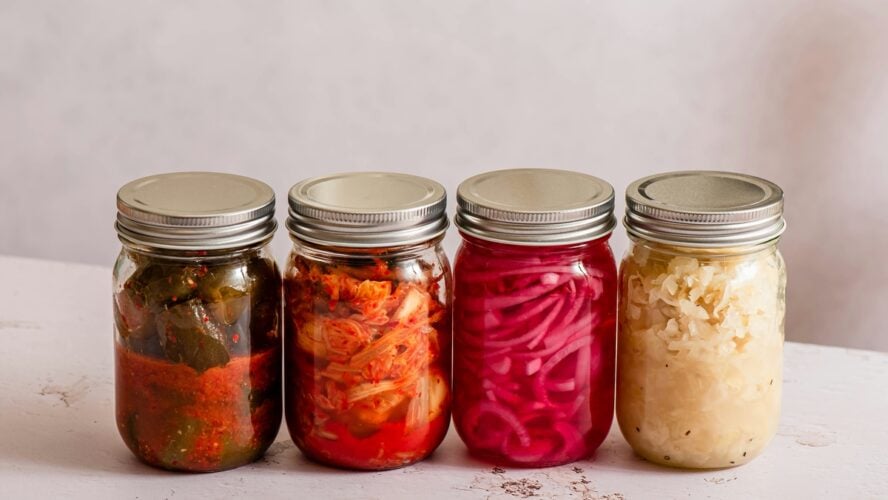
Throughout history, people around the world have relied on the powers of fermentation to preserve food in preparation for times of scarcity. When tiny yeast or bacteria are encouraged to transform natural carbohydrates into organic acids, this extends the shelf life of ingredients like milk, vegetables, or fish, resulting in deliciously funky foods like yogurt, sauerkraut, and fish sauce.
And while the utility and flavor of fermented foods comes as no surprise to the generations of people who have long enjoyed them, modern science is just now catching on to all of the miraculous health benefits of this process. Even better? We’re realizing that the benefits aren’t just for gut health, but for mental health too.
How Does Fermentation Benefit Health?
Fermentation can help synthesize vitamins and minerals, like in the case of the lactic acid bacteria used to make yogurt and kefir. Research shows that by producing biologically active peptides like CLA and removing non-nutrients, these bacteria essentially make milk more nutritious1. This contributes to the health benefits of fermented dairy, which include lowered blood pressure as well as anti-carcinogenic and anti-microbial properties.

Fermented vegetables boast similar health benefits, according to a new research review from Probiotics and Antimicrobial Proteins2. The researchers found that fermented vegetables may be a source of psychobiotics, live bacteria that could play a role along the gut-brain axis. These bacteria boast anti-inflammatory properties and may modulate certain neurotransmitters like serotonin and GABA. According to the researchers, these characteristics — combined with a propensity for enhancing stress response — suggest these tiny microorganisms have massively beneficial effects on mental health.
This makes winter the perfect time to lean into fermentation. First, the season is already a low period in terms of fresh fruits and vegetables, so fermented veg is a great way to hit your fiber needs. Winter also tends to be a low period in terms of mood, with studies showcasing a spike in depression symptoms when days get shorter and temperatures drop3 — and now we know fermented foods may be able to help. As we head into the new year, it’s the perfect time to venture into the delicious world of fermented foods.
Not All Fermented Foods Are Created Alike
As you work on incorporating fermented foods into your diet, remember that not all fermented foods are equal. Harvard experts note that shelf-stable pickles, for instance, are often flavored with vinegar rather than naturally fermented, which means they don’t contain the beneficial probiotics that make these foods so healthful4. The best fermented foods for gut health are more likely to be sourced in the refrigerated aisle, and will likely have the words “naturally fermented” on the label.
Ready to dig in? Here’s a short fermented foods list of five delicious ways to take advantage of fermentation’s benefits in your diet.
1. Make Your Own Sauerkraut
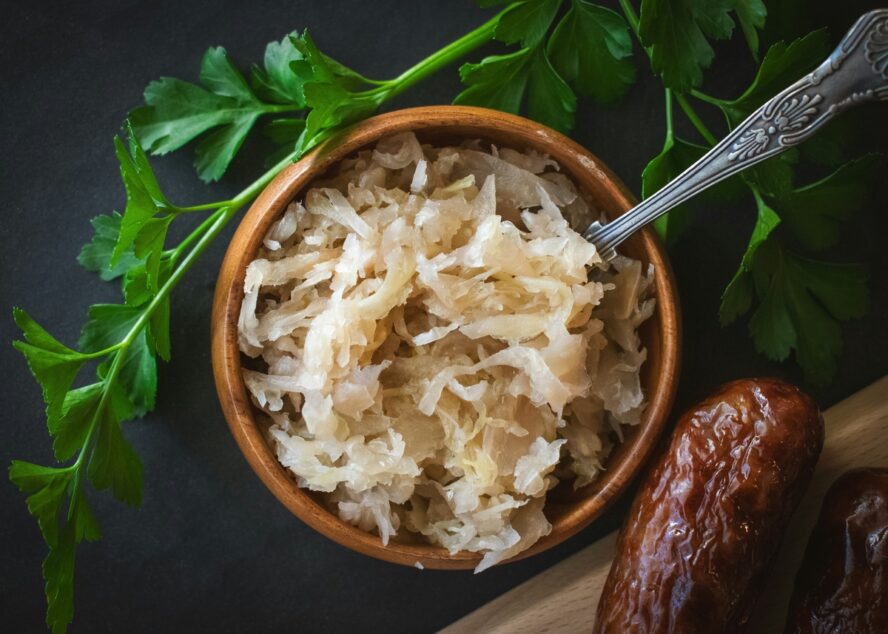
Sauerkraut — literally sour cabbage — is perhaps one of the easiest ferments to make at home. After all, a simple sauerkraut recipe calls for just three ingredients: cabbage, salt, and time. In fact, the answer to how to make sauerkraut mostly centers around sitting around and waiting. In as little as a week, your homemade sauerkraut will be ready to enjoy as a side to grilled meat, on a salad, or just on its own.
If the idea of at-home fermentation is a bit much for you to stomach, don’t worry: 2025 research in Microbiome found that pasteurized sauerkraut provided even more pronounced short-chain fatty acid increases than unpasteurized5. In other words, sourcing a good-quality store-bought sauerkraut is a great option.
To maximize the health benefits of sauerkraut, choose minimally processed krauts, like the pouches from Olive My Pickle. These naturally fermented sauerkrauts come in a range of flavors like red cabbage with ginger or white cabbage with turmeric and cumin.
2. Dig Into Kimchi

Long a staple of Korean cuisine, kimchi has become a real star recently, appearing on the menus of trendy small-plates spots across the globe. There are dozens of different kinds of kimchi — some spicy, some mild, some made with cabbage, others with radish or cucumber. Perhaps the most common is baechu kimchi, made with napa cabbage seasoned with hot red pepper flakes, onion, garlic, ginger, green onions, and fish sauce.
Like sauerkraut, kimchi has been found to have incredible health benefits, with a research review in Applied Microbiology showcasing its beneficial effects for IBS symptoms, weight loss, and enhanced metabolic health6.
Due to its popularity, you can now easily reap the health benefits of kimchi at most grocery stores, with wider varieties available in Asian supermarkets. Enjoy it on its own or in a diverse range of kimchi recipes, from traditional Korean bibimbap to hearty kimchi stews.
3. Sip on Some Kefir
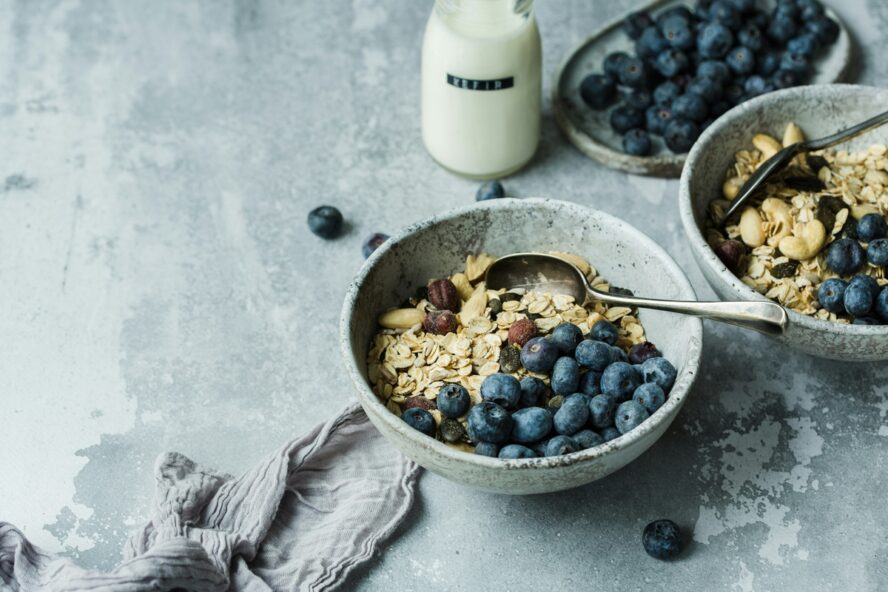
Kefir is a form of fermented milk commonly produced in West Asia and Eastern Europe. It’s made by introducing a base of kefir “grains,” a naturally occurring collection of sought-after bacteria and yeast, to milk. The resulting beverage is runnier than yogurt and boasts an even tangier flavor — and it also delivers a host of health benefits.
One 2021 study in Frontiers in Nutrition found that kefir could help reduce the impact of metabolic diseases including obesity, diabetes, and cardiovascular disorders, not to mention certain neurological disorders7.
Many people drink kefir on its own, which some research shows can diminish unhealthy mouth bacteria, contributing to improved oral hygiene8. But the benefits of kefir can also be enjoyed as an ingredient in other recipes, whether drizzled over your morning oatmeal or blended into a creamy morning smoothie. It adds a naturally tart flavor and rich texture to foods, with the added bonus of boosting gut health.
4. Make Miso Soup
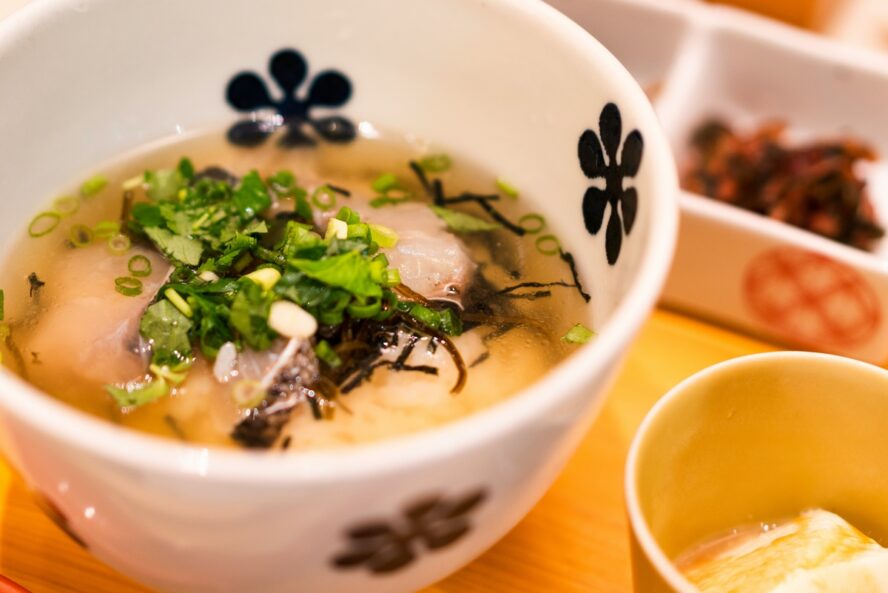
Miso is a fermented soybean paste popular in Japanese cooking that boasts well-documented and wide-reaching health benefits. Research has pointed to a link between miso consumption and improved glycemic control for sufferers of type 2 diabetes9, lower insulin resistance10, and reduced risk of cardiovascular disease11, specifically in women.
Miso paste is available in a range of varieties, from common white miso, also known as shiro miso, to heartier aka miso, or red miso. White miso tends to be sweeter and milder, while red miso is made with a larger amount of soybeans and fermented for a longer period of time for a bolder and stronger taste. Either one boasts an umami-rich flavor that’s a lovely addition to anything from salad dressings to marinades. However, in the colder winter months, there’s perhaps no better way to enjoy it than in a simple, cozy bowl of miso soup.
Reap diverse miso health benefits by starting your day with a bowl of miso soup, adding miso paste to creamy pastas or ramen broths, or even incorporating miso into tahini-based dressings.
5. Get on the Kombucha Train

At this point, kombucha needs little introduction: This fizzy, pleasantly tart fermented tea can be found in the refrigerator aisle of even the tiniest American grocery stores.
Kombucha is made with a base of green tea, which already boasts loads of antioxidant compounds and may even contribute to reduced risk of cancer and metabolic disease. The green tea is fermented with a yeast-and-bacteria SCOBY (Symbiotic Culture of Bacteria and Yeast), which lends loads of probiotic benefits to the resulting drink.
That said, greenwashing has come for this traditional brew, and loads of brands claiming to sell authentic kombucha are marketing nothing more than slightly sweet iced tea. Stick to the refrigerated section for the best chance of getting your hands on a minimally pasteurized kombucha. And when in doubt, choose a murkier booch: This is a sign that the drink has been brewed correctly and still boasts the beneficial bacteria that make it such a great superfood.
Sources:
- https://pubmed.ncbi.nlm.nih.gov/28945458/
- https://pubmed.ncbi.nlm.nih.gov/40402417/
- https://www.nature.com/articles/s44184-025-00125-x#Sec20
- https://www.health.harvard.edu/blog/fermented-foods-for-better-gut-health-201805161607
- https://pmc.ncbi.nlm.nih.gov/articles/PMC11817299/
- https://www.mdpi.com/2673-8007/4/3/79
- https://www.frontiersin.org/journals/nutrition/articles/10.3389/fnut.2021.638740/full
- https://www.news-medical.net/news/20251215/What-drinking-kefir-really-does-to-your-gut-and-oral-microbiome.aspx
- https://www.mdpi.com/2072-6643/13/5/1488
- https://www.sciencedirect.com/science/article/abs/pii/S0168822717319459
- https://www.nature.com/articles/s41430-020-00732-1


