


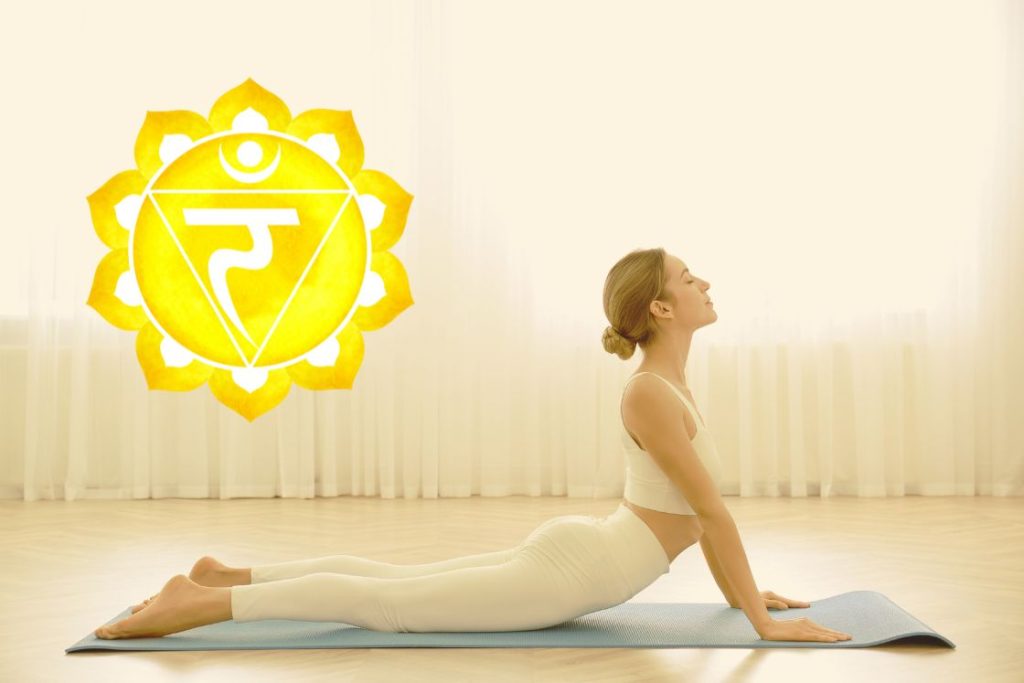
The solar plexus chakra, known as Manipura Chakra in Sanskrit, is the third of the seven main energy centres in the body. It is located in the upper abdomen and is connected with personal power, confidence, and inner strength. When this chakra is balanced, you feel motivated, decisive, and self-assured. Practising yoga poses for the solar plexus chakra can help activate and balance this energy centre by strengthening the core and improving digestive energy.
Location and Characteristics
The Solar Plexus Chakra (Manipura) is located in the upper abdomen, around the diaphragm. It sits a few inches above the navel and just below the chest.
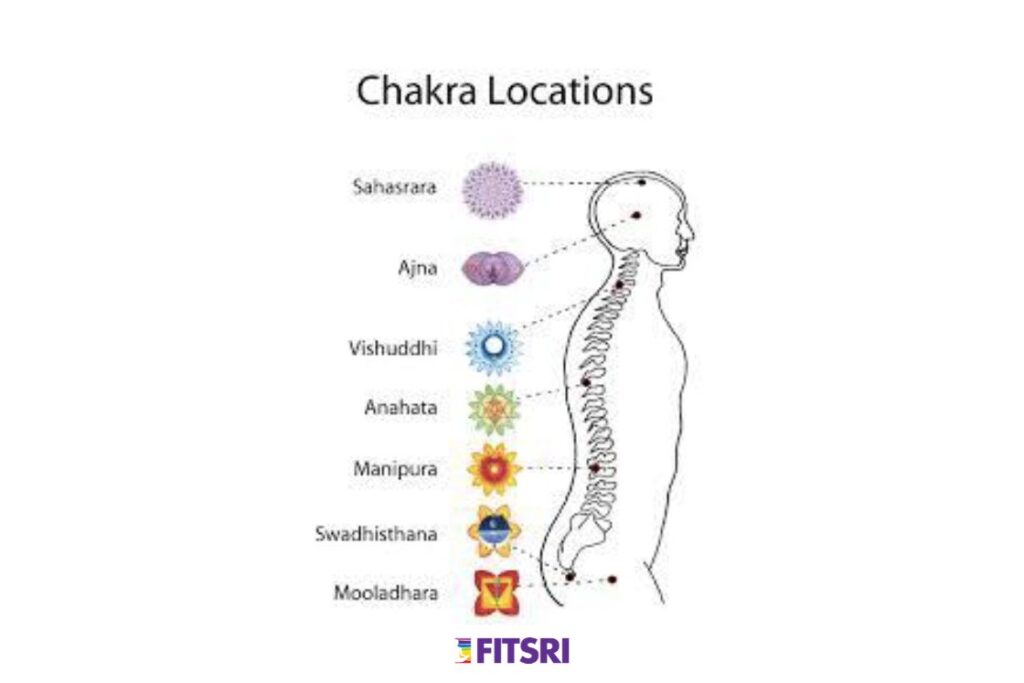
This chakra is represented by the colour yellow and is associated with the element of fire. It governs qualities such as personal power, confidence, self-esteem, and a sense of purpose. When the Solar Plexus Chakra is balanced, you feel confident, motivated, and in control of your life.
The solar plexus area is also considered the core of the body. It contains many important muscles that support posture, balance, and movement. This region also houses key digestive organs that help with digestion, metabolism, and nutrient absorption.
From an Ayurvedic perspective, this area is closely related to Agni (digestive fire). A balanced Agni supports healthy digestion, energy production, and overall vitality.
Signs of Solar Plexus Imbalance
- Low Self-Esteem: a lack of self-confidence and feelings of inadequacy may occur.
- Indecisiveness: It may be difficult to make decisions and question oneself.
- Lack of Motivation: There may be a feeling of stagnation and decreased enthusiasm for life’s things.
- Digestive Problems: Physical symptoms such as stomach pain, indigestion or irritable bowel syndrome may be prevalent.
- Fatigue: There may be a persistent feeling of tiredness or low energy.
- Irritability: There may be increased sensitivity to criticism or a tendency to become easily frustrated.
- Lack of Purpose: A sense of aimlessness or lack of direction in life may be present.
Preparing to Practise Yoga for the Solar Plexus Chakra
Before starting yoga poses for the Solar Plexus Chakra (Manipura), it is helpful to prepare your body and mind. A proper setup allows you to practise safely and get the most benefit from the asanas that stimulate this energy centre.
Below are a few simple steps to prepare for your practice.
Choose a space that’s quiet and free from distractions. Make sure the room is well-ventilated but not too cold. You want to be comfortable while focusing on your yoga for solar plexus chakra practice. A clean and uncluttered environment will help center your mind so you can more easily engage in the exercises you’ll be doing.
Breathing is a critical aspect of any yoga practice. For the Solar Plexus Chakra, try the Nadi Shodhana (Alternate Nostril Breathing) technique. Here’s how to do it:
- Sit in a comfortable position.
- Close your right nostril with your right thumb and inhale through the left nostril.
- Close your left nostril with your right ring finger, open your right nostril, and exhale.
- Now inhale through the right nostril, close it, and then exhale through the left nostril.
- Repeat this cycle for a few minutes.
This pranayama technique can help you focus and prepare your mind for the asanas for Manipura chakra that follow.
Before jumping into the main poses, it’s important to warm up your body. Here are a few simple exercises to get you started:
- Arm Circles: Extend your arms out to the sides and rotate them in small circles for about 30 seconds.
- Twists: Sit or stand straight. Turn your upper body to the left and then to the right, gently twisting your spine. Do this 5 times each side.
- Leg Stretches: Sit with your legs extended forward. Reach for your toes to stretch your hamstrings. Hold for about 15-20 seconds.
A proper warm-up can make a significant difference in your yoga for solar plexus chakra. It prepares your muscles and joints for the more complex poses, reducing the risk of injury.
9 Best Yoga Poses to Balance Your Solar Plexus Chakra
Practising specific yoga poses can help stimulate the Solar Plexus Chakra (Manipura), the energy centre associated with personal power, confidence, and digestion. These poses activate the core region of the body and support balanced energy in this chakra.
Below are nine yoga poses that strengthen the abdominal area, stimulate digestion, and help balance the Solar Plexus Chakra.
1. Cobra Pose (Bhujangasana)
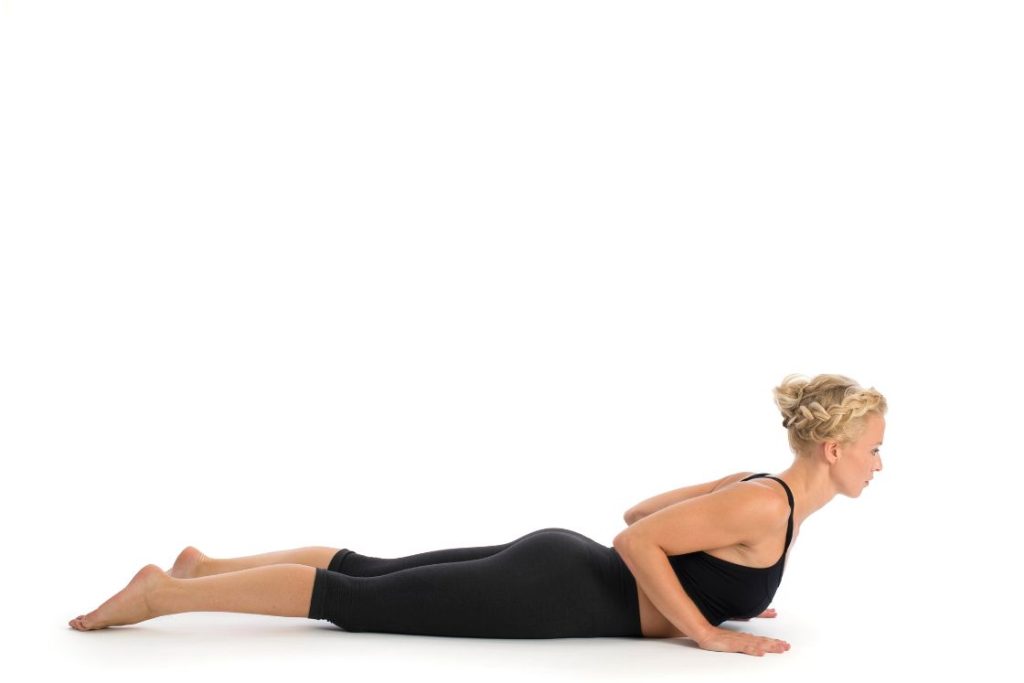
Cobra Pose gently opens and strengthens the abdominal area where the Solar Plexus Chakra is located. This pose activates the core and encourages deeper breathing, which helps release physical and emotional tension connected with this energy centre.
The upward lift of the chest and gaze in Cobra Pose stimulates energy flow around the solar plexus. Regular practice can help build confidence, inner strength, and a stronger sense of self. As a heart-opening posture, it also supports balanced energy and improves body awareness.
Step-by-Step Instructions:
- Start Position: Lie face-down on your yoga mat, feet hip-width apart.
- Hand Placement: Place your palms flat on the mat under your shoulders.
- Lift: As you inhale, press down through your palms and lift your upper body off the mat. Keep your elbows slightly bent.
- Hold and Breathe: Hold this pose for 15-30 seconds while taking deep breaths.
- Release: Exhale as you lower your body back to the mat.
2. Boat Pose (Navasana)
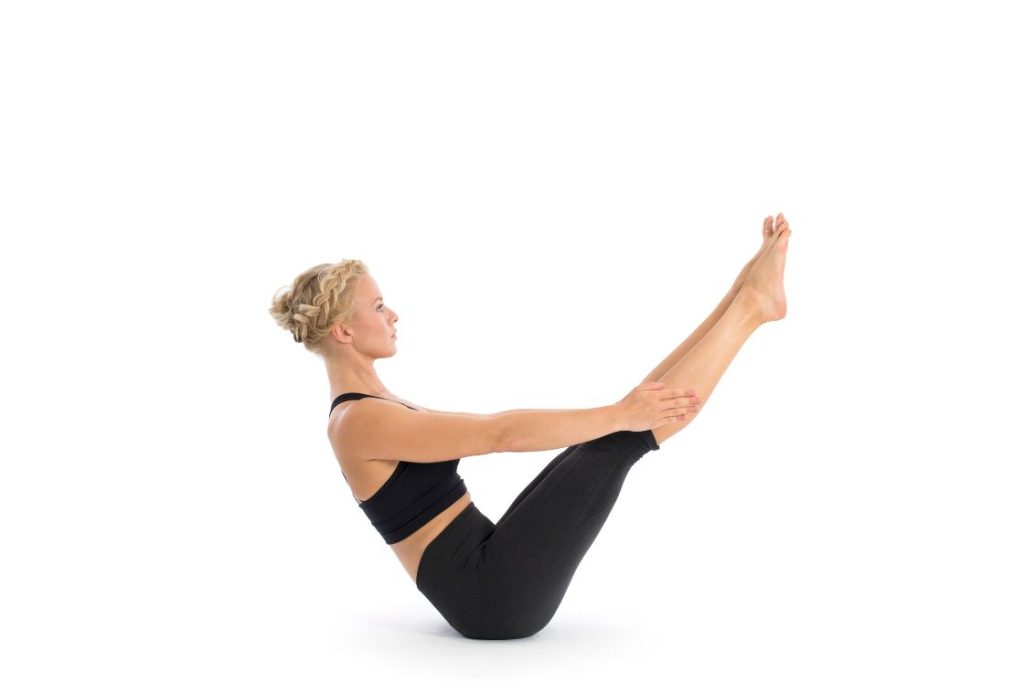
Boat Pose strongly activates the abdominal muscles and brings awareness to the area of the Solar Plexus Chakra (Manipura). This pose builds core strength, which helps stimulate the energy centre associated with personal power and confidence.
Holding the posture requires balance, focus, and controlled breathing. These qualities support mental clarity and strengthen self-confidence. Boat Pose also stimulates the digestive organs, helping improve digestion and overall vitality, which supports balanced energy in the solar plexus region.
Step-by-Step Instructions:
- Start Position: Sit on your mat with your knees bent and feet flat on the floor.
- Balance: Lean back slightly and lift your feet off the ground, bringing your knees towards your chest.
- Arm Position: Extend your arms forward, parallel to the ground.
- Hold and Breathe: Hold the pose for 15-30 seconds, keeping your back straight and breathing deeply.
- Release: Lower your feet back to the mat as you exhale.
3. Warrior I Pose (Virabhadrasana I)
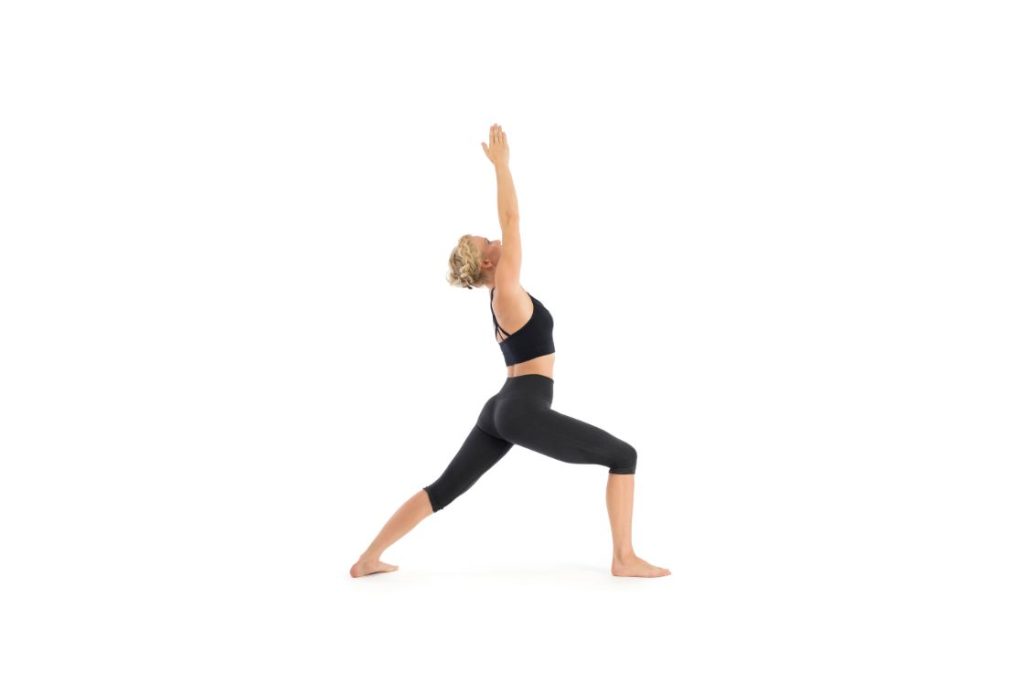
Warrior I Pose is a strong and grounding posture that builds stability and inner strength. It activates the Solar Plexus Chakra (Manipura), which is associated with confidence, determination, and personal power.
Raising the arms upward opens the chest and lengthens the body, encouraging better energy flow through the solar plexus region. The focus and balance required in this pose help develop mental clarity and self-confidence.
Practising Warrior I with slow, controlled breathing helps release tension and supports balanced energy in the solar plexus chakra.
Step-by-Step Instructions:
- Start Position: Stand at the top of your mat, feet together.
- Step Back: Take a big step back with your right foot, about 3 to 4 feet apart.
- Foot Angle: Turn your back foot at a 45-degree angle towards the top of the mat.
- Arm Position: Raise your arms above your head, palms facing each other.
- Lunge: As you inhale, bend your front knee, making sure it aligns over your ankle.
- Hold and Breathe: Maintain this pose for 15-30 seconds while breathing deeply.
- Release: Exhale, lower your arms, and step your right foot forward to return to the start position.
4. Plank Pose with Knee-to-Elbow (Knee-to-Elbow Plank)
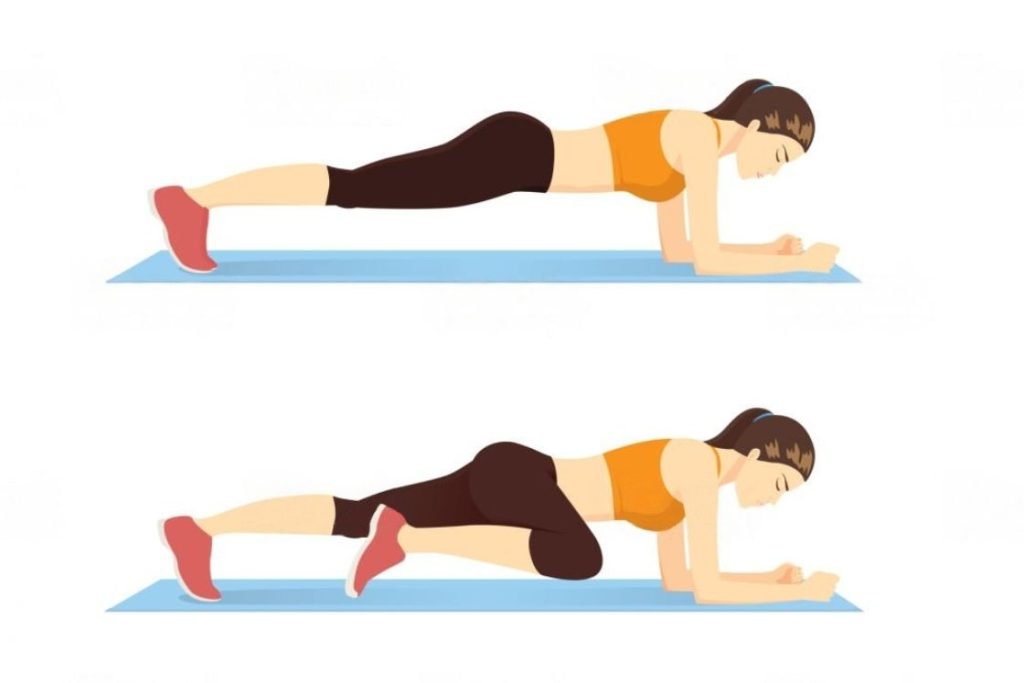
Plank Pose with Knee-to-Elbow strongly activates the core muscles and the abdominal area where the Solar Plexus Chakra (Manipura) is located. This dynamic movement builds core stability and increases awareness in the solar plexus region.
The pose requires focus, balance, and control, which help develop mental clarity and self-confidence-qualities associated with a balanced Manipura chakra. Coordinating breath with movement also helps release tension and encourages a steady flow of energy through this energy centre.
Step-by-Step Instructions:
- Start Position: Begin in a standard plank position, with your hands under your shoulders and your body in a straight line.
- Movement: Lift your right knee towards your right elbow while maintaining the plank position.
- Hold and Breathe: Hold the knee-to-elbow position for 3-5 seconds while breathing normally.
- Return: Straighten your right leg back to the plank position.
- Repeat: Do the same on the left side.
- Sets: Perform 3 sets of 5 repetitions on each side.
5. Reverse Plank Pose (Purvottanasana)
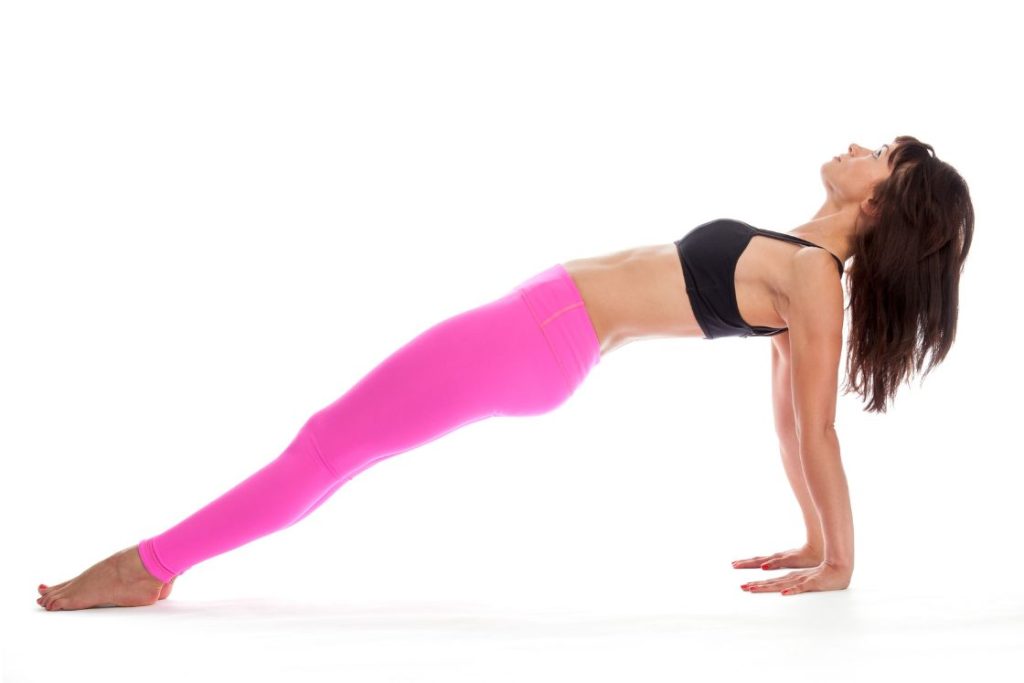
Reverse Plank Pose engages the core, shoulders, and back muscles, helping activate the Solar Plexus Chakra (Manipura). By lifting the hips and opening the chest, this posture encourages strength, stability, and better energy flow through the solar plexus region.
The pose also requires focus and steady breathing, which support mental clarity and inner confidence. Regular practice can help release tension, improve posture, and promote balanced energy in the solar plexus chakra.
Step-by-Step Instructions:
- Start Position: Sit on your mat with your legs straight in front of you.
- Hand Position: Place your palms on the mat behind you, fingers pointing towards your feet.
- Lift: Press down through your palms and feet to lift your hips towards the ceiling.
- Hold and Breathe: Keep your body in a straight line and hold for 15-30 seconds while taking deep breaths.
- Release: Lower your hips back down to the mat as you exhale.
6. Half Lord of the Fishes Pose (Ardha Matsyendrasana)
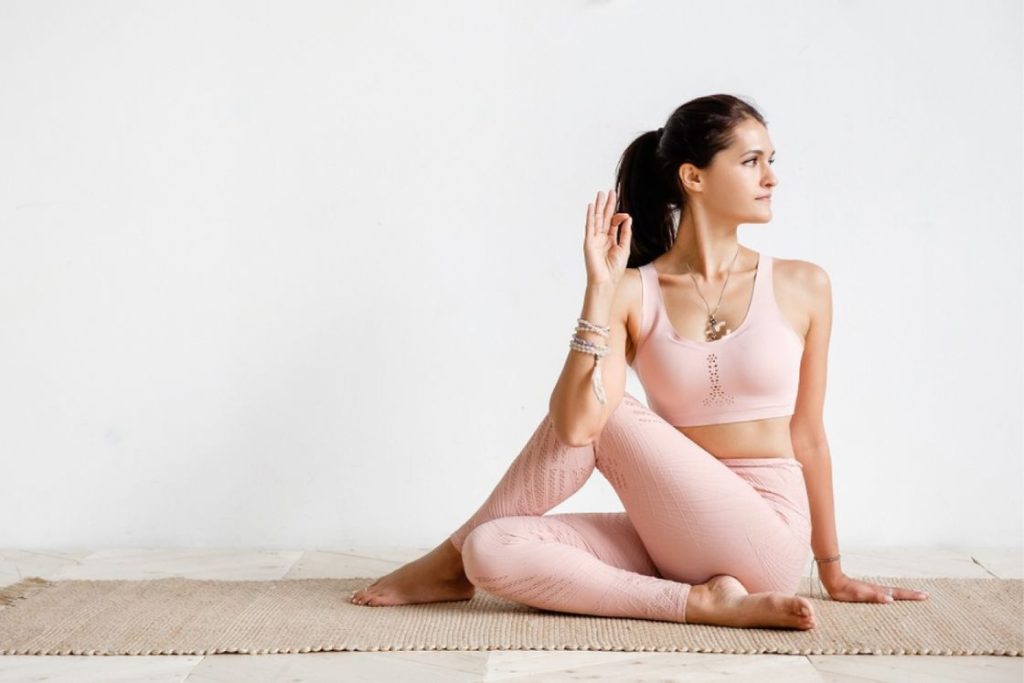
Half Lord of the Fishes Pose uses a deep spinal twist that stimulates the abdominal area where the Solar Plexus Chakra (Manipura) is located. This twisting movement gently compresses and massages the digestive organs, helping improve digestion and overall gut health.
The pose also encourages focus and body awareness. With steady breathing, it helps release tension and supports inner strength, confidence, and balanced energy in the solar plexus region.
Step-by-Step Instructions:
- Start Position: Sit on your mat with your legs straight.
- Bend Knees: Bend your knees and place your feet flat on the floor.
- Foot Position: Slide your left foot under your right leg so that it comes to the outside of your right hip.
- Twist: Place your right hand behind you for support. Inhale and lift your left arm, then exhale and twist to your right, placing your left elbow outside your right knee.
- Hold and Breathe: Hold the pose for 20-30 seconds, breathing deeply.
- Release and Switch: Unwind the twist, straighten your legs, and repeat on the opposite side.
7. Firefly Pose (Tittibhasana)
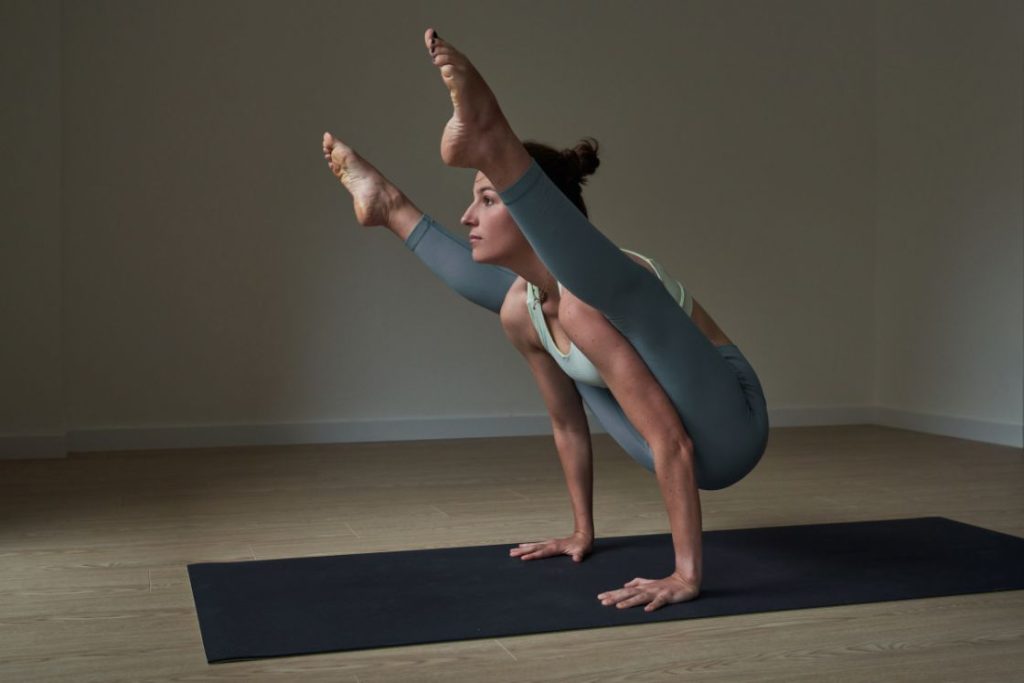
Firefly Pose (Tittibhasana) is an advanced arm balance that strongly activates the core muscles and challenges strength, balance, and focus. Because the Solar Plexus Chakra (Manipura) is connected with personal power and confidence, practising this pose can help stimulate and balance this energy centre.
The posture requires strong core engagement and mental concentration. As you work toward mastering Firefly Pose, it can build inner strength, improve body control, and develop confidence—qualities associated with a balanced solar plexus chakra.
Step-by-Step Instructions:
- Start Position: Begin in a standing position with your feet hip-width apart.
- Squat Down: Lower yourself into a squatting position.
- Hand Placement: Place your hands on the mat between your legs, with your palms down.
- Leg Position: Slide your legs over your upper arms.
- Lift: Use your core strength to lift your feet off the ground, extending your legs straight out in front of you.
- Hold and Breathe: Hold the pose for 5-10 seconds while maintaining deep breaths.
- Release: Gently lower your feet back to the ground and stand up.
8. Arm Balance Scissor Pose (Eka Pada Koundinyasana)
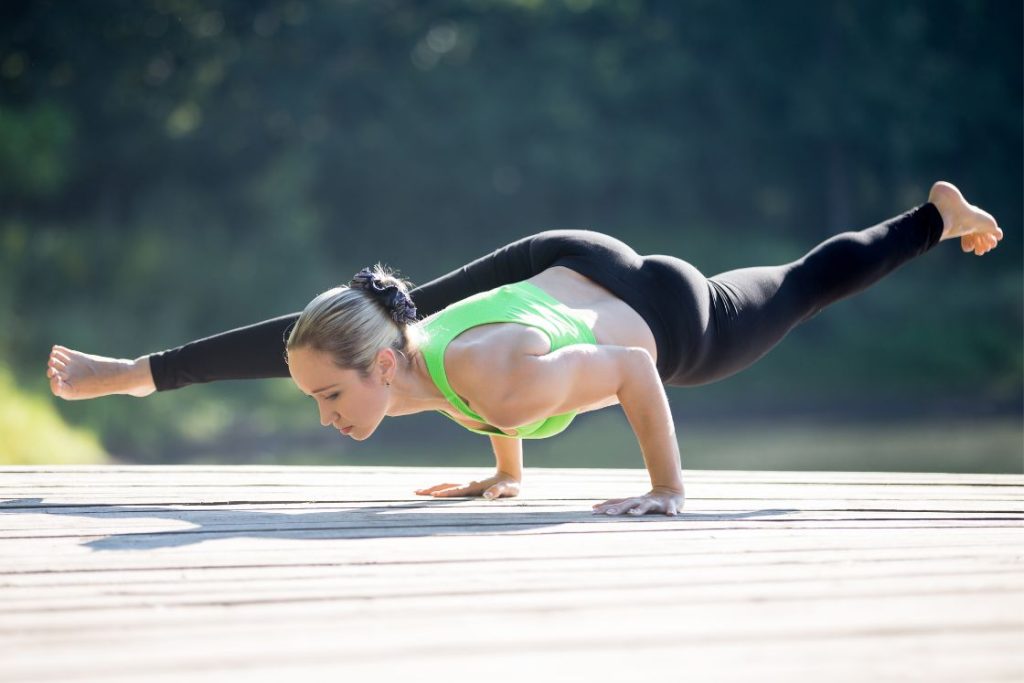
Arm Balance Scissor Pose (Eka Pada Koundinyasana) is an advanced posture that requires strong core engagement, arm strength, and balance. This challenging pose activates the abdominal area where the Solar Plexus Chakra (Manipura) is located.
The pose also demands focus, stability, and body control. Practising it regularly can help build inner strength, confidence, and a sense of personal power—qualities associated with a balanced solar plexus chakra.
Mastering this arm balance improves physical strength and encourages greater awareness of the body’s energy in the third chakra.
Step-by-Step Instructions:
- Start Position: Begin in a Downward Dog position.
- Move to Lunge: Step your right foot forward into a lunge.
- Hand Placement: Place both hands on the mat on the inside of your right foot.
- Twist and Extend: Rotate your right shoulder under your right knee and extend your leg, balancing on your hands.
- Hold and Breathe: Hold for 5-10 seconds while breathing deeply.
- Release: Gently untwist and return to Downward Dog before switching sides.
9. Peacock Pose (Mayurasana)
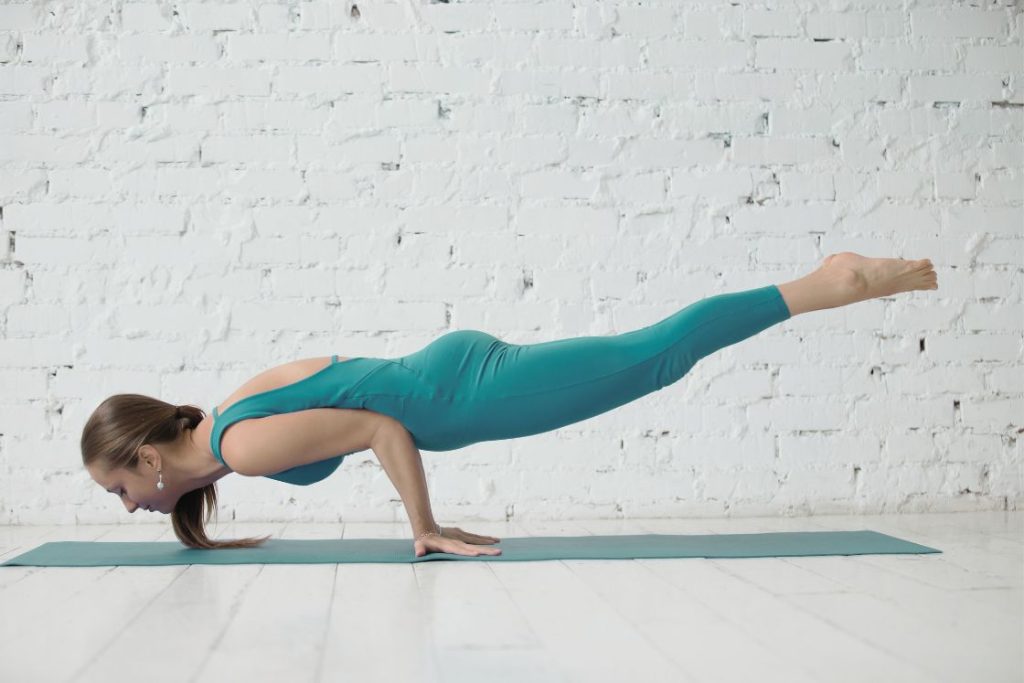
Peacock Pose (Mayurasana) is an advanced yoga posture that strongly activates the abdominal area where the Solar Plexus Chakra (Manipura) is located. This powerful arm balance requires strength, control, and focused awareness.
In this pose, the elbows press into the abdomen, which helps stimulate the digestive organs and improve digestion. This stimulation supports the energetic qualities of the solar plexus chakra, which are connected with inner strength, confidence, and vitality.
Regular practice of Peacock Pose helps strengthen the core, improve balance, and encourage stable energy in the solar plexus region.
Step-by-Step Instructions:
- Start Position: Kneel on the mat and lean forward to place your hands on the ground.
- Arm Position: Keep your elbows close to your abdomen.
- Lean Forward: Lean your upper body forward while lifting your legs off the ground.
- Balance: Balance your body weight on your hands.
- Hold and Breathe: Maintain this position for 5-10 seconds, taking deep breaths.
- Release: Lower your legs and return to the kneeling position.
Tips and Precautions
Before practising these yoga poses for the Solar Plexus Chakra (Manipura), it is important to follow some basic safety guidelines. Proper preparation and mindful practice help you gain the benefits of the poses while reducing the risk of strain or injury.
Support Your Practice with Pranayama
Along with yoga poses, certain pranayama (breathing techniques) can help stimulate the Solar Plexus Chakra (Manipura). These breathing practices increase awareness of the abdominal area and help activate digestive energy, which is closely connected with this chakra.
Some helpful pranayama practices include:
- Kapalbhati Pranayama – stimulates the abdominal organs and strengthens digestive fire.
- Bhastrika Pranayama – energises the body and activates the solar plexus region.
- Nadi Shodhana Pranayama – balances the nervous system and prepares the mind for deeper yoga practice.
Practising these breathing techniques before or after your yoga poses can help enhance the overall benefits of your Manipura chakra practice.
Safety Measures:
- Warm-Up: Begin your practice with a gentle warm-up to prepare your body for the poses.
- Alignment: Pay attention to proper alignment in each pose to prevent strain or injury.
- Physical Limitations: Listen to your body and modify poses as needed, especially if you have any physical limitations or injuries.
- Consult a Doctor: If you have any chronic or severe health conditions, consult your healthcare provider before attempting these poses.
- Pregnancy and Post-Surgery: Pregnant individuals or those who have recently undergone abdominal or spinal surgery should avoid certain advanced poses.
Effective Practice:
- Consistency is Key: Regular practice is more effective than doing a lot in one go. Aim for consistency to get the most out of yoga for balancing Manipura chakra.
- Breath Awareness: Focus on controlled and mindful breathing throughout your practice to enhance its effectiveness.
- Visualization: Visualize a bright yellow light at your Solar Plexus area to enhance chakra activation.
- Affirmations: Use positive affirmations related to self-worth and personal power during your practice.
- Quality Over Quantity: It’s not about how many poses you can do, but how well you can do them. Aim for quality in each asana for Manipura chakra.
Best Time for Practice:
- Morning Hours: Morning is generally the best time for any form of yoga practice, including yoga for solar plexus chakra. The stomach is empty, and the mind is clear, making it easier to focus on the Manipura chakra.
- Evening Calm: If mornings don’t work for you, early evening is another suitable time. Ensure you haven’t eaten at least two to three hours before practicing.
Conclusion:
Practising these yoga poses with awareness can help activate and balance the Solar Plexus Chakra (Manipura). Focus on steady breathing and mindful movement while performing each pose. You may also visualise a bright yellow light in the solar plexus area to support chakra activation.
With regular practice and self-awareness, these poses can help strengthen your core, improve digestion, and develop confidence and inner strength.
FAQs
Balancing the Solar Plexus Chakra (Manipura) through yoga takes consistent practice. Many people begin to notice improvements in energy, confidence, and digestion after a few weeks of regular practice. The key is practising mindfully and maintaining consistency.
Yes, beginners can practise yoga to stimulate the Solar Plexus Chakra. It is recommended to start with simple poses such as Cobra Pose, Warrior I, or gentle core-strengthening postures before moving to more advanced poses.
The Solar Plexus Chakra may become blocked due to low self-esteem, fear of failure, chronic stress, or digestive imbalance. A lack of confidence and difficulty making decisions are also common signs. Regular yoga practice, breathwork, and self-reflection can help restore balance.
Yes, meditation can support the balance of the Solar Plexus Chakra. Focusing attention on the solar plexus area and visualising a bright yellow light can help increase awareness and encourage balanced energy in this centre.
Healthy habits such as regular yoga practice, mindful breathing, balanced nutrition, and maintaining good posture can support the Solar Plexus Chakra. Activities that build confidence and self-discipline may also help strengthen this energy centre.

