


Fall is easily one of the best seasons for produce. Autumn produce is not only colorful, it’s full of flavors and smells that evoke an incredible amount of sensory memory — days of apple picking or choosing pumpkins at the pumpkin patch. And of course, with all those different colors, fall vegetables and fruits are full of nutrients, vitamins, and minerals that make them a pleasure to prepare and serve to your friends and family.
In honor of the beginning of the season, we’re highlighting our favorite fall vegetables and fruits, with guides for buying, preparing, and enjoying the bounty of the season’s harvest.
Sign up for the newsletter to find more healthy recipes.
1. Sweet Potatoes

What could be more autumnal than sweet potatoes? They pair perfectly with autumn spices like cinnamon, cloves, and nutmeg in both sweet and savory dishes. Not to mention, they’re full of fiber and vitamins, especially beta carotene, making them an ideal ingredient for any fall meal.
Choose sweet potatoes that are on the smaller side, which have a creamier texture, as opposed to the larger ones, which tend to be starchy. They should be firm, even in texture, and deeply colored, an indication of the potato’s beta carotene content.
Whether you choose a sweet or savory recipe, be sure to use your sweet potatoes within two weeks of purchase, or else their sugar content can cause them to start to spoil. Try these delicious recipes:
- Easy Risotto Recipe with Barley and Sweet Potatoes
- Vegan Sweet Potato Gratin Recipe with Coconut Milk
2. Winter Squash
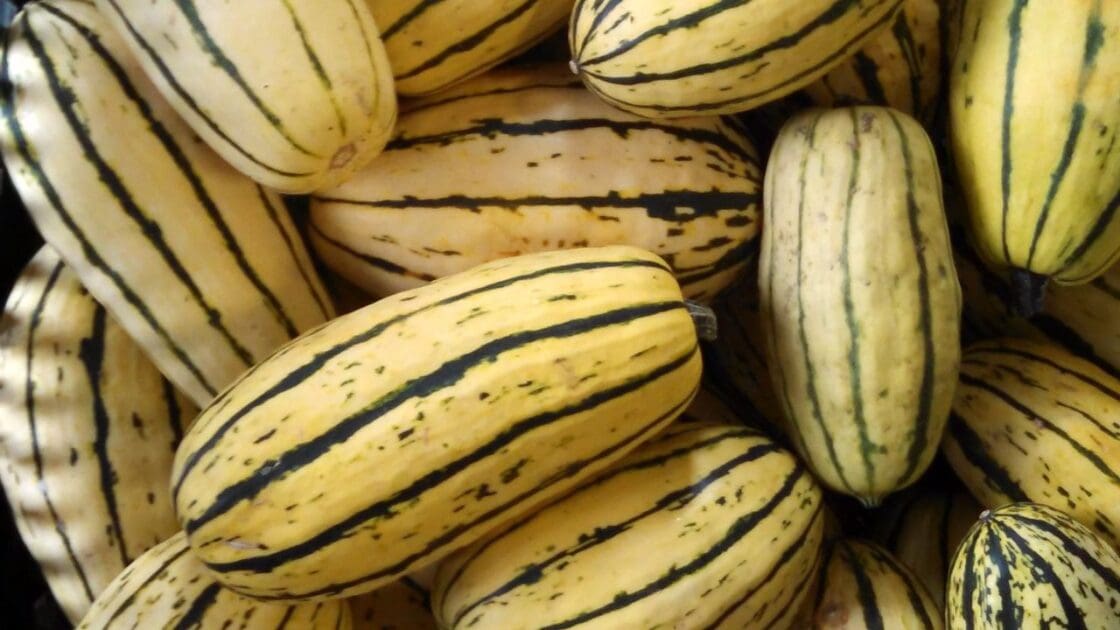
Winter squash’s name may make it seem like we need to wait a few more months to enjoy it, but you can actually start right now. Pumpkin and butternut may be the two most famous members of this family, but don’t neglect other, less-known options like the winter squash varieties.
Choose winter squash that are heavy for their size. They should be rich in color and not have too many pale spots on the skin. The stem should be dry and completely intact. And while shinier squash may be prettier, if you want a perfect, mature squash, then grab one with a dull surface.
Peeling and seeding is a must for most winter squash, though not every squash, like the red kuri squash. Like sweet potatoes, the naturally sweet winter squash is great for both sweet and savory recipes.
- Chocolate Cake Recipe with Winter Squash and a Ginger Chocolate Glaze
- Parmesan Acorn Squash Brown Rice Risotto Recipe
3. Apples
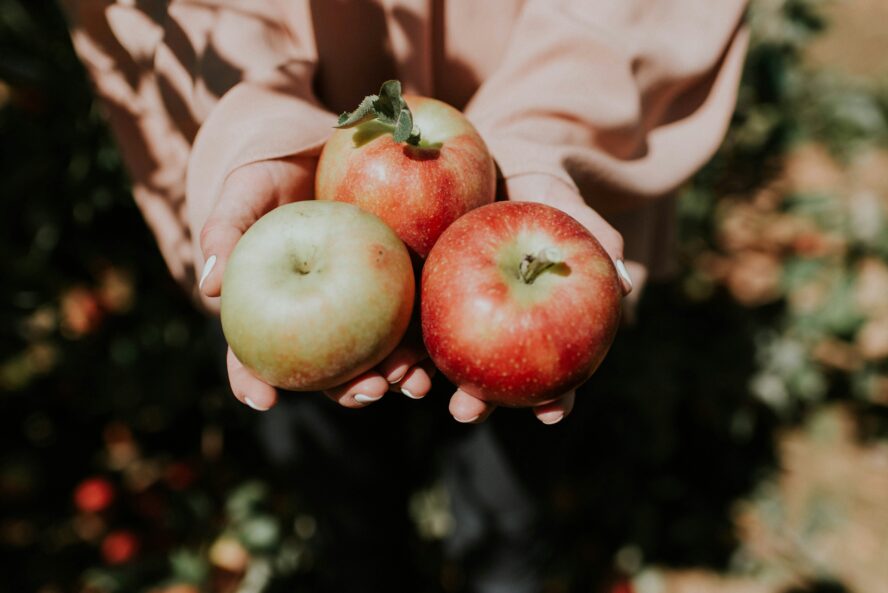
Fall apple picking is a fond memory for many, and it’s no surprise — apples are one of the key elements of the autumn produce cornucopia. They’re juicy and sweet, and they’re full of vitamin C and fiber.
Choose firm, even-toned apples that have a pleasant aroma. Due to the large variety of apples, color is not a great indicator of ripeness, though you should be familiar with the variety you are purchasing and make sure that it adheres to the color expected of the variety.
Apples are an extremely versatile food. Whether you eat them raw, in salads, or cooked in savory or sweet dishes, they’re a delicious and nutritious addition. Whatever way you choose to use them, be sure you store your apples properly. Here are just a few of our favorite recipe ideas:
- Wintery Quinoa Salad Recipe with Butternut Squash, Cabbage and Apples
- Emerald Salad Recipe with Pickled Berries, Caramelized Apples, Irish Cheese and Smoked Mustard Vinaigrette
- Homemade Applesauce
4. Persimmons
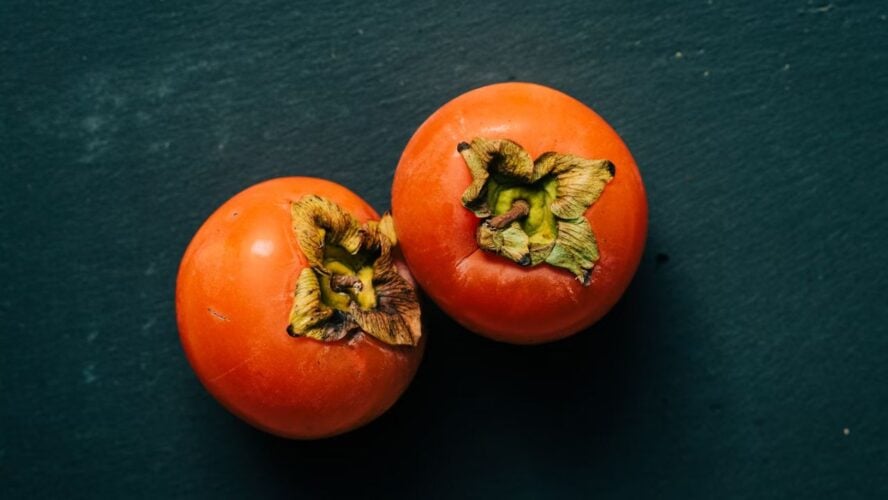
Persimmons may not be as familiar a fall fruit as apples, but they’re just as tasty and healthful. There are two main types of persimmon: custardy persimmons like hachiya and astringent varieties like fuyu. Within those two main categories are many different individual varieties.
Choosing persimmons depends largely on the variety you are purchasing. A sweet persimmon will resemble an apple in texture when ripe, whereas an astringent persimmon will be soft and may even have dark or black skin. This guide to choosing persimmons is quite useful, depending on which variety you are purchasing.
Use sweet persimmons raw or cooked, sliced into salads or baked into tarts. Astringent persimmons are perfect in pudding-like desserts. Here are some recipes to give you a few ideas:
5. Beets
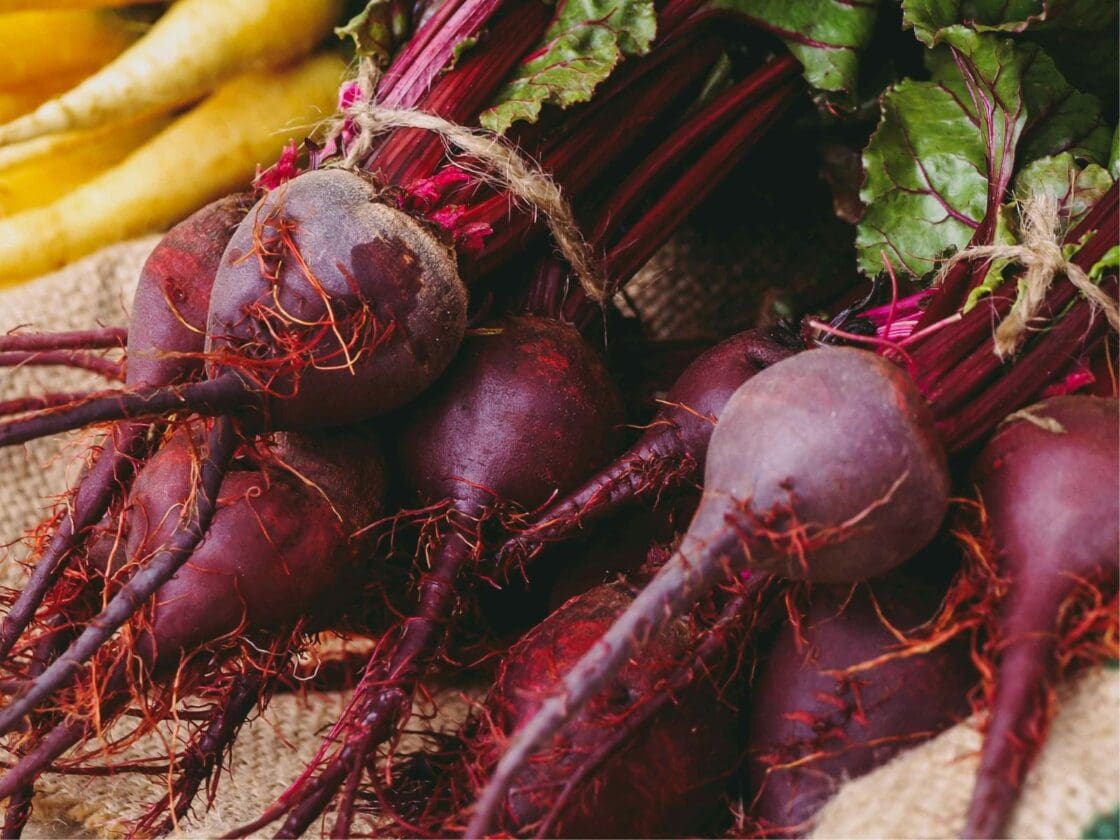
Beets are a perfect superfood for their healing powers and amazing combination of nutrients. They have bright colors, taste earthy and slightly sweet when in season. Many choose to pickle beets when they’re in season in order to enjoy them all winter long.
Choose beets that are heavy for their size and have smooth, even, blemish-free skin. Choose beets with their tops still on whenever possible — the greens are a great indicator of freshness, though remove them before storing.
You can prepare beets in a number of ways. Traditional recipes often call for pickling, boiling, and steaming them, though many contemporary recipes rely on roasting them to bring out their natural sweetness. Peel beets before cooking, or simply slice and serve them raw in salads. Consider combining several varieties like candy-striped chioggia, yellow, or long crapaudine beets for a great pop of color on the plate. Here are some recipes to give you a few ideas.
6. Mushrooms
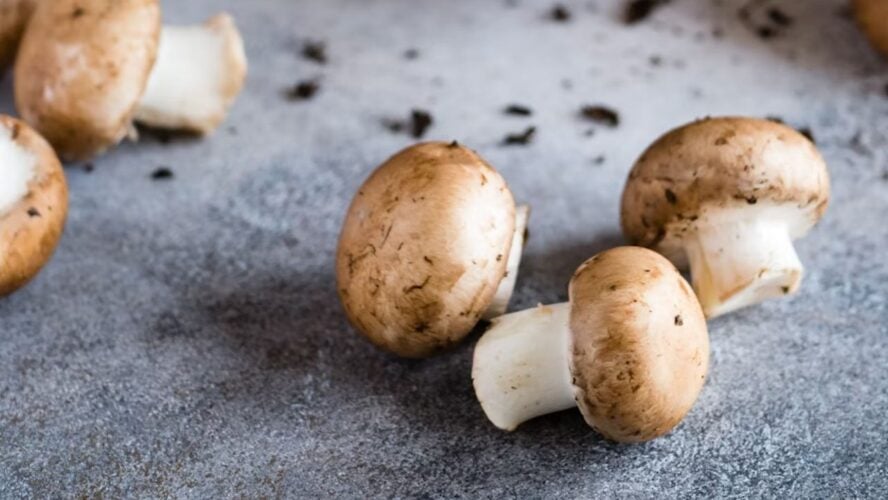
While you can find mushrooms all year round, fall is technically mushroom season and is the best time to track down your favorite wild varieties. These can vary depending on the region where you live, but they may include chanterelles, hen of the woods, or lobster mushrooms.
When choosing mushrooms, you’re walking a fine line between dry and slimy. Mushrooms should be a bit damp to the touch but not wet, with stems that are still quite fresh and not too woody.
Serve mushrooms either cooked or raw. To prepare them, trim off any dry or woody portions and brush them clean with a towel. Try to avoid submerging mushrooms in water or risk them becoming soggy; you can rinse them if needed, as long as you pat them dry. Here are a few of our favorite mushroom recipes:
- Cheesy Grits Recipe with Sautéed Mushrooms and a Poached Egg
- Easy Weeknight Veg Supper: Spaghetti Squash with Mushrooms, Pine Nuts, Arugula & Caramelized Onions
- Easy Lion’s Mane Mushroom Recipe: Pasta with Parm, Fresh Herbs, & Peas [Video]
7. Pomegranate
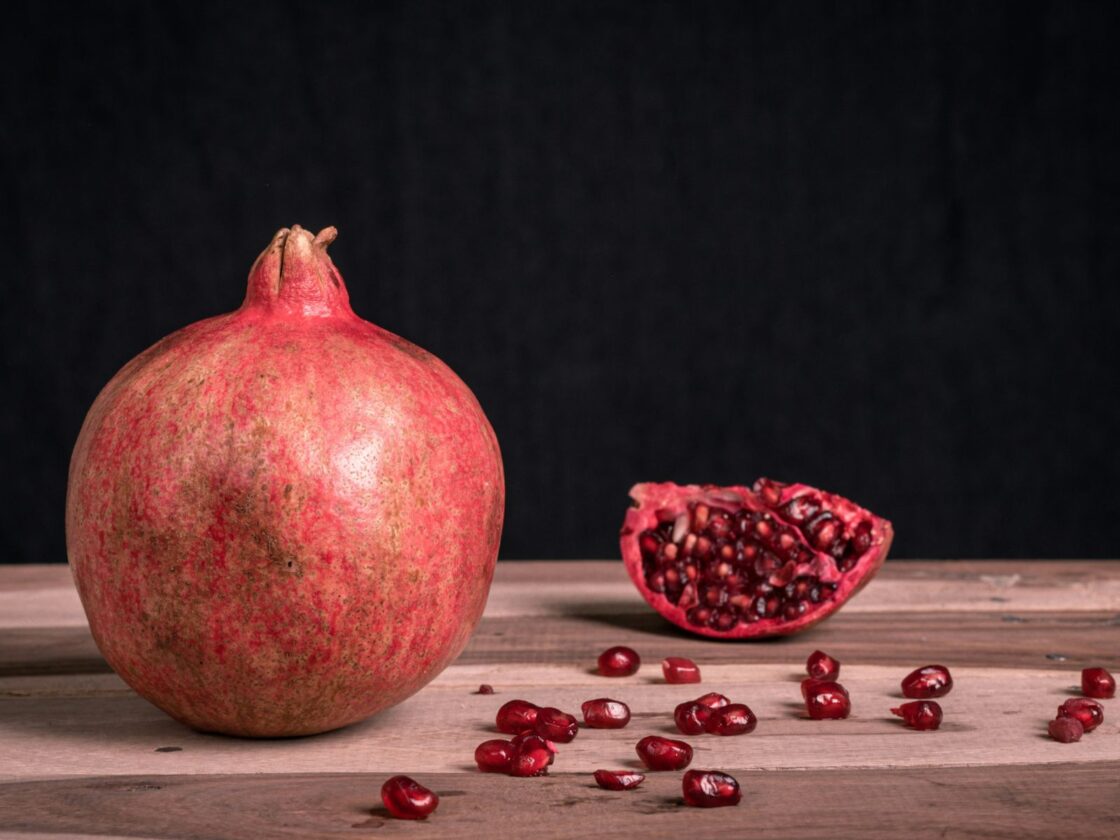
Pomegranates, with their bright pink or red arils, are at their peak in fall. This fruit is unique because you eat the seeds, and you throw away the surrounding pith. Pomegranates’ antioxidant properties have made them a popular superfood, and their sweet, slightly acidic flavor makes them a welcome ingredient in fall recipes.
Choose pomegranates that are heavy for their size with unblemished skin. Don’t worry too much about how dark the skin is, as this isn’t necessarily an indication of ripeness, but you do want a deep color, be it pink, red, or mauve.
Remove pomegranate arils from the fruit by cutting it in half or in quarters and removing them in sections. Many people have special techniques for removing pomegranate arils, including Jamie Oliver, who prefers a “bashing” technique, and Elise of Simply Recipes, who makes use of a bowl of water to help separate the arils from the membranes. Remove the arils and use them in all sorts of recipes:
- Light Coleslaw Recipe with Pomegranate
- Turnip Soup with Pomegranate and Walnuts
- Pomegranate Poached Pears
Read More on Organic Authority
3 Things You Need to Know About Washing Produce (Even the Pre-Washed Stuff)
7 Delicious New Cookbooks to Fall for This Autumn
5 Wonderfully Weird Fall Vegetables You’re Going to Love
The post 7 Fall Vegetables and Fruits We Love Right Now appeared first on Organic Authority.

