


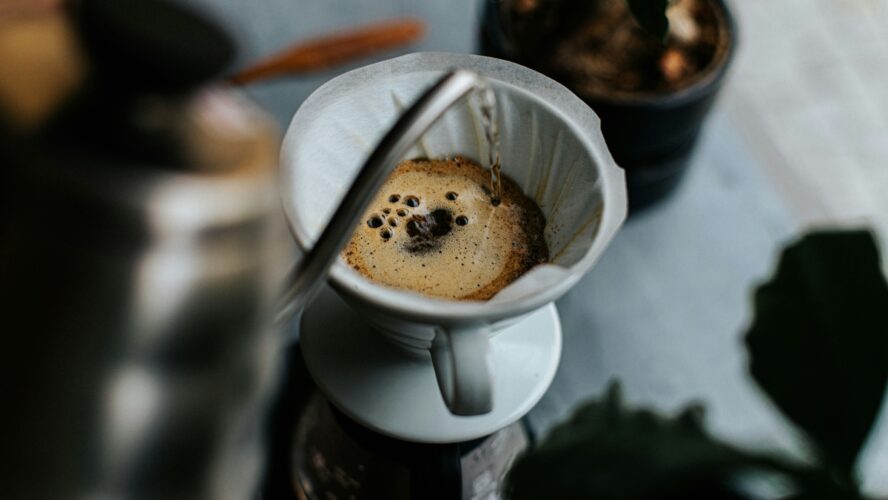
Most people opt for decaf coffee as an effort to reduce their caffeine intake and lead a healthier life. But what they don’t realize is that they may also be increasing their risk of consuming dangerous chemicals. According to the National Coffee Association, the caffeine in most decaf is removed with methylene chloride, a chemical also used to strip paint and degrease metal1. We know, it’s not exactly appetizing.
But coffee drinkers looking for all the flavor without the buzz (or the carcinogens) can still find top-notch decafs that don’t rely on chemicals. There are gentler coffee decaffeination methods that don’t use methylene chloride. These methods aren’t just better for your health and the planet — they also may be paving the way for tastier, healthier decaf coffee with better-preserved antioxidants and a fuller aromatic profile.
How Is Traditional Decaf Coffee Made?
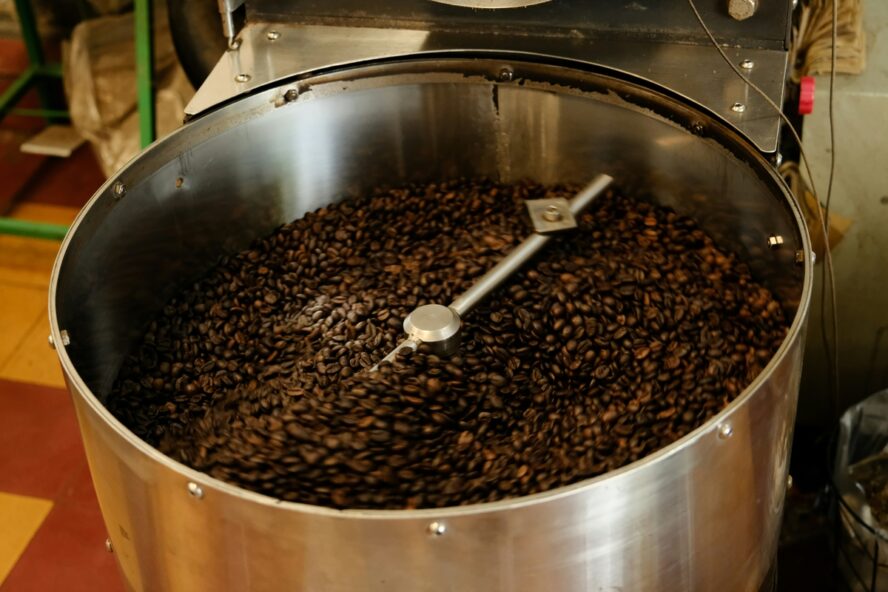
Most decaf coffee is made using the so-called European Method, a process in which methylene chloride acts as a solvent and is added to the beans to help strip away the caffeine. A known carcinogen since 19762, methylene chloride has been shown to have adverse effects on both the liver3 and heart4. It was first banned for use as a paint stripper by the EPA in 2019 due to its toxicity. Then in 2023, after identifying it as a neurotoxicant, a carcinogen, and an “unreasonable risk to human health,” EPA5 proposed a ban on the chemical for all consumer, industrial, and commercial uses6.
But for the FDA, it’s another story. Despite the actions taken by its sister agency and a 2024 petition from advocacy groups calling for a ban on the chemical for use in food7, methylene chloride continues to be a permissible means of decaffeinating coffee for human consumption.
The agency — and industry groups — argue that decaf coffee is totally safe. While they don’t deny the toxicity of the chemical itself, they claim that processing methods mean that the methylene chloride totally evaporates during the steaming, washing, and roasting process. But the toxicity of any residue remains concerning to experts.
The Potential Health Risks of Traditional Decaf
“In addition to being carcinogenic, methylene chloride can cause other health harms, such as liver toxicity, and at higher exposures, neurological effects, and in some cases death,” says Dr. Maria Doa, senior director of chemical policy for the Environmental Defense Fund7. The EDF is one of five groups behind a couple of food and color additive petitions sent to the FDA in November.
Dr. Doa cites growing information regarding the dangers of methylene chloride as just one major reason we should be concerned. “This information as well as more recent information on how much coffee we drink — just consider the different sizes now available at coffee shops — are key to developing a current picture of how much of a risk the residual methylene chloride could present,” she told CNN.
As is often the case, California is at the forefront of banning the use of methylene chloride in decaffeinating coffee. Bill AB2066 was introduced in 2023, and if passed, the chemical would be banned for use in food and food processing by 2027. But elsewhere, we have a long way to go.
Healthier Decaf Alternatives Do Exist
Luckily, the European Method isn’t the only way to decaffeinate coffee. The Swiss Water Process is one notable alternative becoming popular with artisan coffee makers looking to provide a safer, healthier decaf option. This method sees the beans soaked in warm water baths, removing both the caffeine and the flavor of the beans. The water is then run through an activated charcoal filter, which grabs and removes the caffeine molecules. Finally, the beans are soaked in the decaffeinated water to reabsorb their own flavor.
Another alternative method is to use liquid carbon dioxide at high pressure to draw out and dissolve the caffeine. This method, according to French coffee company Belco, helps preserve the quality and identity of the coffee8 — and that’s essential when it comes to decaf. After all, changes in the chemical composition of coffee can have other negative repercussions when it comes to flavor. And while these repercussions may be less of a health hazard than a carcinogenic solvent, for coffee lovers, they’re nearly as important.
Maintaining Decaf’s Coffee Properties
Other than minimizing the levels of caffeine, the process of decaffeinating coffee can also reduce levels of chlorogenic acids. According to Dr. Maria Panagiotidi, author of the Substack Decaf Before Death, these acids are crucial for coffee’s beneficial antioxidant properties. While water-based processes typically preserve more of these acids than solvent-based methods, any decaf coffee will contain less of them.
Another issue is the reduced aromatic potential of decaf. Changes to the beans’ chemical composition during the decaffeination process can mute coffee’s flavors and aromas, Dr. Panagiotidi explains, notably changing the way the beans roast. Typically, decaf will darken more quickly on the outside, all the while taking more time to develop internal flavors.
To combat this, experts are currently testing methods to improve the taste and quality of decaffeinated coffee. One study from Indonesian Hasanuddin University found that adding purple sweet potato and passion fruit pulp to re-ferment coffee after Swiss Water Process decaffeination could further reduce caffeine levels, increase chlorogenic acid, and maintain total acid content9. This suggests that this process may be used to improve both the flavor and health benefits of decaf coffee. A similar process tested by researchers from the same university saw that watermelon rind could also be used to improve flavors and reduce caffeine content10.
The Best Decaf Coffee Brands
If you’re looking for good-quality decaf, there are a number of brands out there doing things cleanly — and thanks to the Clean Label Project, they’re easy to find. The Project’s Check Your Decaf tool offers a way to easily see what decaffeination method various brands use.
If you can’t find great-quality decaf near you, or if you’re looking for a less processed alternative, coffee-like drinks made from mushrooms, chicory, or dandelion root are having a moment on the modern marketplace. While they won’t offer the same kick as coffee, they may scratch the itch for something comforting and delicious without the added buzz.
Sources:
- https://www.aboutcoffee.org/beans/decaf-coffee/
- https://www.cdc.gov/niosh/docs/86-114/default.html
- https://www.ncbi.nlm.nih.gov/books/NBK599465/
- https://pmc.ncbi.nlm.nih.gov/articles/PMC11628245/
- https://www.epa.gov/chemicals-under-tsca/epa-finds-methylene-chloride-poses-unreasonable-risk-human-health
- https://www.trihydro.com/news/news-details/epa-methylene-chloride-ban
- https://edition.cnn.com/2024/04/04/health/decaf-coffee-methylene-chloride-cancer-wellness
- https://www.belco.fr/blog/cafe/decafeination-cafe-co2
- https://iopscience.iop.org/article/10.1088/1755-1315/807/2/022069/pdf
- https://iopscience.iop.org/article/10.1088/1755-1315/1230/1/012174/pdf


