



Late last month, the EPA approved a new “forever chemical” pesticide for use on food crops. Isocycloseram is a member of the infamous perfluoroalkyl and polyfluoroalkyl substances (PFAS), a group of highly persistent compounds that have been linked to hormone disruption and an increased risk of cancer.
PFAS are also known as ‘forever chemicals’ because they’re bioaccumulative, binding to proteins in the blood, liver, and kidneys — not to mention in water sources and in the soil. Isocycloseram in particular has been associated with male reproductive issues like reduced testicle size and lower sperm count1. Despite these concerning links, the compound has now been approved for use by the EPA on food crops like oranges, tomatoes, almonds, peas, and oats. The chemical can also be used to treat golf courses and lawns.
Approval on a Technicality

On November 26, the EPA published a news release framed as a “fact check” to justify their approval of the pesticide in question2. The release focused on the fact that as a single fluorinated compound, Isocycloseram does not technically fall under the 2023 EPA PFAS definition established during the Biden administration. While this may be the case, it’s a loophole at best — the Organisation for Economic Co-operation and Development defines PFAS as “fluorinated substances that contain at least one fully fluorinated methyl or methylene carbon atom3.”
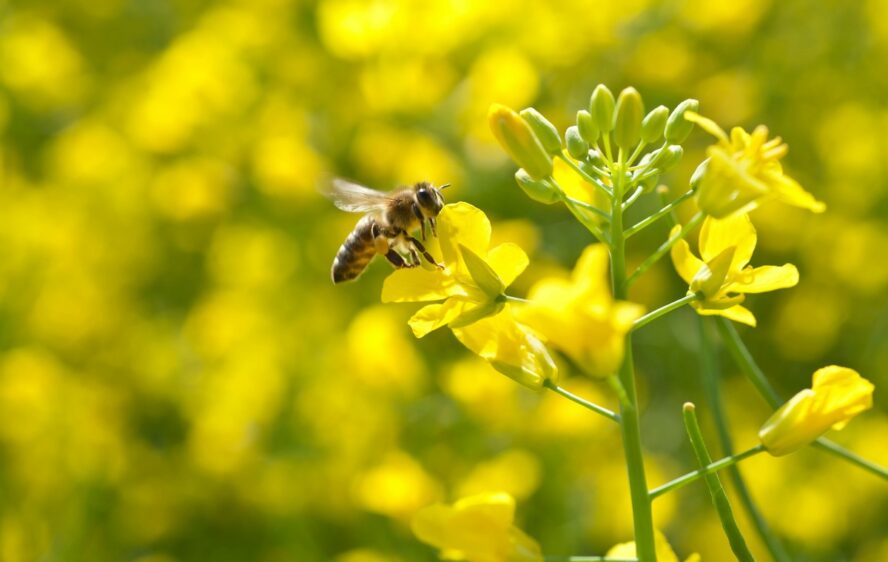
Technicalities aside, Isocycloseram can be categorized as moderately pervasive, with a half-life of over three years4. Moreover, it is known to transform into 40 smaller PFAS chemicals like trifluoroacetic acid, which is exponentially more persistent than Isocycloseram. And like many PFAS-containing pesticides, Isocycloseram is also highly toxic to bees and other pollinators.
A Concerning PFAS Pesticide Pattern
Isocycloseram is the second PFAS pesticide to be approved since Trump took office, following cyclobutrifluram, which earned approval just two weeks before. And in more concerning EPA PFAS news, the administration has plans to approve three more toxic pesticides containing forever chemicals in the coming year.
“To approve more PFAS pesticides amid the growing awareness of the serious, long-term dangers from these forever chemicals is absurdly shortsighted,” said Nathan Donley, environmental health science director at the Center for Biological Diversity. “The undeniable reality is that the Trump administration is knowingly putting the nation’s children at greater risk of developing serious reproductive and liver harms for generations to come.”
Sources:
- https://downloads.regulations.gov/EPA-HQ-OPP-2021-0641-0015/content.pdf
- https://www.epa.gov/newsreleases/fact-check-epa-debunks-false-claims-agency-recently-approved-forever-chemical
- https://pmc.ncbi.nlm.nih.gov/articles/PMC10827356/
- https://cen.acs.org/environment/pesticides/4-new-pesticides-ignite-debate/103/web/2025/06


