



There’s no escaping protein mania these days. Every nutrition influencer worth their stripes is crowing about the health benefits of cottage cheese and beans. These days, even the dairy industry is driven not by cheese sales, but whey sales1. According to NielsenIQ, sales of products labeled as protein-rich grew an impressive 4.8% in volume between March 2024 and March 20252.
But while there are certainly benefits to bulking up your plate, there could also be consequences. According to a new study in Science of Food, this obsession with protein may be a detriment to the diversity of your gut microbiome3. In the new study, researchers found that mice eating a high-protein diet significantly changed their gut microbiota in just eight weeks, with the beta-diversity of gut microbiota decreasing “significantly.”
This stems not just from increased protein consumption, but also from what tends to fall by the wayside: fiber. Most high-protein or high-fat diets like keto unfairly demonize carbohydrates, which can affect your body in unexpected ways. Carbs aren’t just an essential energy source, they’re also some of the best sources of gut-healthy fiber. And since nearly all Americans are deficient in this essential nutrient, it’s contributing to a host of new health woes4.
It’s Time to Stop Demonizing Carbs — Your Gut Needs Them
Folks championing protein or fat at the expense of carbohydrates may not see the negative repercussions of their dietary choices at first, experts note.
“I see this often in practice,” says Kathleen Benson, CSSD, CPT, RDN at VNutrition. Time and again, she shares, clients have followed Instagram wisdom to up protein and cut carbs, reporting that their gut troubles have faded almost immediately.
“But that short-term relief isn’t because carbs are ‘bad,’ she cautions. “It’s because they’ve stopped feeding the parts of the microbiome that may be out of balance.”

She cites one particularly common example: those who believe themselves to be gluten intolerant but have no problem with sourdough bread, which is pre-fermented and thus easier to digest.
“When someone reacts to many wheat products but can eat sourdough without symptoms, it is a strong clue that the issue is not gluten but the fermentable carbohydrates in the grain,” she says. “This kind of detective work can help people understand what their gut actually struggles with instead of labeling it as a gluten intolerance.”
The Benefits of a High-Fiber Diet
This understanding is essential if you want to keep your gut microbiome healthy and diverse. Researchers found that mice fed a high-fiber diet saw improved gut microbial diversity and promoted better pathways of tryptophan, galactose, fructose, and mannose metabolism, each of which are associated with different gut microbiota. On the flip side, reducing daily fiber intake can have major negative health repercussions.
“We also know that fiber intake is one of the most protective factors for digestive health and colon cancer risk,” says Benson. “Low fiber intake doesn’t necessarily cause colon cancer, but it is a known risk factor. When someone increases protein but doesn’t maintain or increase fiber, the microbiome can shift in ways that work against long-term gut health.”
A Balanced Approach to Protein Consumption

All this isn’t to say that protein isn’t important — far from it. Females in particular can benefit from increased protein consumption, according to Dr. Serena Goldstein, who notes that upping protein can help encourage hormone balance.
“For post-menopausal women, additional protein can be great too for blood sugar issues and bone health, to name a few,” she explains.
But according to Benson, most Americans don’t actually need to focus quite so intentionally on upping their protein intake. “Some people may benefit from adding more protein, especially high-quality lean sources, but most Americans meet their baseline protein needs,” she says.
How to Improve the Quality of Our Protein Intake
Despite the fact that we may already be meeting baseline protein needs, our relationships with protein are nowhere near perfect. For Benson, most of us would do well to focus not on how much we’re having, but when we’re having it.
“Many don’t distribute protein well across the day,” she says. “Breakfast tends to be very low in protein, while dinner can be disproportionately high.”
And for Goldstein, the quality of our protein sources is paramount. “I would focus more on the source and quality of protein consumption,” she says. She notes that certain protein sources like beans and legumes do offer some fiber, which makes it easier to support a balanced diet.

“Many people would see just as much benefit by improving fiber intake while still meeting their protein needs,” adds Benson. “Diet culture tends to hyperfocus on a single nutrient, but overall balance is what drives health outcomes.” In other words, despite the title of this very article, there’s no need to make the discussion center around fiber vs. protein — the answer will always be both.
How to Care for Your Gut Microbiome
If you want to ensure you’re not sidelining your gut in your pursuit of gains, it’s not that hard to up your fiber intake with just a handful of intentional changes.
“One of the most effective starting points is simply increasing plant variety,” suggests Benson. “This can include fruits, vegetables, whole grains, nuts, seeds, herbs, and legumes. Each plant offers a slightly different type of fiber or carbohydrates, and that diversity is what helps support a more resilient microbiome over time. Even adding just two to three new plant foods per week can make a notable difference.”
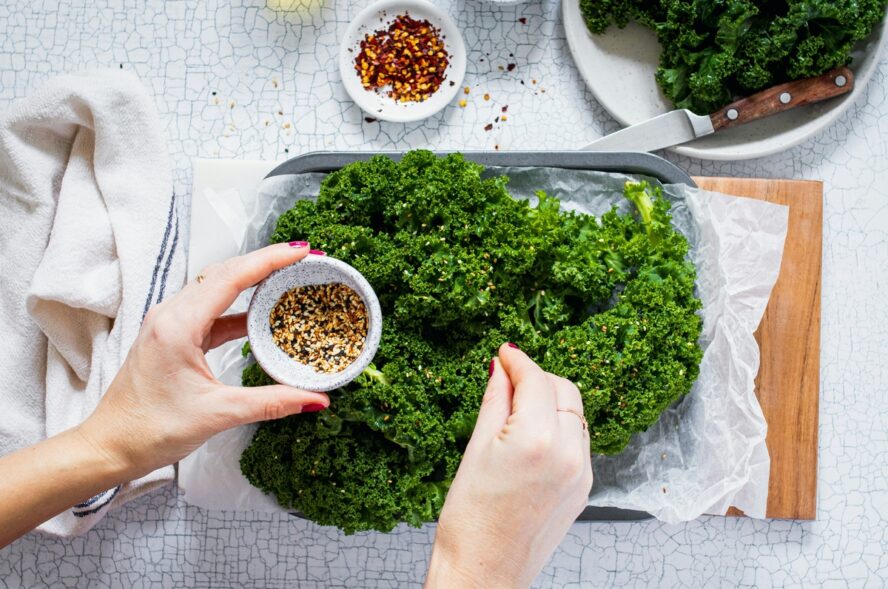
Goldstein agrees, noting that boosting fiber intake — and gut health on the whole — is often a simple question of adding a few extra servings of high-fiber foods like leafy green vegetables to your day, increasing water intake, spending time outside, and taking the time for mindful breath exercises.
Of course, it’s not just about maximizing foods high in fiber or protein. Above all, experts recommend paying close attention to your own body. “This is very individual,” says Benson. “Two people can eat the same amount of protein and fiber and have very different responses.”
Sources:
- https://www.nytimes.com/2025/07/16/business/whey-protein-dairy-industry.html
- https://www.bbc.com/news/articles/c20zk35ypxno
- https://www.nature.com/articles/s41538-025-00575-9#Sec2
- https://www.heart.org/en/news/2022/01/27/sound-the-fiber-alarm-most-of-us-need-more-of-it-in-our-diet


