


During cold and flu season, vitamin C becomes the star of many medicine cabinets and pantries. This powerful micronutrient has proven itself to be vital for immune support, making it extra critical in the chilly winter months1.
Luckily, nature rises to the occasion to deliver exactly what we need. Winter is the peak season for vitamin C-rich foods like citrus fruits2. Just when your body is looking for extra support, citrus fruits are at their optimal flavor and freshness to help.
And if you’re not a citrus fruit fan, don’t worry — there are tons of other foods rich in vitamin C to turn to, from bell peppers to strawberries. So if you’re looking to support immunity without taking a supplement, let’s take a deeper look at what foods to eat, how much you need, and some meal plans to support your intake.
What Is Vitamin C and Why Does It Matter?
Vitamin C is a water-soluble vitamin, which means it can’t be stored in the body — so it should be consumed daily3. Along with being a precursor for important compounds like collagen for skin health, vitamin C also enhances iron absorption4. And let’s not forget the antioxidant properties of vitamin C that make it so beneficial for immune health support.
Antioxidants like vitamin C help fight free radicals in the body that can cause cell damage5. Because of this, vitamin C and other antioxidants can help reduce chronic disease risk, support wound healing, and enhance immune function3. Without adequate vitamin C in your diet, you may be at risk for vitamin C deficiency, also known as scurvy, which we will talk more about later6.
How Much Vitamin C Do You Need Daily?

Adults have varying vitamin C needs, with the recommended dietary allowance (RDA) of vitamin C at around 75 milligrams (mg) for women, 90 mg for men, and an additional 35 mg for smokers4. Smokers need more vitamin C because smoking produces an excessive amount of free radicals, and in turn depletes vitamin C levels7.
Many studies even recommend more than the RDA of vitamin C for optimal health. The “sweet spot” for vitamin C to support immune health and reduce risk of getting a cold is 200 mg daily8,9. But like anything in life, it’s also possible to have too much of a good thing. The upper limit for vitamin C per day is 2,000 mg — more than this can cause diarrhea, headaches, and gastrointestinal discomfort in some people10.
20+ Foods Rich in Vitamin C
Now that you know why vitamin C is good for you, let’s look at some food sources of vitamin C that you can add to your diet today to reap the benefits. Some of them might surprise you! Consider saving this list to your phone for your next trip to the grocery store or farmer’s market. Examples of vitamin C food sources, along with their vitamin C content and approximate daily value of vitamin C, include11,12,13,14,15:
Vitamin C Champions (100mg+)
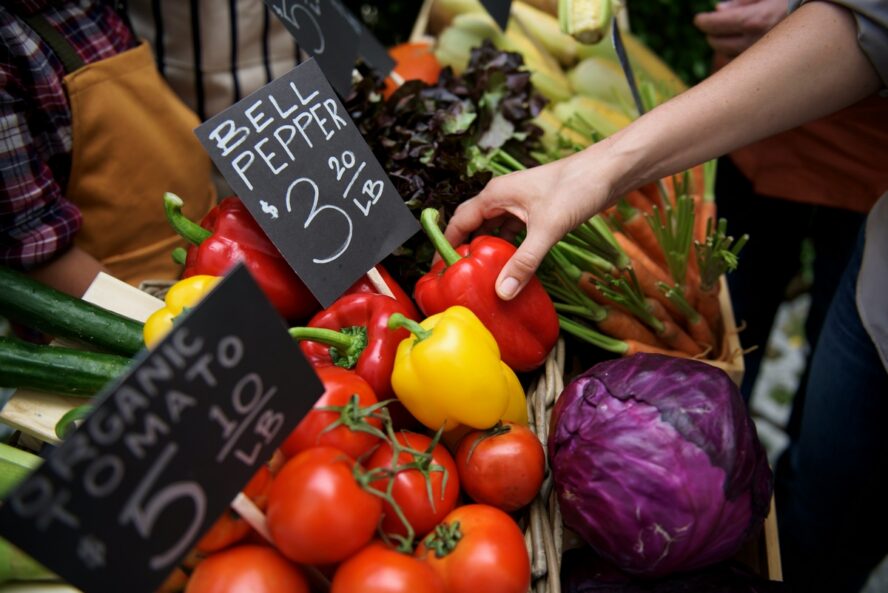
- Red bell peppers: One cup raw of sweet red pepper contains 190 mg of vitamin C (212% DV) — that’s even more than oranges!
- Guava: One 55 g guava fruit (without refuse) contains around 125 mg of vitamin C (137% DV).
- Orange juice: One cup of orange juice contains around 124 mg of vitamin C (~136% DV).
Winter Citrus Fruits
These fruits are currently in their peak season, so it’s a great time to stock up.
- Oranges: One medium orange contains 70 mg of vitamin C (78% DV).
- Grapefruit: One-half of a medium grapefruit contains 39 mg of vitamin C (43% DV).
- Clementines: One 74 g clementine fruit contains around 36 mg of vitamin C (40% DV).
- Kiwi: One medium kiwi fruit contains 64 mg of vitamin C (71% DV).
- Papaya: One cup of raw papaya contains around 88 mg of vitamin C (98% DV).
- Sweet potatoes: One medium baked sweet potato contains around 22 mg of vitamin C (24% DV).
Cruciferous Vegetables
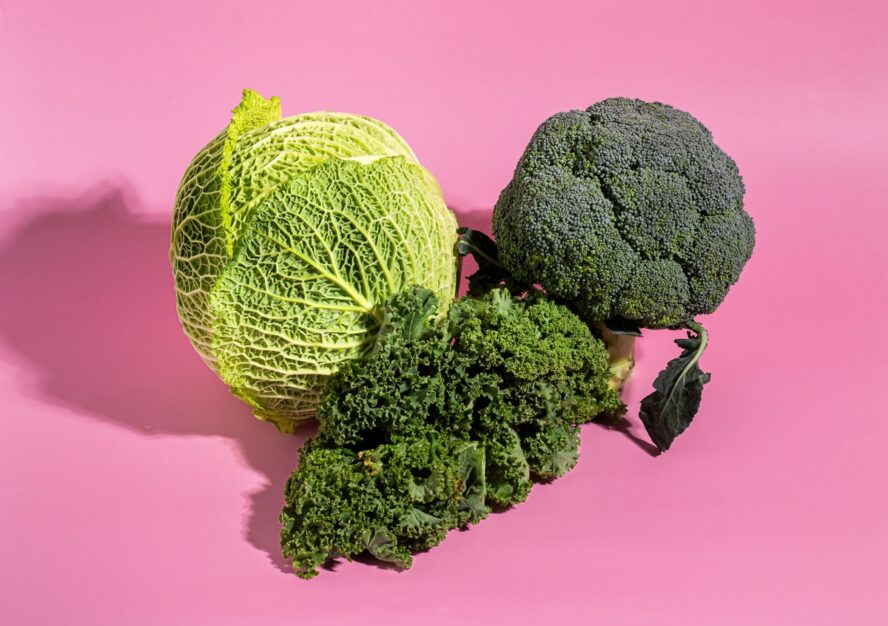
- Brussels sprouts: One-half cup of cooked Brussels sprouts contains 48 mg of vitamin C (53% DV).
- Broccoli: One-half cup cooked of broccoli contains 51 mg of vitamin C (57% DV).
- Kale: One cup of raw kale contains around 19 mg of vitamin C (21% DV).
- Cabbage: One-half cup cooked cabbage contains 28 mg vitamin C (31% DV).
- Cauliflower: One-half cup of raw cauliflower contains 26 mg of vitamin C (29% DV).
Surprising Sources of Vitamin C
- Strawberries: One-half cup of sliced strawberries contains 49 mg of vitamin C (54% DV).
- Tomatoes: One medium raw tomato contains 17 mg of vitamin C (19% DV).
- Tomato juice: One cup of tomato juice contains around 44 mg of vitamin C (49% DV).
- Baked white potato: One medium baked white potato contains around 17 mg of vitamin C (19% DV).
- Sweet green peppers: One-half cup of green sweet peppers contains 60 mg of vitamin C (67% DV).
- Grapefruit juice: One cup of white grapefruit juice contains around 93 mg of vitamin C (103% DV).
- Cantaloupe: One-half cup of cantaloupe contains 29 mg of vitamin C (32% DV).
Tips for Vitamin C Retention
When it comes to vitamin C-rich produce and juices, proper storage and preparation is key to vitamin retention. Things like pH, light, temperature, and the concentration of oxygen can all greatly impact vitamin C preservation16.
Storage
When it comes to storage, be sure to keep vitamin C-rich juices in the refrigerator at 41 degrees Fahrenheit or less in a sealed glass container for optimal vitamin preservation17,18. For vitamin C-rich produce, eat raw produce as soon as possible after you purchase it, but wait to cut or peel it until right before you eat or prepare it for optimal freshness.
Be sure to store raw produce in the fridge as well, but in airtight containers — preferably opaque glass containers. This helps reduce exposure to oxygen and moisture, which could affect the vitamin C content of your food19. There are certain exceptions, however — some produce like sweet potatoes should be kept stored in a dry and dark location like in a brown bag or closed basket20.
Whether you simply store it after purchasing or prepare the produce beforehand, be sure to use most refrigerated vitamin C-rich foods within three to five days. Some more delicate produce like leafy greens may only remain fresh for around two days after storage, while produce like peppers may stay for up to a few weeks in the refrigerator crisper21.
Preparation
When you prepare foods rich in vitamin C, we recommend cooking them quickly in as little water as possible. Cooking methods like steaming or stir frying (rather than boiling, for example) help preserve the most vitamin C content. These methods expose your vitamin C-rich foods to the lowest amount of heat and moisture possible (other than simply eating them raw).
Fresh vs. Frozen
Wondering if you’ll still get the same vitamin C benefits from those frozen strawberries you put in your smoothie this morning? You might be surprised. A study that compared vitamin retention in eight fruits and vegetables when frozen vs. fresh found that the frozen produce had comparable OR occasionally higher vitamin content than their fresh counterparts22.
This is because frozen vegetables are generally harvested at peak ripeness before being frozen and packaged within a few hours, whereas fresh fruits and vegetables tend to be picked before they’re ripe so they don’t spoil during transportation. This means they have less time on the plant to develop a full range of vitamins and minerals, plus they often sit for long periods of time in storage before ever arriving in your kitchen.
On the other hand, the blanching process that is often used to cook vegetables before frozen can reduce vitamin C content — so on the whole, you’re looking at an almost negligible difference between fresh and frozen. Take your pick!
Your 200 mg Daily Challenge: Meal Plan Ideas
If you want to ensure that you consume the “sweet spot” of 200 mg of vitamin C daily, try one of these three starting points for practical meal plans.
Winter Citrus Lover
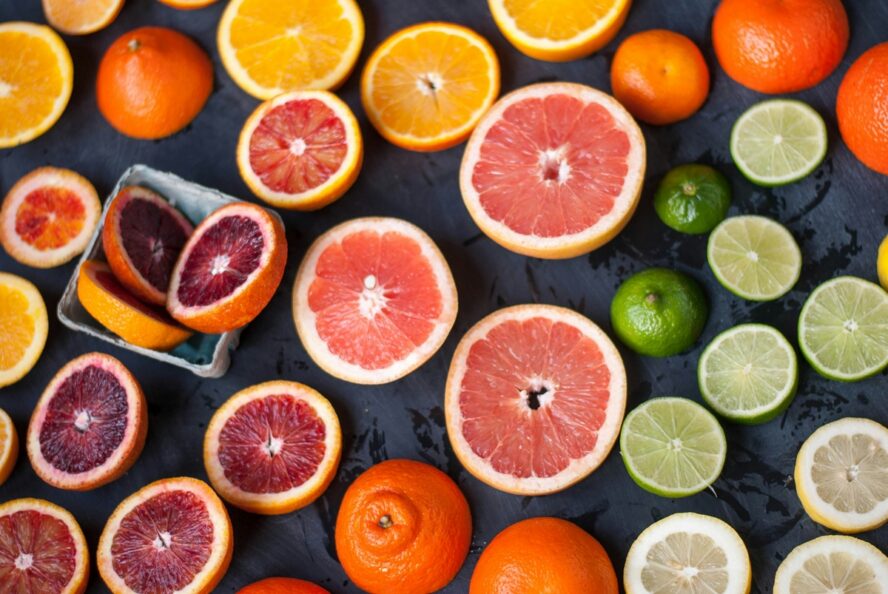
We love this one because it highlights current peak season produce that you can easily purchase in these winter months. If you’re leaning into this plan, enjoy lots of sweet potatoes and citrus fruits to reach your vitamin C goals. Try having half a grapefruit and an orange at breakfast, another orange as a snack, and include one medium sweet potato at dinner to hit your daily 200 mg vitamin C goal.
Veggie-Focused
This plan has the added bonus of helping you hit your fiber goals alongside your vitamin C goals. Lean into vegetables at most meals and spread out your intake. For example, try a kale, cauliflower, and broccoli salad at lunch — you’ll hit half of your daily goal in one meal. Then throw some roasted Brussels sprouts and cabbage as sides for your protein at dinner and you can call it a day.
Budget-Friendly
If you’re on a food budget, there are still plenty of ways to hit your 200 mg of vitamin C daily without breaking the bank. For example, even just starting your day with a glass of orange juice does a huge amount of work towards your goal. Then try a baked white potato with a side of frozen broccoli or cauliflower for dinner and you’ll be good to go.
Signs of Vitamin C Deficiency
Although rare, vitamin C deficiency can occur in certain at-risk populations, including those with alcohol use disorder, eating disorders, limited diets, malabsorption disorders, or restrictive diets7. And as mentioned before, smokers are also more at risk for vitamin C deficiency8.
Vitamin C deficiency symptoms include7:
- Frequent infections
- Fatigue
- Bleeding gums
- Easy bruising
- Skin rashes
- Delayed wound healing
FAQs
The fruit with the most vitamin C in the world is a Kakadu plum, a rare fruit found in Australia which contains 2300 to 3150 mg of vitamin C per 100 grams of fresh weight23. The most vitamin C-rich fruit found in the United States is guava.
Red and green bell peppers, or sweet peppers, contain more vitamin C than oranges!
It would be very difficult to consume more than the upper limit of 2,000 mg of vitamin C daily, since most foods do not contain significant amounts of vitamin C. Our bodies also excrete this water-soluble vitamin throughout the day, so your risk really is low.
If you do manage to consume more than 2,000 mg of vitamin C daily through food alone, it will likely not cause much harm except for gastrointestinal effects like nausea and diarrhea in some people.
Taking vitamin C when you are already sick will not necessarily make your sickness go away. However, studies suggest that taking vitamin C before you get sick may shorten the duration and severity of cold symptoms if you do get sick, so it’s always a good idea to stay on top of regular intake24.
Sources:
- https://www.mdpi.com/2072-6643/9/11/1211
- https://pmc.ncbi.nlm.nih.gov/articles/PMC7571178/
- https://ods.od.nih.gov/factsheets/VitaminC-HealthProfessional/
- https://pmc.ncbi.nlm.nih.gov/articles/PMC12640369/
- https://pmc.ncbi.nlm.nih.gov/articles/PMC12085410/
- https://www.ncbi.nlm.nih.gov/books/NBK493187/
- https://pmc.ncbi.nlm.nih.gov/articles/PMC12173858/
- https://www.ncbi.nlm.nih.gov/books/NBK279544/
- https://pmc.ncbi.nlm.nih.gov/articles/PMC12655283/
- https://pmc.ncbi.nlm.nih.gov/articles/PMC12441711/
- https://www.nal.usda.gov/sites/default/files/page-files/Vitamin%20C.pdf
- https://fruitsandveggies.org/blog/whats-in-season-winter/
- https://fdc.nal.usda.gov/food-details/173044/nutrients
- https://fdc.nal.usda.gov/food-details/168195/nutrients
- https://fdc.nal.usda.gov/food-details/168421/nutrients
- https://pmc.ncbi.nlm.nih.gov/articles/PMC8619176/#sec6-foods-10-02630
- https://www.researchgate.net/publication/374183400_Stability_of_Vitamin_C_Content_in_Plant_and_Vegetable_Juices_under_Different_Storing_Conditions
- https://www.fns.usda.gov/fs/produce-safety/storage
- https://pmc.ncbi.nlm.nih.gov/articles/PMC8619176/#sec6-foods-10-02630
- https://www.fns.usda.gov/fs/produce-safety/storage
- https://extension.umaine.edu/food-health/2025/05/29/storing-and-washing-fresh-fruits-and-vegetables/
- https://pubmed.ncbi.nlm.nih.gov/25526594/
- https://pmc.ncbi.nlm.nih.gov/articles/PMC10056586/
- https://pubmed.ncbi.nlm.nih.gov/38082300/


