


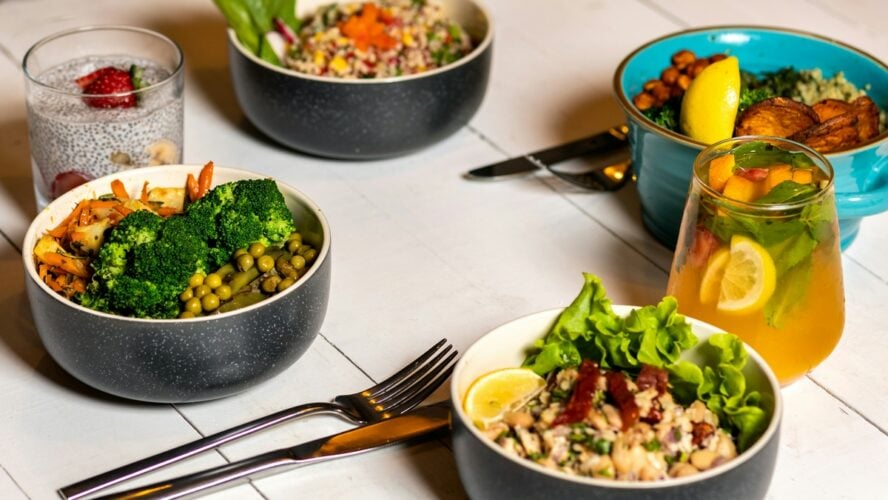
We probably don’t have to tell you this, but the GLP-1 medication phenomenon has well and truly swept the nation. Every weight loss company is looking to add it to their repertoire, and you probably know of at least one person who is currently using or has used a GLP-1 medication to shed some weight.
Although these medications have helped many achieve undeniable weight loss results, it’s not always the most sustainable solution. Studies show rebound weight gain after stopping medication is a serious issue1, and it’s not a method that should be relied on forever.
Most importantly, we’d all do well to remember that although the media essentially treats GLP-1 as a synonym for Ozempic, it’s actually a hormone naturally produced in the body to regulate blood sugar and appetite. While GLP-1 medications treat type 2 diabetes and obesity by mimicking this hormone, it’s also possible to promote GLP-1 production naturally.
For those who want to lose weight without GLP-1 medications (or who want to maintain weight loss after stopping treatment), certain foods that promote GLP-1 in the body may be the answer. Read below to learn more about GLP-1’s function as a hormone, foods that increase GLP-1 naturally, and other natural GLP-1 boosters that could help you support a healthy weight long term.
What Is GLP-1 and Why Does It Matter?
GLP-1, or glucagon-like peptide-1, is a hormone that helps to regulate appetite and blood sugar in the body. Medicines made from this hormone, known as glucagon-like peptide-1 receptor agonists (GLP-1 RAs), were originally designed to help those with type 2 diabetes to manage their blood glucose levels2. However, as we know, they can also help those without type 2 diabetes lose weight.
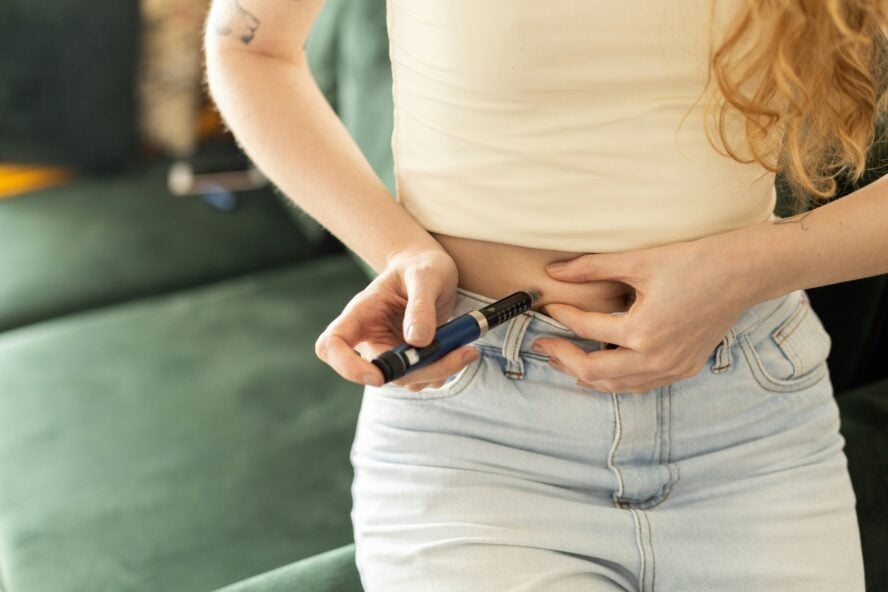
Common GLP-1 RAs include semaglutide and tirzepatide, which are typically taken in an injection or pill form on a weekly basis3. A 2022 study reports that the lowest dose of 0.5 mg per week of semaglutide can provide the body with a steady state of around 65 nanograms per milliliter (ng/mL) of GLP-1 after 4 to 5 weeks of weekly use4. To put that into context, foods that stimulate GLP-1 in the body provide peak concentrations of about 9.7 and 42 pmol/L (0.032 to 0.139 ng/mL or 32 to 139 pg/mL)5.
Stimulating GLP-1 Production Through Diet
Studies of the Mediterranean diet show that the combination of lean protein, healthy fats, and dietary fiber-rich foods stimulate high levels of GLP-1 after meals (compared to a high-fiber vegetarian diet)6. The Mediterranean meal also produced a significantly higher second peak of GLP‑1 around 150 minutes after eating, compared to the high-fiber vegetarian meal.
What’s more, sticking to a healthy diet can offer benefits that GLP-1 medication can’t. For example, a Mediterranean diet can reduce cardiac events more than GLP-1 medicine alone. A 2023 study shows that semaglutide, a GLP-1 agonist, reduced cardiovascular events by 20%, while other studies show that the Mediterranean diet can reduce heart disease by up to 30% for those at risk7,8,9.
How Food Triggers GLP-1 Production
The nutrients in food stimulate GLP-1 production in a variety of ways. Dietary fiber from fruits, vegetables, and whole grains are broken down in the gut by bacterial fermentation10. This process produces short chain fatty acids that bind free fatty acid receptors, which in turn secrete GLP-1. Similar to this process, mono- and polyunsaturated long-chain fatty acids stimulate GLP-1 release via certain free fatty acid receptors. Protein-induced GLP-1 secretion is not well understood, but it appears to primarily support GLP-1-mediated satiety.
The GLP-1 released into the body after eating is mostly stored in L cells, or intestinal endocrine cells. These L cells are found largely in the lower part of the small intestine (the ileum) and the colon. GLP-1 is secreted from these cells in response to nutrient ingestion11. You could call L cells a GLP-1 “factory.”
The major difference between the GLP-1 you take via medication versus that in food is how long it lasts in the body. While GLP-1 medicines like semaglutide can last for about a week or so in the body, human GLP-1 has a half-life of only about two minutes12. Fortunately, there are ways to extend the GLP-1 effect in the body through food with some simple tips. First, let’s talk about specific foods that stimulate GLP-1 production in the body.
Foods that Increase GLP-1 Naturally
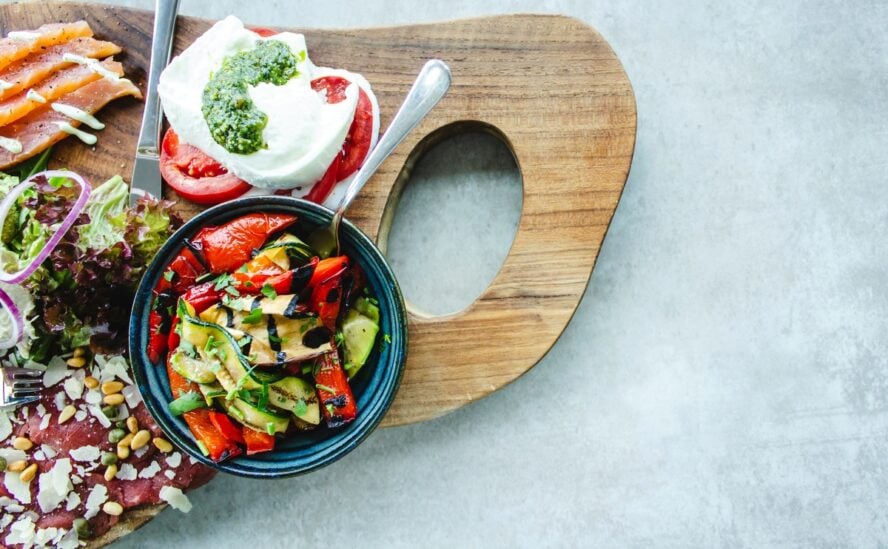
If you’re looking to increase GLP-1 levels through your daily meals and snacks, check out the list below for foods that increase GLP-1 naturally13,14,15,16,17.
High-fiber Foods:
- Oats
- Beans
- Brussels sprouts
- Resistant starch sources like cooked and cooled potatoes or rice as well as green bananas
Protein-rich Foods:
- Eggs
- Fatty fish
- Greek yogurt
- Lean poultry
Healthy Fats:
- Olive oil
- Avocados
- Nuts, especially nuts rich in monounsaturated fats like macadamias, hazelnuts, pecans, almonds, and peanuts
Fermented Foods:
- Yogurt
- Kefir
- Sauerkraut
- Kimchi
Surprising Foods that Stimulate GLP-1:
- Dark chocolate
- Coffee
- Green tea
The Berberine Question
It isn’t just food that could have a similar effect as GLP-1 agonist treatments — some studies show the herbal supplement berberine could be a natural alternative to GLP-1 medications. A 2020 study showed that those taking berberine lost on average about 2.07 kg (4.5 lbs) over roughly 1 to 3 months18. Still, reviews are mixed. A recent 2025 study showed that participants who consumed 1 gram of berberine daily for 6 months had no meaningful change in adiposity (AKA the accumulation of body fat)19.
The NIH reports that studies have been conducted with humans for roughly eight weeks with individuals taking 1000 mg daily, but they were high in bias20. More high-quality studies will need to be done before making any conclusions about berberine’s effectiveness in supporting weight loss.
Meal Timing and Food Synergies
When it comes to GLP-1 stimulation, the way you eat GLP-1 foods is just as important as what you eat. Health experts suggest that eating slowly and chewing your food thoroughly can help support GLP-1 stimulation21. In addition, pairing fiber-rich foods and foods rich in healthy unsaturated fats with lean sources of protein can have a big impact on the body’s GLP-1 levels after meals22,23.
Exercise and Lifestyle Factors
Along with food, there are a variety of lifestyle factors that can stimulate GLP-1 production in the body. You may be surprised to find that you probably already engage in these GLP-1 supporting behaviors, as they’re all generally good habits to incorporate in any healthy lifestyle21,24,25:
- Exercise: No matter what type of exercise you engage in, moving more can support GLP-1 release in the body.
- Adequate sleep: Sleep disruptions can impair GLP-1 secretion, so try to establish a bedtime routine, sleep at least seven hours daily, and visit your doctor if you suspect your sleep is being interrupted by a medical condition.
- Managing stress: Chronic stress levels can impair GLP-1 release. By engaging in relaxation breathing, meditation, yoga, talk therapy, or other stress-reducing activities, you can help lower cortisol — which in turn helps support GLP-1 release.
Key Takeaways
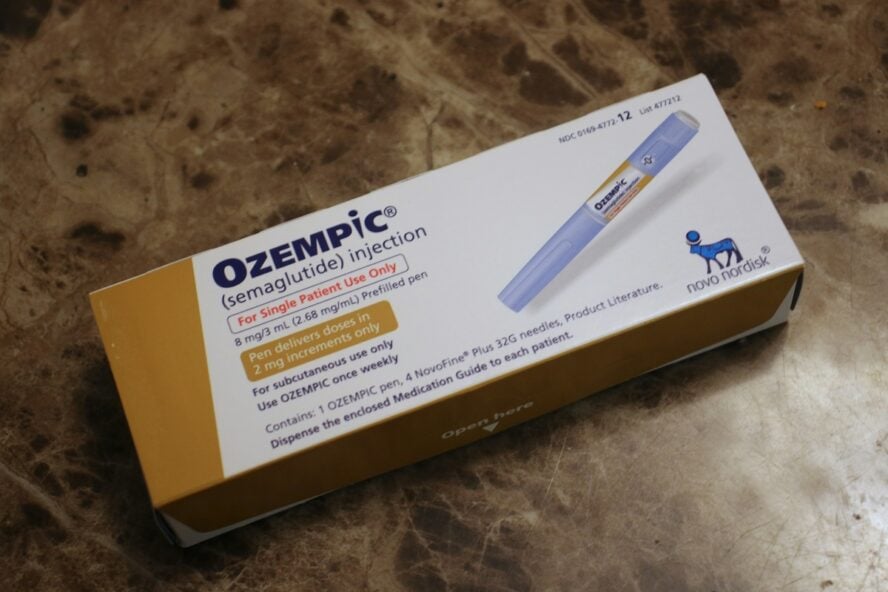
Although food may not be able to match the dramatic weight loss effects of GLP-1 medications, it does have its clear benefits over GLP-1 RAs. GLP-1 foods can work with your body’s natural systems to create sustainable changes that extend far beyond the scale. Such changes can help protect your heart and body without any real side effects.
A diet rich in foods that stimulate GLP-1 production can help support weight loss on its own, or help you maintain weight loss after stopping GLP-1 RA treatment. For the best outcomes, the most effective maintenance plan after stopping treatment should also include other GLP-1 promoting behaviors like exercise, adequate sleep, and stress management.
Frequently Asked Questions
You will be unlikely to lose weight as quickly by naturally activating GLP-1 versus Ozempic. However, if you maintain a consistent healthy lifestyle that includes a diet full of GLP-1 foods, regular exercise, and adequate sleep, then you could potentially lose significant weight over time — and keep it off. Plus, you’ll have a much lower risk of side effects.
The length of time it takes to lose weight with GLP-1 foods will depend on the portion sizes you consume, your starting weight and health status, and the exercise and lifestyle factors you engage in. There is no guaranteed weight loss outcome or timeline when it comes to a routine of consuming GLP-1 foods.
You can take berberine to support weight loss if you choose, but there are still mixed results in its effectiveness on weight loss outcomes. We recommend just sticking to a healthy, balanced diet of GLP-1 foods, along with moving more and sleeping enough each night.
While there are noted side effects of GLP-1 RAs, there are no noted side effects of GLP-1 foods — unless of course, you are allergic or intolerant to certain foods.
Yes, you can (and should) consume GLP-1 foods with medications! All you’re doing is consuming a healthy, balanced meal routine full of lean proteins, healthy fats, and dietary fiber, which is a universally healthy diet for most people.
Sources:
Sources
- https://www.bmj.com/content/392/bmj-2025-085304
- https://www.nature.com/articles/s41467-025-67701-9
- https://pmc.ncbi.nlm.nih.gov/articles/PMC12803457/
- https://pmc.ncbi.nlm.nih.gov/articles/PMC8736331/
- https://ajcn.nutrition.org/article/S0002-9165%2824%2900005-4/fulltext
- https://onlinelibrary.wiley.com/doi/10.1002/dmrr.3406
- https://pubmed.ncbi.nlm.nih.gov/29897866/
- https://nutritionsource.hsph.harvard.edu/2018/06/22/predimed-retraction-republication/
- https://pmc.ncbi.nlm.nih.gov/articles/PMC7190876/
- https://pmc.ncbi.nlm.nih.gov/articles/PMC12125019/
- https://pmc.ncbi.nlm.nih.gov/articles/PMC8218725/
- https://pmc.ncbi.nlm.nih.gov/articles/PMC12052016/
- https://pmc.ncbi.nlm.nih.gov/articles/PMC12264624/
- https://www.nature.com/articles/s42255-024-00988-y
- https://pmc.ncbi.nlm.nih.gov/articles/PMC5707743/
- https://pmc.ncbi.nlm.nih.gov/articles/PMC9916812/
- https://pmc.ncbi.nlm.nih.gov/articles/PMC11061710/
- https://www.sciencedirect.com/science/article/abs/pii/S2405457720300802
- https://jamanetwork.com/journals/jamanetworkopen/fullarticle/2844037
- https://www.nccih.nih.gov/health/berberine-and-weight-loss-what-you-need-to-know
- https://health.osu.edu/wellness/exercise-and-nutrition/activiating-glp-1-naturally
- https://pmc.ncbi.nlm.nih.gov/articles/PMC10528427
- https://pmc.ncbi.nlm.nih.gov/articles/PMC10748770/
- https://pmc.ncbi.nlm.nih.gov/articles/PMC9755352/#s3
- https://pmc.ncbi.nlm.nih.gov/articles/PMC10938734/


