


If you are visiting New Zealand’s South Island from overseas, it’s understandable for you to have visions of lakes and mountains, hopes of spotting whales, dolphins and kea, and you’ll doubtless know many Marlborough sauvignon blanc brands. Central Otago is the bit that often surprises people, so much so it’s often missed entirely or just seen as a route between Queenstown and Dunedin. But this inland ‘paradise’ – as it’s referred to by many who live there – is more than worth stopping for. The landscapes feel almost cinematic:
Yes, Central Otago makes world-class pinot noir. But it is also a region where you can spend a morning tasting traditional-method sparkling, drink a blanc de noirs at lunch, finish with a taut riesling, then pick up cherries or apricots from a roadside stall, depending on season, while taking in – or stopping for many photo opps – to take in the cinematic landscape. Schist rocks craggs dotting hillsides, wide basins, big skies, and rows of vines that look improbably precise against a largely raw and rugged backdrop.
This is a guide to Central Otago for travellers who find joy in the produce of a place beyond ticking off known brand names and established tourism hotspots.
The inland climate difference that shapes everything
Central Otago sits behind the Southern Alps, in their rain shadow, and it is widely recognised as New Zealand’s southernmost wine region (often described as the world’s most southerly commercial wine region). The climate runs more “continental-like” than many visitors expect, with warm days, cool nights, and crisp seasonal extremes.
That daily temperature swing is one of the reasons Central Otago wines can feel both ripe and precise at the same time. It also affects how you travel here: even in summer, evenings cool quickly once the sun drops behind the ranges. Pack a layer you can actually wear to dinner or invest in a New Zealand made merino wrap or poncho when you’re here.
Central Otago’s wine spots
You do not need to memorise a map, but it helps to know what sits where so you can group visits sensibly and avoid spending half your day in the car.
Gibbston: the gorge gateway packed with cellar doors
Gibbston is the most convenient wine pocket from Queenstown, running along the Kawarau Gorge. It is also the sub-region that gives visitors the fastest sense of “Oh, there’s a lot going on here”.
NZ Wine describes Gibbston as Central Otago’s highest sub-region, cooler than its neighbours and later ripening, which helps explain why the wines can feel especially detailed and lifted.
If you want to do Gibbston properly, you can build a day around names that are genuinely distinctive:
- Kinross is the best single stop if you want range as it represents five local labels including its own: Hawkshead, High Garden, Valli, Wild Irishman.
- Peregrine is a design pilgrimage as much as a wine visit. The winery building was designed to evoke a falcon’s wing in flight, and it is one of the most recognisable pieces of architecture in the region. Its pinot noirs is highly regarded too.
- The Church is exactly what it sounds like: a historic Presbyterian church (built in 1894) repurposed as a cellar door and eatery. They produce their own Chardonnay and represent other Gibbston producers too.
- Mt Rosa has a dedicated cellar door in Gibbston with a reputation for a friendly welcome, fascinating tasting and gorgeous setting. Book ahead in high season.
- Chard Farm is another established Gibbston cellar door and an easy fit on a Queenstown-based loop. Bookings are required.
- Gibbston Valley remains a foundational name for visitors, including its well-known wine cave tours, on-site restaurants and cheese deli.
- Rockburn has long been part of the Gibbston line-up and has recently shifted to a new cellar door set-up at its winery.
Bannockburn wineries
Bannockburn is one of the names visitors remember, partly because of the wines and partly because the place itself feels distinct. It is also a story of transformation. Thirty years ago, Bannockburn was farmland and orchards. Today, it is orchards and vineyards, the latter producing some of the world’s most acclaimed pinot noir wines.
- Felton Road – visits by prior appointment only, member-only events hosted throughout the year, and an international following of wine fans that suggests you should at least buy a bottle with dinner while you’re here
- Mt Difficulty – drawing wine fans for its vintages and foodies for its restaurant prowess, this is your recommended lunch stop
- Te Kano – recognisable for its rusted steel, cantilever tasting room, loved for the quality of its wines and its creations beyond the standard Central Otago grapes – their Cabernet Franc is our pick
- Desert Heart Wines – perhaps the most relaxed of the Felton Road wineries, locals love the vibe as much as the wines
If you don’t want to rush, or if you just have a day for wine tasting, Bannockburn provides fewer stops and time for lunch with a view.
Cromwell and Northburn wineries
If Cromwell is your anchor, you can cluster tastings efficiently and weave in the food side (orchards and seasonal fruit stalls) without feeling like you are “squeezing it in”.
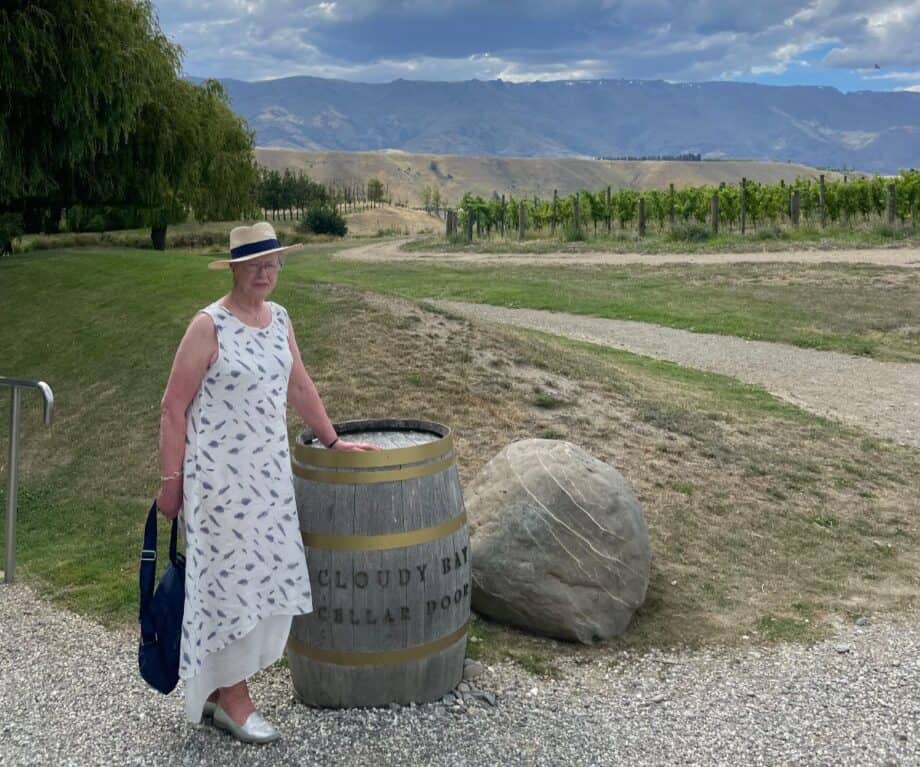
If Cloudy Bay is one of the few New Zealand labels you already know, they also have a Central Otago cellar door at Northburn, near Cromwell. Their Central Otago story is well documented in local listings, including producing the first vintage of Te Wāhi Central Otago pinot noir in 2010, purchasing Northburn Vineyard in 2014, and opening the cellar door at Northburn in 2018.
- The Brae – has a cute hillside spot with small tasting room and a sparkling wine worthy of celebrating
- Wooing Tree – adored locally for its “Blondie” blanc de noir and with a new cellar door and kitchen as of 2025
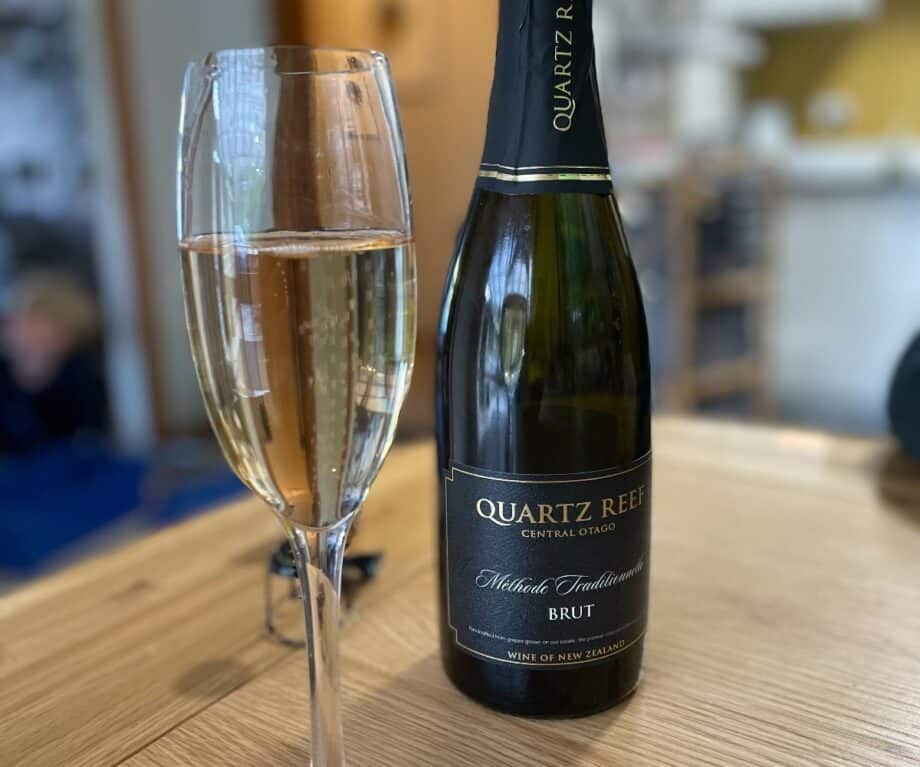
- Quartz Reef – when you lead with fizz you make friends easily and this vineyard is the celebratory label gracing many events
- Cork & Cap – Cromwell’s very own tasting room is where you can get an easy overview of the town’s surrounding producers
Alexandra basin wineries
Alexandra sits further south and often feels like a step away from the standard tourist loop. If you have time, it is where you begin to understand how varied “Central Otago” really is.
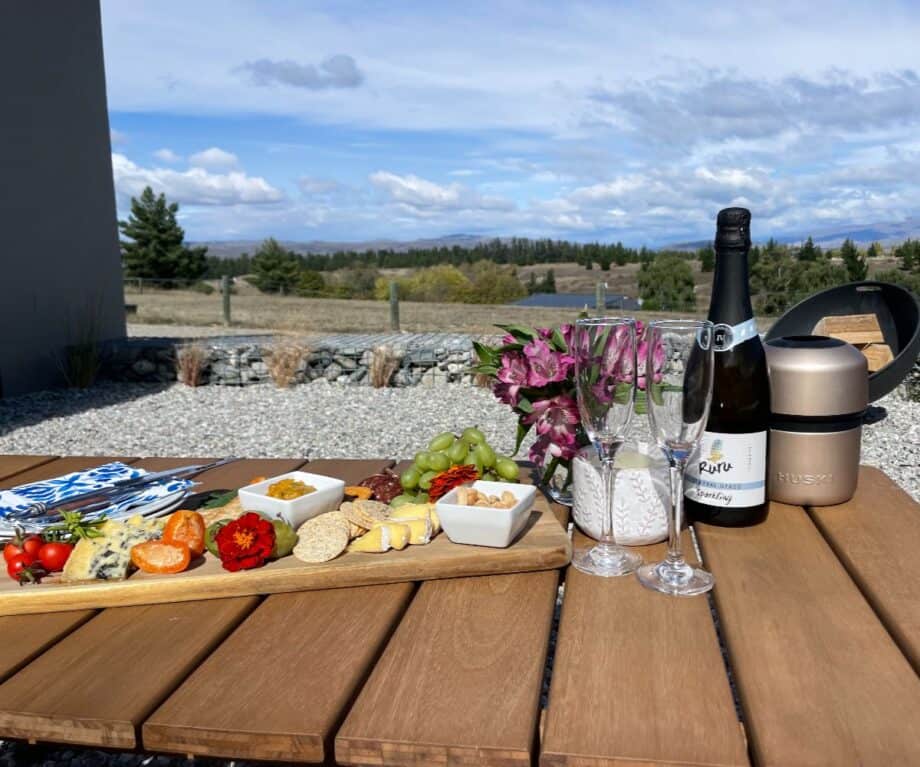
- Ruru – perfectly placed on the Otago Central Rail Trail, stop in for a tasting or book ahead to add on a platter of French and Dutch cheeses – all of it is worth making time for
- Judge Rock – tucked away and all the cuter for it they have a tasty range of vintages and a port that deserves your attention too
- Thyme Hill – one of three wineries on Letts Gully Road, this one prefers you to book ahead but is worth a stop for their unique-to-the-basin merlot
Central Otago wines to drink other than pinot noir
Pinot noir deserves its reputation, but the joy of Central Otago is the supporting cast.
Pinot gris (the white you will see everywhere)
Pinot gris has serious momentum here. New Zealand Wine notes that more than 174 hectares is devoted to pinot gris in Central Otago and it’s thought to be the region’s second-most planted variety after pinot noir. Styles range from crisp and dry to gently off-dry, often with pear and stone fruit notes.
Riesling and gewürztraminer (aromatics with confidence)
If your only reference point for riesling is sweet, Central Otago can reset that assumption. Dry, structured examples are common, and gewürztraminer appears more often than visitors expect, particularly if you like wines with perfume and spice.
Blanc de noirs
Blanc de noirs makes intuitive sense here: pinot noir character, but in a lighter, chilled format. Wooing Tree’s Blondie is explicitly made as a blanc de noir from 100% pinot noir, with minimal skin contact.
Sparkling, from classic méthode to modern pét nat
Central Otago takes sparkling seriously. Quartz Reef positions itself as a major producer of méthode traditionnelle sparkling wines from Central Otago fruit. Ruru and Dunstan Road produce similarly en pointe examples too.
If you prefer something looser and more playful, pét nat is also part of the landscape. Mount Edward, for example, sells a Central Otago pinot blanc pét nat as does Judge Rock.
“White pinot noir”
If you like unusual tasting-room moments, look for “white pinot noir” bottlings. Grey Ridge, for instance, makes a white pinot noir alongside traditional pinot noir.
Everything you need to plan your trip in 2026
Three stories that add depth to a Central Otago’s wine pedigree
As travellers, we love wine regions more when there is a narrative beyond “good glass, good view”, and Central Otago has plenty of stories to tell.
Two Paddocks: Hollywood headlines meet award winning wines
This Alexandra Basin winery won’t appear on any tasting tour, but its wines graces almost every local menu and its reputation precedes it because its owner, the actor Sam Neill, keeps us all hooked via his social media channels.
Yes, it is his. No, it is not a public cellar door. Visits and events are for wine club members only, by appointment. But do enjoy a bottle while you’re dining around the region.
Domaine Thomson: Otago heritage plus a genuine French thread
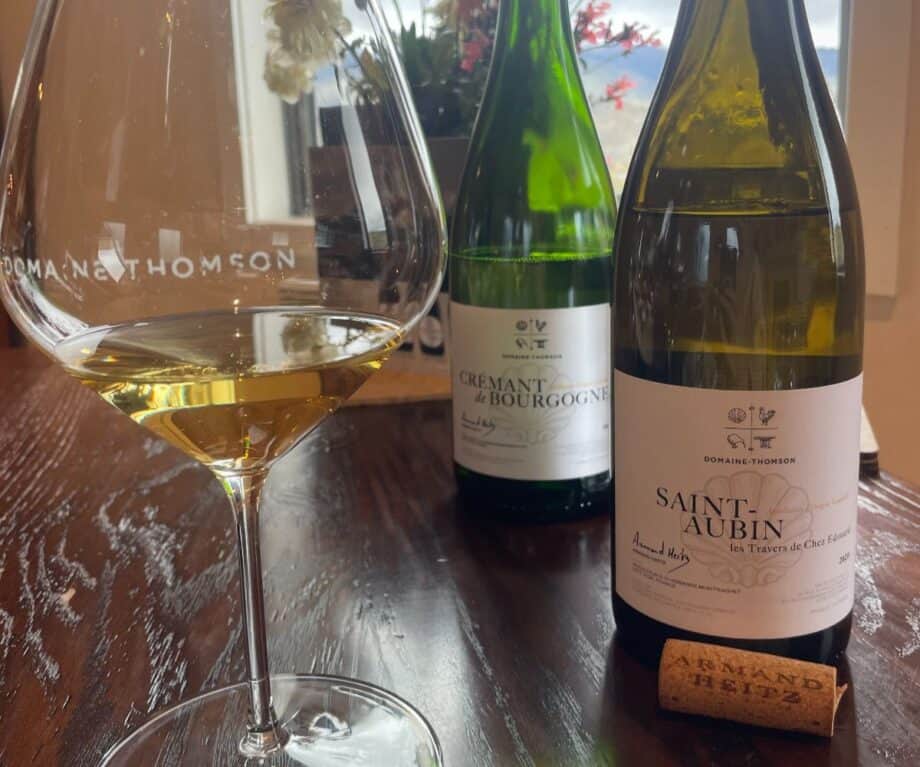
Domaine Thomson is one of the region’s most satisfying stops for travellers who also love French wine. The winery explicitly frames itself as “one vision, two hemispheres”, producing wine in Central Otago and in Burgundy (including Crémant de Bourgogne).
The heritage angle is equally strong. Their story connects to John Turnbull Thomson, a surveyor who explored and mapped Central Otago in the 1850s and named features including Mount Aspiring and Lindis Pass.
Cloudy Bay in Central Otago: the unexpected familiar
If someone in your group only knows Cloudy Bay for sauvignon blanc, a visit to its Central Otago cellar door is a great way to show how much the same producer can change when the landscape changes.
Day-tripping vs staying: how long does Central Otago really need?
A day trip can work beautifully if you keep it tight: pick one cluster (Gibbston, or Cromwell and Bannockburn), commit to a long lunch, and leave space for one non-wine moment, like an orchard stop in summer.
If you can give Central Otago four nights, the region changes from “a tasting itinerary” into a place you actually absorb. Four nights lets you explore two or three sub-regions without stacking long drives back-to-back, follow seasonal produce properly, and still have time for the slower pleasures.
For long haul travellers, a more meaningful travel plan might be:
- 4 nights Central Otago (food and wine depth, multiple sub-regions, orchard culture)
- 4 nights Wānaka (lakes, national park day walks, true downtime)
- 4 nights Queenstown (restaurants, Arrowtown, galleries, easy departure logistics)
What time have you got to spend in Central Otago?

Kate Stinchcombe-Gillies
Kate Stinchcombe-Gillies is CMO of Release NZ. Release NZ represents a portfolio of luxury holiday accommodation in Wānaka and Queenstown – their passion being to connect guests to everything that makes this part of the world so special. If you would like to be a guest blogger on A Luxury Travel Blog in order to raise your profile, please contact us.
Did you enjoy this article?
Receive similar content direct to your inbox.
Please enable JavaScript in your browser to submit the form

