



Brainchild of ageless supermodel Elle Macpherson, WelleCo’s The Super Elixir™ is a nutrition powder with a staggering 40+ ingredients that could help you clear the supplement clutter from your counter. Fans worldwide tout its support for healthy skin, hair, and energy-boosting properties1. And who wouldn’t love those benefits? But that’s not how it came on my radar. I learned about it because many reviews praised it for supporting an often-overlooked, IYKYK problem: menopause bloating.
A lot of women experience menopause bloating, but it’s not actually considered a “normal” part of aging. Current research shows that up to 94% of perimenopausal and menopausal women report digestive health symptoms, and bloating is the most common complaint at 77%2. Hormonal changes are the culprit — they impact our digestion, fluid balance, and the ever-important gut microbiome3. Let’s get into the science of why women may experience this specific type of bloating and how nutrition supplements like WelleCo The Super Elixir™ may offer support.
Menopause Bloating: The Facts
- Estrogen and progesterone changes mess with your digestion, water retention, and gut bacteria4. This means menopause bloating feels different than your average bloat — it’s more persistent and affects your whole belly.
- Anti-inflammatory foods and stress management may help.
- Digestive enzymes and certain probiotics may help with the decline in natural digestive aids.
- Post-menopause bloating might need different strategies than perimenopause bloating.
- Red flags like severe pain or rapid weight gain aren’t symptoms of menopause bloating and require medical attention.
Why Your Hormones Are Sabotaging Your Stomach

Estrogen and progesterone don’t just affect your periods; they control how your digestive system works, how your body handles water, and even which bacteria thrive in your gut. The persistent, uncomfortable bloating many women face during midlife is a direct, physiological consequence of these shifting hormones4.
In a way, it’s a relief to know it’s not in your head. For me, I noticed that the waistband of my favorite skirt was getting uncomfortable, even though I hadn’t gained weight. Waistbands are now a prime consideration for me when buying pants (especially pajama bottoms!). This is something that was never even on my radar before.
The Hormonal Slowdown
Since estrogen and progesterone are the body’s internal managers of digestive equilibrium, they affect everything. Here are two issues that arise when their levels fluctuate:
Sluggish Motility
Progesterone helps maintain the smooth, consistent movement of food through the intestinal tract. When this hormone declines, digestion becomes sluggish — this is known as reduced gut motility. The result is that food spends more time in the gut, leading to ramped-up fermentation, gas production, and constipation-related bloat.
Fluid Retention
Estrogen plays a major role in regulating fluid balance. As estrogen levels become erratic, the body’s tendency to hold onto excess water increases, leading to the systemic, all-over swelling often described as hormonal bloating.
This hormonal turbulence causes discomfort. To make matters worse, higher levels of the stress hormone cortisol — a common issue during the midlife transition — promote fat storage around the midsection and increase inflammation, further compounding the unpleasantness.
Your Digestive System Prepares for Retirement

Hormonal shifts go hand in hand with age-related changes that additionally disrupt gut harmony. The body naturally produces fewer digestive enzymes and less stomach acid, which hinders how we break down food5.
Enzyme Decline
Then what? When food isn’t properly digested due to decreased enzyme production, the undigested portions move into the intestines. They end up fermenting in there, making excess gas and causing painful bloating.
Gut Microbiome Shift
The makeup of gut bacteria also evolves during this time. Microbial diversity often takes a dive, allowing gas-producing strains to flourish while beneficial, anti-inflammatory bacteria decrease — AKA dysbiosis6. This is why meals you’ve eaten your whole life might cause problems all of a sudden. Your body can’t process them as efficiently anymore.
Metabolism Hits the Brakes
As if that’s not enough, metabolic efficiency also declines in midlife, particularly as insulin resistance becomes more prevalent7. This means the body is slower to process carbohydrates, potentially leading to blood sugar spikes and inflammation — both of which contribute to bloating and fluid retention8.
This metabolic slowdown adds yet another layer of complexity, explaining why isolated dietary adjustments often fail.
Spotting the Difference: Is This Really Menopause Bloating?
Menopause bloating is different from other bloating in that you’ll feel it across your whole abdominal area. It creates a tight, full feeling and can linger for days or even weeks. Gas-related bloating, on the other hand, might ease after passing gas.
The bloating associated with menopause can show up with other symptoms like hot flashes or mood swings, suggesting a hormonal cause rather than purely dietary roots.
| Menopause Bloating | Other Types of Bloating |
| Persistent, lasting for days or weeks | Usually resolves within hours |
| Affects the entire abdominal area | Often localized to specific areas |
| Coincides with other menopausal symptoms | Isolated digestive symptom |
| Doesn’t always correlate with food | Directly related to meals or specific foods |
| Feels like tightness and fullness | May feel more like gas bubbles or cramping |
When to Stop Googling and See a Doctor
Consult a doctor immediately if you experience any of the following:
- severe abdominal pain
- rapid weight loss
- persistent bloating that is getting progressively worse or interfering with daily activities
These could be symptoms of some more serious conditions14, 15. If you’re experiencing any of these symptoms, please see your primary health physician.
The Super Elixir™: A De-Bloat Dual Strategy

If isolated supplements haven’t delivered meaningful results, it may be worth trying something more holistic that supports digestion and metabolism.
WelleCo’s The Super Elixir™ is designed as a foundational daily ritual to do just that, blending over 40 whole food ingredients that target systemic balance.
Supporting Digestion and Combating Motility Slowdown
The Super Elixir™ incorporates natural digestive aids to support efficiency and promote regularity.
Probiotic Blend Supports Your Digestive Rhythm
To keep your gut happy and minimize that uncomfortably full feeling after eating, your digestive system needs the right environment9. The Super Elixir™ contains a specialized probiotic blend to support digestive efficiency.
Probiotics are beneficial bacteria that work to maintain a balanced microbiome, which is essential for normal digestive system function. By supporting laxation and healthy bowel function, this blend helps to keep things moving smoothly. When your digestion is consistent and regular, you’re less likely to experience the backup and fermentation that lead to uncomfortable gas and bloating10.
Psyllium Husk and Prebiotics (FOS)
Next up, The Super Elixir™ contains Psyllium husks which act as a bulk-forming fiber, helping to promote regular, comfortable bowel movements11. Additionally, prebiotics like FOS and chicory root fiber feed the beneficial bacteria in your gut, supporting a diverse and efficient microbiome12,13.
How to Use The Super Elixir™

If you’re looking to regulate digestive and metabolic function long-term, consistent daily use is key. When you’re first testing out The Super Elixir™, start by taking it every day for at least two weeks, and take note of how you feel along the way.
Here’s how to mix it:
- 10 g (2 teaspoons) of The Super Elixir™
- 8.5 fl oz (250 ml) of room temperature water (or another liquid like coconut water or almond milk)
- Mix well
- Enjoy!
Alternate methods: shake in a bottle or blend into your favorite smoothie.
My Thoughts on the Experience, Taste, & Ritual
Something to know about me — I detest the taste of non-sugar sweeteners — even stevia and monkfruit. When it comes to supplements like protein powders, I’d rather drink the unflavored versions and forego the fun flavors so I can skip these sweeteners.
So when I saw that The Super Elixir™ had stevia…I was worried. I wanted the benefits, but I wasn’t sure if I could stand my daily dose.
The Experience
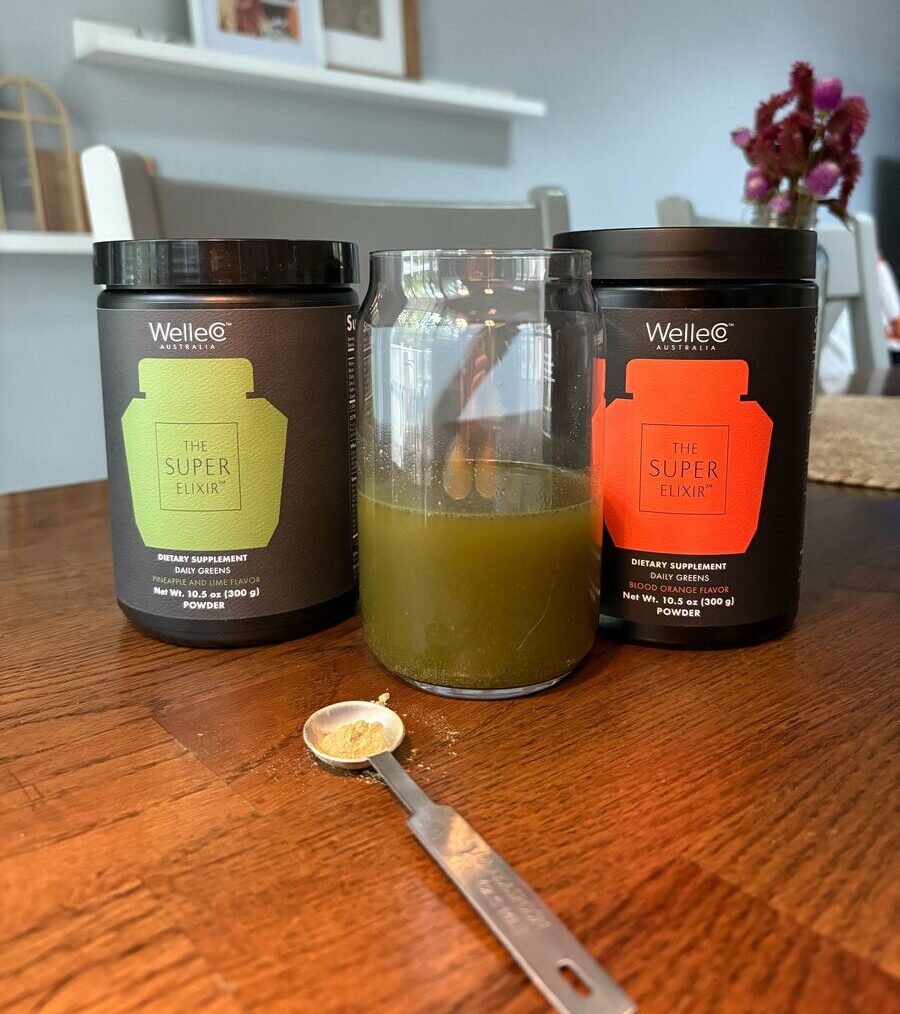
First things first — I LOVE the packaging. It’s way more sophisticated sitting on my counter than my beat-up bag of unflavored protein powder.
I chose to try the blood orange flavor first. When I opened it, the smell brought me back to my childhood — it smelled like a powdered orange drink that I loved as a kid. Was it healthy? No. Did we think about things like that in the ’80s? Also no. I was hopeful that this could be a souped-up, healthy version of my childhood fave.
I prepared it according to the package directions, using my hand frother to mix it well with chilled filtered water.
Hot Tip: I discovered that it’s better to mix it with room temp water, as some of the bits settled stubbornly at the bottom of the glass when using chilled water.
The Taste
When I lifted the glass to my mouth, that nostalgic smell hit my nose again. Ahh. Then I tasted it. My first thought was, Wow. I didn’t actually notice the stevia. I waited for the despised aftertaste to hit me. And waited. It never came.
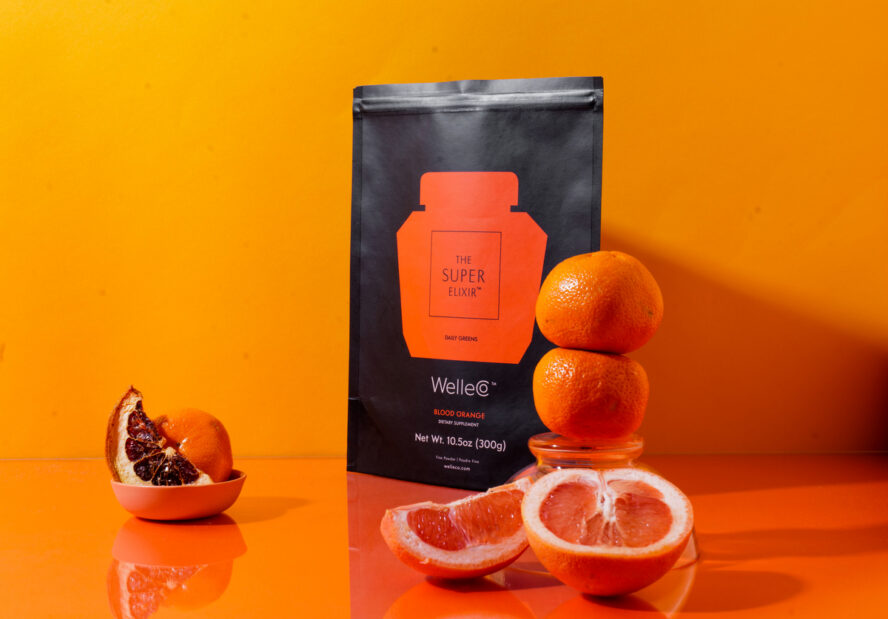
So, did it taste exactly like that powdered orange drink of my childhood? No. But that was probably a good thing — I’m not sure I’d still like the taste as a 40+ year old woman. So what did it taste like? A mild hint of orange, not too sweet and not too earthy (as can be the case with some greens powders). All-in-all, the flavor was light, and I was pleasantly surprised.
The Ritual
If you’re like me, coffee is the literal reason for shucking off the covers in the morning and getting out of bed. Not just for the kick, but for the ritual of it. The smell. The warmth. I love it.
What I don’t love? The anxiety that follows. I’ve realized that yet another fun side effect of hormonal change is that my nerves do not like caffeine. And I certainly can’t have more than one cup back-to-back.
When I made the switch to The Super Elixir™, I’ll be honest and say the ritual wasn’t the same. And as someone who likes something warm and cozy in the morning, it took some getting used to. You might have to channel your inner Elle Macpherson and fake it till you make it in the beginning. But, after I adjusted, I started to notice some things I appreciated about the ritual.
The first thing I noticed is that there is actually a kick — maybe even more so than coffee. It was more of a gentle, energizing stimulation. The package suggests having The Super Elixir™ in the morning or early afternoon, and this is exactly why. It gives you a gentle boost that I started to truly enjoy.
I still have my coffee, but I now save that until the afternoon after I’ve done most of my anxiety-inducing tasks.
The Verdict
After two weeks of consistent use, I stepped back to take stock of how The Super Elixir™ made me feel. My digestion felt more regular and I honestly felt more energized overall — and that was after only two weeks. It’s now become a part of my daily routine, and I look forward to it every day.
Real Results from Customer Testimonials
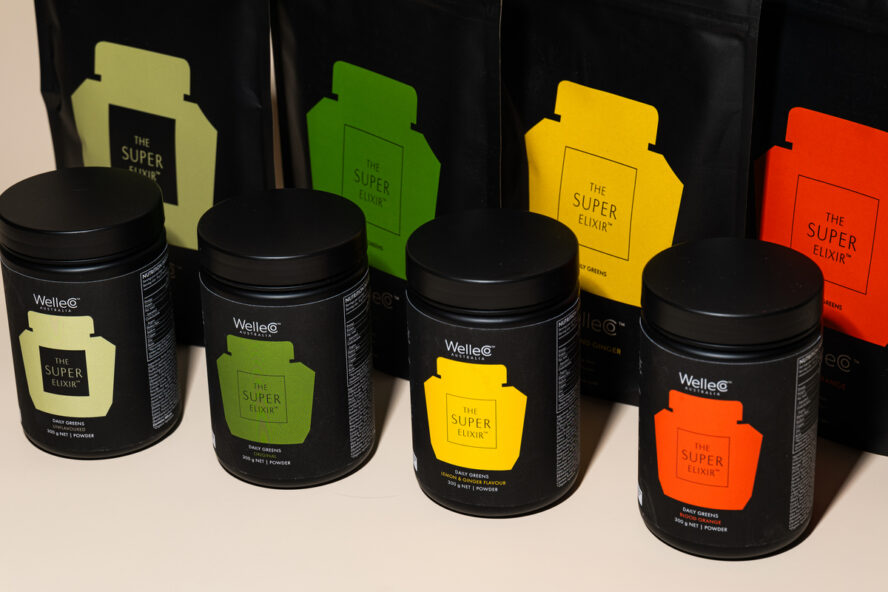
Look, we all know that science gives us a lot of logical rationale for using a targeted greens powder. But for me, it’s more compelling to hear about the experiences of other 40+ women to understand if it really delivers. Here’s a sampling of testimonials:
“One week in… bloating has gone down, energy levels have increased and brain fog has lifted! This is an excellent product for the middle-aged woman.” – Esther, verified customer
“Went off it for a month and my bloating was severe again… I’ve been back on it for five months.” – Adri, verified customer
“I love the flavors & can really tell a difference in my digestion. I actually look forward to my drink every morning.” – Sally, verified customer
Final Thoughts: Your Relief Plan Moving Forward
Menopause bloating is a treatable symptom, but it does require a thoughtful approach. Once you understand that it’s caused by complex hormonal changes, it makes sense to move away from temporary fixes and move toward a strategy that focuses on foundational support.
Comprehensive daily formulas like WelleCo’s The Super Elixir™ support the root causes of menopause bloating — slowed digestion and metabolic changes — in one effective and efficient (and tasty) ritual.
The bottom line? I’ve seen improvements in my digestion, so I’m going to keep on sipping.
The information in this article is not intended to be taken as medical advice. We recommend consulting your Healthcare Professional for advice on your supplement routine. Always read the label and follow the directions for use.
*These statements have not been evaluated by the Food and Drug Administration. This product is not intended to diagnose, treat, cure, or prevent any disease.
Sources:
- https://www.welleco.com/blogs/news/elle-rosie-kate-take-their-daily-super-elixir-do-you
- https://menopause.org/press-releases/digestive-health-issues-more-common-during-perimenopause-and-menopause
- https://journals.sagepub.com/doi/full/10.1177/17455057251387470
- https://journals.physiology.org/doi/full/10.1152/ajpgi.00144.2019
- https://link.springer.com/article/10.1186/s12905-022-02029-w
- https://www.sciencedirect.com/science/article/pii/S089990072200185X
- https://www.mdpi.com/2218-1989/12/10/954
- https://journals.lww.com/jaanp/abstract/2008/05000/the_prevalence_and_pattern_of_gastroesophageal.6.aspx
- https://www.academia.edu/8832171/PAPAIN_A_PLANT_ENZYME_OF_BIOLOGICAL_IMPORTANCE_A_REVIEW
- https://www.sciencedirect.com/science/article/abs/pii/S0924224417301838
- https://www.sciencedirect.com/science/article/pii/S089990072200185X
- https://www.cambridge.org/core/journals/gut-microbiome/article/dried-chicory-root-improves-bowel-function-benefits-intestinal-microbial-trophic-chains-and-increases-faecal-and-circulating-short-chain-fatty-acids-in-subjects-at-risk-for-type-2-diabetes/6209AEAFBDDB181197F22AE24388186B
- https://pmc.ncbi.nlm.nih.gov/articles/PMC10296738/
- https://my.clevelandclinic.org/health/diseases/bowel-obstruction
- https://www.moffitt.org/cancers/ovarian-cancer/faqs/why-does-ovarian-cancer-cause-bloating/


