


One of the many side effects of rising food prices is that many feel that healthy eating becomes more difficult. How can we meet our daily nutritional needs without draining our grocery budget? Fortunately, healthy eating and saving money don’t have to be mutually exclusive.
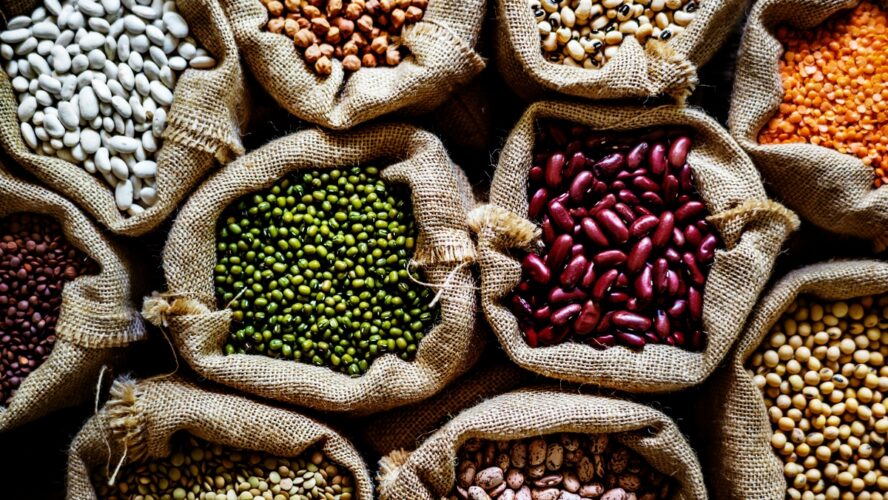
To provide an example of a versatile, healthy, and affordable food that is often overlooked as a staple in many diets, let’s take a look at an unassuming nutritional powerhouse: beans. At only about $1 per can (which provides roughly 3-4 servings) or $1 per pound dried, beans are the fiber- and protein-packed resource your wallet is craving.
Keep reading to explore the health benefits of beans and practical meal ideas to answer the question: are beans good for you?
The Identity Crisis: Are Beans Protein or Carbs?
Because of the versatility of beans, it’s very common to wonder, “Are beans carbs or protein?” They’re used as both a base and a side, a topping and a starch. So which are they, a carbohydrate or a protein-rich food? The answer: beans are both. This property of being both protein- and fiber-rich is what makes beans so special.
Are Beans High in Protein?

Most beans contain about 15 grams of protein per cup1,2. This is equal to about two large eggs or two ounces of chicken breast2. This makes beans a very filling and satisfying side dish, entrée ingredient, or main course.
Are Beans High in Fiber?
Not only are beans high in protein, they’re also high in fiber. Most types of beans contain about 15 grams of dietary fiber per cup1. This is equal to more than half of your minimum daily fiber needs. This potent dose of complex carbs helps sustain energy and keeps you fuller longer after meals, as compared to other more simple, low-fiber carbs.
Are Beans a Complete Protein Source?
If you’re thinking that beans aren’t a complete protein like chicken or other animal proteins, you’re technically not wrong. However, health experts report that combining beans with rice and other grains like quinoa can produce a complete protein3. When you think about the meals you’ll eat with these incredibly versatile legumes, many include grains anyway — so you’ll likely find it’s easy to upgrade beans to a complete protein as you eat.
7 Science-Backed Health Benefits of Beans
Now that you know beans are both a carb and a protein, let’s look at exactly what beans can do for your health. These 7 science-backed health benefits of beans will help you answer the question, “Are beans good for you?” without hesitation.
1. Beans may support longevity.

Beyond being delicious and versatile, beans may also help you live a longer life. Certain regions of the world known as “Blue Zones” have the healthiest, longest-living populations — and they happen to eat up to four times as many beans as the average person4. The Blue ZonesTM Food Guidelines show that most people that live in these regions consume around one-half to one cup of beans or legumes daily5. This dietary pattern shows promise to help support a reduced risk of chronic diseases like diabetes and heart disease6.
Research shows that eating foods like rice and beans regularly is linked to longer leukocyte telomeres, or the end caps of white blood cells — which is typically linked with lower risk of age-related health outcomes7,8.
2. Beans are a budget-friendly protein.
Compared to eggs, which cost an average of $2.57 per dozen in the U.S., or about $0.21 per egg — beans are the clear winner. A single egg offers roughly 6 grams of protein and 0 grams of fiber9. On the other hand, you can grab a store brand can of black beans and get 8 grams of protein and 9 grams of fiber per half cup of cooked beans — for around just $0.2410.
Meanwhile, you can buy one pound of store brand skinless, boneless chicken thighs for around $3.72, which would yield around 12 ounces of cooked chicken11. Based on this, one ounce of cooked chicken (around 7 grams of protein) would cost around $0.31. This costs more than beans per unit of protein — and like eggs, doesn’t offer any fiber.
Of course, all of these prices can vary significantly depending on the brand, source (i.e. organic or cage-free eggs, free-range chickens, and so on), and where you live — some of the highest prices are found in states like California and Rhode Island. But relative prices still tell the same story: beans are one of the cheapest protein sources out there.
HOT TIP: You can also save even more money by buying dried beans instead of canned. One pound of dried beans is equivalent to about 4 cans of cooked beans. To prepare dried beans, start by using a colander to remove any stones or debris from the dried beans12. Then, soak beans overnight in a large pot of water or put the beans in a pot on the stove, cover with water, bring to a boil, and then turn off the heat and let the beans soak for an hour. Once prepped, drain and rinse your beans before cooking. To cook, simply bring a pot of water with beans to a boil, then simmer for about 1–3 hours until tender.
Research shows that intake of one cup (180 g) of canned beans of multiple varieties helped to decrease total and LDL cholesterol in adults with elevated LDL cholesterol15.
And if the cost comparison doesn’t convince you, you can also rest assured that beans are also an environmentally-friendly, sustainable protein source. Not only will you enjoy an array of health benefits from eating beans, but you can benefit from knowing they have a lower carbon footprint than many other protein-rich foods13.
3. Beans are a heart health powerhouse.
The soluble fiber in beans helps prevent the body from absorbing cholesterol from other foods, in turn helping lower cholesterol in some people14. In fact, research shows that intake of one cup (180 g) of canned beans of multiple varieties helped to decrease total and LDL cholesterol in adults with elevated LDL cholesterol15.
4. Beans are good for blood sugar stabilization.
Beans have a low glycemic index at around 10 to 40 per ½ cup serving16,17. This means that they will have a minimal impact on blood glucose levels. Additionally, the rich dietary fiber content in beans helps slow glucose absorption, which further supports blood sugar management18.
5. Beans offer benefits for digestion and gut health.
The soluble fiber in beans also helps foster the growth of beneficial gut bacteria. This property classifies the fiber in beans as a type of prebiotic fiber19. Prebiotics feed good bacteria and help them flourish, which significantly enhances the production of short-chain fatty acids (SCFAs) in the colon20. These SCFAs help reduce inflammation in the gut, in turn promoting regular digestion and reducing one’s risk of colon cancer over time21.
6. Beans can help with weight management.
Research shows that the satiety that beans offer is similar to beef, but with a lower calorie density22.
Beans can help support weight management by keeping you fuller longer in between meals, in turn helping you to reduce your daily calorie intake. Research shows that the satiety that beans offer is similar to beef, but with a lower calorie density22.
Beans also show potential to help you lose and manage weight due to their low glycemic index, which can help regulate appetite23. This is good news for GLP-1 agonist users who need nutrient-dense meals to help manage their weight.
7. Beans offer a complete nutritional package.
Besides the humble bean’s protein content, beans also contain a vast array of nutrients like folate, iron, magnesium, and potassium24. Legumes are great sources of antioxidants like polyphenols that can help further contribute to a low risk of chronic disease if consumed regularly over time as part of a balanced diet.
Which Beans Are Healthiest?
Since there are so many different kinds of beans, you’ll also be faced with the decision of which are the healthiest beans for you. Although all beans are generally rich in fiber and protein, every bean offers a slightly different nutritional profile (and flavor!). Use their differences to your advantage as you plan your meals. Here’s a rundown of basic nutrition facts for some of the most common types of beans25,26,27,28,29,30,31:
- Black beans: Black beans contain around 8 grams each of fiber and protein per ½ cup serving, not to mention that they contain one of the highest antioxidant levels of all the beans. These properties make black beans great for those who need to manage their blood sugar levels.
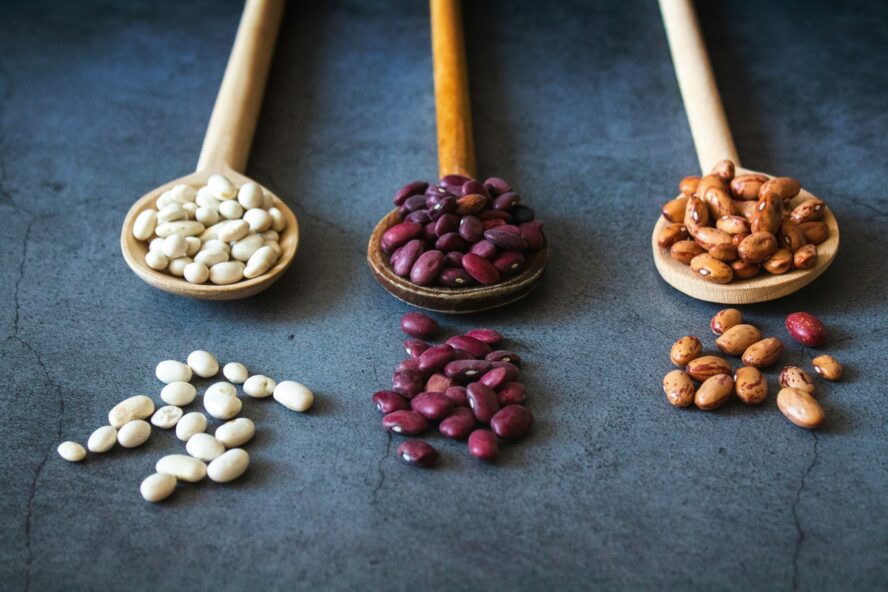
- Pinto beans: If you’re tight on your food budget, pinto beans are a great option — they typically cost less than other beans, and you don’t have to sacrifice nutrition for affordability. Pinto beans contain 7.7 grams of protein and 7.7 grams of fiber per ½ cup serving.
- Kidney beans: These beautiful red common beans are high in protein, and although they have a slightly lower fiber content, they make up for it in iron. They offer 7.65 grams of protein, 5.65 grams of fiber, and around 1.5 mg of iron per cooked ½ cup.
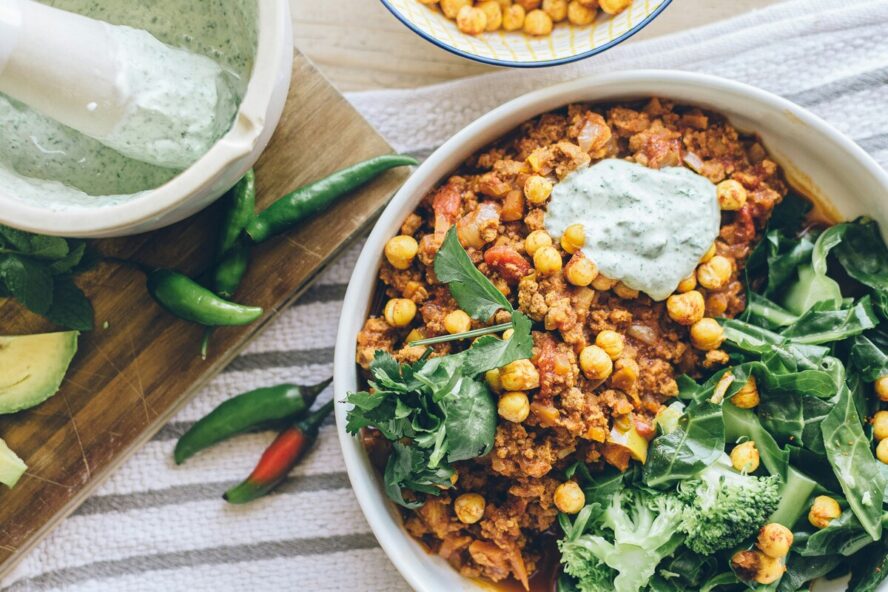
- Chickpeas: Chickpeas, also known as garbanzo beans, are well known for their starring role in hummus. They contain 5.35 grams of protein and 4.75 grams of fiber per cooked ½ cup.
- Navy beans: The award for beans with the highest fiber content goes to navy beans, at around 9.5 grams of fiber and 7.5 grams of protein per ½ cup cooked.
- Lentils: These fast-cooking legumes are super versatile and serve as a great ingredient for dips, entrees, and soups. They contain 9 grams of protein, 7.8 grams of fiber, and even 179 mg of folate per ½ cup.
How to Incorporate Beans in Your Diet
If you’re new to eating beans, be sure to start small and drink plenty of fluid when you start to introduce them into your diet. This will help your digestive system slowly get used to the high concentration of fiber.
To help minimize the gas produced by eating beans, start with small portions and drink plenty of fluid to assist digestion.
Other than taking it slow in the beginning, the sky’s the limit when it comes to beans. Here are some ideas for ways to add beans to your existing diet:
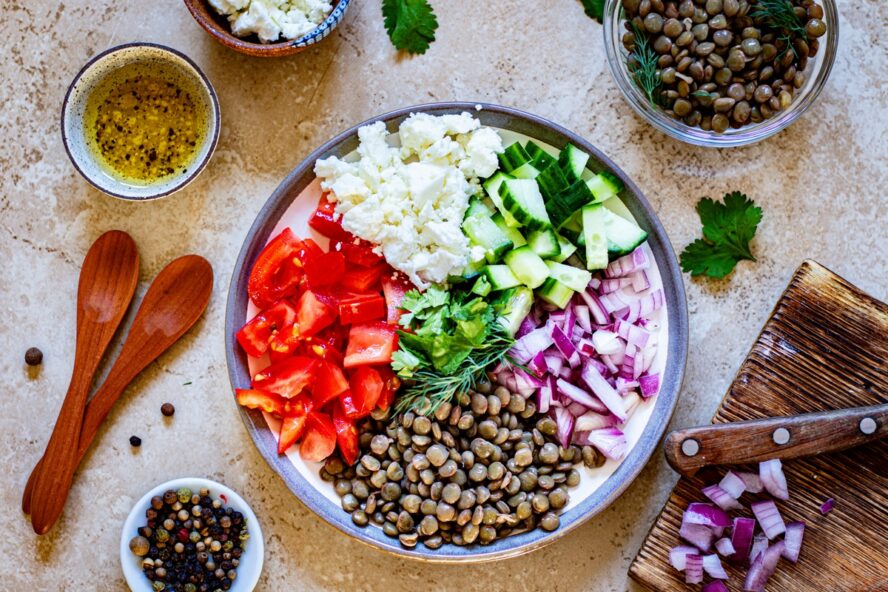
- Salad topping: Add texture, color, and nutrition to your salad by adding beans on top of your preferred greens. Or if you’d rather give beans more of a chance to shine, combine a few different types of beans with diced bell peppers, onions, and cucumber for a basic bean salad. Drizzle vinaigrette on top for a delicious side dish or lunch.
- Soup star: Add beans or lentils to a vegetable-based broth, along with other veggies like diced tomatoes, chopped carrots, sliced onions, cabbage, and potatoes. You’ll be left with a rich and nutrient-dense soup that’s sure to satisfy.
- Bean dip: Mash or puree your favorite beans to create spreads for sandwiches and crackers or dips for chips and vegetables.
- Taco topping: Add beans on tacos to help hold ingredients together and deliver a creamy flavor, or just nix ground meat altogether and enjoy bean tacos instead.
- Plant-based burgers: Mashed black beans, soft tofu, and spices like cumin and paprika can be combined to create delicious black bean burgers if you’re craving a convenient and nutritious meal.
Frequently Asked Questions
Yes, beans can cause gas, especially if you’re new to eating them. To help minimize the gas produced by eating beans, start with small portions and drink plenty of fluid to assist digestion. If you’re still dealing with gas, you can also try soaking dried beans overnight or draining and rinsing canned beans to remove fermentable carbohydrates.
Yes, canned beans can be a convenient alternative to dried beans — simply rinse canned beans to reduce sodium. Just be sure to choose canned beans packaged in BPA-free cans when possible. Overall, you should go with the option that makes it more likely that you’ll actually eat your beans. Canned beans are often more convenient to cook, which can make it more likely that they’ll become a staple in your diet.
Yes, you can definitely eat beans every day, as seen in the studies conducted on people living in Blue Zones. Just be sure to try a variety of beans and bean recipes to keep your routine fresh and exciting so you’re more likely to stick with your bean intake for the long term.
The protein in beans is different from the protein from meat — it provides almost all of the same satiety and nutritional benefits, but it is not necessarily as “complete” as animal protein. Meat offers all nine essential amino acids, while most beans are lower in certain amino acids — but that can be easily remedied by combining beans with grains like rice.
Beans contain around 7 to 9 grams of protein per ½ cup serving, while chicken contains about 7 grams of protein per ounce.
When eaten as part of a healthy, balanced diet, beans can help support weight management.
The Bottom Line
In a time of rising food costs, beans are your health and budget ally. Whether you’re going for canned beans or dried beans, you’re unlocking a powerful source of protein (as well as fiber and antioxidants) at a fraction of the price as animal proteins. Even researchers agree that the health benefits of beans can support longevity and quality of life — not to mention that their low carbon footprint makes them a sustainable food that supports environmental health, too32. Add beans and legumes to your diet today for a healthier (and maybe wealthier!) tomorrow.
Sources:
- https://meatlessmonday.publichealth.jhu.edu/resources/facts-about-beans-and-health
- https://www.hopkinsmedicine.org/-/media/bariatrics/nutrition_protein_content_common_foods.pdf
- https://www.health.harvard.edu/nutrition/nutritional-power-couples
- https://www.bluezones.com/2020/07/blue-zones-diet-food-secrets-of-the-worlds-longest-lived-people/
- https://www.bluezones.com/recipes/food-guidelines/
- https://www.eurekalert.org/news-releases/1084815
- https://pmc.ncbi.nlm.nih.gov/articles/PMC11536469/
- https://www.ahajournals.org/doi/10.1161/JAHA.123.032708
- https://fred.stlouisfed.org/series/APU0000708111
- https://www.walmart.com/ip/Great-Value-Black-Beans-15-oz-Can/10534038?classType=REGULAR&athbdg=L1200
- https://www.walmart.com/browse/food/chicken-drums-thighs/976759_9569500_1001443_6133868
- https://www.mayoclinichealthsystem.org/hometown-health/speaking-of-health/dried-beans-healthy-meals
- https://pmc.ncbi.nlm.nih.gov/articles/PMC11104268/
- https://www.mayoclinic.org/healthy-lifestyle/nutrition-and-healthy-eating/in-depth/fiber/art-20043983
- https://pubmed.ncbi.nlm.nih.gov/34642756/
- https://pubmed.ncbi.nlm.nih.gov/37960148/
- https://www.tandfonline.com/doi/10.1080/10408398.2020.1762162?url_ver=Z39.88-2003&rfr_id=ori:rid:crossref.org&rfr_dat=cr_pub%20%200pubmed
- https://www.tandfonline.com/doi/full/10.1080/09540105.2024.2384420
- https://nutritionsource.hsph.harvard.edu/legumes-pulses/
- https://pmc.ncbi.nlm.nih.gov/articles/PMC9100130/
- https://pmc.ncbi.nlm.nih.gov/articles/PMC12655149/
- https://pmc.ncbi.nlm.nih.gov/articles/PMC12107252/
- https://www.tandfonline.com/doi/10.1080/09637486.2023.2170335?url_ver=Z39.88-2003&rfr_id=ori:rid:crossref.org&rfr_dat=cr_pub%20%200pubmed
- https://www.sciencedirect.com/science/article/pii/S0002916523048931?via%3Dihub
- https://communityhealth.mayoclinic.org/featured-stories/black-bean-benefits
- https://fdc.nal.usda.gov/food-details/175188/nutrients
- https://fdc.nal.usda.gov/food-details/175188/nutrients
- https://fdc.nal.usda.gov/food-details/173740/nutrients
- https://fdc.nal.usda.gov/food-details/173801/nutrients
- https://fdc.nal.usda.gov/food-details/173746/nutrients
- https://fdc.nal.usda.gov/food-details/172421/nutrients
- https://pmc.ncbi.nlm.nih.gov/articles/PMC7915747/


