


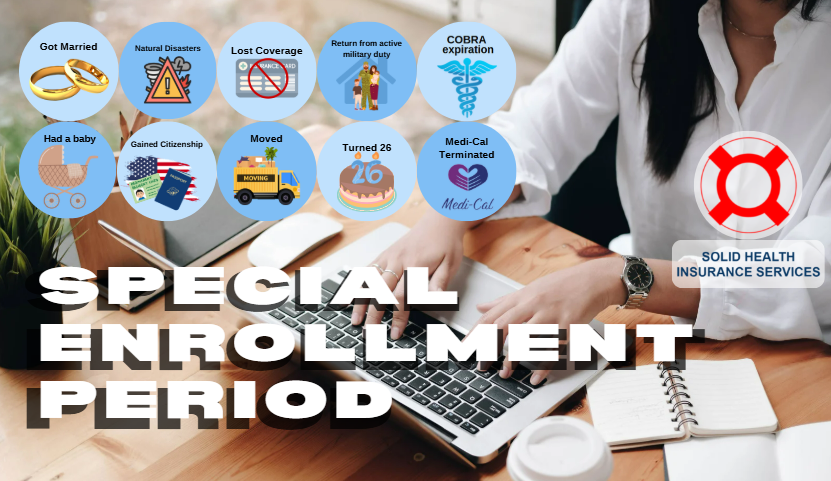
Beginning February 1, 2026, the Special Enrollment window opens. From February 1 through October 31, 2026, individuals who want to sign up for coverage or modify their current plan must have experienced a qualifying life event within the previous 60 days. Listed below are several of the most common life changes that may make you eligible to obtain new health coverage.
Key Changes to Special Enrollment Periods (SEPs)
- Elimination of Low-Income SEP (August 2025): Previously, individuals earning up to 150% of the Federal Poverty Level could enroll year-round. However, the nationwide low-income Special Enrollment Period ended on August 25, 2025.
- Subsidy Restrictions for Non-Life Events (2026): This 2026, new subsidy restrictions apply under the One Big Beautiful Bill Act (OBBBA). Specifically, individuals enrolling without a qualifying life event lose premium tax credit eligibility. As a result, coverage may become significantly more expensive.
- Stricter Eligibility Verification: Previously, HealthCare.gov allowed self-attestation for many SEP categories. Now, a 2025 rule requires pre-enrollment verification for at least 75% of applications. Additionally, the rule applies beyond simple loss-of-coverage cases. Currently, courts are reviewing this policy in early 2026.
- Medicaid/CHIP “Unwinding” SEP Extension: After pandemic protections ended, many individuals lost Medicaid or CHIP coverage. Therefore, the Marketplace extended the temporary SEP through November 30, 2024.
- Earlier Coverage Start Dates: In 2022, HealthCare.gov removed the mid-month enrollment deadline.
- Consequently, SEP coverage now typically begins on the first day of the next month.
Standard Qualifying Life Events (Unchanged)
Despite the new restrictions, standard SEPs still apply for the following major life changes, usually within a 60-day window:
- Loss of Health Coverage: Losing job-based healthinsurance, aging off a parent’s plan at 26, or losing Medicaid/CHIP.
- Household Changes: Getting married, having or adopting a baby, or a death in the household that results in a loss of coverage.
- Residence Changes: Moving to a new ZIP code into a differnt region or county, or moving to the U.S. from a foreign country.
As of 2026, verification rules for Special Enrollment Periods (SEPs) have become significantly stricter. Under rules finalized in 2025, Covered CA marketplace now requires pre-enrollment verification for approximately 75% of all SEP applications. You typically have 30 days after picking a plan to submit the following required documents, or your coverage may be canceled.
Required Documents by Event
- Loss of Health Coverage
- Termination letter from your previous employer or insurance company.
- COBRA notice or a “Certificate of Credible Coverage” (HIPAA letter).
- Medicaid/CHIP denial or termination notice.
- Marriage
- Marriage certificate or license showing the date of marriage.
- Official government record of a domestic partnership registration.
- Note: You may also need to prove at least one spouse had “minimum essential coverage” for one day in the 60 days prior to the marriage.
- Birth or Adoption
- Birth: Official birth certificate, hospital discharge papers, or medical records (e.g., hospital wristband or footprint certificate).
- Adoption: Certified adoption order, legal adoption notice, or foster care placement papers signed by a court official.
- Moving
- Proof of new residence: Lease or rental agreement, mortgage deed, or a utility bill with your new address.
- Proof of prior coverage: Documentation (like an insurance letter) showing you had qualifying coverage for at least one day in the 60 days before your move.
- Other Events
- Turning 26: A termination letter from your previous health plan and legal ID (Driver’s License or Passport) showing your birthdate.
- Divorce/Death: A divorce decree, legal separation papers, or a certified death certificate.
As you can see, the 2026 Special Enrollment rules are more structured and documentation-driven than in prior years. Because income-based enrollment without a qualifying life event no longer qualifies for subsidies, timing and proper documentation are now more important than ever. Missing paperwork or deadlines can result in delays, higher premiums, or even cancellation of coverage.
If you believe you qualify for a Special Enrollment Period, it is critical to act within the 60-day window and gather the required documents promptly. Reviewing your situation early helps prevent surprises and ensures you secure the most appropriate coverage available.
If you have any questions about your eligibility for health insurance during the Special Enrollment Period, please do not hesitate to ☎️contact us, email or click here to schedule a meeting with us . At Solid Health Insurance Services, we strive to find our clients the right health, dental, vision, life, and long-term care insurance that best fits their budget and medical needs.

