



On March 24, as it has nearly every year since 2004, the Environmental Working Group released its annual Shopper’s Guide to Pesticides in Produce. This guide analyzes USDA data on pesticide residues on non-organic produce samples to assemble a list of the most- and least-contaminated conventional fruits and vegetables, which EWG brands as its Dirty Dozen™ and Clean Fifteen™.
This year’s Dirty Dozen is dominated by leafy green vegetables, which take the top two spots on the list with regards to pesticide contamination. Among the pesticides detected on these fruits and vegetables include several PFAS pesticides, or pesticides that feature harmful per- and polyfluoroalkyl substances. Also known as “forever chemicals,” PFAS are characterized by a particular pervasiveness in the environment.
Why Does This Keep Happening?
For EWG Science Analyst Varun Subramanian, continued widespread contamination stems directly from insufficient regulation on the part of the EPA, despite research continuously pointing towards the dangers of widespread pesticide use.
“All indications point to persistent pesticide contamination of produce in the absence of revised, science-grounded legal limits,” he explains. And unfortunately, Subramanian doesn’t see any reason to think things will improve any time soon.
“EPA is in an aggressive deregulatory posture when it comes to toxic chemicals and other issues impacting public health and the environment,” he says, citing recent moves to register four new PFAS pesticides. This is especially disappointing, he says, “at a time when scientists around the world are raising concerns about the health impacts of our overuse of PFAS pesticides and other leading regulatory bodies, such as the European Food Safety Authority, are actively reviewing several PFAS pesticides to account for recent findings of toxicity.”
“Actions such as these indicate that stronger regulation of pesticides in the current administration looks unlikely,” he continues. “In fact, it appears that we are heading in the opposite direction of our international peers when it comes to regulating pesticides.”
When regulatory bodies fail to take action on our behalf, it puts the responsibility on us as consumers to do our own research and make choices to protect our health. It’s all the more reason for us to take full advantage of tools like the Dirty Dozen and Clean Fifteen to better inform our shopping. Here are the main takeaways from this year’s report.
The Dirty Dozen Features Highly Contaminated Produce
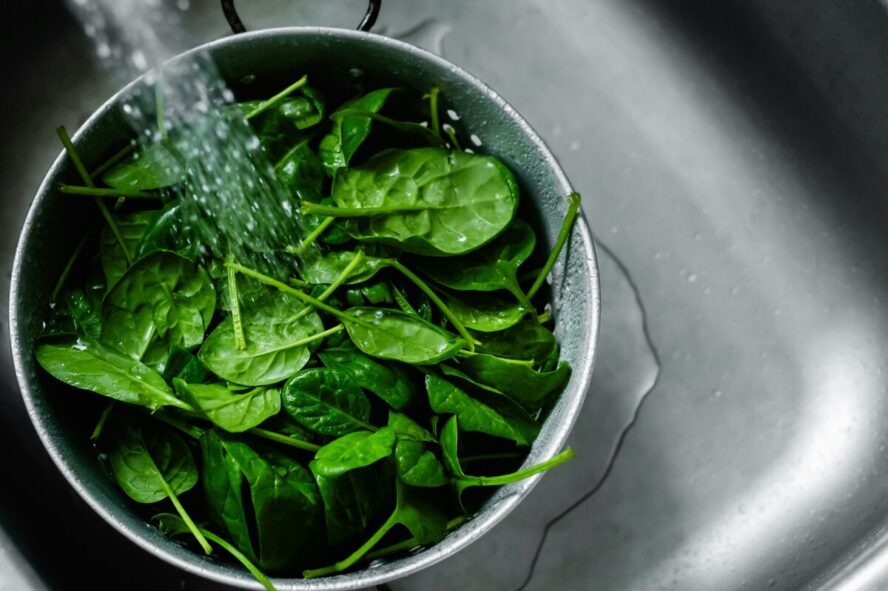
The EWG’s Dirty Dozen list spotlights the produce items most likely to be contaminated by pesticides. Overall, 75% of conventional produce samples contained pesticide residues. In contrast, a whopping 96% of the Dirty Dozen samples were contaminated, as compared to just 40% of Clean Fifteen samples. In other words, if you buy conventional versions of these produce items, you’re almost guaranteed to be ingesting pesticide residue.
The Dirty Dozen list features a host of ostensibly healthy produce items1:
- Spinach
- Kale, Collard, and Mustard Greens
- Strawberries
- Grapes
- Nectarines
- Peaches
- Cherries
- Apples
- Blackberries
- Pears
- Potatoes
- Blueberries
A total of 203 different pesticides were detected on these crops, and most items had an average of four or more pesticides per sample.
EWG does not recommend cutting out these fruits and veggies, which include some of the most healthful and most consumed items in the average American diet. Instead, EWG recommends seeking out organic versions of these items whenever possible.
The Clean Fifteen Represent Less Contaminated Produce Items
If your budget is stretched (and with the price of groceries these days, whose isn’t?), the Dirty Dozen and Clean Fifteen are helpful tools to know when to splurge and when to save. It’s much better to invest in organic when it comes to the Dirty Dozen and rely on conventional items on the Clean Fifteen list, which are comparatively far less contaminated.
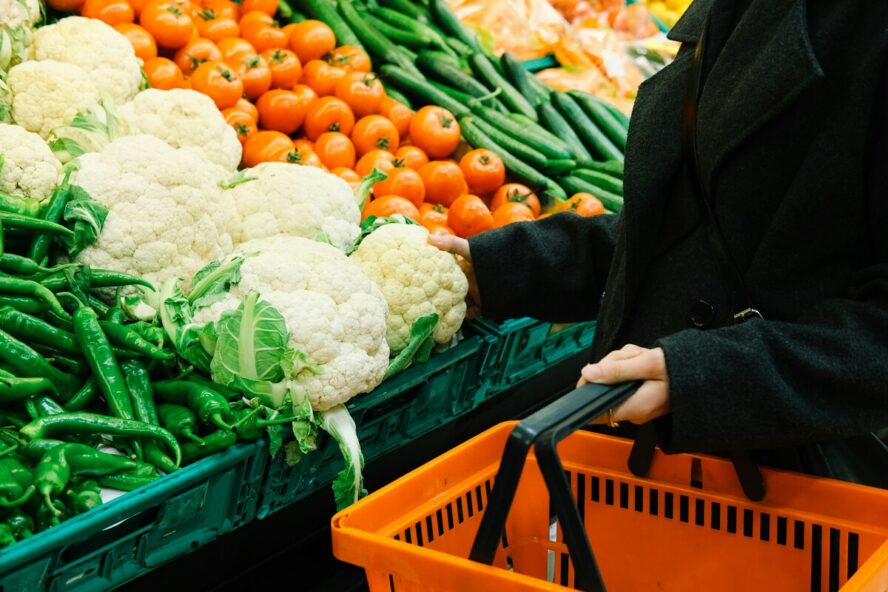
Items on the Clean Fifteen list this year include2:
- Pineapples
- Corn
- Avocados
- Papaya
- Onion
- Sweet Peas (frozen)
- Asparagus
- Cabbage
- Cauliflower
- Watermelon
- Mango
- Bananas
- Carrots
- Mushroom
- Kiwis
PFAS Are Pervasive on Produce
This year, EWG has been particularly attentive to PFAS pesticides. These chemicals have been linked to health issues including immune, thyroid, kidney, and reproductive issues3.
“PFAS pesticides have been used on U.S. produce for multiple years, but we chose to highlight their presence this year in light of increasing public concern about PFAS exposure,” explains Subramanian. “Our spotlight is also aligned with increased concern about and scrutiny of PFAS pesticides from other authoritative bodies, including the European Food Safety Authority, which published a report on the dangers of trifluoroacetic acid (TFA) late last year4.”
If you’ve heard of PFAS before, it’s probably because of their omnipresence in nonstick cookware. It’s a topic we’ve covered extensively at Organic Authority, sharing a guide to the best non-toxic cookware in hopes of helping consumers find safer alternatives. But these annual EWG lists remind us that even if you’ve swapped out your nonstick pans, these persistent chemicals remain a problem.
PFAS pesticides appeared on 63% of produce samples in this year’s Dirty Dozen. And of the ten most detected pesticides on the 54,000 USDA produce samples analyzed by EWG, three met the internationally recognized definition of PFAS. Fludioxonil was present on 14% of all produce samples, making it the most common among them. This fungicide has been linked to hormone disruption in humans5, and runoff in waterways can have devastating impacts on microalgae and ecological balance6.
Organophosphates Are Less Common Than Before
There is a silver lining in this year’s report: The presence of neurotoxic organophosphates has fallen sharply since EWG first began publishing the Shopper’s Guide.
What exactly does this mean for consumers, you might ask? Experts have found that organophosphates can contribute to increased cancer risk in humans7. As a result, they have been banned in many countries, including the EU — but organophosphates remain legal in the US. Luckily, despite this lack of legal action, their use peaked in the ‘70s, at which point they began to be phased out. By 2012, they represented just 33% of insecticide use8.
While EWG celebrates this win, this is nevertheless a slightly hollow victory. “(Organophosphates) are one of the most toxic classes of pesticide, and they’re largely prohibited in the EU,” explains Subramanian. “Due to this toxicity, and corresponding regulations restricting their use, they’ve been steadily replaced by neonicotinoids, which are less toxic to humans. While this is a step in the right direction, neonicotinoids remain problematic due to the significant environmental risks, including collapse of pollinator populations and potential for persistence.”
The long-suspected impact of neonicotinoid pesticides on honeybees was confirmed in 2018 by the European Food Safety Authority9. Some experts even contend that long-term or fetal exposure to neonicotinoids may have neurological impacts, including higher risk of ADHD, autism, and other disorders of the brain or nervous system10. So it’s worth celebrating the small win, but it’s hard to rejoice when we’ve essentially swapped one toxin for another.
Sources:
- https://www.ewg.org/foodnews/dirty-dozen.php
- https://www.ewg.org/foodnews/clean-fifteen.php
- https://www.niehs.nih.gov/health/topics/agents/pfc
- https://www.efsa.europa.eu/sites/default/files/2025-12/2_EFSA_PFAS.pdf
- https://pmc.ncbi.nlm.nih.gov/articles/PMC3537134/
- https://pmc.ncbi.nlm.nih.gov/articles/PMC12116062/
- https://www.sciencedirect.com/science/article/pii/S2213398424000046
- https://pmc.ncbi.nlm.nih.gov/articles/PMC6693380/
- https://www.efsa.europa.eu/en/press/news/180228
- https://www.nrdc.org/media/human-health-risks-neonic-pesticides-7-questions-answered


