



If you’ve heard of using a “gelatin egg” but aren’t quite sure what it is or how it works, you’re not alone.
A gelatin egg is a simple mixture of gelatin and water that can be used as an egg substitute in some recipes—or as a way to add structure and a bit of protein to baked goods.
In this post, I’ll show you how to make a gelatin egg and when it works well—and when it doesn’t—so you can decide if it’s worth using in your recipes.
Why Make a Gelatin Egg?
There are a number of reasons you might want to use a gelatin egg instead of a regular egg.
For some people, it comes down to egg allergies or sensitivities. Eggs are a common allergen, and even mild sensitivities can make it helpful to have alternatives for baking and cooking. We’ve had both life-threatening food allergies and egg sensitivities in our home, so I know how helpful it is to have options available. For example, both my son and I had an egg allergy. I can eat them more freely now, but if he has too many, he doesn’t feel his best—so alternatives like gelatin eggs can really come in handy.
Others may be following a specific way of eating, such as Paleo or AIP, where eggs are limited or temporarily removed. In those cases, having a simple substitute can make it easier to adapt recipes.
A gelatin egg can also be useful if you simply run out of eggs or want a shelf-stable option you can keep on hand.
One of the main advantages is how simple it is. With just two ingredients and no prep beyond mixing, it’s one of the easiest egg substitutes to make.
And of course, with the cost of eggs going up, it doesn’t hurt to have a backup option. I’m all for eating eggs—their nutrition profile is excellent—but saving a bit here and there can be helpful too.
That said, it’s not a perfect replacement in every recipe—but in the right situations, it can be a helpful option to have.
What Is a Gelatin Egg?
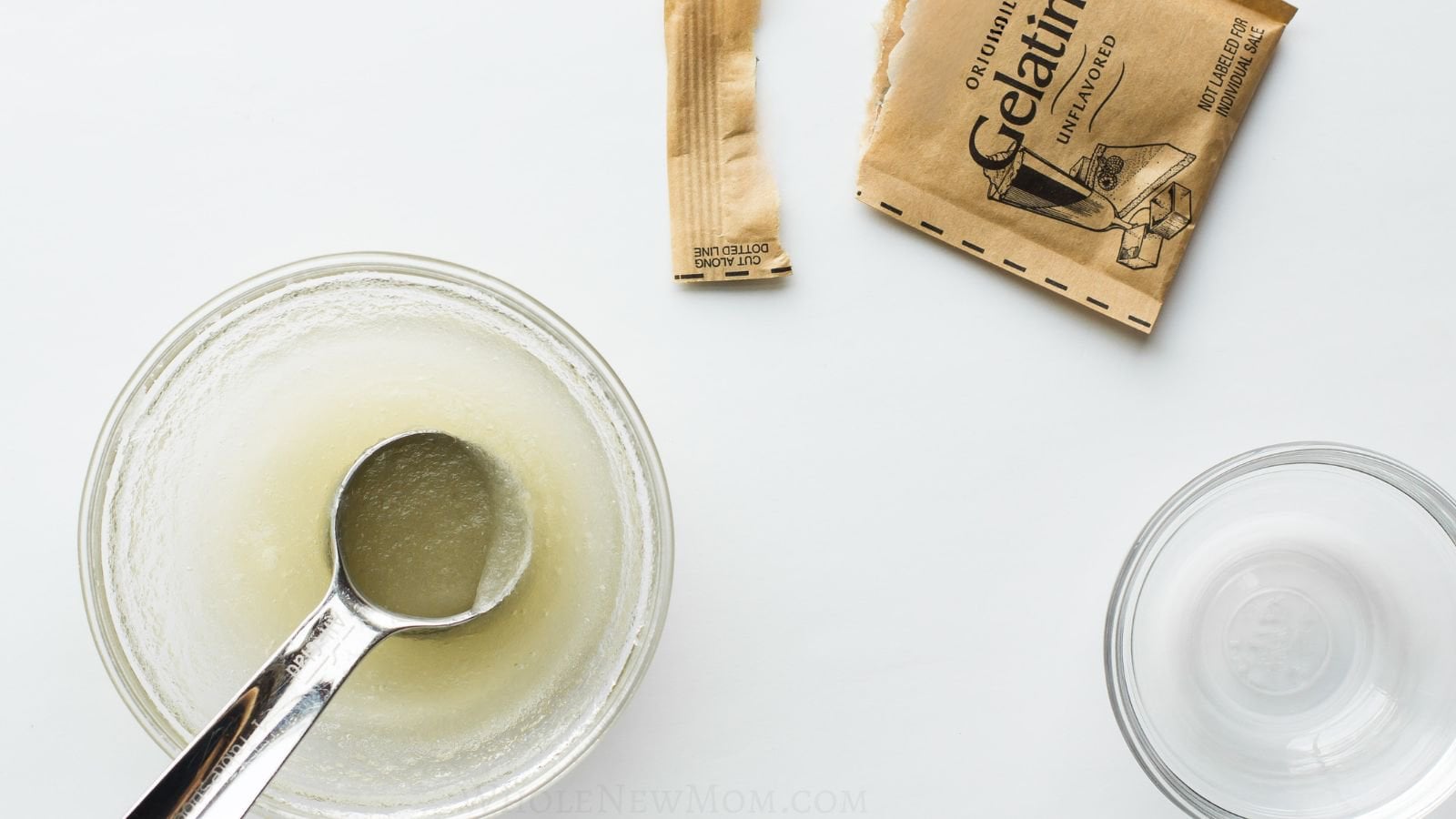
A gelatin egg is an egg substitute that’s made simply from powdered gelatin and water. It adds structure to dishes it’s used in, but unlike an egg, it doesn’t provide any lift.
How to Make a Gelatin Egg
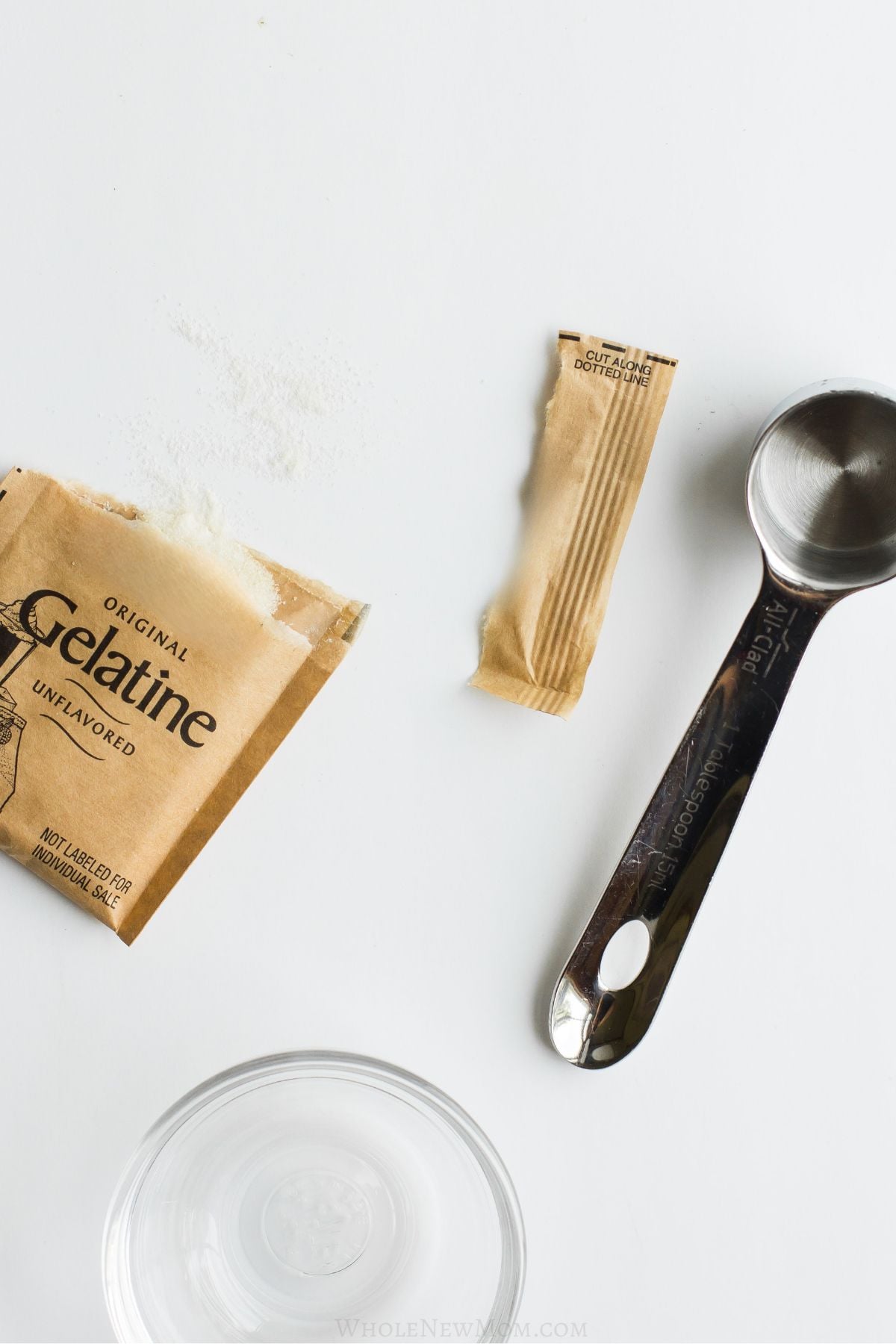
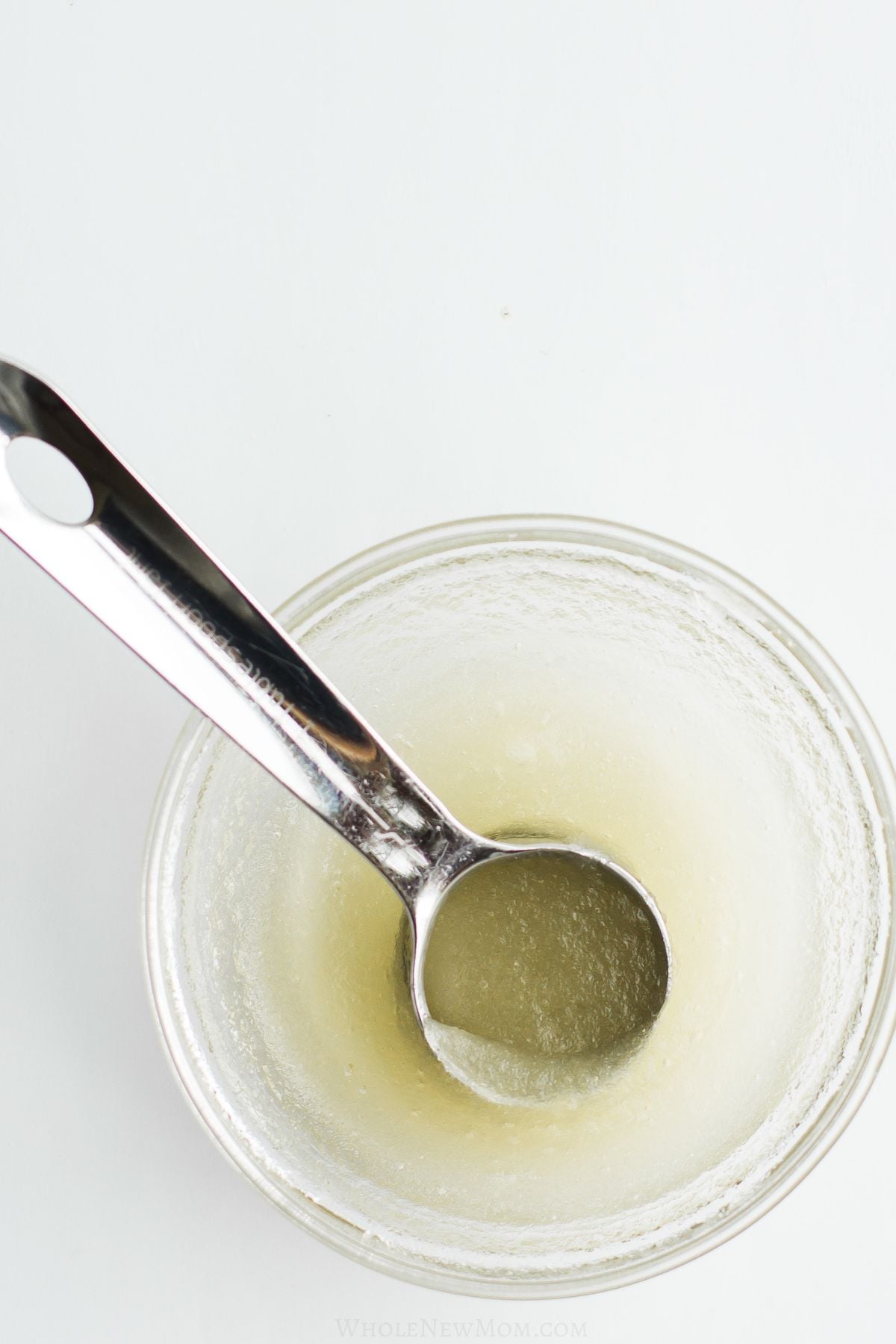
To make a gelatin egg, combine 1 tablespoon gelatin with 3 tablespoons water. Let it sit to bloom, then stir until slightly thickened.
Use in place of one egg in recipes that don’t rely on lift.
For best results, use the gelatin egg right after mixing.
Recipes That Gelatin Eggs Work Well In
A gelatin egg helps bind ingredients together in recipes. It adds structure and slightly firms texture. It works well for recipes like:
- cookies (especially dense ones like these Keto Breakfast Cookies)
- bars
- muffins (sometimes)
- coconut flour recipes
When a Gelatin Egg Does NOT Work Well
To help you avoid disappointment, gelatin eggs do not work well in:
- cakes or cupcakes needing rise
- fluffy baked goods
- anything relying on air/whipping
In general, gelatin eggs work best in recipes where the egg is mainly providing structure or helping ingredients hold together. This includes things like cookies, bars, and some muffins—especially those made with coconut flour or other grain-free flours that tend to be more crumbly.
If you use a gelatin egg in baked goods that are meant to be light and airy, the texture can end up more dense or slightly rubbery. It’s best to think of a gelatin egg as a structural substitute—not a full replacement for everything an egg does.
How a Gelatin Egg Compares to Other Egg Substitutes
There are quite a few egg substitutes you can use in baking, and each one works a little differently.
Flax eggs and chia eggs are two of the most common options. They’re great for adding structure and a bit of fiber, but they can have a slightly noticeable texture and need to be mixed fresh each time. Ground flax also spoils quickly, so it’s best to grind it fresh or store it carefully.
Powdered egg replacers are another option. They’re convenient and shelf-stable and provide lift, but contain multiple ingredients and can vary depending on the brand. They can also be higher in carbohydrates, depending on the brand, which may not be ideal if you’re watching your carb intake.
A gelatin egg is different. It’s very simple—just gelatin and water—and tends to have a more neutral texture in certain recipes. It also uses ingredients that are shelf-stable, which can make it a convenient option to keep on hand.
That said, no egg substitute works perfectly in every situation, so it’s helpful to choose based on the type of recipe you’re making.
What Kind of Gelatin Is Best?
The quality of gelatin is important, especially if you’re using it regularly.
Look for gelatin that is sourced from pasture-raised or grass-fed animals, and ideally from companies that provide third-party testing or a certificate of analysis (COA).
Some brands that are commonly used include Vital Proteins, Further Food, and Perfect Supplements. I personally prefer options that provide clear sourcing and testing information.
I tend to look for brands that are transparent about sourcing and provide testing details. That’s one of the reasons I use Perfect Supplements, since they make that information easy to access. They’re also reasonably priced, and using code WNM gives an additional 10% off.
Of course, buying an unflavored unsweetened gelatin is the best option when using a gelatin egg in this manner.
Frequently Asked Questions
Can I use a gelatin egg in any recipe?
No. Gelatin eggs work best in recipes where eggs provide structure, like cookies or bars. They don’t work well in recipes that rely on eggs for lift, such as cakes or fluffy baked goods.
Does a gelatin egg taste different?
Gelatin is mostly neutral in flavor, so in most recipes you won’t notice a difference. Texture changes are more noticeable than taste.
Can I make this vegan?
You can try using agar instead of gelatin, but results will vary depending on the recipe. To do so, use the same amount of agar powder as gelatin, but if using agar flakes, you’ll use 3 times the amount.
How long does a gelatin egg last?
It’s best to use it right after mixing because it will continue to firm up as it sits and becomes harder to mix.
Other Ways to Use Gelatin
If you’re looking for other ways to use gelatin, here are a few options:
Gelatin isn’t just used in recipes—it’s also used in DIY personal care. For example, I’ve included a simple gelatin mask in this roundup of hair masks, which uses similar properties to help improve texture and manageability.
-
Sprinkle the gelatin over the water and let it bloom for about 1 minute.
-
Stir until the mixture thickens slightly and is fully combined.
-
Use quickly in place of one egg in recipes that don’t rely heavily on lift.
- Use case: Gelatin eggs work best in recipes where eggs provide structure, such as cookies, bars, and some muffins.
- Not for all recipes: This substitute does not work well in recipes that rely on eggs for lift, such as cakes or fluffy baked goods.
- Texture: Baked goods made with a gelatin egg may be slightly denser or firmer.
- Use right away: For best results, use the gelatin egg soon after mixing.
- Vegan option: Agar can sometimes be used instead of gelatin, but results may vary depending on the recipe.
Calories: 23kcal | Protein: 6g | Fat: 0.01g | Sodium: 16mg | Potassium: 1mg | Calcium: 5mg | Iron: 0.1mg
Nutritional information is provided as a courtesy and is merely an approximation. Optional ingredients are not included and when there is an alternative, the primary ingredient is typically used. We cannot guarantee the accuracy of the nutritional information given for any recipe on this site. Erythritol carbs are not included in carb counts since they have been shown not to impact blood sugar. Net carbs are the total carbs minus fiber.

