


If you’re searching for a Malta travel guide that is going to give you the best things to do in Malta, so that you can plan your unforgettable trip here, you’ve arrived at the perfect post.
Malta feels as if someone dropped a fragment of southern Europe into the middle of the Mediterranean with traces from every era of history. Phoenicians, Romans, Arab rulers, the Knights of St John and the British Empire have all left their mark, giving this small island in Southern Europe a heritage far beyond its diminutive size.
The result is a sun-bleached archipelago where baroque domes rise above fishing boats painted in bright primary colours, and where your morning espresso is served on a ferry passing beneath the walls of a fortress built to repel Ottoman invaders.
Perhaps unsurprisingly, one of the main attractions of travelling to Malta is how easy it is to get around, with nowhere more than a ninety-minute drive. The Mediterranean is rarely out of sight, and the principal sites of Malta are scattered across its island but within easy reach.
Let’s dive into this complete Malta travel guide…
The best time to visit Malta?
Malta is enjoyable year-round, but April through June and September – October are the absolute sweet spots. Café tables spill into the streets, without the fear of burning to a crisp, and the sea is warm and inviting. While you won’t have the island to yourself, crowds are noticeably thinner than peak summer.
July and August are beautiful – the sea literally sparkles under fifteen hours of daylight, but it’s intensely hot. Combine this with an influx of European holidaymakers, and things can get crowded. Plan accordingly: early starts, long lunches (followed by siestas) and leisurely evenings that stretch late, as the island cools.
Winter is quieter and surprisingly mild, with some glorious days possible. You won’t want to take a dip in the med, but Valetta and other towns still hum with life and often feel far more relaxed without the summer crowds.
How long to spend in Malta?
Malta works equally well as a long weekend destination or a longer, lazy stay.
Three days is enough to explore Valletta, wander Mdina and spend time by the sea. With an extra couple of days, you can comfortably explore Gozo, explore a few historic sites and allow Malta’s relaxed Mediterranean rhythm to take hold. With even longer, you’ll slip into a distinctly Mediterranean pace of life, which you’ll find hard to pull away from.
Where to stay in Malta?
First-time visitors usually choose between Valletta, Sliema, or St Julian’s, which have the highest hotel density.
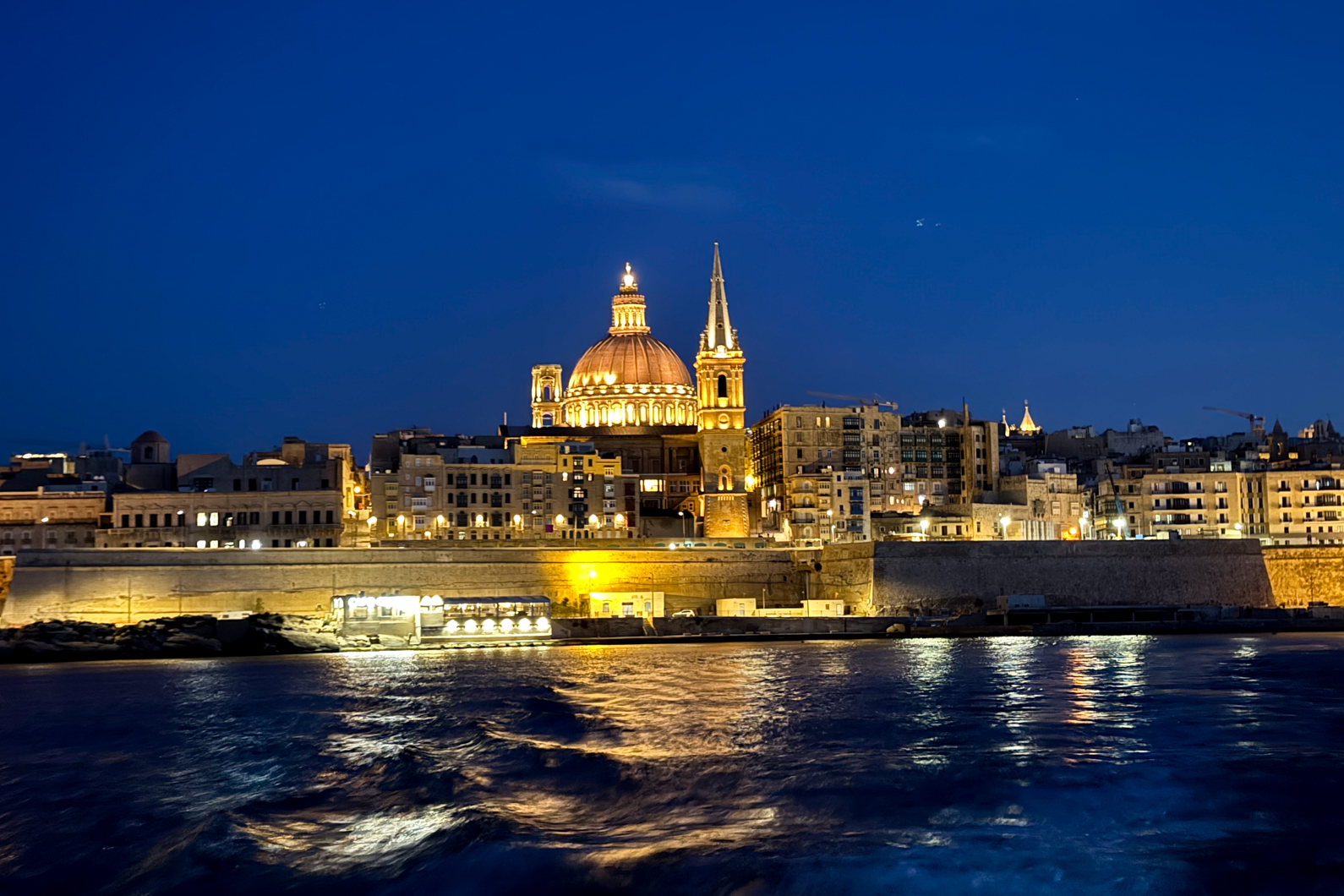
Valletta is the most atmospheric choice. Malta’s capital is compact and elegant, filled with sandstone streets that glow gold in the evening light. Boutique hotels occupy centuries-old buildings, and everything – from sites to restaurants and bars – is walkable
Sliema, just across the harbour from Valletta with ferry connections taking just 10 minutes and costing €3 is more modern, with a long seafront promenade and plenty of restaurants.
St Julian’s is the liveliest area, particularly around Paceville. If you enjoy late dinners, busy bars and nightlife, this is where most of it happens. Frequent buses whisk you into Valletta.
For something altogether quieter, consider staying on Gozo, Malta’s smaller and more rural sister island.
The best way to get around Malta?
Transport on Malta takes a bit of getting used to, but it is inexpensive and relatively reliable.
Plan journeys using the island’s public transport website. Single tickets start from €2, with most visitors finding a 4-day or 7-day pass (€21/€27) or 12 single tickets (€19) the most useful. Details of passes can be found here. Visitors and locals alike use the Tallinja app, which you’ll want to download.
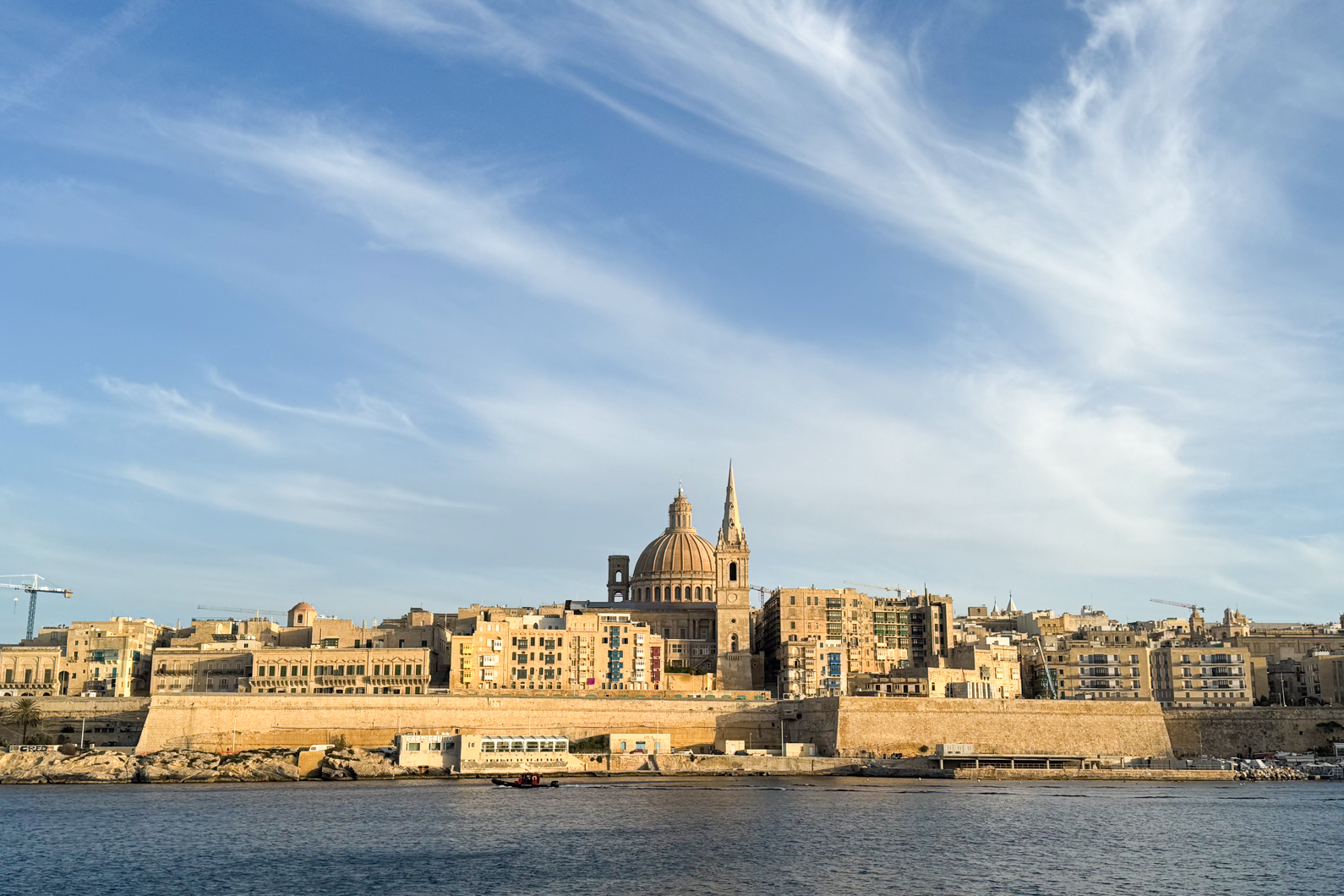
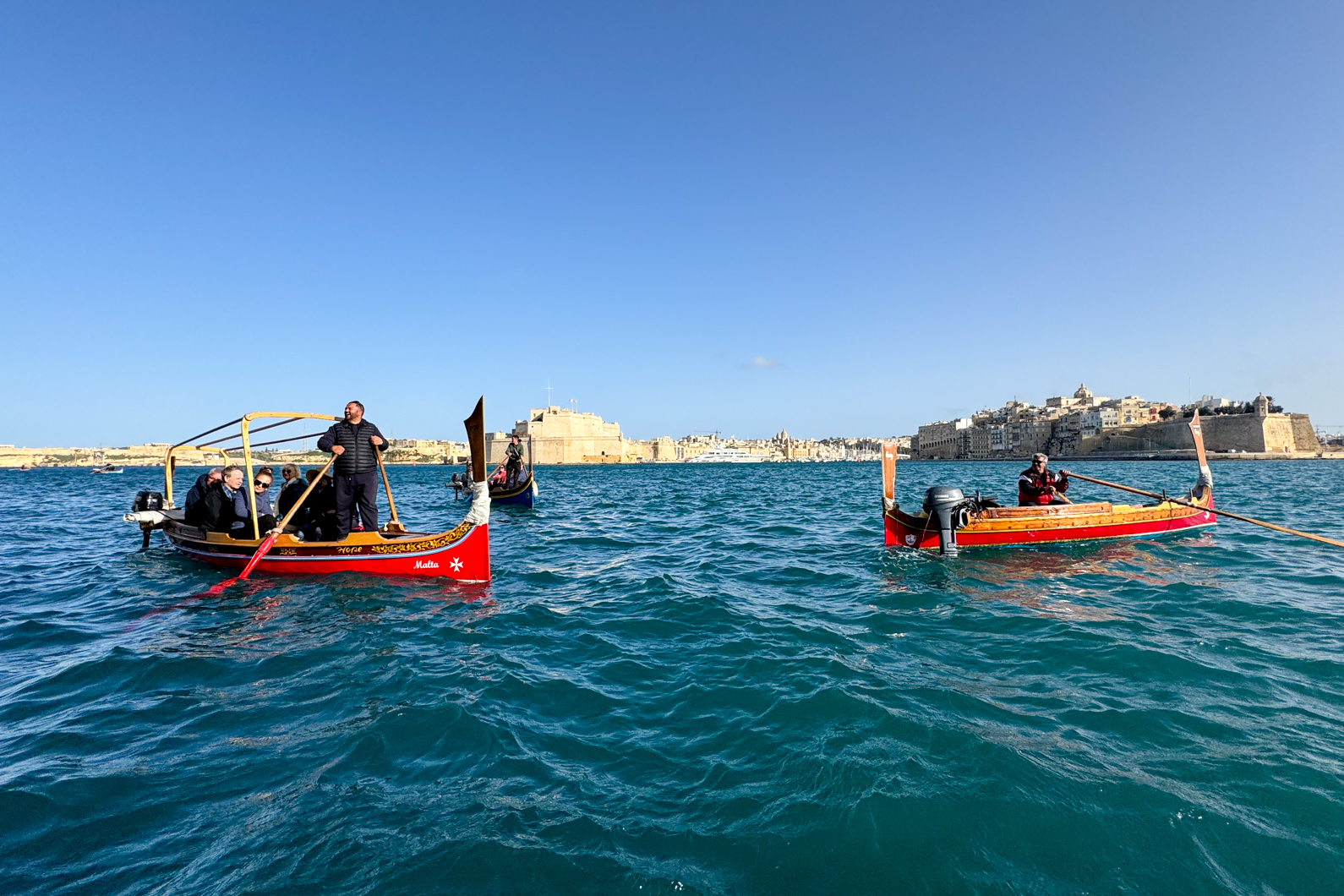
The harbour ferries between Valletta, Sliema and the Three Cities on the other side of Valletta are useful in their own right and also offer some of the best views in the country. Most depart every 10-15 minutes.
If you want more flexibility, renting a car makes exploring the island and the best things to do in Malta much easier, especially for beaches, archaeological sites and villages. Finding parking in Valletta or Sliema is rarely straightforward, so plan ahead. Malta drives on the left.
1. Wander the golden streets of Valletta
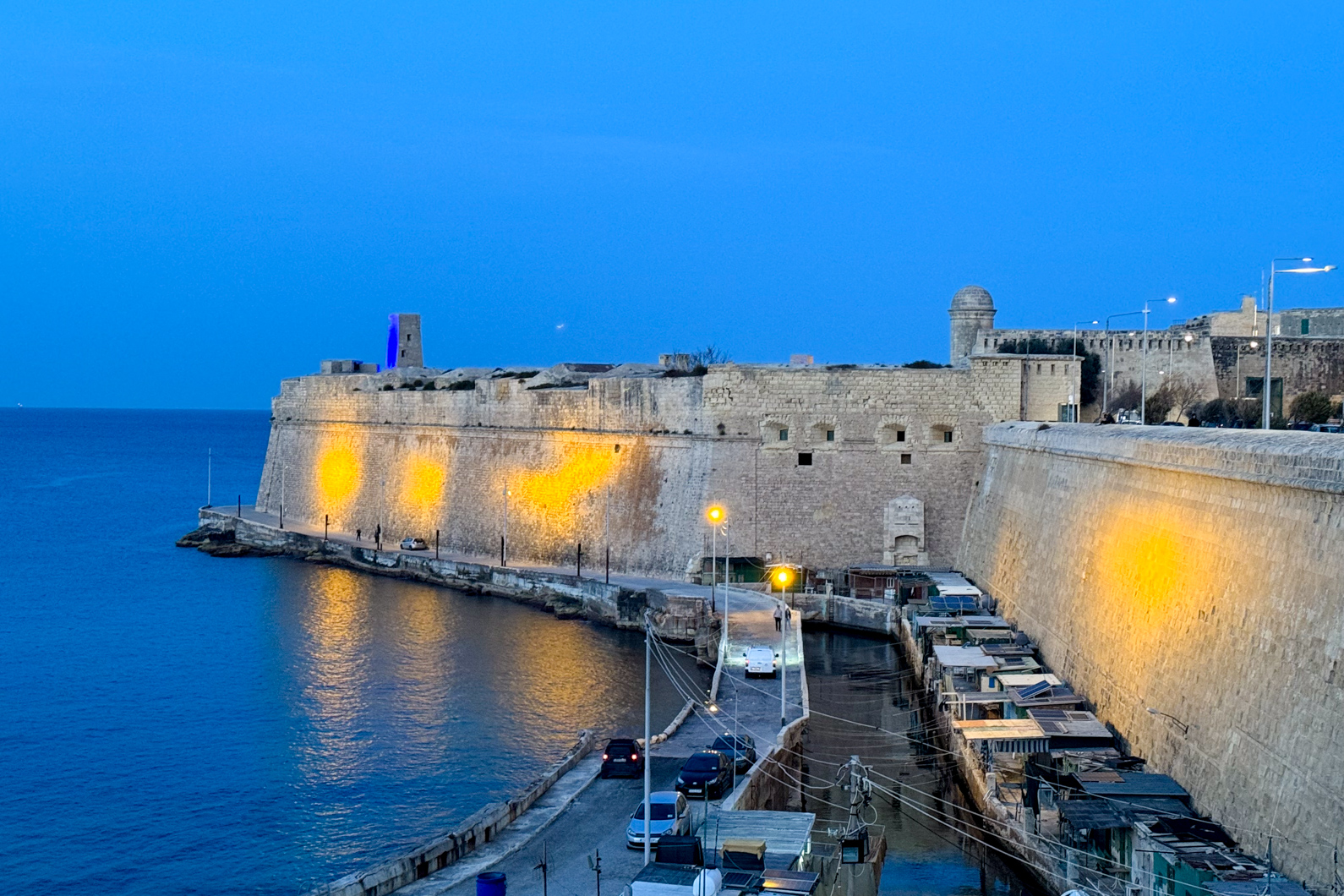
Valletta is one of Europe’s smallest capitals, but its history packs one heck of a punch. Built by the Knights of St John after the Great Siege of 1565, the city rises from the sea in a grid of steep streets, balconies and cathedral domes.
The capital’s highlight is St John’s Co-Cathedral, which from the outside appears surprisingly restrained. Inside, it’s unapologetically extravagant, think gold leaf, marble tombs and Caravaggio paintings competing for attention. Let’s just say the Knights didn’t lack for wealth.
From here, wander the five minutes to Upper Barrakka Gardens, where cannons overlook the Grand Harbour, and ferries glide between fortified peninsulas. Stroll downhill and grab a ferry to Vittorio, Senglea or Cospicua, the three cities, which served as the base for the Knights who founded Valletta. Despite their rich history, these are quieter, more local and a delightful spot for an aperitivo.
One of the best ways to sample Valletta and one of the best things to do in Malta is to jump on a food tour, which provides a crash course in the cultures that have shaped it over the centuries. From local wines and beers to Italian-style pastizzi and equally sweet imqaret to some of the freshest fruit you’ll ever taste, interspersed with history and gossipy anecdotes, you’ll leave with a far greater understanding of the culture…together with a very full stomach. Don’t have a big breakfast prior.
2. Step back in time in Mdina
Mdina sits on a hill in the centre of Malta and feels entirely separate from the modern world. Known as the Silent City, its history dates back 4,000 years, spanning Phoenician, Roman and Arab adventures. Quite the Eras Tour! If diving into history is a bit of you – this is one of the best things to do in Malta.
The current city (which feels a generous title given its size) is a maze of narrow lanes, heavy wooden doors and aristocratic palaces carved from the island’s honey-coloured limestone. Enter through the monumental Mdina gate and the atmosphere changes immediately, with cars a rare sight and narrow lanes twisting in all directions.
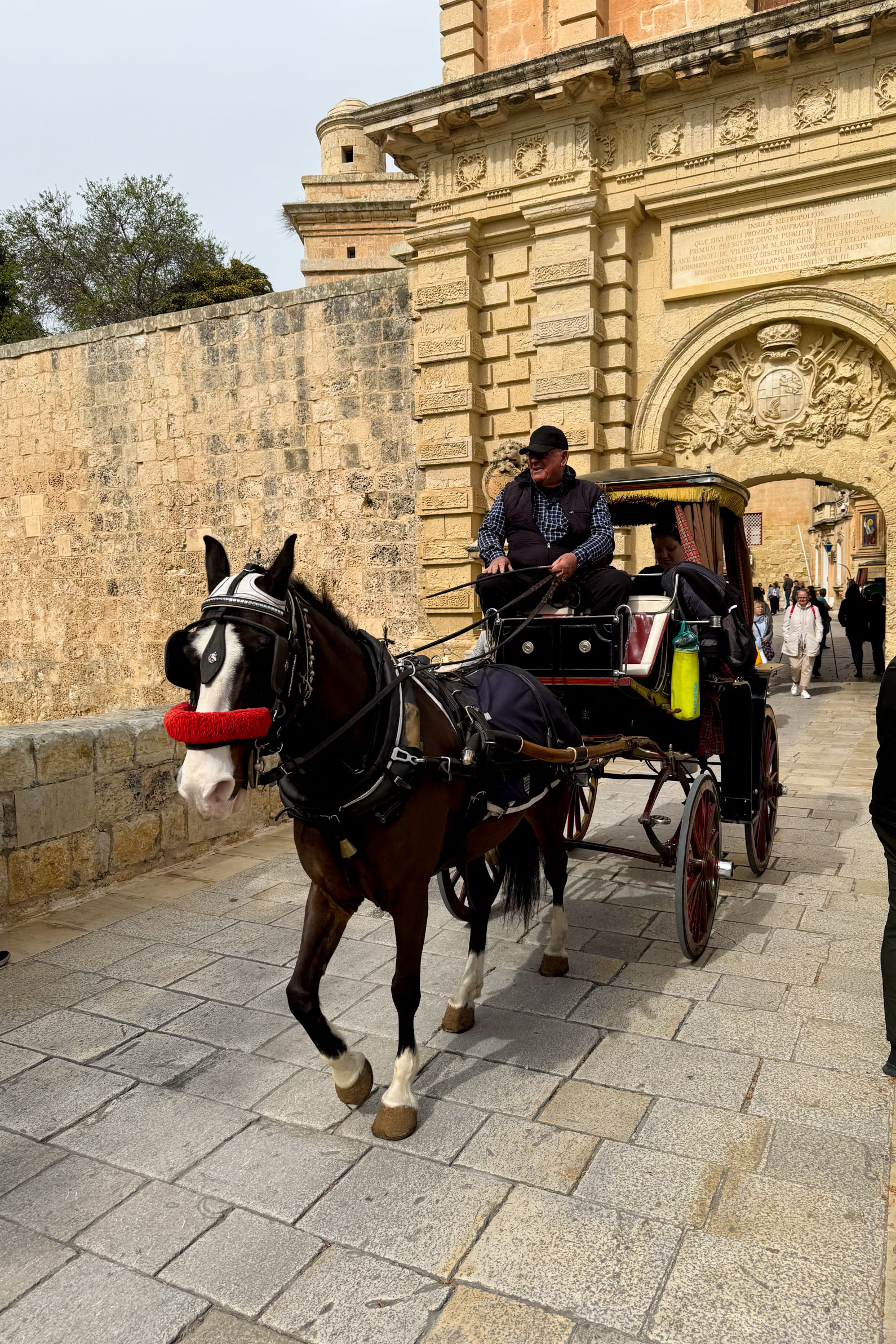
The bastion walls offer sweeping views across the island, particularly beautiful in the late afternoon when the surrounding countryside glows in warm light. St Paul’s Cathedral is a masterpiece of Baroque architecture and the Mdina dungeons represent a darker side to the city’s history. All three can be visited within a couple of hours.
If possible, stay until evening. Once the day-trippers leave, Mdina becomes wonderfully atmospheric, as lanterns glow against the stone and the city returns to the calm that earned it its nickname.
3. Swim in the brilliant Blue Lagoon
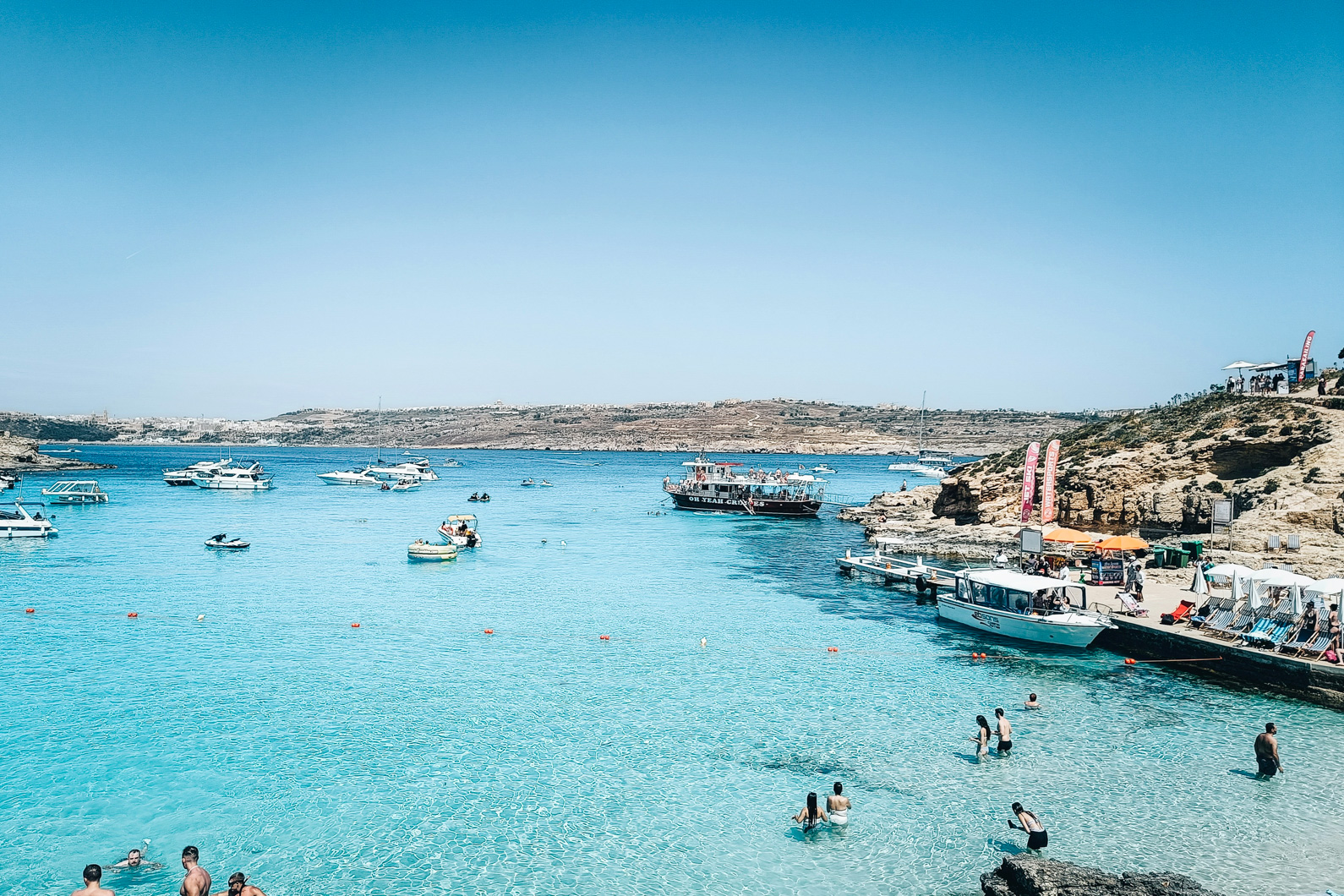
Between Malta and Gozo sits the tiny island of Comino, home to the famously luminous Blue Lagoon. It’s far from being a secret, and in summer, tour groups descend en masse, but it remains a remarkable site.
Photos barely exaggerate it. The water really is that shade of turquoise – particularly in the early morning – shifting from pale aqua near the shore to deep cobalt further out.
Boats arrive throughout the day, bringing swimmers, snorkellers and sunseekers who spread across the rocky shoreline. But slip into the water, and the noise fades quickly. Visibility is excellent (wear goggles or snorkelling gear for the best effect), fish dart through the shallows and the whole place feels as picture-perfect as is possible to imagine.
Since May 2025, the Maltese government has introduced mandatory pre-booking to control visitor numbers – if you can, grab an early slot (from 8am) when temperatures are pleasant and there are fewer visitors.
During summer, catamaran cruises ply their trade in harder to reach areas of the lagoon (with stops at close-by beaches), giving you relative space. Otherwise, book your ferry from the Maltese mainland here.
4. Explore the slower island of Gozo
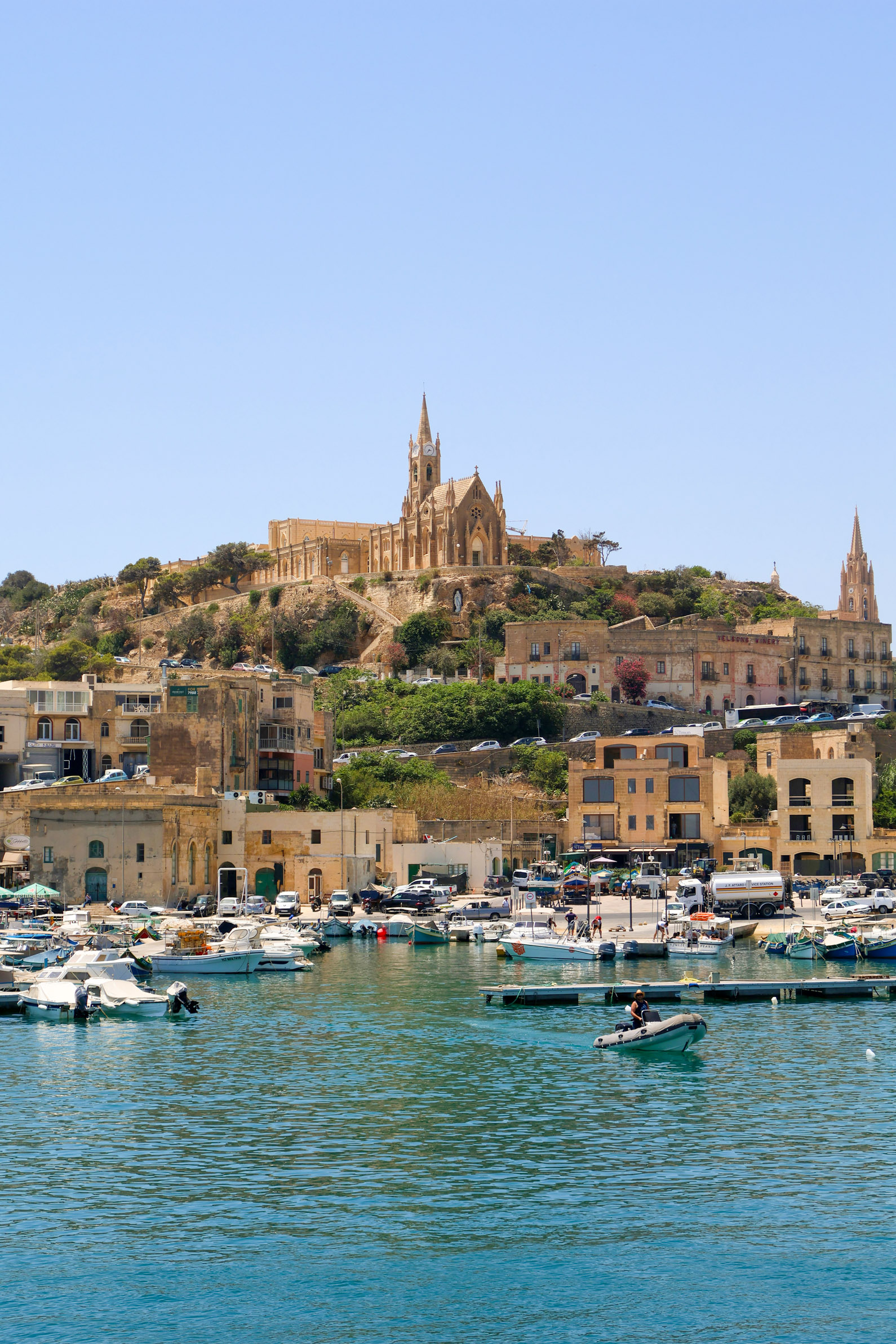
Gozo feels like Malta’s quieter sibling. The ferry ride from Ċirkewwa on Malta takes about 25 minutes, but upon arrival, the pace drops almost immediately. Book a place on a ferry in advance if visiting in summer.
Start in Victoria, the island’s main town, where the Citadella (citadel) rises above the surrounding streets. From the ramparts, you can see much of Gozo at once, farmland, villages and the sea on nearly every horizon. The roads you see stretching to the coast will be used heavily during your time here.
On the Northern coast, Ramla Bay is one of the island’s best beaches, known for its distinctive reddish sand (that looks like someone has turned the ‘saturation’ filter up a little too far) and wide, open views. On the other side of the island, the opportunity to walk the Ta’Cenc is a magnet for hikers, with steep drops, bountiful plant life, and a near-constant sea breeze, making things more pleasant.
While the pace of Gozo is definitely slower, it is definitely worth dedicating a day or two to exploring.
5. Visit the ancient temples older than the pyramids
Move over Stonehenge – Malta’s prehistoric temples are among the oldest free-standing structures on Earth, dating back more than 5,000 years.
Sites such as Ħaġar Qim and Mnajdra, both a short drive or bus ride from Valletta, are perched above the Mediterranean on the island’s southern coast, and were already ancient when the pyramids of Egypt were being built. Archaeologists are still debating exactly how these temples were built and what rituals once took place inside them, which only adds to their mystery.
Huge limestone blocks form curved chambers and doorways aligned with the sun. Standing among the stones, with the sea stretching out below the cliffs, you get a strong sense of just how long humans have been drawn to this island, before even the Empires that we know about today.
6. Experience the colours of Marsaxlokk Fishing Market
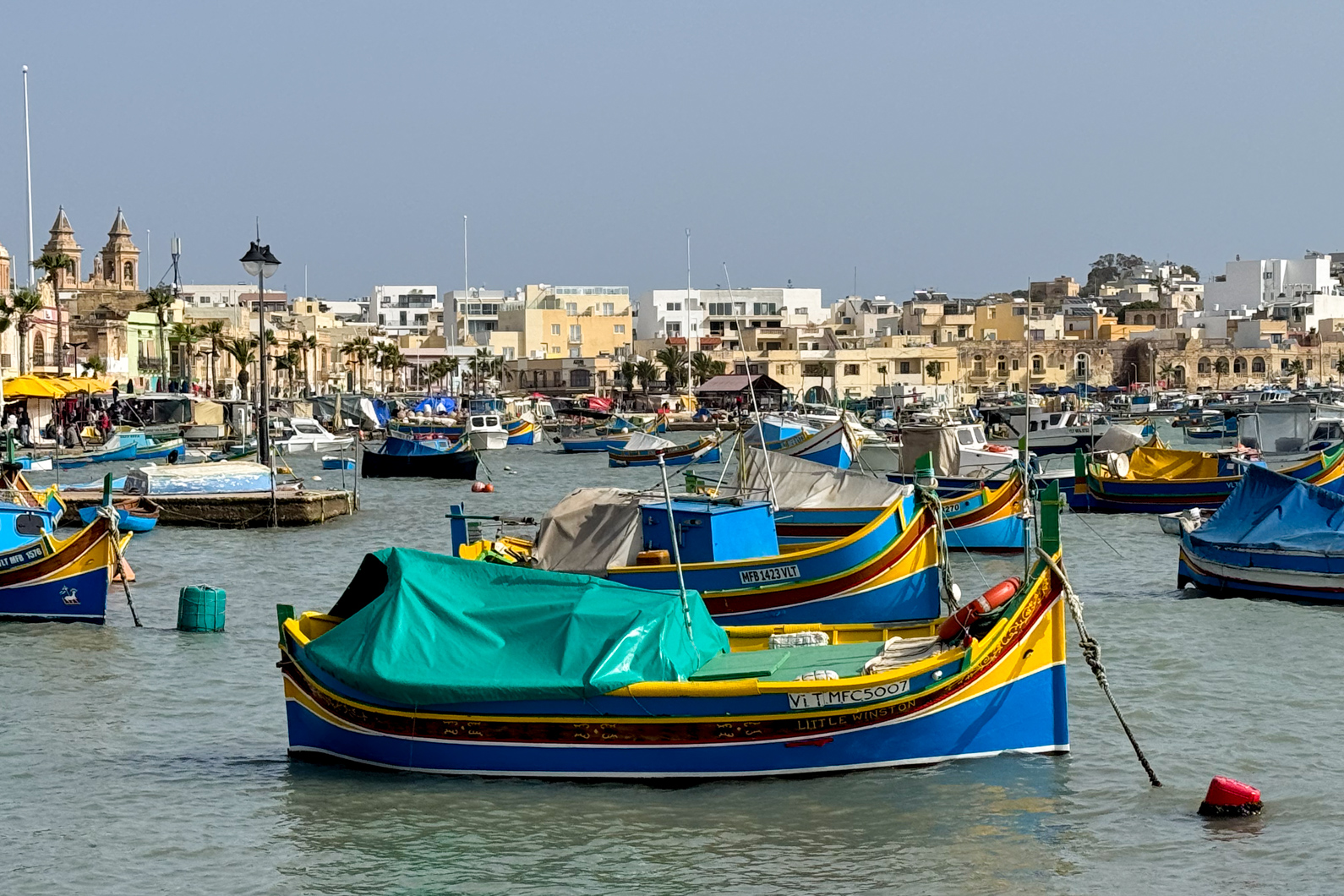
As you might expect for a small island, Malta excels in all things fish-related and nowhere epitomises this better than the village of Marsaxlokk. On a bright day, it feels like a retro seaside postcard brought to life.
The harbour is filled with traditional luzzu boats, painted in bright blues, reds and yellows, each with the distinctive pair of eyes on the bow – an ancient symbol believed to protect fishermen at sea. The waterfront restaurants serve some of the freshest fish on the island, and a leisurely lunch overlooking the harbour, grilled sea bream, a carafe of local wine and the gentle clatter of fishing boats, is guaranteed to be one of your Maltese highlights
If you have the choice, come on Sunday. The famous fish market fills the waterfront with stalls selling fresh seafood, olives, local honey and handmade souvenirs. Even if you’re not in the market for a couple of red mullet, it’s worth perusing just for the cries of the sellers and the sheer range of produce on offer. For early birds, arising with sunrise allows you to see the luzzu arriving back into port.
Everything Under The Sun
Malta isn’t a destination built around one iconic sight, which has the effect of dispersing visitors all over the island (or islands, if we count Gozo and Comino) and is all the better for it.
It’s small enough to explore easily, but still has more than enough to appeal to all five senses, with thousands of years of history, a vibrant dining cuisine and ocean views in pretty much every direction.
Whatever your plans, it won’t take long for you to fall under Malta’s spell. Given the number of empires that fought over this small island, you’ll be in good company.
Have you been to Malta?
Thank you so much for reading! I hope it’s given you all the inspiration to plan and book your own trip to Malta!
If you have any questions, leave a comment for me!
See all of Phil’s adventures on the blog here.

