


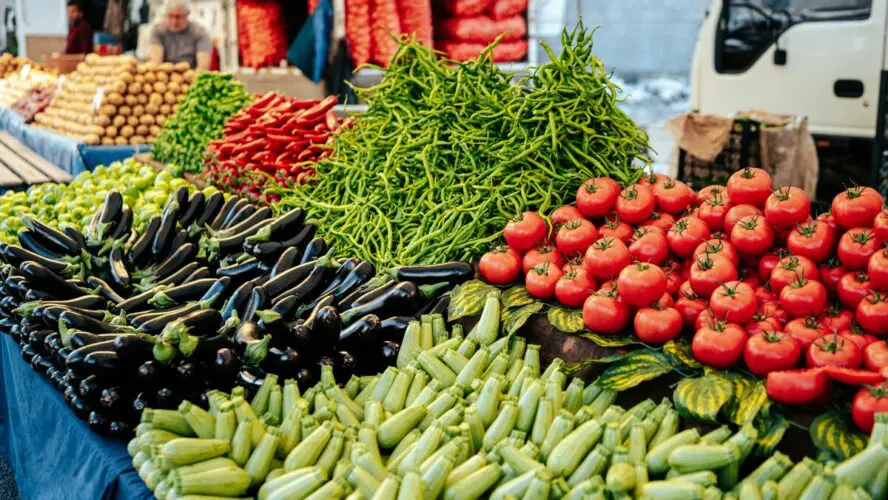
Head to the farmer’s market (or even your local grocery store) and it’s clear from the produce offerings that spring has definitely sprung. From asparagus to artichokes, strawberries to baby spinach, a whole new array of fruits and vegetables have arrived to delight our taste buds and inspire new dishes.
But before you go packing your shopping cart with your favorites, it’s worth taking note of potential contaminants. Given the continued widespread use of pesticides and herbicides in conventional farming, not all spring produce is created equal when it comes to safety for you and your family. But with a bit of careful shopping, it’s possible to keep both your pesticide consumption and your grocery bill low.
The EWG’s Dirty Dozen
When it comes to choosing organic produce, we have long trusted the Environmental Working Group and their Dirty Dozen list. Each year, the group releases this list based on USDA data regarding pesticide contamination of dozens of conventionally grown fruits and vegetables in the U.S. Choosing organic versions of the items on this list is a great way to reduce the likelihood that you’re bringing contaminated produce into your home. And since the 2026 edition of this list stars a few spring staples like strawberries and spinach, it’s a great tool for shopping carefully.
It’s also a fantastic tool for keeping your grocery bill low in a world where everything is becoming more expensive. The companion Clean Fifteen list showcases the produce items that are least likely to be contaminated, even in conventional forms. This means that you can shop organic where it matters and save on other items.
Plus, the cleanest produce this year is also some of the healthiest — especially for those hopping on the fibermaxxing trend. If you’re looking to boost your gut health with loads of fiber-rich foods like avocados and bananas, the Clean Fifteen is teeming with delicious, seasonal options.
Consider this your tailored spring-specific shopping guide showcasing the seasonal items to enjoy, whether organic or conventional.
Spring Produce to Always Buy Organic
Spinach
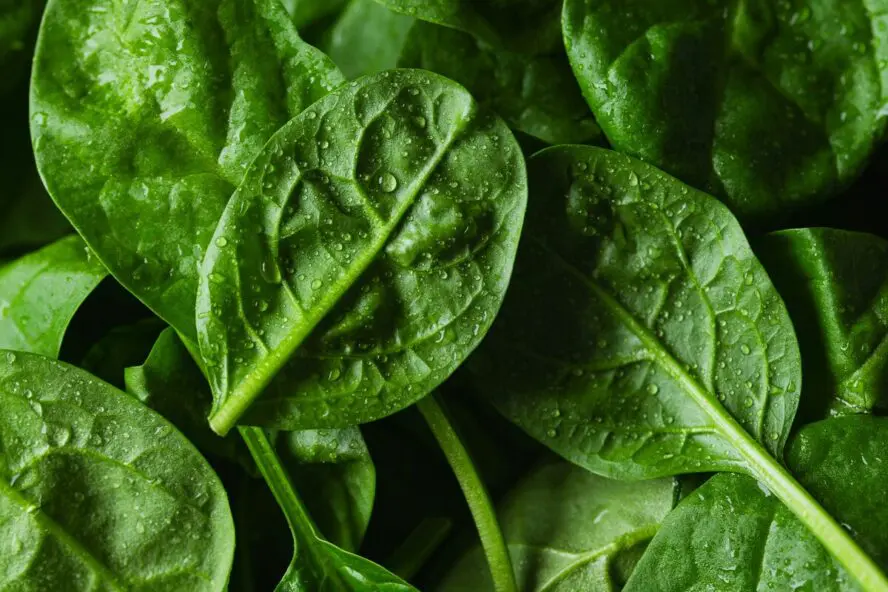
One of the spring produce items most likely to be contaminated with pesticide residues is also one of the healthiest and most versatile on the list. Spinach is a veritable nutritional powerhouse, known for its richness in iron, folic acid, and vitamin A. Not to mention that a single leaf of spinach contains over half of your daily needs in vitamin K1. Spinach is also delicious, and the fresh new leaves are particularly tasty paired with spring strawberries in a seasonal spinach and strawberry salad.
Unfortunately, this leafy green is also one of the most likely to be contaminated, with the most pesticide residues by weight of any produce item featured on the EWG’s Dirty Dozen list. Three-quarters of conventionally-grown spinach was found to have traces of permethrin, a neurotoxic insecticide that’s been banned in the EU since 20031. Permethrin exposure has notably been linked in multiple studies with an increased risk of ADHD in children2, meaning that families with kids should be particularly attentive when buying spinach and opt for organic options whenever possible.
Strawberries
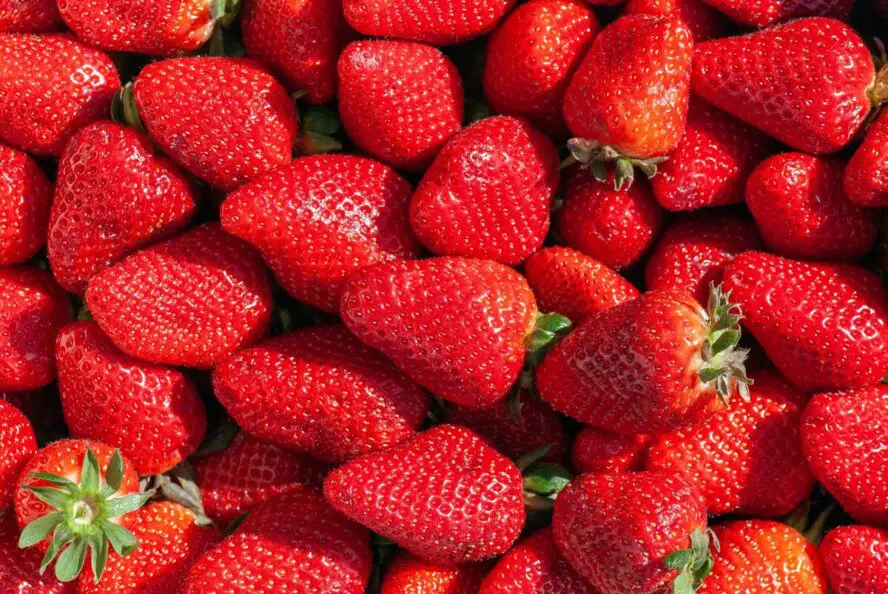
As mentioned, strawberries taste delicious when mixed into a fresh spinach salad — but they also may be contributing their fair share of pesticides to that particular dish.
Strawberries are the first of the summer berries to come into season. From April to June, they tantalize with their sweet-tart flavor. They’re a favorite in everything from a sweet-and-savory strawberry spaghetti to a seasonal strawberry tart paired with rhubarb and chocolate. Unfortunately, strawberries are also a perennial guest star on the Dirty Dozen list. This year, they held third place, with almost all tested samples found to have detectable residues of at least one pesticide.
With their thin skins, strawberries absorb pesticides more easily — and more completely — than many other produce items. “Berries have very thin skin, so the pesticide is almost impossible to wash off,” Nutritionist Veronika Larisova tells Body and Soul3. “Even with baking soda soaks or veggie washes, some residue will always remain.” Head to your nearest farmer’s market for organic strawberries and skip the conventional ones in the produce aisle.
Other Edible-Skinned Fruits
Notably, strawberries aren’t the only fruit to be cautious of when shopping. A good general rule of thumb is to be wary when it comes to fruit with thin, edible skin, as that’s likely a strong indicator that it will absorb the pesticides (rather than protecting the fruit from pesticides, as is the case with pineapples and avocados).
When strawberries fade from your local farmer’s market stalls and new fruits come into season, take advantage of organic grapes, cherries, peaches, and nectarines. Choosing local, organic versions is the best way to prioritize the cleanest, tastiest way to enjoy these edible-skinned fruits.
Safer Spring Produce You Can Buy Conventionally
Cabbage
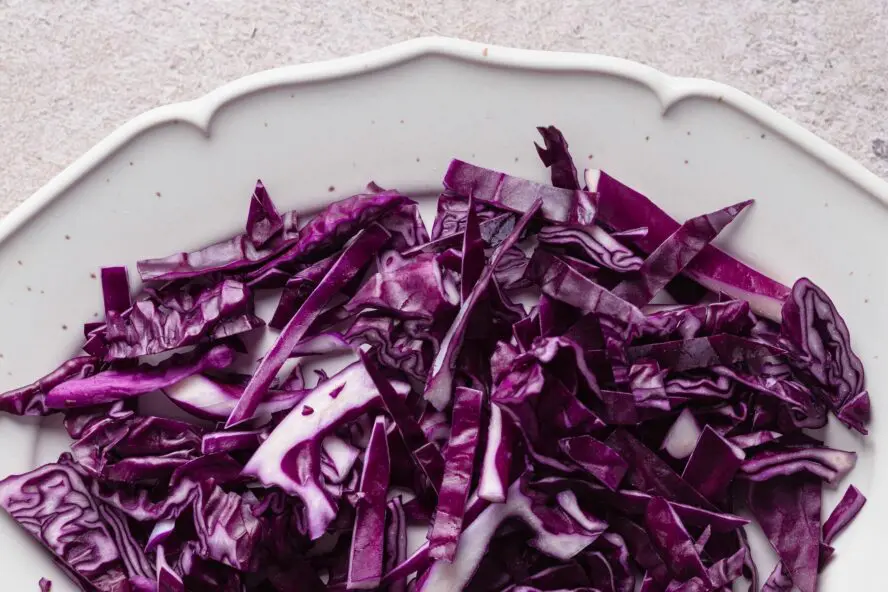
While some spring produce is likely to be contaminated, the news isn’t all bad. EWG’s Clean Fifteen list of 2026 features the conventional produce items least likely to be contaminated with pesticides and herbicides, and it gives you ample produce to experiment with at a cheaper, non-organic price point. Cruciferous cabbage and cauliflower, both brassicas and stars of the ever-growing fibermaxxing trend, are some of the least contaminated items in farmer’s market stalls this spring.
After kale and Brussels sprouts, cabbage has become this year’s food media darling, even dubbed the 2026 vegetable of the year by Vogue4. Pinterest searches for cabbage dumplings are up 110% as people take advantage of this low-cost, incredibly versatile, high-nutrient vegetable5. Raw cabbage forms a filling, crunchy base for salads and slaws, while roasted cabbage takes on a sweet, earthy nuttiness. It can be sautéed, stir-fried, and even fermented into homemade kimchi and sauerkraut. Plus, as the weather gets nicer, cabbage is marvelous on the grill.
In the spring, cabbage is particularly sweet and tender. If you’re especially sensitive to the overtly sulfury flavor of hardy varieties of cabbage, you can also try crowd-pleasing varieties like conical hispi cabbage.
Frozen Peas
Spring peas are beloved for their almost candy-like sweetness, but did you know they’re also a protein powerhouse? With eight grams of protein and nine grams of fiber per cup, they’re a nutritious, filling, gut-healthy option perfect for spring.
When you’re shopping for peas, however, we recommend you take a detour through the frozen aisle. This inexpensive, evergreen option features on the EWG’s Clean Fifteen list, and that’s not the only reason we love them. Frozen peas are often sweeter and cheaper than fresh. As they’re flash frozen at the peak of ripeness, they typically retain almost all of their nutritional benefits, according to 2015 research in the Journal of Agricultural and Food Chemistry6. And since research shows that vitamin C rapidly decreases in fresh produce within hours of picking7, frozen peas may actually be packed with more vitamins than fresh.
While the EWG’s data on pea contamination specifically pertains to the frozen variety, there’s no need to shy away from fresh. Since fresh peas benefit from a protective pod you don’t typically eat, you’re likely in the clear. But when in doubt, a bag of frozen peas is generally cheaper, just as nutritious (if not more!), and less likely to be contaminated.
Asparagus
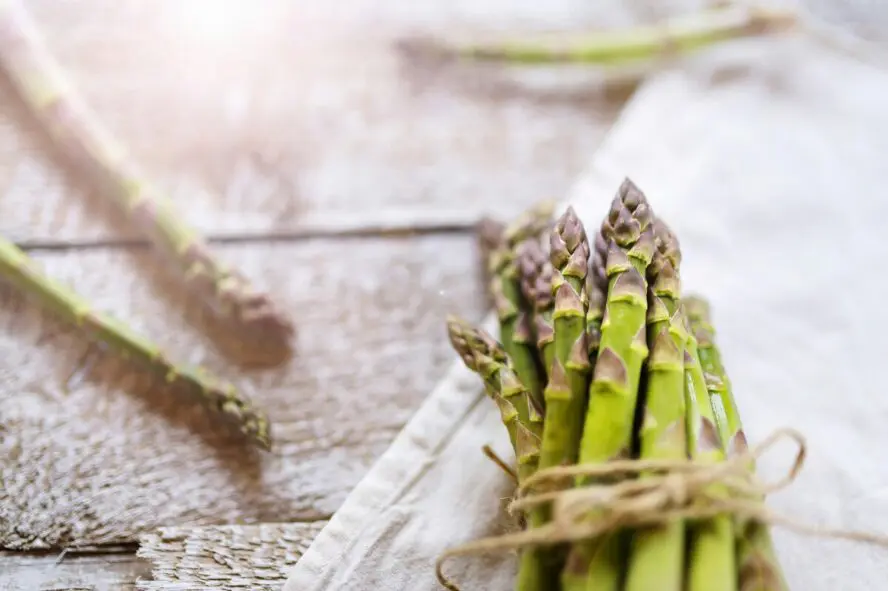
Asparagus is yet another seasonal darling that’s at its peak between March and June. And since asparagus can be pretty expensive, we were thrilled to learn that it’s one of the conventional produce items least likely to be contaminated by pesticides.
In addition to boasting a sweet, nutty flavor that’s only improved by roasting, asparagus offers nearly two grams of fiber per half-cup serving — not to mention nearly half of your recommended vitamin K.
Practical Tips for Purchasing Healthy Spring Produce
While we recommend prioritizing organic produce whenever you can, we understand it’s not always the budget-friendly option. In a world where the price of groceries continues to skyrocket, it’s comforting to know that there are some seasonal veggies that are perfectly safe to buy in conventional form. Knowing how to deploy your money in the most effective way will help you and your family eat healthy without having to splurge — here are some key guidelines to keep in mind as you shop.
As a rule of thumb, investing in organic produce is most crucial with the following foods:
- Fruits and veggies with a thin skin that you typically eat, like strawberries or grapes
- Fruits and veggies with no protective layer at all, like spinach
- Foods that your kids eat frequently, to reduce the pesticide load on younger children
When Conventional Produce Is Fine
Of course, the benefit of understanding which produce calls for organic is that you also have a good understanding of where you can save money.
When it comes to thick-skinned produce whose peel you remove, like avocado, pineapple, or onions, you can typically feel safe choosing conventional — especially if those items feature on the Clean Fifteen list.
How to Reduce Pesticide Exposure
Even if your produce items are on the Clean Fifteen list and you choose to go for conventional, it doesn’t mean it’s impossible for them to be contaminated with pesticides. As an extra precaution, it’s a good idea to rinse your conventional produce under cold running water for at least fifteen seconds.
When it comes to leafy greens, start by soaking them in a three-to-one mix of vinegar to water. In terms of cooking methods, prioritize blanching and boiling, which have been shown to reduce pesticide contamination more than consuming these veggies raw8.
Since pesticides and herbicides are most likely to be on the exterior of produce items, it’s also a good idea to remove that layer whenever possible. Peel conventional apples and potatoes, and remove the outer leaves of conventionally-grown cabbages and lettuces before consuming.
Ultimately, spring shopping doesn’t have to be all-or-nothing organic. Choose organic for high-risk items like spinach and strawberries, and feel confident about buying conventional to save some money on the produce items from the Clean Fifteen list. Now hit the farmer’s market to enjoy the bounty of spring!
Sources:
- https://app.croneri.co.uk/questions-and-answers/status-permethrin-europe
- https://www.sciencedirect.com/science/article/pii/S0160412022000502
- https://www.bodyandsoul.com.au/houseofwellness/harmful-pesticides-have-been-detected-in-supermarket-berries-should-we-be-worried/news-story/dfbea7ef3610ae91021f840aeb001abf
- https://www.vogue.com/article/cabbage-health-benefits
- https://www.washingtontimes.com/news/2026/mar/4/cabbage-cheapest-vegetable-grocery-store-goes-viral/
- https://pubmed.ncbi.nlm.nih.gov/25526594/
- https://europepmc.org/article/AGR/IND44353858
- https://pmc.ncbi.nlm.nih.gov/articles/PMC9498324/