


I have always thought New Zealand’s wilder places work best when people are given time to meet them properly. Not in a rushed, heroic sort of way, and not with the expectation that every hour outside has to become a story. More often, it happens quite quietly. Someone steps out of the vehicle in Fiordland and takes a few moments before saying anything. A family stops along the West Coast and realises the rain has changed the colour of everything: the road, the forest, the river stones. In Central Otago, people sometimes look across the open land for longer than they expected to, perhaps because there is less in the way and more space for their own thoughts. It is these moments of stillness and connection that define the philosophy of Aroha Luxury New Zealand Tours.
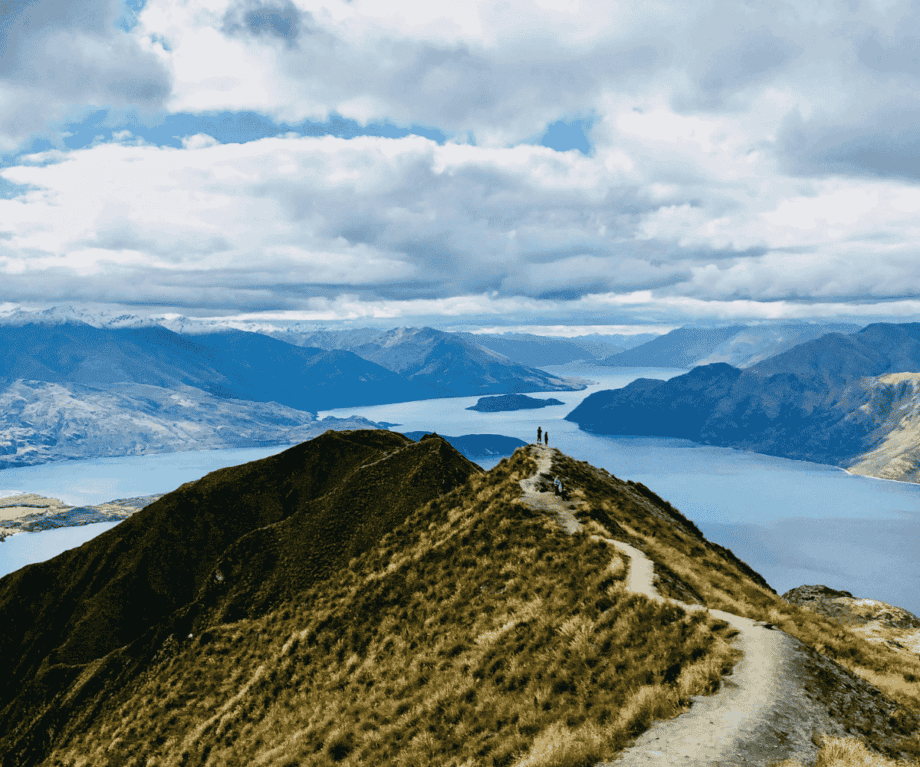
I have seen this often enough now to recognise it. The first response to a wild place is not always excitement. Sometimes it is relief.
Rugged places, comfortable travel
Many travellers come to New Zealand curious about the scale of the country, the single-lane highways, the weather and obviously, the feeling of being further away from their normal life than they have been for a while. At the same time, they are not looking for hardship, they haven’t travelled across the world to be uncomfortable for the sake of it. They want enough warmth, food, privacy and good judgement so that they can give their attention to the place itself.
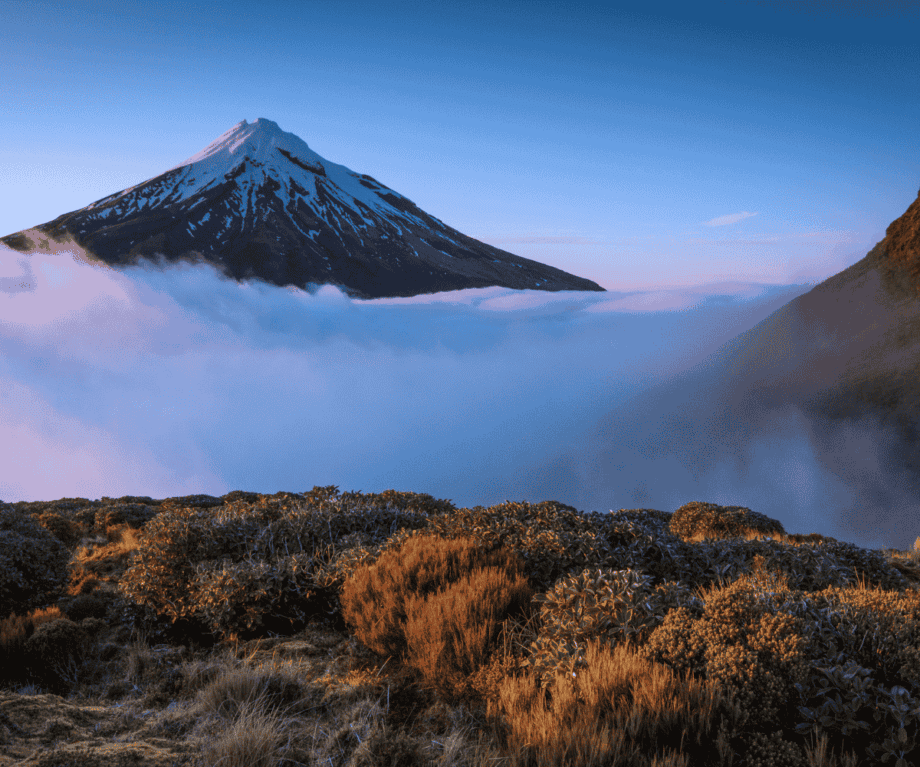
That, to me, is where New Zealand does luxury especially well. It lets people feel close to something elemental without turning the journey into a test of endurance. Undoubtedly, there is a difference between a rugged landscape and rugged travel. The first can be magnificent while the second is often unnecessary.
A remote coastline, a mountain valley, a high-country road or a wilderness walk through untouched rain forests can all feel significant without being made difficult. When guests are not watching the time, thinking about the drive, wondering where lunch will be or negotiating what comes next, their attention softens. They listen and ask better questions. They become less concerned with covering ground and more aware of where they are.
The judgement behind the day
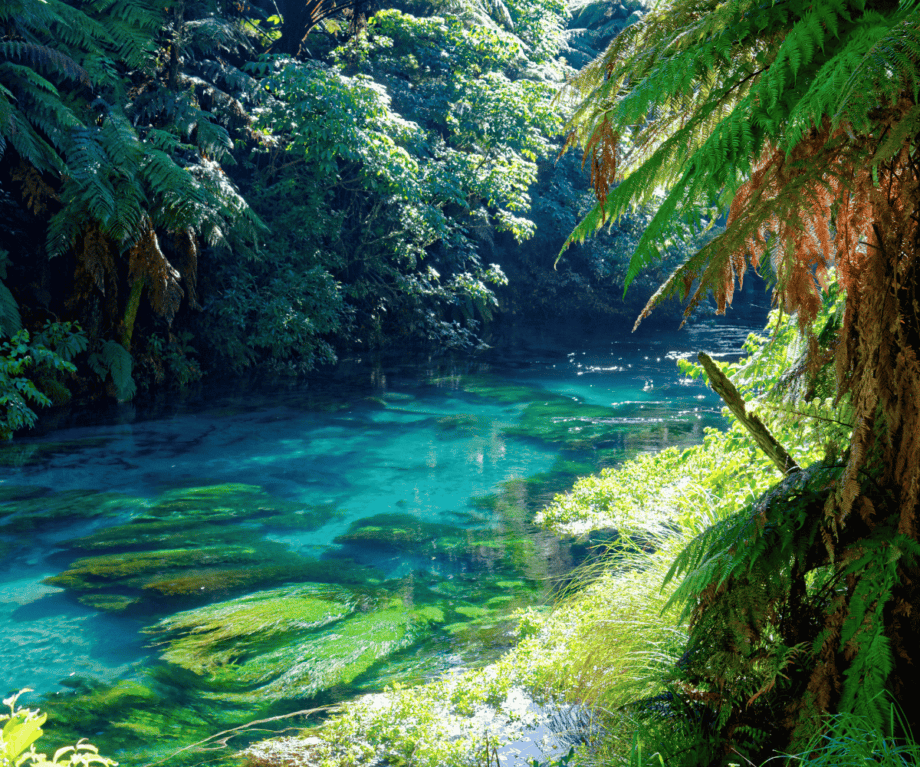
This is one of the parts of private guiding that is difficult to explain until people have felt it. The visible side is simple enough: the comfortable vehicle, the accommodation, the route, the reservations, the access. The less visible side is the judgement that sits underneath the day. When to leave a little earlier because the light will be better. When to avoid a road because the weather has made it less pleasant than it looks on paper. When to shorten a walk because the group has already had enough, or when to stay longer because everyone has gone quiet in the right way.
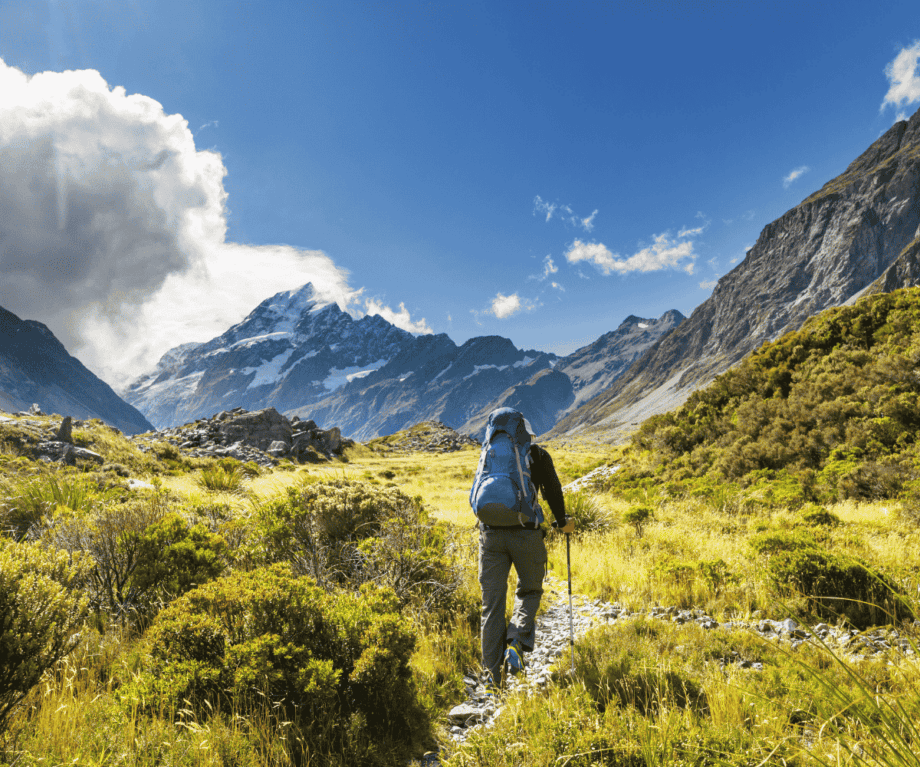
The weather moves quickly in New Zealand, particularly in places such as Fiordland and the West Coast, where rain is part of the character of the region. A day that begins under low cloud may open beautifully by afternoon, while a plan that looked perfect at breakfast may need adjusting by midday. Good travel here is not about controlling every detail, rather, it’s about knowing which details matter, and being comfortable enough with the country to change course without making the change feel like a compromise.
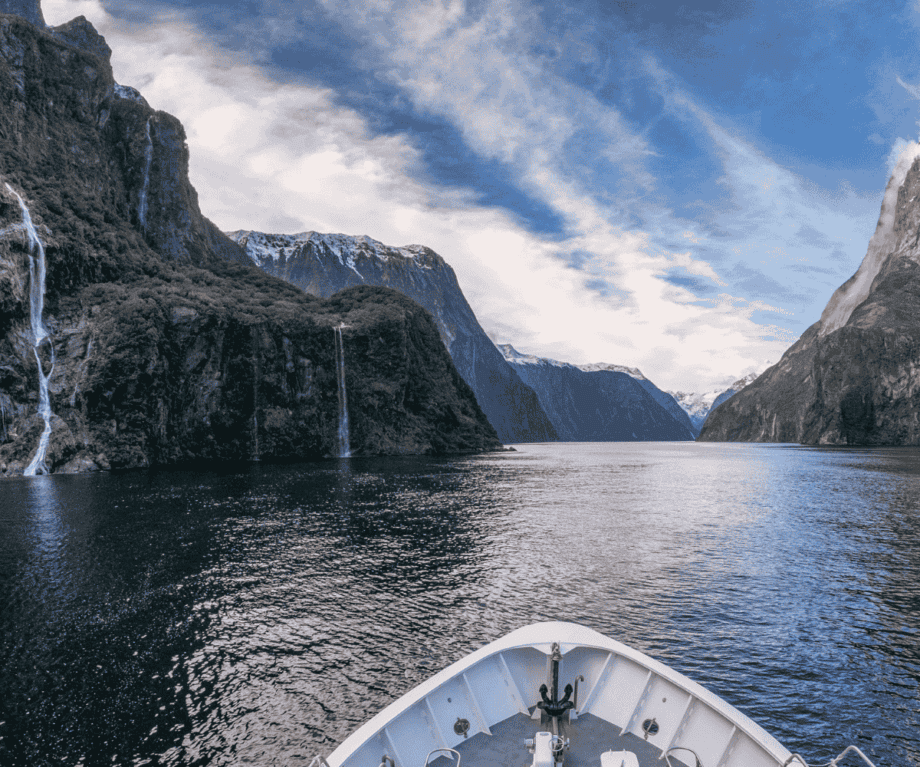
I remember travelling with a family on the West Coast when the rain settled in much more heavily than expected. They had imagined a very different sort of day, with clearer views and more walking, and at first, I could feel everyone trying to be polite about the weather. After a while, we stopped trying to make the original plan work. We drove more slowly, found coffee in a small place I knew, and later took a sheltered forest walk where the rain became part of the atmosphere rather than an inconvenience.
By the time we arrived back at the lodge, they were slightly damp and little hungry but in very good spirits. There was nothing sophisticated or cultured about the day, but it was very honest. At dinner, one of them said, almost in passing, that it had given them a better sense of the country than the day they had expected. I liked that because sometimes New Zealand is most memorable when it unfolds so magically
Coming back to warmth
This is not to say that comfort does not matter. It matters a great deal. After a day outside, especially in colder weather and the return to warmth can become part of the pleasure. A fire already going, dry shoes, an exquisite meal. And a suite with a view back towards the landscape you have just spent the day exploring. These are not small luxuries when people are far from home, they are the experience itself.
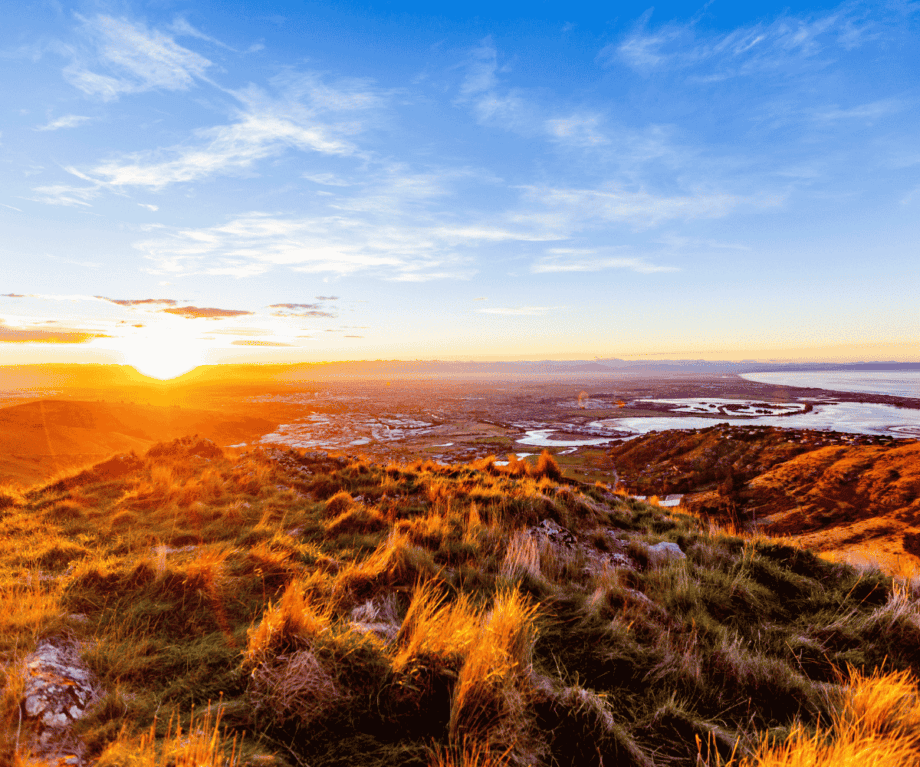
I am careful with pace when planning travel into New Zealand’s more remote places. It is tempting, particularly for guests who have travelled a long way, to keep adding more. Another stop or another lookout, another activity before dinner. I understand the impulse because the country offers so much. But the days that stay with people are often the ones with enough room in them for weather and conversation, to change their mind.
Everything you need to plan your trip in 2026
Enough room in the day
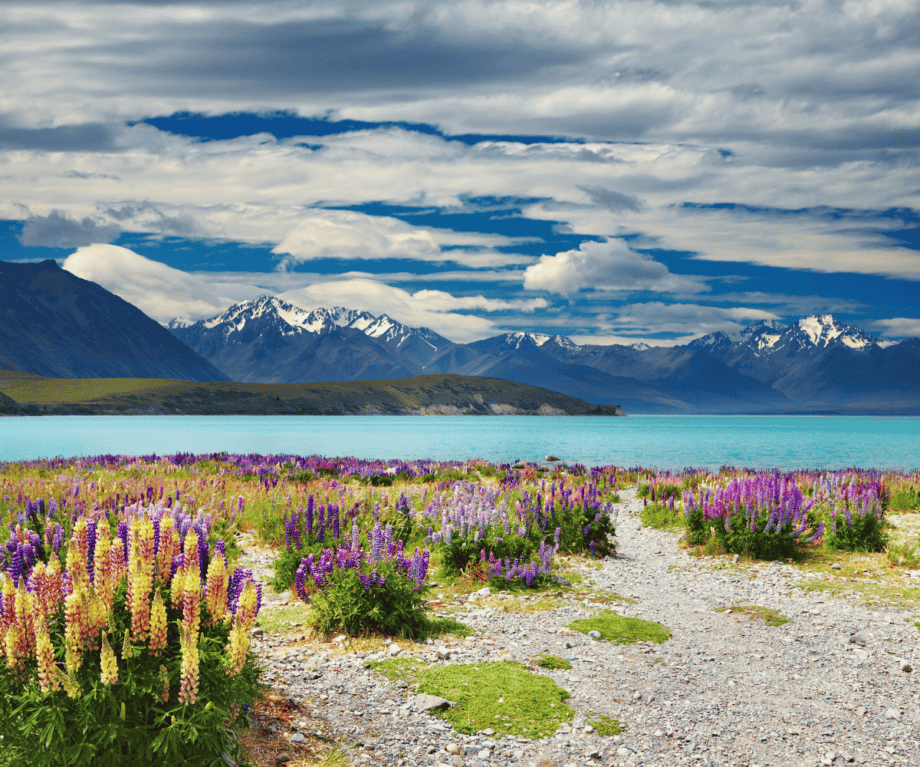
There are many ways to experience this kind of wildness here. It might be Fiordland by air or water, where the scale can make even experienced travellers quiet for a while. It might be a private walk through the lush native bush, with the sound of birds in the canopy and the burble of water from a nearby stream. It might be a high-country station visit in the Mackenzie Country, where the land feels open and spare, or a slower day in the Marlborough Sounds, moving between sheltered bays in no great hurry.
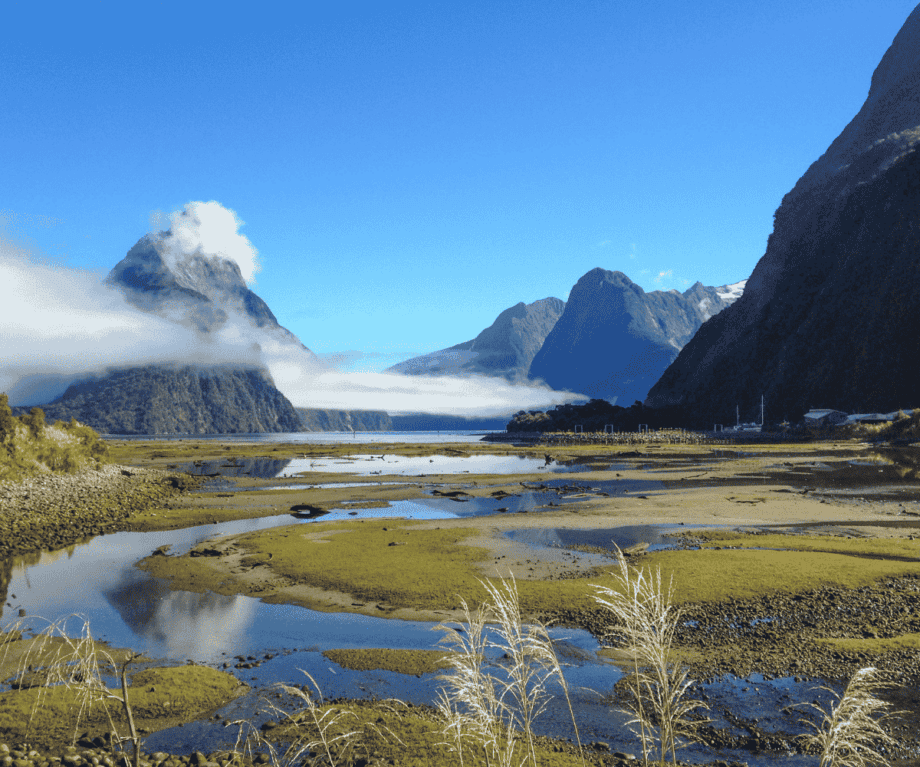
None of these experiences needs to be dramatic to be meaningful; often it’s as simple as the cold, crisp air outside and the warmth of the fire inside. The vastness of the view and the small comfort of lunch in the right place. The sense of being somewhere remote, while also knowing that someone has thought carefully about how the day should unfold.
What people remember afterwards
For me, this is one of the quiet privileges of guiding in New Zealand. I get to watch people realise that wilderness does not have to be uncomfortable. It can be spacious, restorative and surprisingly gentle.
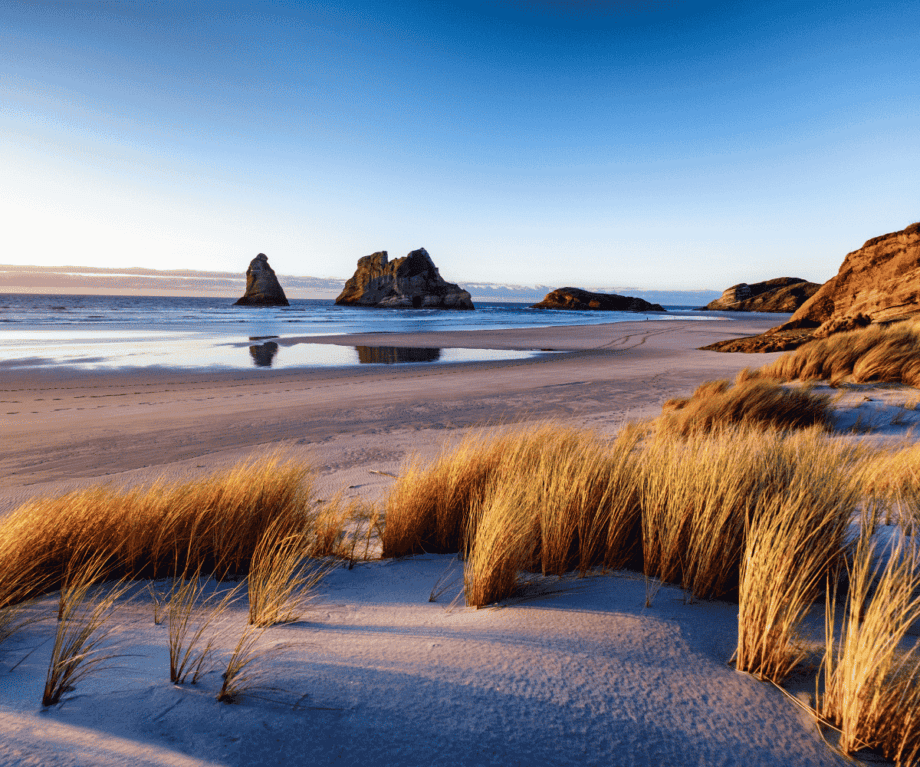
Luxury is about creating enough ease around the experiences so that people can appreciate it fully because everything is taken care of. The route has been planned, the timing has been watched, the lodge has been chosen for the right reasons, and the day has enough flexibility to respond to what is actually happening rather than what was imagined months earlier.
When guests look back on these journeys, they remember the scenery, of course, but they also remember how they felt; the vast open space, the comfort of being far away without feeling unsettled, sitting down to dinner. And they realise they had not thought about the usual demands of life for hours. That feeling is difficult to measure, but it is often the thing people were searching for without realising it. If you would like to find comfort, in wild New Zealand, get in touch with Aroha Luxury New Zealand Tours.

Did you enjoy this article?
Receive similar content direct to your inbox.
Please enable JavaScript in your browser to submit the form

