



By now, our Organic Authority community is highly aware of the risks of purchasing produce grown using conventional methods. From glyphosate to dicamba, herbicides and pesticides are everywhere. And according to research, they can have devastating consequences on your health.
Studies have linked glyphosate exposure to increased risk of cancer1, while pervasive PFAS pesticides are known endocrine disruptors2. But according to a new peer-reviewed research review from the Environmental Working Group, reducing the pesticide load of fruits and vegetables can be as simple as a quick rinse under running water. Emphasis on “can be.”
“Most studies did not observe complete removal of residues from produce tested,” cautions Dayna de Montagnac, MPH, associate scientist at EWG and lead author of the review, which was recently published in Frontiers in Environmental Health3. Still, despite this disclaimer, the analysis of 47 peer-reviewed studies of 23 produce items and 79 studies found that “typical reductions are significant,” Montagnac says, “from one third to half of total pesticide concentrations.”
Depending on the pesticide and produce item, different methods proved more effective than others. Here are the major takeaways from the new research review to help you ensure your produce is as clean and safe as possible.
For the Best Results, Use A Vinegar Soak and Scrub

EWG’s new research review looked into a range of different experiments to assess the efficacy of different washing solutions. One major takeaway? Vinegar or acetic acid proved the most effective, reducing pesticide contamination from 8.6% to over 99% in some cases.
Baking soda was the next most effective solution, with reductions from 0.2% to over 99%. Even soaking in plain water proved moderately helpful. A simple rinse under the running tap proved the least effective approach.
EWG took special care to consider real washing methods that consumers might use at home, excluding any study where researchers rinsed produce for more than two minutes. And while occasionally, high experimental concentrations of both vinegar and baking soda may point to less impressive results at home, the takeaway is clear: Soaking produce in a vinegar solution is the most effective way to reduce pesticide load.
Any Washing Is Better than No Washing
Look, we get it. Life moves fast, and sometimes, you just don’t have time to soak your fruits and veggies in a vinegar bath before preparing them. But according to experts, this is a clear case of “something is better than nothing.”
“While using baking soda or vinegar is shown to be more effective in reducing pesticide residues, any form of washing is better than none,” says Montagnac. Even if you’re not using a vinegar solution, there are some extra precautions you can take to further reduce contamination.
“Running water combined with gentle friction or rubbing is effective for many fruits and vegetables to a point,” explains Tracee Yablon Brenner, RDN, HHC, CLT, Registered Dietitian Nutritionist at Holy Name Medical Center, who was not involved in the study. To create this friction, use a produce brush or even your hands. Once finished, dry produce with a clean towel — which, Brenner adds, may help remove additional surface residue.
Avoid Produce Washes
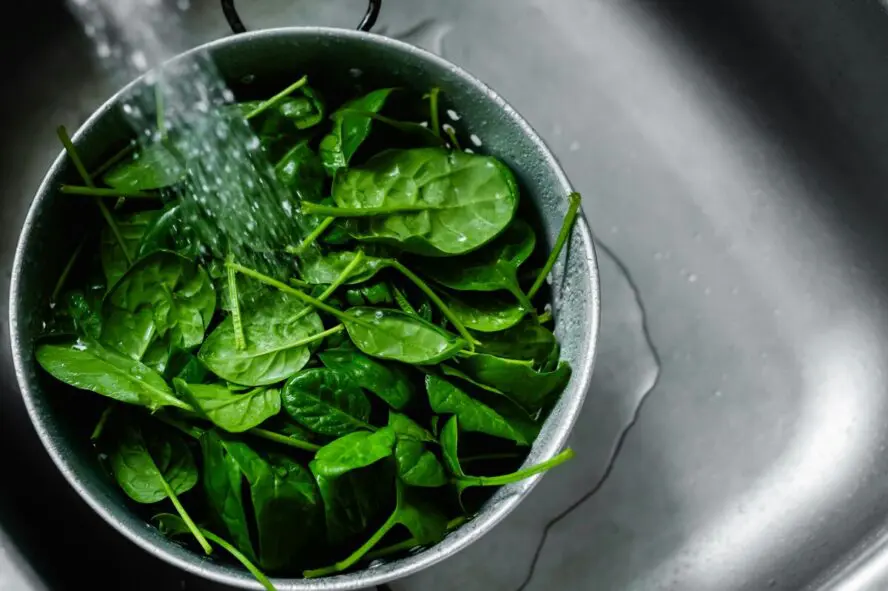
If you’ve ever been tempted by special washes claiming to reduce the pesticide load of your favorite fruits and veggies, close that browser tab: EWG and FDA both advise against using commercial produce washes.
“There are no formal requirements for testing of products marked as produce washes, neither for effectiveness nor for ingredient safety of the products themselves,” explains Montagnac, “so the claims one might read on such products are the manufacturer’s own claims.”
Brenner agrees, adding that these washes “have not consistently demonstrated superior effectiveness compared with water in independent studies.”
Not All Produce Should Be Treated Alike
The answer to how to wash produce most effectively will also depend on what food items we’re talking about. Different types of produce may also require different methods, according to Brenner — and how to wash strawberries can be vastly different from how to wash lettuce.
“Pesticide removal varies considerably depending on the type of pesticide, how it was applied, the structure of the produce, and whether residues remain primarily on the surface or have penetrated into the skin or flesh,” she says.
- Waxed produce items: Conventional produce items like apples, tomatoes, and lemons are often waxed to an attractive sheen — but that appeal also comes with its downsides. For Montagnac, “certain items like apples and tomatoes may sequester residues within the waxes of their skin.” Use friction to help remove lingering pesticides. Brenner also says peeling these items is an option, though she notes that this could remove beneficial fiber and phytonutrients too.
- Leafy green vegetables: Brenner says this type of produce “can trap pesticide remnants within folds and crevices.” These are best suited to a vinegar soak and rinse.
- Delicate produce like berries: If you want to know how to clean strawberries, skip the scrubbing. For delicate fruits that may not withstand friction and, as Brenner puts it, “typically do not tolerate long periods of soaking,” a baking soda solution is likely the best approach.
Shop Smart

While washing is definitely a great way to reduce pesticide load, you can actually temper your exposure even before that. Buying from small, local producers is a great way to ensure transparency, according to Dr. Bryan Quoc Le, food scientist, food industry consultant, and author of the book 150 Food Science Questions Answered.
“If [you] can purchase local and learn more about where [your] produce comes from and how it’s grown, that would be the most beneficial,” he says. “Unfortunately it’s hard to know what has happened to [your] produce when the supply chain is more extended or if the produce comes from international regions, which have different rules and regulations regarding pesticide use.”
Of course, whenever possible, choose organically grown produce, particularly when it comes to the frequently-contaminated items on EWG’s Dirty Dozen list. Keeping an eye out for EWG’s official Dirty Dozen and Clean Fifteen lists each year can help you understand where to allocate your budget on organic items and where you can save on conventional produce.
Above all, don’t let reports of pesticide contamination make you too anxious. “The long-term health benefits of eating produce consistently far outweigh the potential risks associated with trace pesticide residues,” says Brenner. Ultimately, while you can do your best to minimize your pesticide exposure, don’t let fear of contamination keep you from consuming these items.
Sources:
- https://pmc.ncbi.nlm.nih.gov/articles/PMC7530464/
- https://pmc.ncbi.nlm.nih.gov/articles/PMC7926449/
- https://www.frontiersin.org/journals/environmental-health/articles/10.3389/fenvh.2026.1768399/full?utm_source=F-NTF&utm_medium=EMLX&utm_campaign=PRD_FEOPS_20170000_ARTICLE