



As part of the Organic Authority community, you likely already know all about the dangers of nonstick cookware made with coatings derived from PFAS, AKA “forever chemicals”. In response to these dangers, cookware brands have jumped to produce what many consider safer nonstick options, with one category presenting a popular alternative: ceramic.
Ancestral traditions in China have relied on ceramic cookware for generations for its natural nonstick performance and durability. A select few companies take advantage of these time-tested techniques to craft 100% ceramic cookware that’s built to last. But it turns out that not all of these ceramic options are created alike.
Many nonstick “ceramic” pans are actually made with an aluminum core, coated with sol-gel, a substance derived from silica — AKA sand. For the home chef, this means that a simple search for “ceramic cookware” can actually lead you to encounter two completely different types of pots and pans: pure 100% ceramic pans, or silica-coated nonstick pans. Notably, the FTC and FDA do not require cookware brands to disclose the distinction on packaging, meaning some home cooks may not know what’s actually in their own kitchen cupboards.
The use of the word “ceramic” to describe coated nonstick cookware leads to confusion we believe should be addressed. By the end of this article, you’ll understand the differences between pure ceramic cookware and ceramic-coated nonstick cookware, why it matters, and what to do about it.
TL;DR: Ceramic vs. Ceramic-Coated Cookware
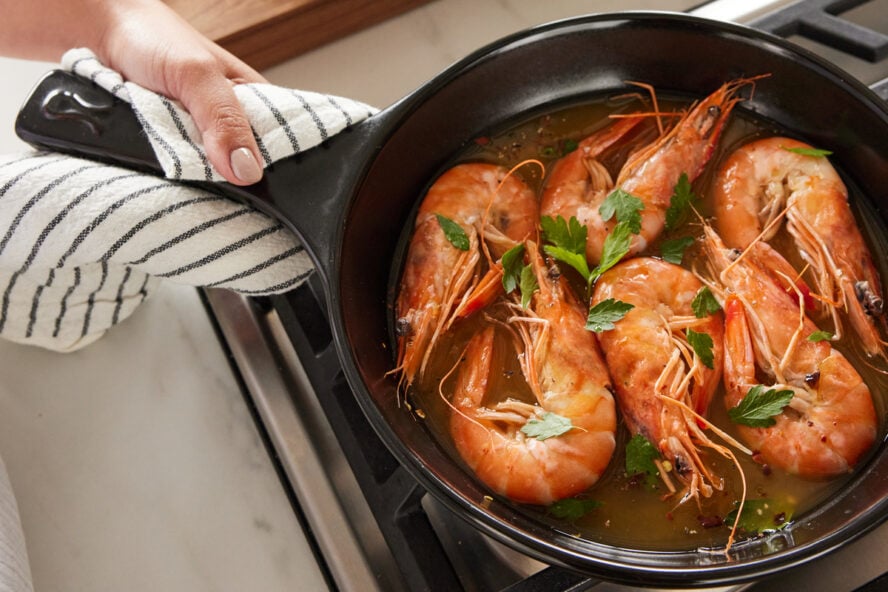
- The terms “ceramic cookware” and “ceramic-coated cookware” are often used interchangeably, creating confusion for shoppers.
- Ceramic-coated cookware typically consists of a metal pan (usually aluminum) coated with a thin, silica-based layer, which works similarly to traditional nonstick cookware. It’s slick and easy to use, but has a limited lifespan due to the nature of coated cookware.
- Pure ceramic cookware is made from 100% fired earthenware: no metal, no coatings. There’s a bit of a learning curve to achieve nonstick performance, but it’s worth it — these pans are built to last decades.
You Bought “Ceramic” Cookware — But Is It Actually Ceramic?
Ceramic-coated nonstick cookware accounts for the vast majority of “ceramic” products sold at major retailers. But since both pure ceramic and ceramic-coated products use the word “ceramic” in their marketing materials, it’s no wonder many home cooks falsely believe they’re the proud owners of pure ceramic pots and pans.
Ceramic-coated cookware, which is far more prevalent, gets its nonstick capabilities from a thin sol-gel coating applied to a metal core. Because it doesn’t contain any forever chemicals, it sidesteps the chemical-class concerns now driving PFAS bans — but it’s just as prone to deteriorating over time.
On the other hand, pure ceramic cookware is made from 100% fired clay. While both types of products lean into “ceramic” messaging, the difference is immense when it comes to durability, heat retention, replacement frequency, and long-term value.
The Ceramic Cookware Terminology Problem Nobody Talks About
So why is this whole business so confusing? The truth is that cookware marketing terminology has evolved far faster than labeling requirements. As a result, “ceramic” quickly went from a description of time-tested technique to a catch-all marketing term used to imply an all-natural build with a glossy surface. That’s right — despite the fact that ceramic-coated pans technically use zero ceramic, brands (and the industry as a whole!) use this language to align this cookware with a material that’s commonly understood to be safe and beautiful.
Of course, companies making ceramic-coated cookware benefit from this ambiguity. This is troubling not because there’s actually an issue with these sol-gel coatings (the FDA generally considers sol-gel silica coatings food-safe when intact), but because it leaves the door open for a lot of confusion.
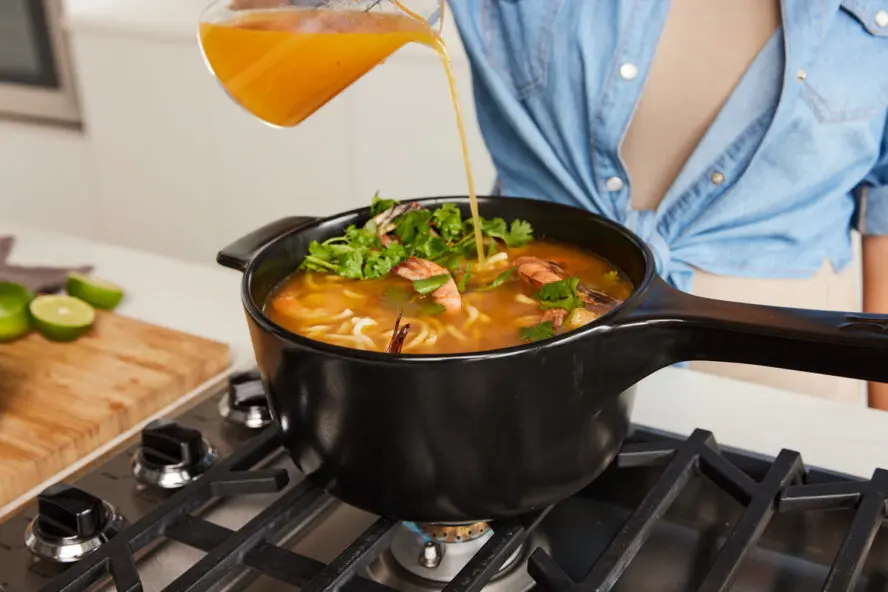
For example, the nonstick layer on ceramic-coated pans can begin to deteriorate at temperatures 400°F and above (depending on the manufacturer). In contrast, pure ceramic pans are fired at temperatures up to 2500°F when made, and they can withstand any of the high-temperature techniques you throw at them — even on a BBQ grill or directly over a campfire. Similarly, pure ceramic is known for its superior heat retention, which means it’s great for slow-cooking methods like braises and soups (try our favorite easy lasagna soup!) — the same can’t be said for coated nonstick.
Finally, it’s also worth noting that the ceramic-coated category has been studied far less than PTFE-derived coatings. This gap has been flagged by The Cookware and Bakeware Alliance, an industry group whose members include major players in the traditional nonstick space. Since “ceramic” isn’t one standardized material, third-party lab testing matters — and until labeling standards catch up, it’s on the consumer to stay informed.
What Is Ceramic-Coated Cookware, Exactly?
Ceramic-coated cookware starts like any coated cookware: with a metal core. This core is almost always made with lightweight aluminum, which is inexpensive and easy to maneuver around the kitchen. The core is sprayed with a layer of sol-gel, a compound made with silica (AKA silicon dioxide), which is the major component of most sand. The silica is combined with organic compounds to improve adhesion and flexibility, and it’s typically applied by spraying or dipping to create a coating about 20 to 40 microns thick — thinner than a human hair.
Although we believe this cookware is a major upgrade from PFAS, it does still have limitations. The major hurdle? Wear and tear. Like traditional nonstick, the sol-gel surface has an expiration date — and depending on how you care for it, its lifespan may be even shorter than the three to five years you can expect to get out of a PFAS-derived nonstick coating. Wear and tear can be mitigated with careful use, but ultimately this cookware doesn’t last forever. In the long run, this makes it less sustainable and potentially even more expensive than pure ceramic cookware.
| Characteristic | Ceramic Nonstick | Pure Ceramic | |||
| Release Mechanism | Smooth silica-based nonstick coating minimizes food adhesion | Nonstick properties rely on simple technique; proper pre-heating and cooking fats | |||
| Preheating Requirement | Should not be pre-heated to avoid damaging coating | Essential for best nonstick performance | |||
| Fat/Oil Necessity | Requires minimal oil or fat to achieve best nonstick properties | Requires oil or fat to achieve best release | |||
| Temperature Sensitivity | High heat degrades nonstick coating quickly; use over medium-low to low heat | Highly heat resistant, but sensitive to thermal shock — avoid rapid temperature changes (like going from freezer to a hot stovetop) | |||
| Functional Lifespan | Typically 1–3 years of strong nonstick performance; longer with proper care | Built to last decades, even generations | |||
| Durability | Coating gradually wears with use and will not last forever | No coating to deteriorate, although users should take caution to avoid thermal shock | |||
| Heat Tolerance | Usually up to 400–600°F depending on manufacturer | Tolerates high heat up to 2500°F; can be used on a stovetop, oven, broiler, grill, microwave, and campfire | |||
| Weight | Weight varies by manufacturer depending on metal(s) used in the core | Typically slightly heavier than ceramic nonstick but lighter than options like cast iron | |||
| Maintenance | Gentle utensils and hand washing extend coating life | More durable surface; dishwasher- and microwave-safe. Wood and silicone utensils recommended. | |||
What Happens When Ceramic Coatings Start to Wear Down?
Like any coated pans, it’s not uncommon for ceramic-coated cookware to show signs of degradation fairly early in their lifespan. You may begin to notice that the pans are not performing as well after just a year or two (or even months) of use, with food sticking in spots that used to release cleanly, uneven cooking, and residue that does not wash off. The pan itself may also show visible signs of degradation like discoloration, dull patches, visible scratches or chips, flaking, and peeling at the edges.
Unlike PFAS-coated cookware, ceramic coatings do not release toxic fumes when overheated, which is a key reason for the category’s growth. That said, degraded coatings may expose the aluminum substrate, raising the question of aluminum leaching. And while current evidence suggests leaching from this cookware is minimal1, the research is ongoing.
How to Tell if Your Cookware Is Ceramic-Coated or Pure Ceramic
If you’ve already bought pans advertised as ceramic, there are a few ways to determine whether what you’ve got is pure ceramic or simply coated. Take a closer look at the product page online and search for phrases like “ceramic nonstick,” “ceramic coating,” or “sol-gel,” which indicate you’ve got a coated nonstick product. Pure ceramic, meanwhile, will likely feature phrases like “100% ceramic,” “fired clay,” “stoneware,” or “porcelain.”
When in doubt, don’t hesitate to contact the brand directly and ask: “Is the body of this pan aluminum or another material?”
What Real Ceramic Cookware Actually Looks Like
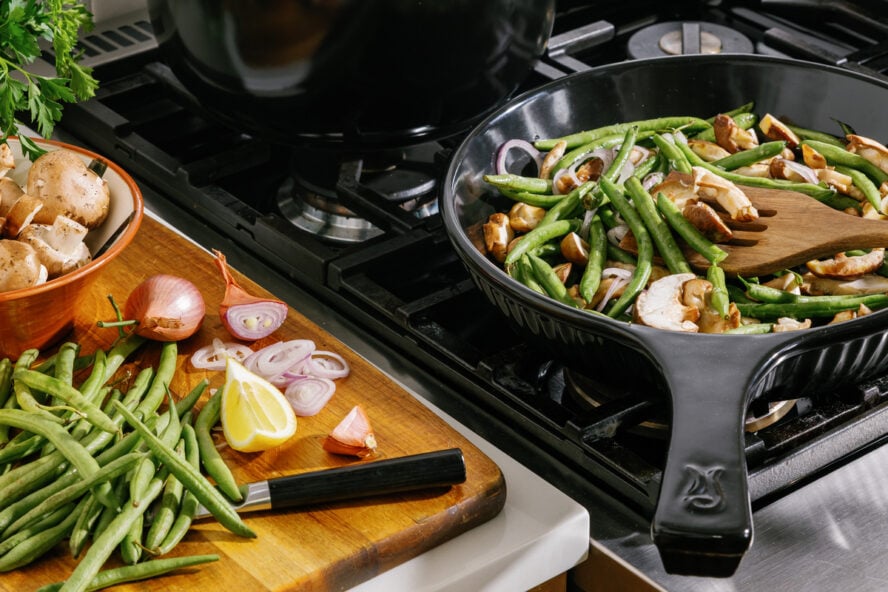
Once you start looking for the differences, real ceramic cookware quite clearly stands out. One great example on the retail market today is made by Xtrema, one of the few brands actually offering pure ceramic cookware to home chefs.
Unlike ceramic-coated cookware, the durable pans from Xtrema are made entirely from ceramic material — no metal core and no coating that can wear away over time.
From this base construction, Xtrema produces a number of different styles of cookware, from skillets to saucepans, stock pots to sturdy Dutch ovens and baking dishes. Each piece is designed using time-tested technology for the stovetop, oven, and even under the broiler or on the grill. Their material makes them seriously sturdy — when used correctly, Xtrema pieces can last a lifetime and be passed down for generations.
Inside Xtrema’s Manufacturing Process: What Third-Party Testing Reveals
Knowing that Xtrema cookware is 100% pure ceramic makes it one of the cleanest, most durable options out there. And you don’t need to blindly trust the brand’s promise, either — Xtrema undergoes independent third-party lab testing. These tests confirm the material composition and purity of Xtrema’s cookware, which is consistently devoid of contaminants like heavy metals and synthetic PFAS ‘forever chemicals’.
Can Pure Ceramic Deliver the Same Cooking Experience?
Pure ceramic cookware can absolutely deliver a reliable nonstick cooking experience. There’s a small learning curve, but it’s easy to get the hang of — you’ll be churning out perfect sunny side up eggs in no time.
Mastering the Pure Ceramic Nonstick Technique
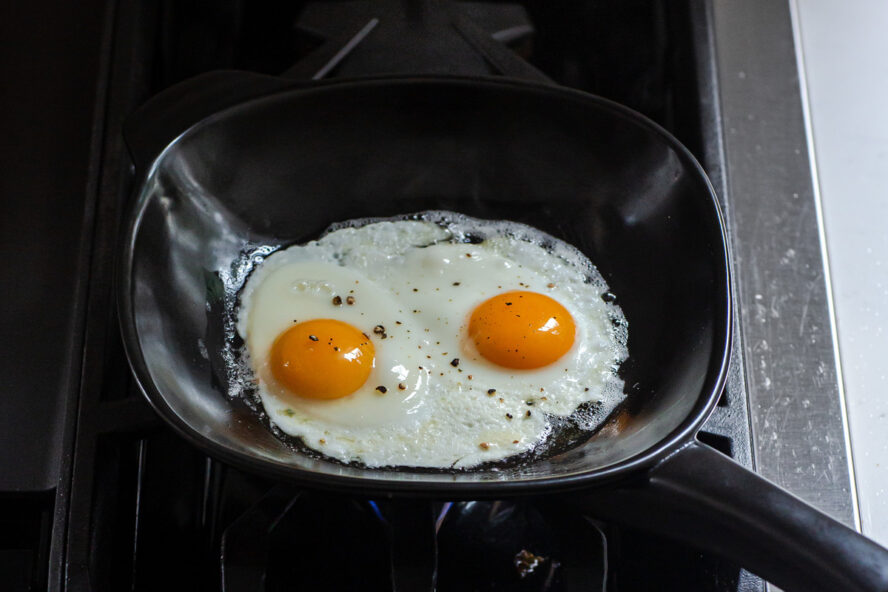
The secret? Master these three steps.
- Step 1: Preheat your Xtrema pan on medium-low heat for three to five minutes. Adding cooking fats and food to a cold pan will lead to sticking, so this step is critical.
- Step 2: Add your butter or oil and heat it all the way through. If you’re using oil, look for the shimmer; if you’re using butter, wait for it to bubble everywhere.
- Step 3: Add your food and wait. Let the pan do its work — most foods release best when left undisturbed initially.
For example, if you’re frying eggs, let the whites set and become opaque before you touch them. Same for delicate fish and proteins — wait three to six minutes (or more, depending on the size of your food) before you think about flipping them. This technique applies to any cookware, so don’t feel limited to just ceramic!
Myths About Pure Ceramic Cookware
As with any type of cookware, there are some commonly held beliefs about this material. We’re separating fact from fiction to debunk the most popular myths about pure ceramic cookware that may be holding you back.
Myth #1: Pure Ceramic Cookware Is Hard to Clean
Many cooks assume that because pure ceramic isn’t coated with a nonstick layer, cleanup will be a nightmare. This is far from the case. Follow the cooking technique above and food should release easily, followed by headache-free cleanup.
If you need a bit more oomph to remove stuck-on food, that’s OK too. For stubborn bits, fill the pan with a little water and soap and heat it over low heat on the stove for a few minutes. From there, it should be easy to lift off stuck-on food with a wooden spoon. Plus, if you’re not up for a hand wash, pure ceramic cookware has the bonus of being truly dishwasher-safe.
Myth #2: Pure Ceramic Cookware Is Too Heavy
On its own, pure ceramic is technically heavier than aluminum, which is at the core of many coated pans. But when it comes to comparing the weight of pure ceramic cookware to ceramic-coated nonstick, average weight varies widely by size and make of the pan, and pure ceramic pans can often end up being around the same weight as premium coated nonstick options.
It’s also commonly believed that pure ceramic is as heavy as cast iron, but it’s actually much lighter and easier to move around the kitchen. If you’re a fan of cast iron but don’t love that every meal feels like an arm workout, pure ceramic is an excellent option for you.
Myth #3: Pure Ceramic Cookware Is Fragile
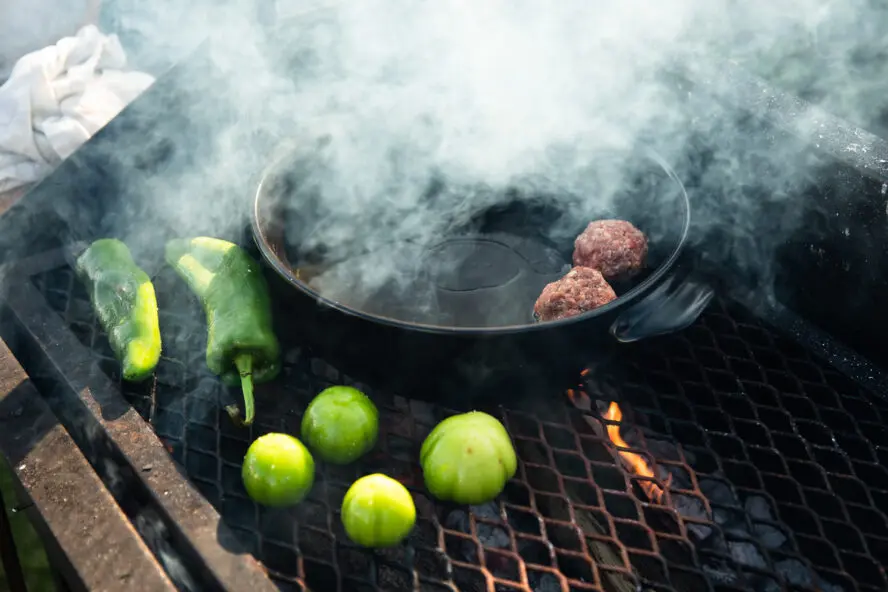
If the words “ceramic” or “porcelain” conjure images of delicate teacups and make you think your pans are primed to break, we understand. But pure ceramic is made with clay that’s kiln-fired at temperatures of up to 2500ºF, which creates a very dense, durable material.
Thanks to their sturdy construction, these pans do not warp, scratch, dent, or corrode the way that metal-based cookware can. You still need to consider thermal shock, so don’t run cold water over a hot pan, and let your cookware cool on a trivet before washing. But with normal use at stovetop and oven temperatures, this cookware should not chip or crack.
Myth #4: Pure Ceramic Cookware Can’t Be Nonstick
We’ve already busted this myth: To create a nonstick-like surface, follow our three fool-proof steps above.
Frequently Asked Questions
These coatings simply aren’t designed to last forever. With exposure to heat, utensils, and scrubbing, the thin sol-gel silica-based nonstick layer can degrade quite quickly.
Restoring your cookware’s surface is difficult once the coating has degraded, and would likely be more expensive than replacing your cookware.
Aluminum has become the preferred base material for ceramic-coated cookware because it’s relatively inexpensive and lightweight for easy maneuverability. It also conducts heat well and responds rapidly to temperature changes, making it a stable base for ceramic-based nonstick coatings.
As with traditional nonstick, using metal utensils on ceramic-coated cookware is a major no-no, as they can shorten your coating’s lifespan.
Pure ceramic achieves food release differently than a ceramic-coated nonstick pan. Rather than relying on a coating, it depends on proper preheating, temperature control, and the use of cooking fats. Skip or rush one of these steps, and it’s likely that food will stick to the surface. Once you’ve mastered this technique, however, you’ll find that pure ceramic cookware delivers consistent nonstick performance.
Not All Ceramic Cookware Is Created Equal
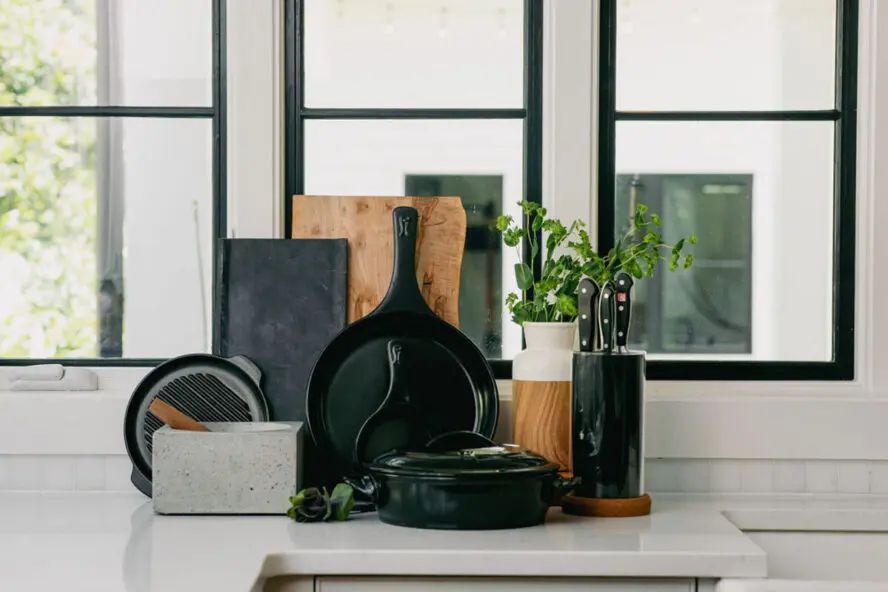
Despite sharing similar marketing terminology, ceramic-coated cookware and pure ceramic cookware are fundamentally different products. Most cookware marketed as “ceramic” is actually silica-coated aluminum. It offers a slick, easy-release surface similar to traditional nonstick pans — but it can also have an even shorter lifespan without proper care.
On the other hand, pure ceramic cookware boasts a 100% ceramic construction. Getting it to behave like nonstick requires a simple technique, but it’s just as capable of easily releasing even the most delicate foods. Ultimately, the choice is yours. Home cooks should choose cookware based on construction, testing, personal priorities, and long-term ownership costs rather than marketing language alone. Staying informed is essential to look beyond brand claims and properly evaluate cookware based on materials, transparency, and long-term value.
Sources: