



With protein in the spotlight and full-fat dairy options making a comeback, you may wonder what dairy-based protein options are best. Of all of the healthy snacks out there, greek yogurt and cottage cheese often top the list for their high protein and moderate calorie content. But if you had to choose between cottage cheese vs. Greek yogurt, which one should take nutritional priority in your diet?
To decide the verdict, we’ll start by looking at greek yogurt nutrition alongside cottage cheese nutrition. A key portion of this comparison will be Greek yogurt vs. cottage cheese protein content, as well as which is better for specific health goals. Grab a spoon and let’s dive in.
The Nutrition Breakdown for Greek Yogurt and Cottage Cheese
Using just the facts, let’s take a look at the nutrition breakdown for both Greek yogurt vs. cottage cheese1,2,3.
| Nutrition Facts per 100 grams (g) | Greek yogurt whole milk, plain | Cottage cheese full-fat 4% milkfat |
| Calories | 94 | 103 |
| Total Carbohydrates (g) | 4.75 | 4.6 |
| Total Sugars (g) | 3.25 | 4 |
| Total Fat (g) | 4.39 | 4.22 |
| Saturated fat (g) | 2.39 | 2.6 |
| Protein (g) | 8.78 | 11.6 |
| Sodium (mg) | 34 | 350 |
| Calcium (mg) | 111 | 88 |
| Potassium (mg) | 147 | 124 |
| Phosphorus (mg) | 126 | 154 |
| Vitamin A (mcg) | 38 | 36 |
| Iron (mg) | <0.1 | <0.4 |
| Cholesterol (mg) | 17 | 18 |
If you’re looking at these two options in order to fill a specific nutrient gap, a quick glance at this table is the easiest way to make a choice between Greek yogurt and cottage cheese.
How Do the Nutrients in Greek Yogurt and Cottage Cheese Stack Up?

So, based on cottage cheese nutrition facts against those of Greek yogurt, is cottage cheese healthier than Greek yogurt? Is it the reverse? Let’s dissect each food nutrient by nutrient to find out.
Protein
Which has more protein, cottage cheese or Greek yogurt? Cottage cheese has the edge over Greek yogurt here, averaging nearly three grams more per 100 gram serving (11.6 vs 8.78). Of course, the exact protein content will vary between products, but you’re likely to find that cottage cheese features more protein content per serving than Greek yogurt across the board.
Both Greek yogurt and cottage cheese contain an average ratio of 80% casein protein and 20% whey protein — this is the ratio found in the milk they’re made from4. The difference is how these proteins are digested in the body and how they show up in each food after processing. Once you understand these subtle differences, you can get strategic with how you eat your dairy-based protein.
Whey protein is formed during cheese production and is a rich source of lactose, protein, vitamins, and minerals5. It’s a fast-digesting protein, digesting in a matter of an hour or so, and is often used to provide quick support to muscles during (or right after) an exercise regimen6,7.
Casein protein, on the other hand, is a slower digesting protein. It takes about 7 hours to digest, which is optimal for overnight recovery after a workout6,8. Because of the fermentation process, the casein in Greek yogurt is already slightly broken down9. Therefore, the tight curds of cottage cheese provide more of the slow digesting casein than Greek yogurt — this makes cottage cheese an ideal bedtime snack on workout days to offer overnight recovery support.
Finally, it’s worth noting that some Greek yogurt brands now boast added protein, so it’s best to evaluate protein content on a case-by-case basis.
Sodium

This is one of the few categories where there’s a significant difference in the contents of these two options. Plain Greek yogurt is much lower in sodium (typically hundreds of milligrams lower) than cottage cheese, which could be the deciding factor for a lot of people — particularly those who are conscious about heart health.
If you want to minimize your sodium intake but still prefer the taste of cottage cheese, there are some brands that offer low-salt (or no-salt) options, but you’ll have to actively seek out these products.
Probiotics
Probiotics happen to be key ingredients in both Greek yogurt and certain cottage cheese products. However, it’s important to note that there is no guarantee of probiotic content in either product unless it states clearly on the label that it contains live and active cultures. There should also be a notation of which cultures are active in the product on the nutrition facts or ingredient label.
Studies show that the live, active cultures in most Greek yogurt products can help improve the diversity of the gut microbiome and may help strengthen the intestinal lining10. In turn, regular Greek yogurt intake could help reduce inflammation in the body and improve digestion.
Diet Compatibility
If you’re following a special diet, both Greek yogurt and cottage cheese have the potential to provide their own unique benefits. Although neither would fit into a strict paleo diet (which restricts dairy), cottage cheese and Greek yogurt could both provide a good source of protein and probiotics for those on a ketogenic or lower carb diet.
Remember, for any type of special diet, it’s generally best to opt for a plain Greek yogurt that doesn’t include any added flavors and sugar content.
Organic and Clean Label Guidance
If you prefer a clean label or an organic product, be sure to take a careful look at the ingredients of your Greek yogurt and cottage cheese products. For a clean label, these products should only contain milk, cream, salt, and live active cultures, with no added gums, modified starches, artificial flavorings, or added sugars.
Brands Worth Buying
Now that you know what nutritional values to look for, here’s a short list of some notable cottage cheese and Greek yogurt products to make your shopping experience easier. This is not an extensive list, but it contains products that may be most prevalent in many grocery stores in the U.S.
| Product Properties | Cottage Cheese Brands | Greek Yogurt Brands |
| Short ingredient list (no gums or artificial ingredients) | Good Culture Simply Cottage Cheese | Stonyfield Organic Fat Free Plain Greek Yogurt |
| Nancy’s Yogurt Organic Whole Milk Cottage Cheese, 16 OZ | Simply Nature Organic Whole Milk Plain Greek Yogurt | |
| Daisy Brand Cottage Cheese | FAGE Total Greek Yogurt, 0% Nonfat, Plain | |
| *Low sodium(Less than 140 mg sodium per serving) | Friendship Dairies No Salt Added | Stonyfield Organic Fat Free Plain Greek Yogurt |
| Bowl & Basket™ Low-fat & No Salt Added Small Curd 1% Milkfat Cottage Cheese | Simply Nature Organic Whole Milk Plain Greek Yogurt | |
| Organic | Organic Nancy’s Yogurt Probiotic Cottage Cheese | Stonyfield Organic Fat Free Plain Greek Yogurt |
| 365 Whole Foods Market Cottage Cheese | Simply Nature Organic Whole Milk Plain Greek Yogurt | |
| Organic Valley Cottage Cheese | Maple Hill Creamery Organic Plain Greek Yogurt | |
| Live, active cultures | Good Culture Simply Cottage Cheese | Stonyfield Organic Fat Free Plain Greek Yogurt |
| Chobani® Whole Milk Plain Greek Yogurt | ||
| Nancys Yogurt, Organic Whole Milk Plain Greek Yogurt | ||
| Organic Nancy’s Yogurt Probiotic Cottage Cheese | Cabot Creamery 10% Whole Milk Plain Greek Yogurt | |
| FAGE Total Greek Yogurt, 0% Nonfat, Plain | ||
| Maple Hill Creamery Organic Plain Greek Yogurt | ||
| Lactose-free | Good Culture Simply Lactose Free Cottage Cheese | FAGE BestSelf Lactose-Free Low-Fat Plain Greek Yogurt |
| Lactose Free Green Valley Creamery Cottage Cheese |
*= Greek yogurt is naturally low sodium, so most brands would meet this criteria.
The Skyr Trend
A discussion of Greek yogurt wouldn’t be complete without addressing the growing Skyr trend. Skyr isn’t Greek yogurt, but it’s often referred to as a Greek yogurt alternative — it’s similar but milder, less tangy, and a bit thicker.
Made from specific heirloom Icelandic cultures, Skyr has a unique flavor profile as compared to Greek yogurt. Most Skyr varieties are very low fat or nonfat and contain live, active cultures, so they’re a very reasonable substitute if you’re not the biggest fan of Greek yogurt. Popular Skyr brands include Siggi’s and Icelandic Provisions12,13.
The Goal-by-Goal Verdict
If you’re looking for advice on Greek yogurt vs. cottage cheese for a specific health outcome, here’s the verdict on some common goals.
For Muscle Building

This goal comes down to the previously mentioned protein content of each option. When you’re looking at Greek yogurt vs. cottage cheese protein to meet post-workout or muscle building goals, it’s a relatively split decision. Greek yogurt can provide a great addition to protein-rich smoothies for quick recovery after meals, while cottage cheese can provide a slower digesting protein for overnight recovery. Either food can play an important role in your muscle building and post-workout routine — why not both?
For Weight Loss and Satiety
If you have to make a choice between cottage cheese or Greek yogurt for weight loss, cottage cheese might have a slight edge. It’s naturally low in sugar, often higher in satiating protein than Greek yogurt, and it’s super versatile — it can serve as a filling side dish, snack, or post-recovery protein source. However, Greek yogurt in its plain form can also provide similar benefits, so it shouldn’t be counted out when it comes to your weight management goals.
For Gut Health
Since Greek yogurt typically contains live and active cultures, it’s the obvious choice for gut health support. You’re more likely to find beneficial probiotics in Greek yogurt than cottage cheese.
That said, some cottage cheese brands now make an effort to incorporate live, active cultures, so certain brands can also be part of a gut-friendly dietary pattern11. The low-acid and high-fat environment of cheese provides a stable environment for the probiotic bacteria that may be present in certain cottage cheese products — you may just have to dig to the back of the refrigerated section to find these options.
For Heart Health
If heart health is your focus, it’s likely safer to opt for Greek yogurt over cottage cheese. Since Greek yogurt is naturally low in sodium, it’s great for any heart healthy or low sodium meal plan.
However, as mentioned, some cottage cheese brands make an effort to offer low-sodium options, so you don’t necessarily have to give up cottage cheese entirely if you’re focused on heart health. With brands starting to reduce the sodium content in their cottage cheese products, there are some options that could fit a heart-healthy diet. However, one flag is that it may be difficult to find products that are both low-sodium and organic.
Organic brands avoid artificial preservatives, so they generally rely on the presence of salt to naturally preserve the cheese and extend its shelf life. Without the ability to lean on salt, they’ll likely need to ditch any hopes of organic status and use artificial additives to do the job.
What to Look For on the Label
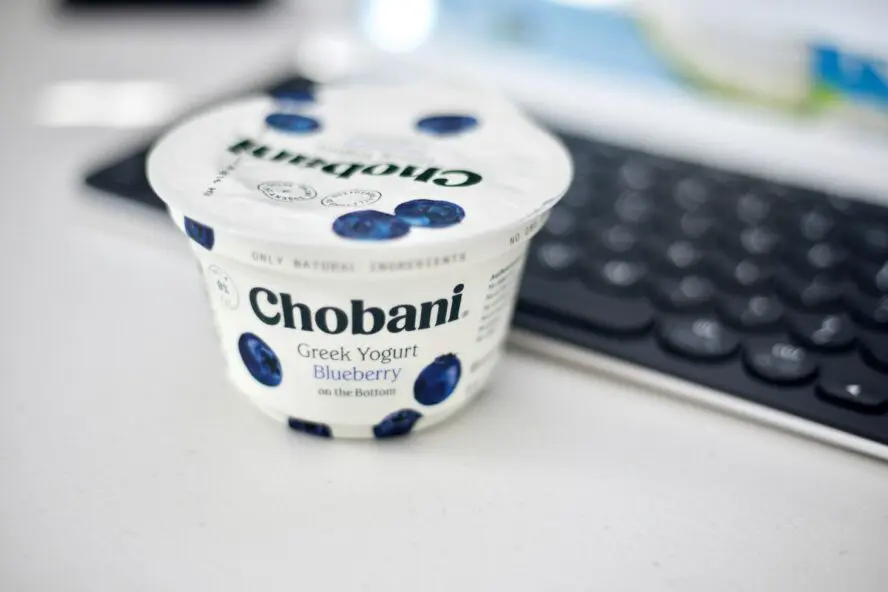
Based on your health goals, there are a few things you can keep an eye out for on the product label of the Greek yogurt or cottage cheese products you choose.
- Short ingredient lists: Products containing just milk, cream, salt, with no artificial ingredients are considered clean label options.
- Live, active cultures: If you want to boost gut health, check the front label and ingredient labeling for live and active culture information.
- Low sodium levels: Choose products below 140 mg of sodium per serving for optimal heart health support.
- Fat percentage: Whole milk products offer a greater chance of providing fat-soluble vitamins like A, D, and E, while lower-fat options may be best for those who have a history of heart disease or simply cannot process fats well.
The Bottom Line: A Dietitian’s POV
When it comes to Greek yogurt vs. cottage cheese, there’s no universal answer regarding which one is superior over the other. Just like any food, the one that is best for you will meet your food preferences and health goals, as well as avoid any allergies or intolerances. Use this guide to look carefully at the labels and make informed choices that fit your preferred lifestyle and dietary needs.
Frequently Asked Questions
Yes, cottage cheese tends to contain higher levels of protein than most Greek yogurt products, but the gap is smaller than most people expect.
Both cottage cheese and Greek yogurt support satiety and calorie control, and can therefore support weight loss efforts. How you choose one over the other will depend on how each product fits into your overall diet and taste preferences.
Most people can enjoy cottage cheese or Greek yogurt on a daily basis with no problem. Just be sure to watch portion sizes and be conscious of ingredients like sodium — if you’re watching sodium levels, go for a Greek yogurt or no-salt added cottage cheese in order to enjoy it regularly.
Due to its rich and stable casein protein content, cottage cheese is particularly effective as a slow-digesting pre-sleep protein source.
Skyr features protein content comparable to or slightly above Greek yogurt, and it’s typically lower in sugar. It’s naturally low in sodium like Greek yogurt and also usually contains live, active cultures. However, the difference isn’t significant enough to necessarily base your choice on the slightly elevated protein levels or lower sugar levels — opt for the one you’ll genuinely enjoy eating!
Sources:
- https://fdc.nal.usda.gov/food-details/2346384/nutrients
- https://fdc.nal.usda.gov/food-details/2259794/nutrients
- https://kemps.com/fridge-products/4-cottage-cheese-16-oz/
- https://adpi.org/the-powerful-list-of-dairy-ingredients/natures-complete-proteins/
- https://pmc.ncbi.nlm.nih.gov/articles/PMC12470128/
- https://www.sciencedirect.com/science/article/abs/pii/S0308814620303769
- https://pmc.ncbi.nlm.nih.gov/articles/PMC7531014/
- https://pmc.ncbi.nlm.nih.gov/articles/PMC11279393/
- https://pmc.ncbi.nlm.nih.gov/articles/PMC10609537/
- https://pmc.ncbi.nlm.nih.gov/articles/PMC13161551/
- https://pubs.rsc.org/en/content/articlehtml/2026/fb/d5fb00375j
- https://www.icelandicprovisions.com/skyr-products/
- https://siggis.com/about-us/