


Seven in 10 UK men have ignored worrying health symptoms, according to new research from non-for-profit healthcare provider, Benenden Health – with many admitting they prioritise the wellbeing of loved ones over their own health.
The research, conducted among 2,000 working men aged 30-55 across the UK, highlights a widespread pattern of men delaying, downplaying or deprioritising health concerns, often until a significant “wake-up call” forces them to reassess.
For Benenden Health’s community, of which 46% are men, these findings underline a critical reality. Member data shows men are significantly less likely than women to engage with key health services, accounting for just 24% of usage compared to 76% among female members across support including health coaching, GP services and mental health support.
The issue of “health ostriching” appears to be rife as more than two thirds (69%) of men surveyed admitted they have ignored symptoms or health concerns they were worried about, while more than a quarter (27%) said they had done this on multiple occasions.
Meanwhile, just over three quarters (76%) agreed they tend to prioritise the health of loved ones and others over considering and managing their own.
Two fifths (40%) of men who delayed seeking help said this was because they hoped the issue would disappear, while 28% said they didn’t think the concern was serious enough to warrant medical attention.
According to the research, two thirds (66%) of men have experienced a health-related “wake-up call” that made them think more seriously about their health.
For many, these moments were deeply personal. The most common trigger was their own health scare (35%), followed by a health scare or diagnosis involving someone else (32%), the death of someone close to them (25%), or a family member becoming ill (23%).
Despite previously delaying action, the vast majority of men who experienced a wake-up call did take steps to improve their health. Nearly two thirds (63%) said they acted immediately, while a further 34% admitted they only took action after some time.
Benenden Health says the findings highlight the importance of helping men engage with and access preventative healthcare before issues become urgent.
Benenden Health provides a range of men’s health support designed to remove barriers and encourage earlier action – including 24/7 GP access, mental health helplines, dedicated health coaching and access to health advice via its online hub.
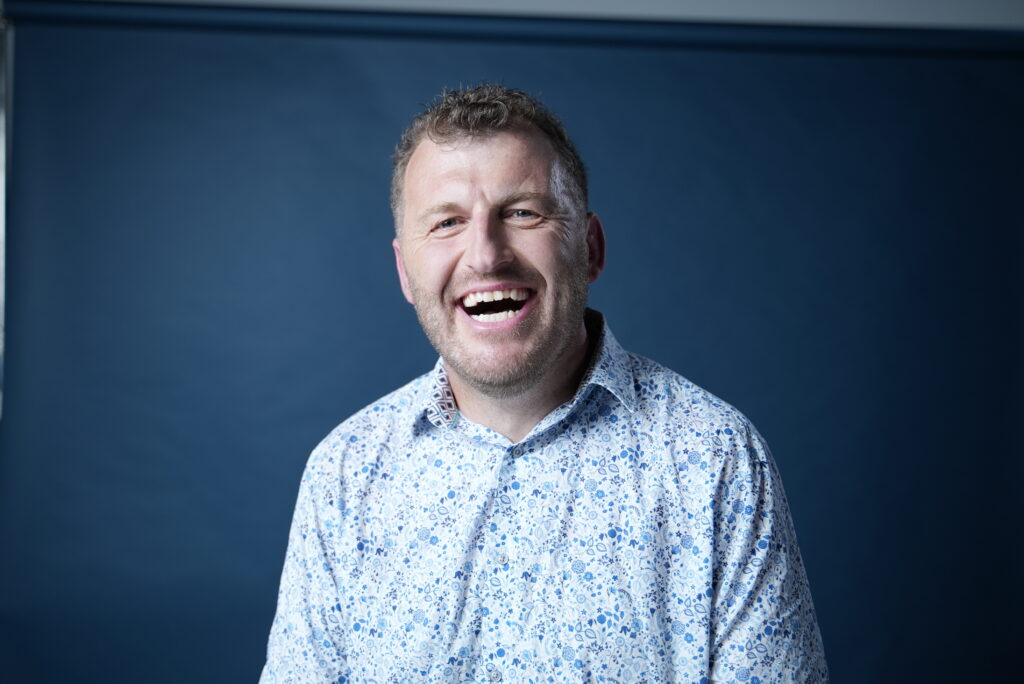
Hylton Smith, 46, (pictured above) builder and father of one from Kidderminster and member of MAN vs FAT, says suffering a double stroke at just 34 was the wake-up call that changed his life.
Initially sent home from hospital with what was thought to be a migraine, he was diagnosed the following day after his GP recognised he had suffered a double stroke. Further tests also revealed he had been born with a hole in his heart, meaning he had to lose weight before undergoing surgery.
The experience transformed the way Hylton thinks about his health and future.
“Before my stroke I never thought about the future. Now I exercise several times a week because I want to be around for my wife and daughter for as long as possible.”
After later regaining weight, Hylton found renewed motivation through MAN v FAT, helping him lose 15% of his body weight and establish healthier habits.
He hopes sharing his story encourages other men to take their health seriously. He said: “Men are brilliant at convincing themselves they’re fine, but I know first-hand how dangerous that can be. Don’t ignore the warning signs and don’t be afraid to get checked. It might just save your life.”
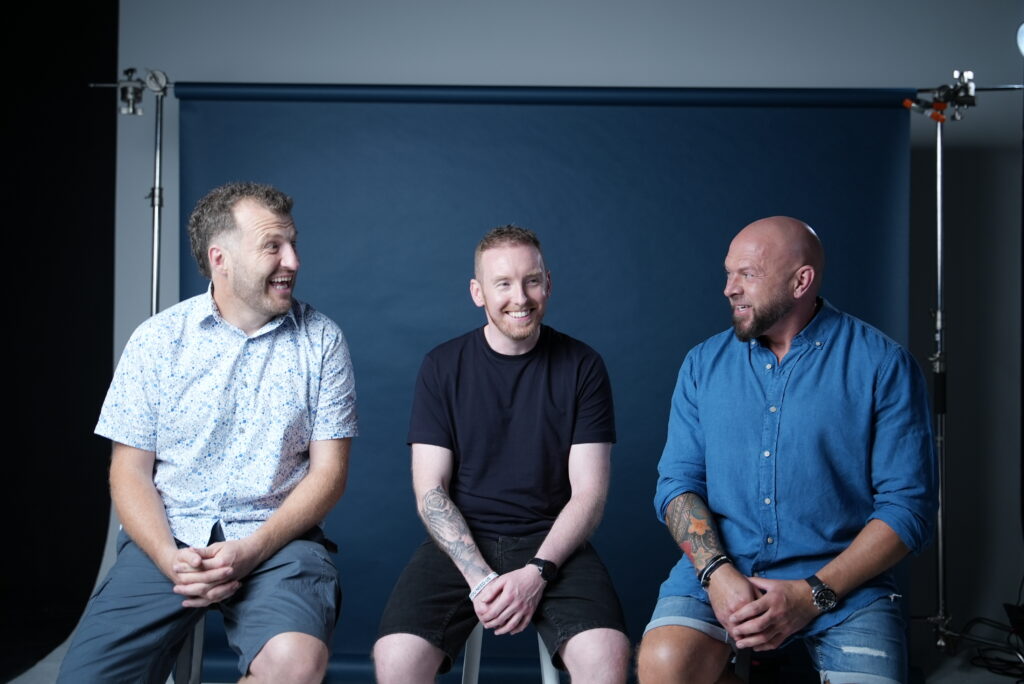
Phil Howarth, 37, Driving Instructor, father of one in Leeds and member of MAN vs FAT added: “I’d struggled with my weight since I was a child. I tried weight loss groups, NHS programmes, diets, fasting – you name it. Nothing seemed to work and I just thought it was my fault.
“Then I started getting severe headaches, my blood pressure went through the roof, and I found a lump in my side. I thought it might be a cyst or kidney stones, but after more tests the consultant sat me down and said, ‘We’ve found a tumour.
“It was an extremely rare tumour which had been growing for around 10 years but because my blood pressure was so dangerously high, they couldn’t operate straight away or I’d have bled to death on the table.
“After weeks of medication to bring my blood pressure down, I had a ten-hour operation to remove the tennis ball-sized tumour and my adrenal gland, which was surrounded by the tumour, leaving most of my kidney intact. It was the scariest thing I’ve ever been through and it completely changed the way I look at my health.
“For years I’d been blamed for my weight and blamed myself too. Finding out there was a medical reason behind so much of what I’d struggled with was a huge shock, but it also gave me a second chance.
“Now everything I do is about making sure I’m here for my daughter. I’ve lost weight, become far more active, retrained as a driving instructor and joined MAN vs FAT, which gave me the confidence to get back playing football for the first time since my operation.
“If something doesn’t feel right, don’t ignore it. Go and get it checked. It could genuinely save your life. And if you’re struggling mentally or physically, talk to someone. Things only get worse if you stay silent.”
Dr Cheryl Lythgoe, Nurse Consultant at Benenden Health says, “For many men, it takes a significant ‘wake-up call’ – whether that’s their own health scare, a loved one becoming ill or losing someone close to them – before they feel prompted to take action. The concern is that by the time this happens, opportunities for earlier intervention may already have been missed.
“We know men are often balancing work, family responsibilities and caring for others, but preventative healthcare matters. Small steps like seeking advice earlier, attending routine checks or speaking openly about symptoms can make a significant difference to long-term health outcomes.
“The findings highlight why it’s so important that men feel able to access support earlier, rather than waiting until they reach crisis point.”
To bring these findings to life, Benenden Health has launched The Wake-Up Call – a campaign capturing real-life stories from men whose approach to health changed following a pivotal moment that jolted them into taking action.
Through a series of personal stories and content, fronted by actor Will Mellor, the campaign highlights the emotional turning points that drive action, while encouraging men not to wait for a shock before prioritising their health.
As the UK looks to address the challenges set out in the Men’s Health Strategy, Benenden Health is calling on men to move from reactive to preventative health behaviours – before the next wake-up call comes too late.
For more information about Benenden Health’s The Wake-Up Call campaign visit https://www.benenden.co.uk/wake-up-call.

