


A used SUV can transform a frustrating Friday commute into a peaceful weekend campsite by the water. It offers enough room for groceries, sleeping bags, and outdoor gear while still handling everyday errands with ease. But cargo space alone does not make an SUV a reliable car-camping vehicle. A level sleeping area, dependable suspension, and sound mechanical condition matter just as much. One family learned that lesson after buying a roomy crossover following a brief test drive, only to discover a leaking tailgate and worn wheel bearings on their first camping trip.
Before measuring the rear seats, run a VinInspect vin report. The service says reports use NMVTIS source data. Reports may include specifications, ownership history, odometer readings, accidents, damage, theft records, recalls, title data plus earlier sale photos when available. These facts expose risks that paint hides. A VIN check does not replace a mechanic. It directs the inspection toward known concerns.
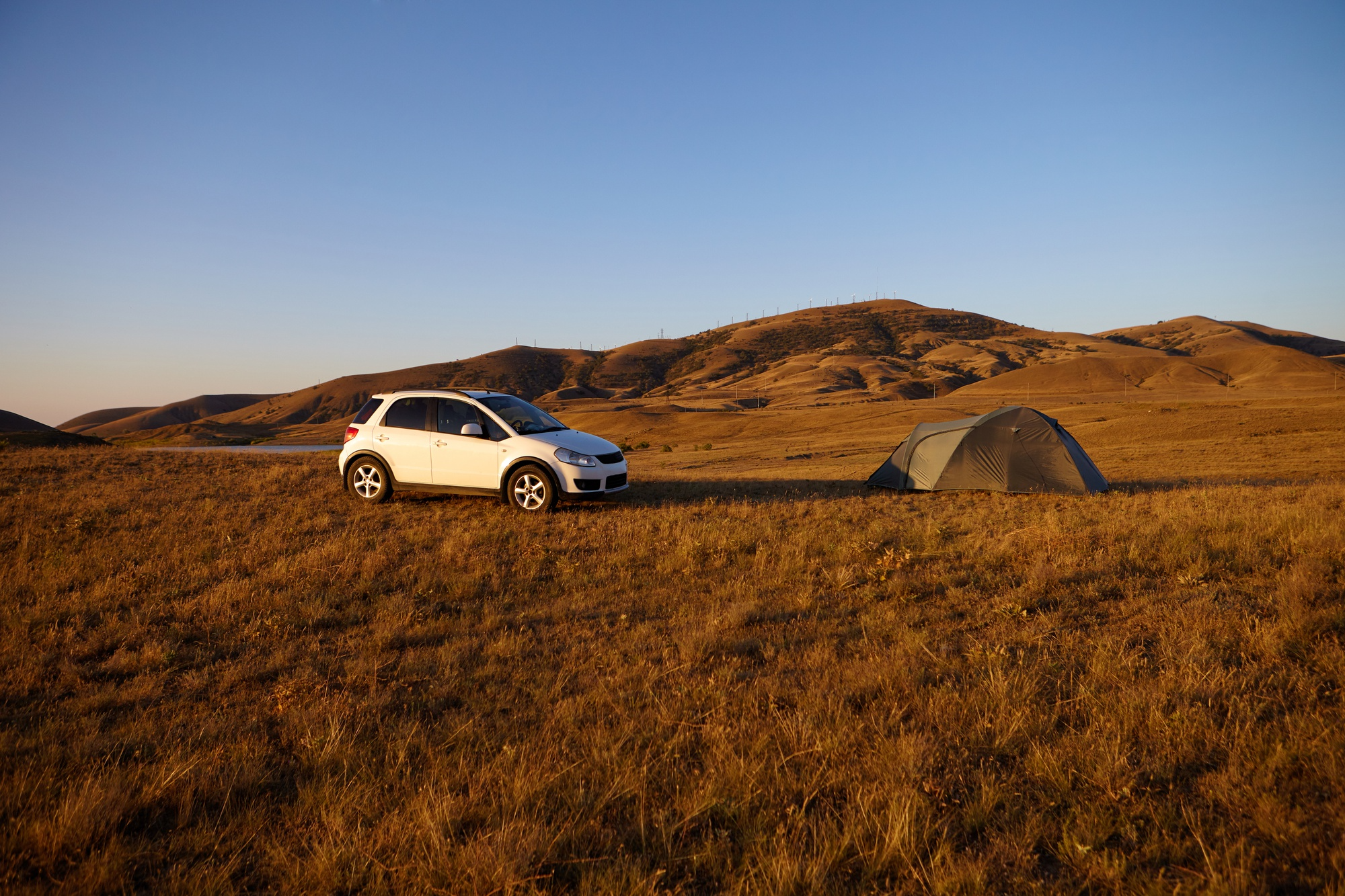
Match the Vehicle to the Way You Camp
Choose a vehicle around the camping style. Paved campgrounds need less clearance than remote dirt roads. Compare cargo space, passenger room plus off-road ability across SUVs and minivans.
Measure the sleeping area before buying. Fold the rear seats and move the front seats forward. Test a mattress or inflatable mat inside. A sleeping platform adds storage below. Use a tote for cookware plus small gear. Window insulation adds privacy while a bug screen improves airflow on colder nights.
|
Check |
Practical value |
|---|---|
|
Flat floor |
Supports steady sleep |
|
Payload rating |
Protects handling with camping gear |
|
Roof rating |
Guides kayak or solar panels use |
|
Cargo length |
Confirms mattress fit |
Inspect the SUV Before Building the Setup
A camping setup adds weight. Ask a mechanic to inspect the brakes, tires, battery, cooling system plus suspension. Test the tailgate, seat latches plus wheel bearings. Simpler trims often have fewer powered parts to fail.
Fuel use also matters. Compare gas mileage under realistic loads. Smaller engines may save fuel on flat roads yet struggle on steep grades. Check the official mpg figure. A portable power station runs devices without idling. Compact cookware plus lightweight gear also save space.
Use this buying order
- Define campsite access plus seasonal weather
- Check the VIN before arranging travel
- Inspect the suv in daylight
- Complete a long test drive
- Price repairs before negotiating
- Confirm insurance plus registration costs
Build for Safety Rather Than Appearance
Common mistakes to avoid include blocking airbags, leaving loose gear near the passenger seat plus sleeping with the engine running. Secure cargo. Keep exits clear. Never cook inside. Check local rules outside a campground. An rv or larger camper adds facilities plus maintenance. RVing fits extended stays. Small rvs suit indoor living. A car camper favors easier parking.
The best suv is rarely the largest. It has verified history, sound structure plus dimensions that support the camp routine. A rental night in a similar model reveals headroom, condensation plus hatch access. The trial may show that a traditional tent works better. The goal is to enjoy the outdoors with fewer repairs.
Conclusion
A reliable used SUV creates freedom after evidence supports the purchase. Start with history. Follow with professional inspection. Test the layout under load. A thoughtful choice protects savings plus makes each camping trip calmer. The right vehicle reaches the campsite plus provides a dry place to rest. Careful screening leaves money for road trips through national parks.
FAQ
1. Can a hybrid SUV provide safe overnight heat at camp
A hybrid system should not run unattended for cabin heating. Use insulated sleeping bags plus layered bedding. Ventilation still matters because moisture builds inside a closed vehicle.
2. Does a roof tent improve every SUV camping setup
No. A roof tent adds weight, height plus wind resistance. It also changes handling. Check the roof load rating before installation.
3. Is all wheel drive required for car camping
No. Front wheel drive works for paved campground access plus maintained roads. All wheel drive becomes more useful on snow, mud plus loose surfaces.
4. How much cargo length is needed for sleeping inside an SUV
The required length depends on body height plus sleeping position. Measure from the closed tailgate to the front seatbacks after folding the rear seats. Test the space before purchase.
5. Should the VIN check come before a mechanical inspection
Yes. A VIN report may reveal title issues, odometer records, accidents plus theft history. A mechanic then checks the vehicle’s present condition. Both steps protect the buyer.

