


Overnight, it seems like bananas have gone from sad, squished, bagged-lunch afterthought to social media darling. They’ve taken the food and beverage industry by storm, with the K-pop influence of Korean banana milk supercharging this humble fruit’s rise. Suddenly the flavor is everywhere, from Starbucks banana protein cold foam to Banana Nut Bread M&M’s and banana matcha recipes on TikTok.
But as everyone goes bananas for bananas, mixed messages online may make you wonder: “Are bananas good for you?” The answer is a resounding yes. Aside from their meteoric rise, bananas are a healthy fruit full of fiber and potassium, and their natural sweetness makes them a great addition to a whole range of recipes. Unlike the refined added sugar found in processed foods that can potentially harm metabolic health1, this natural sugar comes packaged with beneficial compounds and antioxidants.
This portable fruit is easy on the gut, provides a sweet alternative to snacks like ice cream, and can add a boost of nutrition and flavor to smoothies. Let’s take a look at what nutrients and health benefits you can find in a banana, from the peel to the flesh to answer questions like: how many bananas should you eat per day? Are organic bananas worth it? Are there people who should limit their banana intake? Here we go.
What’s Actually in a Banana?
This simple fruit is rich in nutrients. Let’s take a look at banana nutrition facts to see what you can get from eating this delicious and versatile fruit2.
| Nutrition Facts per 100 g | Ripe/Slightly Ripe Banana |
| Calories | 98 |
| Protein (g) | 0.74 |
| Fat (g) | 0.29 |
| Carbohydrate (g) | 23 |
| Fiber (g) | 1.7 |
| Total sugars (g) | 15.8 |
| Potassium (mg) | 326 |
| Magnesium (mg) | 28 |
| Folate (mcg) | 14 |
| Vitamin B6 (mg) | 0.209 |
| Vitamin C (mg) | 12.3 |
How Healthy Are Bananas? A Nutrient-Benefit Breakdown
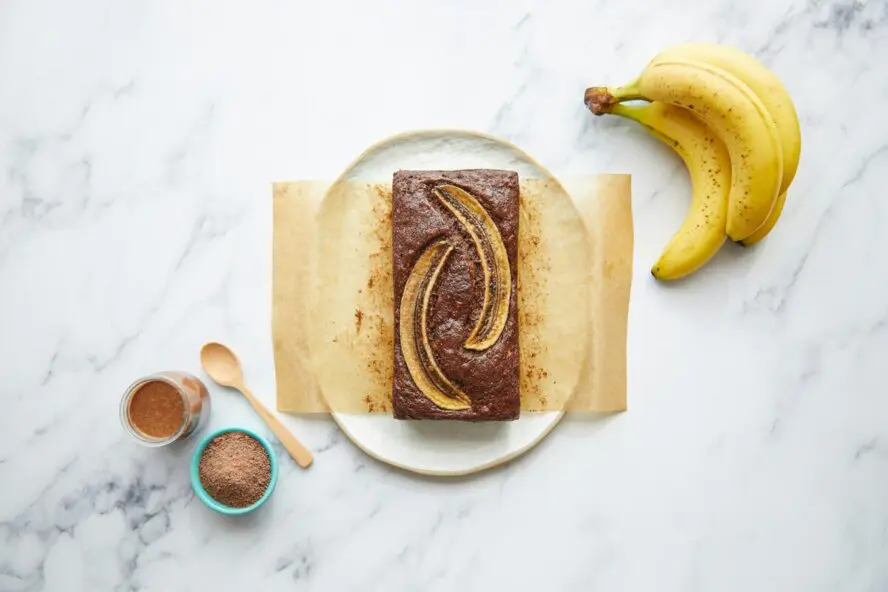
So based on these numbers, are bananas healthy? If you’re not sure how to interpret the nutrition facts alone, let’s go through individual nutrients to understand how each of them translate into tangible benefits you can enjoy today.
Potassium and Heart Health
If you ask a range of people, “What are bananas good for?”, chances are most of them will mention potassium. Potassium is a vital mineral for maintaining heart health, supporting muscle contractions, and balancing body fluids3.
A 2024 study on fruit intake and health outcomes shows that a moderate intake of apples and bananas (around three to six times per week) was linked with a reduced risk of all-cause mortality in those with hypertension4. A 2023 study review on bananas also shows that this antioxidant-rich fruit can help improve cardiovascular health5.
Potassium also helps regulate the signals that let your muscles contract and relax, making it a critical electrolyte for bodily functions. When potassium drops too low — otherwise known as hypokalaemia, or potassium deficiency — you may experience muscle spasms, cramps, or general fatigue. Bananas are a great potassium-rich snack to counteract these symptoms6.
Fiber and Digestion
Bananas are a good source of natural fiber that can support gut health. The potassium in bananas is not only good for heart health, but can also help maintain fluid balance and prevent constipation by supporting regular bowel movements7.
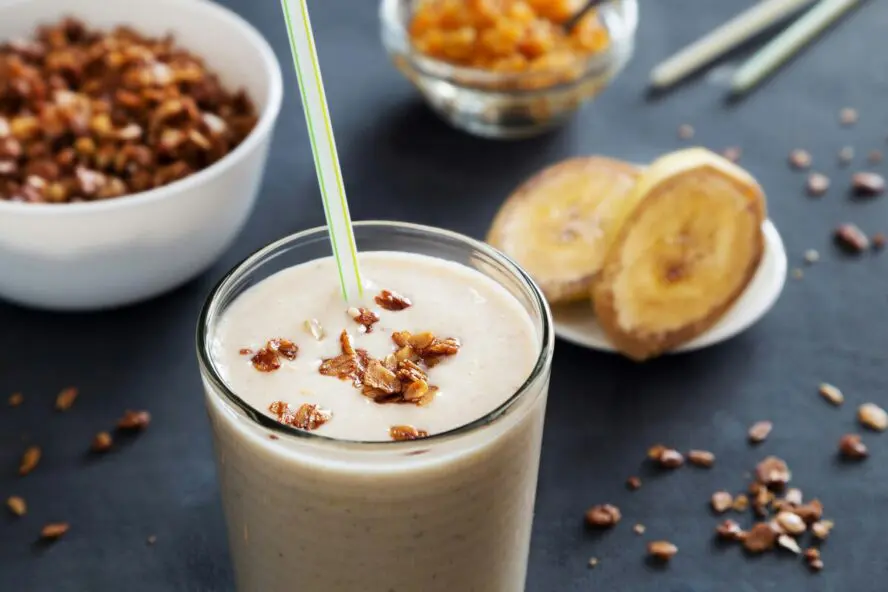
Ripe bananas contain pectin, which is a soluble fiber that dissolves water in your gut and forms a gel to help your body pass waste8. Note that this is slightly different for green, unripe bananas — keep reading for more on that in a bit!
Bananas also act as a prebiotic, helping to stimulate growth of bacteria like Bifidobacteria9. This quality comes from the banana’s fructooligosaccharides (FOS) and resistant starch content. Not to mention that bananas’ gut health benefits extend to its role in the BRAT diet (Bananas, Rice, Apples, and Toast) recommended to people with indigestion and nausea.
Magnesium, Tryptophan, and Sleep
Bananas offer a moderate amount of magnesium per serving (about 10% of the daily recommended value), which may help you sleep better by relaxing muscles and calming the nervous system10. They also contain tryptophan, an essential amino acid involved in the body’s regulation of sleep through the production of melatonin.
A landmark study from 2024 looked at the effect of a bedtime banana on sleep quality. Results showed that people in the group that had one portion of ripened banana before bed had improved sleep quality index scores11. The study authors believe that the sugar in the bananas helped release insulin, allowing tryptophan to cross the blood-brain barrier and promoting the synthesis of serotonin and melatonin — which ultimately improved sleep parameters.
B6 and Energy
One medium banana contains 25% of the recommended daily value of B612. Vitamin B6 is an antioxidant that plays a significant role in the breakdown of carbs, lipids, and proteins for energy13. This means that eating bananas on a regular basis could help your body unlock more energy from the foods you eat. Not only that, but vitamin B6 from bananas also shows potential to help reduce inflammation in the body14.
Green vs. Ripe: Does Ripeness Change a Banana’s Benefits?
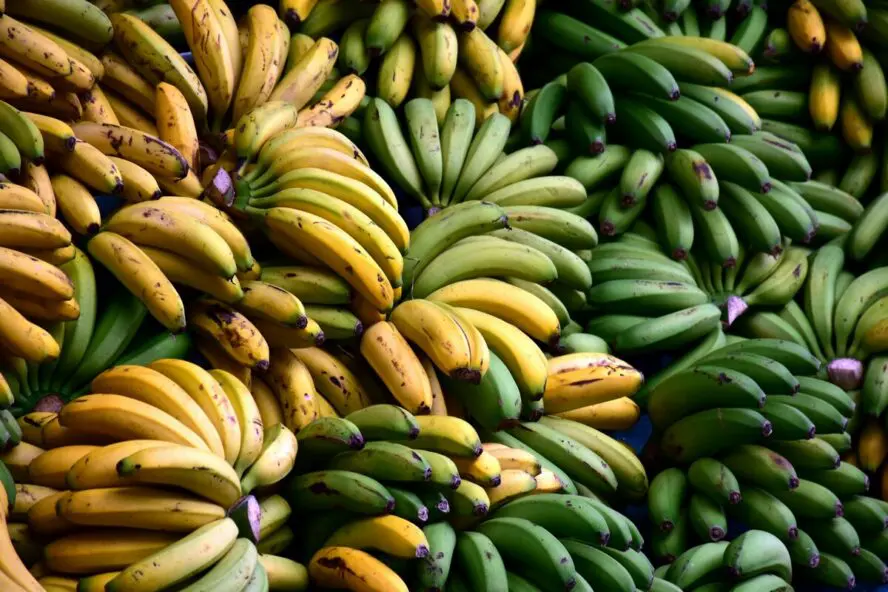
With all the banana health benefits to enjoy, we have good news: ripeness doesn’t significantly alter a banana’s nutrition facts. However, it does change its digestive qualities. This has to do with the resistant starch (RS) properties of bananas.
Green bananas have one of the highest RS content of any whole foods15. This is important because RS is a complex carb that acts as a prebiotic fiber that is fermented by bacteria in the colon. Experts say that unripe bananas have an even higher RS content. When RS is fermented in the colon, short chain fatty acids (SCFA) like butyrate are made. Butyrate can help reduce inflammation and support gut health by maintaining intestinal motility and preserving gut integrity7. Therefore, unripe green bananas may offer additional gut health benefits and even help with constipation.
On the other hand, ripe bananas have more total sugars than unripe bananas16. Some of these sugars include fructose, which may not sit well in those with fructose intolerance or irritable bowel syndrome (IBS). Therefore, those with such intolerances and gut health issues should choose firm and unripe bananas instead17.
Who Should Be More Cautious — and How Many Bananas to Eat a Day
With all of these health benefits of bananas, you might be rushing to eat a banana at every meal. But before you start loading up on banana smoothies, how many bananas should you actually eat per day?
To reap the benefits while still leaving space for a diverse diet with a wide variety of fruits and vegetables, I recommend consuming anywhere between three to six bananas per week. For those with conditions like kidney disease, these numbers should be treated as an upper limit. Because people with kidney disease are at risk of having potassium levels outside of the goal range, they should be careful to limit their intake of potassium-rich foods like bananas18. Always consult with your healthcare provider if you’re not sure what your daily potassium intake should be.
What About the Peel?
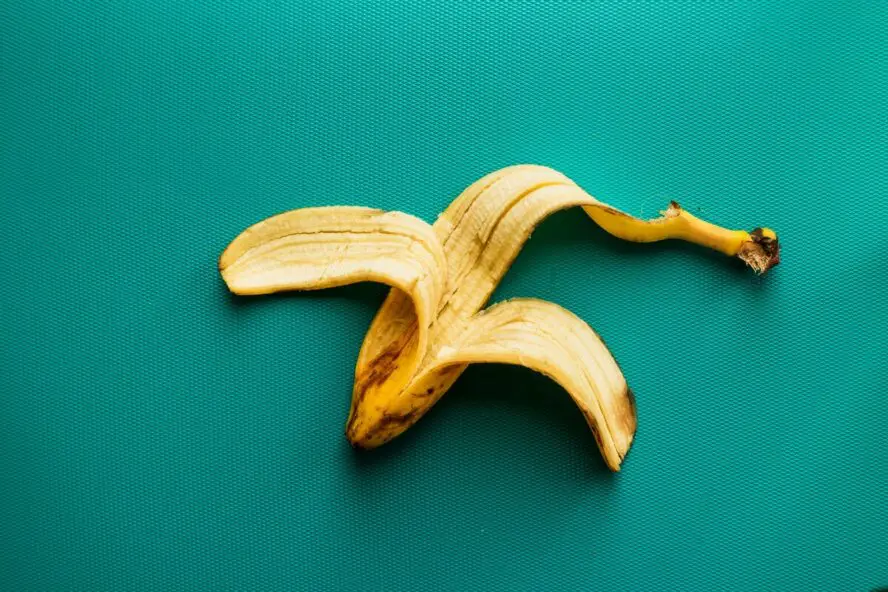
After you eat a banana, you normally just toss the peel in the trash. But you could be throwing away some lesser known health benefits.
Can you eat banana peels? Surprisingly, the answer is yes. It might have a grainy texture that isn’t the most appealing, but the peel of a banana is a rich source of fiber and antioxidants19. You can eat banana peels as is, but be sure to wash the peel well under warm water, cut the hard tip and bottom off first, and choose softer, more ripened peels. To avoid experiencing the off-putting texture, try blending them directly into a smoothie.
There are a few studies that use banana peels to make more palatable extracts. When made into banana peel extract, you can enjoy anti-inflammatory properties that could help protect brain health20. There are also documented uses of banana peel to help reduce inflammation in ulcers, burns, and snakebites21. Other studies show that banana peel extract may help manage acne and skin hyperpigmentation and reduce skin aging, among other benefits22,23,24,25.
Are Organic Bananas Worth It?
If you’re concerned about your exposure to cancer-causing pesticides and toxic organophosphates, you’re not alone. Luckily, you can rest assured that even conventionally grown bananas are unlikely to be a major contributor to your pesticide load. In fact, the banana is actually a card-carrying member of this year’s EWG Clean Fifteen™ — AKA the top 15 conventional produce items least likely to be contaminated with pesticides — due to its thick peel limiting pesticide transfer to banana flesh. (Of course, you run a much higher risk of pesticide exposure if you choose to eat the peel, so proceed with caution.)
However, beyond pesticide residue on your fruit, there’s also an ethical question around how your bananas are grown. Conventional banana farming still exposes farm workers to large amounts of pesticides that can cause gut health issues, skin and eye irritation, and far worse over time26. Without the proper protective masks and gloves, farm workers are also at risk for respiratory issues27.
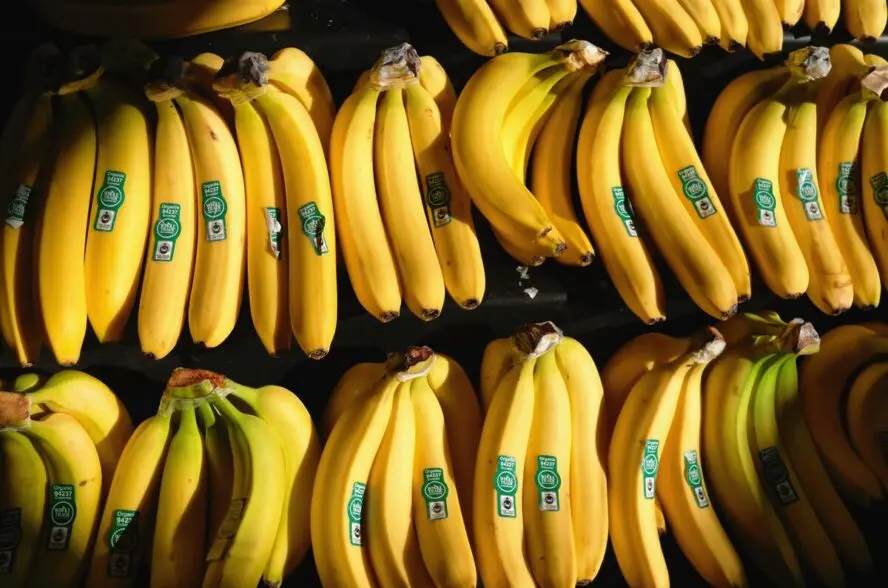
Organic farming practices and Fairtrade organizations are working to help improve banana farming. While organic farming aims to reduce pesticide use, Fairtrade programs work to guarantee farmers a minimum banana price (even in the face of low market prices), protect worker rights, and provide community funds to workers that can help them with housing, healthcare, and education programs28.
The challenge is that these certifications come with high costs that many farmers can’t easily absorb into their bottom line. Although the banana industry still has work to do to make banana farms better for both farmers and the environment, you can help now by purchasing bananas with the organic or Fairtrade labels to show your support for improving those conditions.
Frequently Asked Questions
Most adults can eat one to two bananas a day, while those with kidney disease should stick to half of this amount.
Bananas have a glycemic index of 55, which indicates a moderate effect on blood glucose levels after eating. As such, bananas are recommended by the American Diabetes Association as one of the fruits that has its place in a diabetes-friendly dietary pattern29,30.
Contrary to popular belief, bananas can help prevent constipation! Due to their inclusion in the BRAT diet (often used as part of a treatment protocol for diarrhea), many believe bananas have a constipating effect. However, the opposite is actually true — especially if you’re dealing with unripe green bananas.
Not only are bananas a good source of both soluble and insoluble fiber, they also include high amounts of resistant starch, which is a complex carb with fiber-like properties. In a randomized 2019 study on children and adolescents with functional constipation, green bananas were seen to cause a statistically significant reduction in the proportion of patients with Bristol Stool Form Scale ratings of 1 and 2, which indicate constipation31.
Yes, you can add ripened banana peels to smoothies for extra fiber and antioxidants, or consume banana peel extract for additional health benefits like those for certain skin conditions. Note that if you’re dealing with conventionally grown bananas, the peels may come with a higher risk of pesticide exposure.
Yes, the magnesium and tryptophan content of bananas may help improve sleep quality. More studies are needed to confirm such findings.
Technically, yes. Bananas are rich in potassium, and a miniscule fraction (roughly 0.01%) of natural potassium is actually a radioactive isotope known as potassium-40. One banana features roughly 0.1 microsieverts of radiation, or a banana equivalent dose (BED)32. Potassium-40 decays slowly and emits tiny amounts of radiation, but this amount is multiple thousands of times too tiny to have any harmful effects.
Your body also regulates the amount of potassium it maintains and excretes excess potassium, meaning the radiation dose from a banana is not cumulative and does not build up in your body. Other foods like Brazil nuts and carrots also feature natural radiation. It’s a fun fact, but nothing to worry about when it comes to your diet!
The Bottom Line
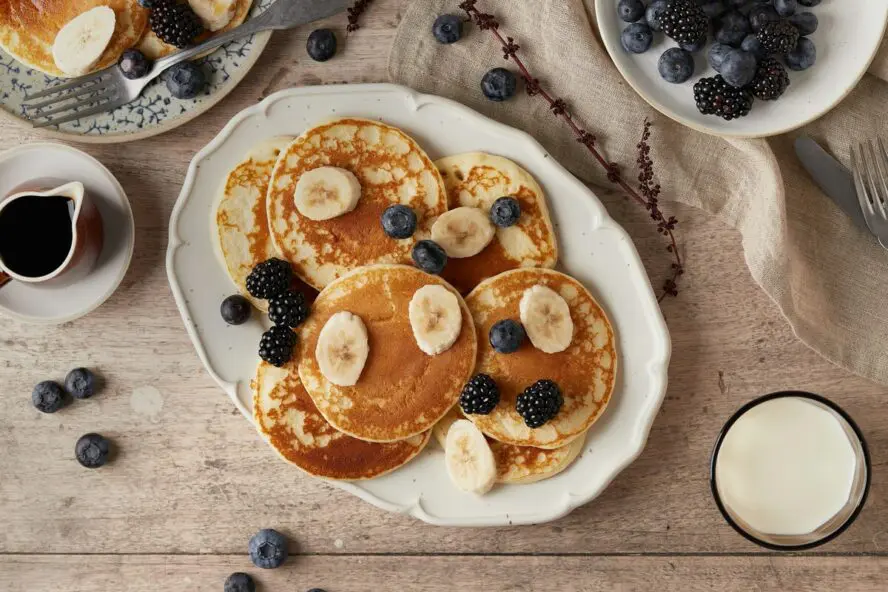
Bananas are a nutrient-dense, portable fruit that can absolutely enhance your diet. From heart health to gut health, bananas provide antioxidants that offer meaningful benefits. Plus, they’re a versatile snack that’s easily incorporated into a wide range of meals, whether simply used as a topping for oatmeal or yogurt, blended into smoothies, or baked into sweet treats. Although the flesh of conventionally grown bananas is low in pesticides due to its thick peel, you can still choose organic or Fairtrade bananas to support improvements in banana farm conditions.
For an affordable way to improve your health, move over apples — a banana a day is a great place to start.
Sources:
- https://pmc.ncbi.nlm.nih.gov/articles/PMC7175549/
- https://fdc.nal.usda.gov/food-details/1105314/nutrients
- https://pmc.ncbi.nlm.nih.gov/articles/PMC13079193/#s6
- https://pmc.ncbi.nlm.nih.gov/articles/PMC10995410/
- https://pmc.ncbi.nlm.nih.gov/articles/PMC10465879/
- https://my.clevelandclinic.org/health/diseases/17740-low-potassium-levels-in-your-blood-hypokalemia
- https://pmc.ncbi.nlm.nih.gov/articles/PMC12041667/
- https://www.hopkinsmedicine.org/health/wellness-and-prevention/foods-for-constipation
- https://pmc.ncbi.nlm.nih.gov/articles/PMC12041667/
- https://pmc.ncbi.nlm.nih.gov/articles/PMC12882071/
- https://pmc.ncbi.nlm.nih.gov/articles/PMC11389809/
- https://ods.od.nih.gov/factsheets/VitaminB6-HealthProfessional/the
- https://pmc.ncbi.nlm.nih.gov/articles/PMC8467949/
- https://pmc.ncbi.nlm.nih.gov/articles/PMC10824364/
- https://pmc.ncbi.nlm.nih.gov/articles/PMC11167165/
- https://pmc.ncbi.nlm.nih.gov/articles/PMC8266066/
- https://www.ncbi.nlm.nih.gov/sites/books/NBK534810/table/article-23774.table0/
- https://pmc.ncbi.nlm.nih.gov/articles/PMC12990222/
- https://pmc.ncbi.nlm.nih.gov/articles/PMC9122687/
- https://www.eurekaselect.com/article/147596
- https://www.sciencedirect.com/science/article/pii/S2772502225007267
- https://pmc.ncbi.nlm.nih.gov/articles/PMC10492217/
- https://pmc.ncbi.nlm.nih.gov/articles/PMC9793233/
- https://pmc.ncbi.nlm.nih.gov/articles/PMC11415925/
- https://pmc.ncbi.nlm.nih.gov/articles/PMC6535666/
- https://pmc.ncbi.nlm.nih.gov/articles/PMC7908553/
- https://pubmed.ncbi.nlm.nih.gov/32720583/
- https://www.fairtrade.net/en/why-fairtrade/what-we-do/what-is-fairtrade.html
- https://diabetes.org/food-nutrition/reading-food-labels/fruit
- https://lpi.oregonstate.edu/mic/food-beverages/glycemic-index-glycemic-load
- https://www.sciencedirect.com/science/article/pii/S0021755717306381
- https://www.epa.gov/radtown/natural-radioactivity-food