


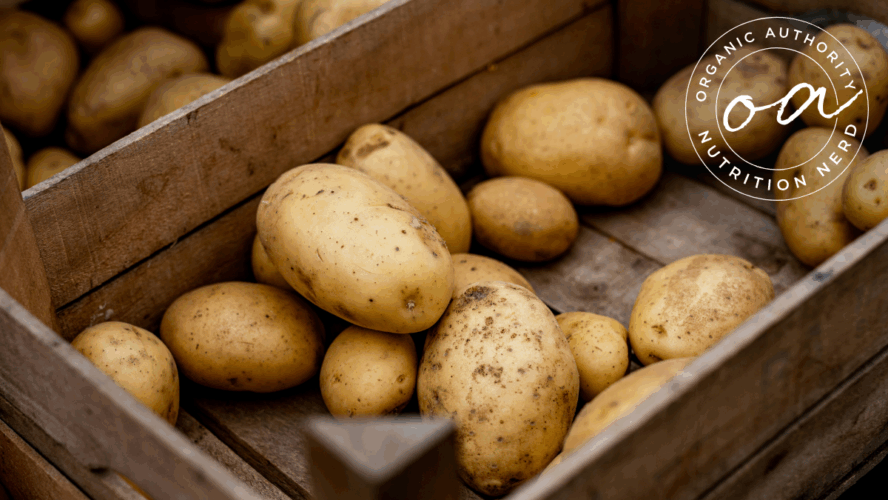
Foods with carbohydrates tend to get a bad reputation as being unhealthy. And it’s true that if you’re trying to stick to healthy foods, items like french fries, potato chips, and mashed potatoes are usually close to the top of the list of things you’re told to avoid. So it’s fair to wonder, “Are potatoes healthy?”
Well, while there are carbs in potatoes, we’re here to clear the rumors once and for all: this alone doesn’t make them unhealthy. Research shows that when consumed in certain ways, the nutrients in potatoes such as fiber and antioxidants can actually enhance diet quality1.
Potato nutrition facts depend on what kind of potato you consume, how you prepare them, and what you eat them with. In other words, context matters!
Let’s explore the potential nutrient value of potatoes, from sweet to white potatoes, by looking at the evidence-backed science on this delicious vegetable. We’ll cover potato nutrition and the health benefits of eating potatoes, as well as the best way to prepare potatoes to get the most nutritional value from each bite. And remember whenever you’re making any changes to your diet or lifestyle, consult your primary care physician to get personalized advice.
The Truth Behind Potato Nutrition Facts
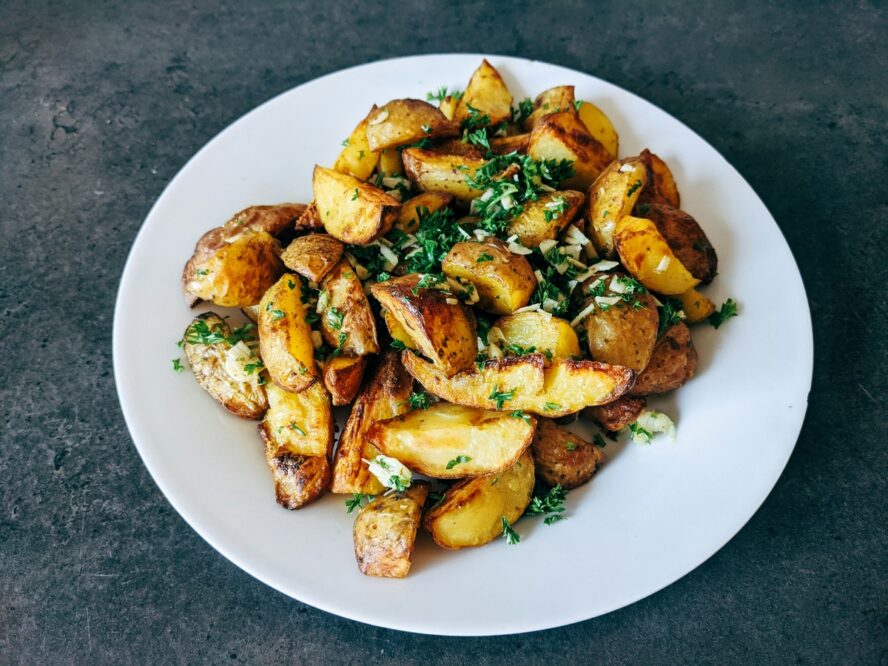
Potatoes are a naturally gluten-free and inexpensive vegetable that can enhance your diet quality. Before we start digging into the research on potato nutrition, let’s take a look at some basic potato nutrition facts.
What’s Actually in a Potato?
The nutrition facts for a potato depend on the type of potato it is, the cooking method, and of course, the size of the potato. For the purposes of this exercise, let’s look at the nutrition facts for the most common types of potatoes in 100 grams of their raw form2,3,4,5,6:
| Potato Type | White (Russet) | Yukon Gold | Red | Sweet | Purple |
| Calories | 79 | 74 | 70 | 86 | 78 |
| Fat (g) | .08 | 0 | .14 | 0.05 | 0 |
| Carbohydrates (g) | 18.1 | 17.6 | 15.9 | 20.1 | 17.4 |
| Fiber (g) | 1.3 | 1.4 | 1.7 | 3 | 1.7 |
| Protein (g) | 2.14 | 2.03 | 1.89 | 1.57 | 1.74 |
| Sugar (g) | .62 | .68 | 1.29 | 4.18 | .87 |
| Potassium (mg) | 417 | 419 | 455 | 337 | 419 |
| Magnesium (mg) | 23 | — | 22 | 25 | — |
| Folate (mcg) | 14 | — | 18 | 11 | — |
| Sodium (mg) | 5 | 0 | 18 | 55 | 0 |
| Vitamin A (mcg) | 0 | — | 0 | 709 | — |
| Vitamin B6 (mg) | .345 | .135 | .17 | .209 | — |
| Vitamin C (mg) | 5.7 | 18.2 | 8.6 | 2.4 | — |
| Iron (mg) | .86 | .73 | .73 | .61 | .7 |
DID YOU KNOW? Bananas usually get all the recognition for their high potassium content, but potatoes actually have MORE of this critical nutrient. One medium banana contains 422 mg of potassium, while one medium baked potato with the skin contains a whopping 926 mg7. Even with the skin off, you’ll still get 610 mg of potassium, which covers up to 15-20% of your daily potassium needs. Sweet potatoes are also an excellent source of potassium, with 572 mg in a single cup of cooked sweet potato8.
The Power of Resistant Starch
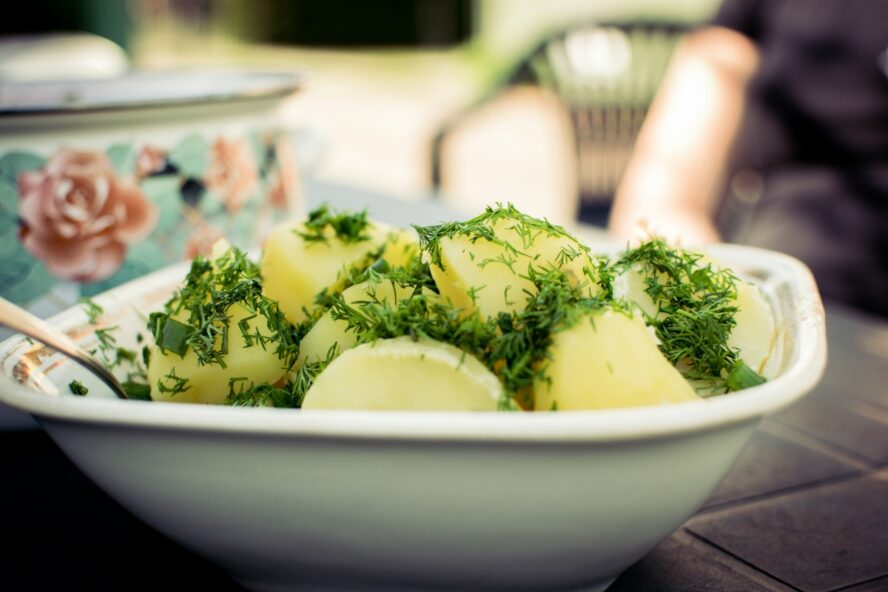
Resistant starch is a type of starch found in potatoes that offers quite a few health benefits. This type of starch does exactly what it claims to do: it resists digestion. In doing so, it tends to act like fiber, feeding beneficial gut bacteria like prebiotics. Not to mention that the resistant quality of this starch can also increase your satiety and fullness after eating.
It’s worth noting that potatoes’ resistant starch content can increase up to three times when you cool the potatoes, so the way you eat this vegetable makes a big difference. Research shows that insulin sensitivity and blood sugar regulation can improve when a person replaces cooked potatoes with chilled potatoes. In fact, a 2025 study shows that simply substituting a proportion of starch with resistant starch lowers blood glucose9. In other words, you can support glycemic control and digestion in your body with one simple change to how you eat your potatoes10.
PRACTICAL TIP: To enjoy resistant starch in your next potato dish, first cook the potatoes, then refrigerate overnight before reheating in the morning. And no need to worry, reheating cooled potatoes will not impact the resistant starch levels11!
Debunking 7 Common Potato Myths
If you’ve spent years listening to people position potatoes as the enemy, we can understand that the nutritional facts alone might not be enough to convince you. To better address your concerns, let’s debunk some of the most common myths about potatoes.
Myth #1: “Potatoes Are Fattening”

- The truth: A small, plain baked potato (100g) contains just about 0.1 grams of fat and only 93 calories — that’s fewer than white rice (130 cal)12 and pasta (158 cal)13.
- The real story: A potato itself contains trace amounts of natural fat. However, it’s the way that you prepare the potato (baked or boiled versus fried) and the toppings you put on the potato like butter, cheese, or sour cream that will add the calories from fat.
- Research findings: Potatoes rank as one of the most satiating foods. Research shows that participants felt fuller longer after eating potatoes versus rice, so they ate less at their next meal14.
Myth #2: “All the Nutrients Are in the Skin”
- The truth: More than 50% of a potato’s nutrients are in the flesh of the vegetable.
- What’s where:
- Flesh: Contains most of the protein, potassium, fiber, and vitamin C
- Skin: Contains less than half of the total fiber of a medium potato, but there is around 2.5 times more iron in the skin than the flesh of the potato15
- Best practice: Keep the skin on whenever possible for maximum benefits, but don’t stress if you prefer peeled potatoes — you’ll still get a majority of the potato’s nutrients.
Myth #3: “White Foods Like Potatoes Are Unhealthy”
- The truth: This “rule” about white foods came about from people wanting to avoid refined carbohydrates like white flour and sugar, which provide little satiating properties or nutritional value. In contrast, white potatoes are whole, unprocessed vegetables that contain complex carbohydrates like fiber, which are completely different.
Reality check: The color of a food doesn’t determine its nutritional value. For example, cauliflower is another white food — but like potatoes, they provide a good source of fiber and nutrients.
Myth #4: “Sweet Potatoes Are Always Healthier”
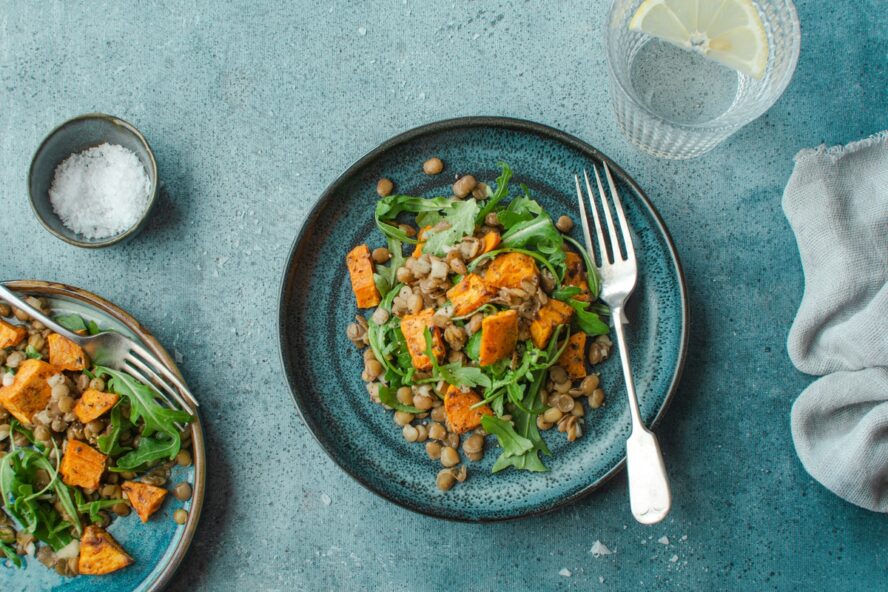
- Truth: Both white potatoes and sweet potatoes are nutrient-dense, complex carbohydrates with different nutritional strengths.
- White potatoes contain more potassium and protein, less sugar, and are sold at a more affordable cost.
- Sweet potatoes contain a rich source of vitamin A which is important for eye health and immune function, as well as slightly more fiber and lower glycemic index (GI) than white potatoes16.
- The verdict: It’s worth including both white potatoes and sweet potatoes in your diet, since they both provide their own unique flavor and nutritional properties.
Myth #5: “Potatoes Cause Inflammation”
- Truth: No scientific evidence supports that raw or baked potatoes cause inflammation for most people. There was, however, a slight increase in inflammation in those that regularly consumed fried potatoes17.
- Nightshade concern: Potatoes belong to a group of vegetables known as the nightshade family, or the Solanaceae family of plants, which include certain fruits and vegetables like tomatoes, peppers, eggplants, and white potatoes18. While there are some studies that show the potential of nightshade vegetables to increase inflammation in those with certain conditions like irritable bowel syndrome or inflammatory bowel disease, there is limited evidence to confirm any universal inflammatory effect on gut health.
- The reality: Potatoes have anti-inflammatory properties from antioxidants like vitamin C, potassium, as well as flavonoids found in various potato types19. Not only does current research not show an increase in inflammatory markers from potato consumption, but it actually highlights an increase in anti-inflammatory markers, especially from pigmented potatoes like purple and sweet potatoes20,21.
Myth #6: “People with Diabetes Should Avoid Potatoes”
- Truth: Potatoes can be part of a diabetes-friendly diet as long as they are prepared in a healthy way, consumed in appropriate portion sizes, and balanced out with lean proteins, healthy fats, and other antioxidant-rich foods. In fact, the American Diabetes Association doesn’t prohibit potatoes in a carbohydrate-controlled diet. Instead, they simply encourage pairing potatoes with non-starchy vegetables like spinach, broccoli, and salad greens, along with lean protein foods22.
- Individual approach: Monitor your blood sugar response to potatoes and work with your personal physician and healthcare team to see how you can fit potatoes into your daily diet while managing your diabetes.
Myth #7: “Potatoes Are Just Empty Carbs”
- Truth: Potatoes are complex carbohydrates packed with nutrition. Empty calories would not provide the rich source of nutrients that potatoes do.
- Reality check: Your brain requires carbohydrates to function! The type of carbohydrate matters far more than eliminating carbs altogether.
Potatoes Aren’t the Enemy
Generally, it’s best to approach blanket statements like these seven myths with a healthy amount of skepticism. There are a lot of nuances to nutrition, so there’s no need to villainize a specific food — just do your best to be mindful about preparation, portion sizes, and balance!
The Potential Drawbacks (And How to Minimize Them)
The Glycemic Index Concern
The honest truth is that potatoes can raise blood sugar in some people, but that’s heavily dependent on context: the portion size, the preparation method, and what you eat with the potato. Glycemic response also varies widely based on the variety of potato you eat, since purple, red, and sweet potatoes have a lower GI than white potatoes. Preparation matters, too — boiling potatoes will have the lowest GI, while fried potatoes will have the highest23.
Follow these simple tips to lower the glycemic response in your daily diet:
- Cool potatoes after cooking. Cooling potatoes can increase resistant starch levels dramatically, which can support metabolic health.
- Add a form of acid to your potatoes. Consuming potatoes with vinegar, pomegranate, or lemon juice can lower the glycemic response by around 20%24.
- Pair with protein and fat. Consuming potatoes with lean proteins and healthy fats helps to slow digestion and glucose absorption.
- Don’t mash them. While a mashed potato is nice every now and then, keeping the cell structure of potatoes intact slows their digestion, thus reducing their glycemic impact.
- Choose boiling or steaming when possible. Potatoes that have been boiled or steamed have a lower GI than baked or roasted potatoes.
Acrylamide Formation in High-Heat Cooking
- What it is: Acrylamide is a chemical compound that forms when starchy foods like potatoes are fried or roasted at very high temperatures (above 250°F/120°C)25.
- Why it matters: Animal studies show that there is a potential cancer risk with exposure to acrylamide26.
- How to minimize acrylamide in potatoes:
- Acrylamide levels are highest in potatoes cooked as French fries, potato chips, and very dark roasted potatoes. Choose baking, boiling, or steaming over deep frying.
- If you roast potatoes, don’t cook them until dark brown or crispy.
- Help reduce acrylamide levels by soaking diced or cut potatoes in water 15 to 30 minutes before cooking.
- Storing potatoes in the refrigerator may increase the levels of sugars that form acrylamide, so store them properly in a dry environment.
- Perspective: The risk of acrylamide on health is primarily linked with very frequent consumption of fried products.
Green Potatoes and Solanine
- What causes green potatoes? Exposure of tubers to light produces chlorophyll, which may give your potato a greenish tinge.
- The concern: When your potatoes become green, there’s an increase in a compound called solanine. Solanine is beneficial in fighting bacteria that may encounter the plant, but it’s toxic in humans27.
- Potential effects: If consumed in large amounts, solanine from green or sprouted potatoes can cause digestive upset. But if you only consume a little bit of green potato, you should be ok28.
- Prevention tips:
- Store potatoes in cool, dry, and dark places like a bread box, closed pantry, paper bag, or cabinet, for example. Do not store potatoes in the refrigerator or in well-lit areas.
- Check your stored potatoes regularly for greening or sprouting, and eat as soon as possible after purchase.
- If you find sprouted or green parts on your potatoes, but most of the potato is firm and looks okay, simply cut away the affected parts. If the potato is extensively green or sprouted, discard it to be safe.
Smart Ways to Enjoy Potatoes in a Healthy Diet
Blood Sugar-Balancing Pairing Strategies
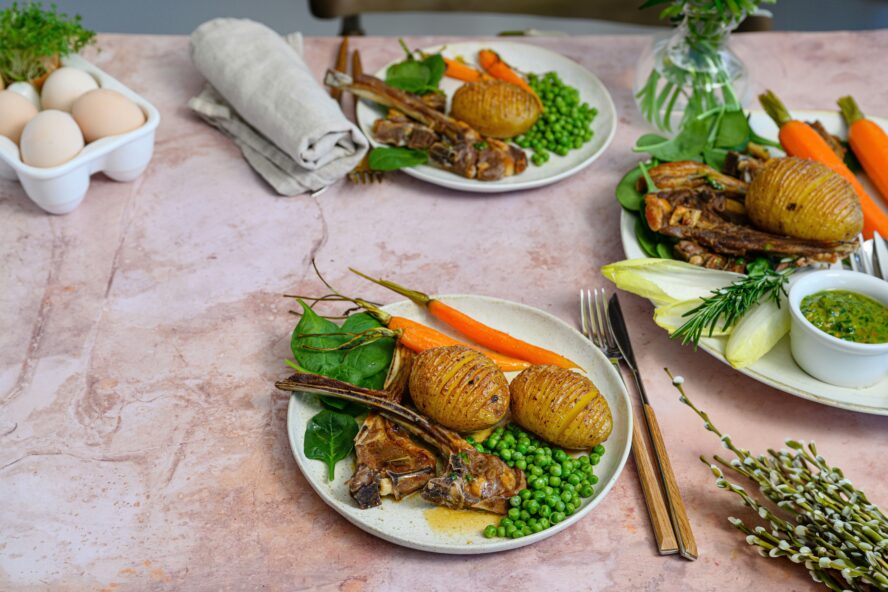
To keep your diet balanced and unlock maximum nutrition benefits, it’s best to avoid eating potatoes alone. Always pair potatoes with protein, fat, and fiber.
- The perfect protein partners for potatoes:
- Grilled chicken, salmon, or other fish
- Eggs
- Legumes like beans, lentils, or peas
- Healthy fat additions:
- Extra virgin olive oil
- Nuts or seeds
- Tahini or hummus
- Avocado (as a topping)
- Fiber-rich vegetable pairings:
- Steamed or roasted broccoli or green beans
- Sautéed spinach or kale
- Roasted Brussels sprouts
- Mixed green salad
Smart Topping Swaps
- Instead of sour cream, use plain Greek yogurt or low-fat cottage cheese for extra protein.
- Instead of butter, use extra virgin olive oil or mashed avocado for a healthier fat source.
- Add flavor without fat by adding fresh herbs like chives, cilantro, and parsley as well as garlic, lemon zest, and spices.
Portion Guidelines and Frequency
- One serving of a medium potato is about the size of your fist.
- How to think about portions: Treat potatoes as your starchy vegetable portion, not an unlimited vegetable. So for example, if you use the MyPlate method, one-fourth of your plate would be a starch or starchy vegetable like a potato, while half of your plate would be non-starchy vegetables like greens, and the last one-fourth of your plate being a lean protein source.
The Bottom Line: Potatoes Are Healthy
Potatoes are nutrient-dense vegetables that absolutely deserve a place in a healthy diet. They provide essential nutrients that many Americans lack, like fiber. Just be sure to prepare and flavor your potato in a healthy way to make the most of this delicious and nutritious tuber.
Frequently Asked Questions
Yes, potatoes contain more nutrients per calorie than white rice, including significantly more vitamin C, potassium, and fiber.
Potatoes can raise blood sugar, but you can dramatically minimize this by being intentional with the way you eat them. Cool cooked potatoes before eating to increase resistant starch content, pair with protein and healthy fats, and incorporate antioxidant-rich purple, red, and sweet varieties.
Boiling, steaming, and baking preserve most of a potato’s nutrients without adding any inflammatory properties like deep frying does.
The healthiest potato depends on what type of nutrients you’re prioritizing. Certain potatoes have more fiber or iron, while others have a lower glycemic impact.
Yes, potatoes can fit into a heart healthy diet as long as you limit high-fat toppings and favor healthy preparation methods.
Sources:
- https://pmc.ncbi.nlm.nih.gov/articles/PMC8400280/
- https://fdc.nal.usda.gov/food-details/170027/nutrients
- https://fdc.nal.usda.gov/food-details/2251779/nutrients
- https://fdc.nal.usda.gov/food-details/170029/nutrients
- https://fdc.nal.usda.gov/food-details/168482/nutrients
- https://fdc.nal.usda.gov/food-details/2388475/nutrients
- https://ods.od.nih.gov/factsheets/Potassium-HealthProfessional/
- https://www.dietaryguidelines.gov/food-sources-potassium
- https://pmc.ncbi.nlm.nih.gov/articles/PMC12352712/
- https://pmc.ncbi.nlm.nih.gov/articles/PMC12507596/
- https://pmc.ncbi.nlm.nih.gov/articles/PMC9526131/
- https://fdc.nal.usda.gov/food-details/168880/nutrients
- https://fdc.nal.usda.gov/food-details/169737/nutrients
- https://www.sciencedirect.com/science/article/pii/S0022316624004681
- https://fdc.nal.usda.gov/food-details/170113/nutrients
- https://pmc.ncbi.nlm.nih.gov/articles/PMC6796455/
- https://pubmed.ncbi.nlm.nih.gov/39940309/
- https://pubmed.ncbi.nlm.nih.gov/37202602/
- https://www.researchgate.net/publication/322191571_A_therapeutic_role_for_potassium_K_to_reduce_pain_and_complications_related_to_the_cardiovascular_system_and_bone_in_rheumatoid_arthritis_RA_A_clinical_research_perspective
- https://pubmed.ncbi.nlm.nih.gov/40927748/
- https://pmc.ncbi.nlm.nih.gov/articles/PMC12319466/
- https://diabetes.org/food-nutrition/understanding-carbs
- https://pmc.ncbi.nlm.nih.gov/articles/PMC9368276/
- https://pmc.ncbi.nlm.nih.gov/articles/PMC9684673/
- https://pubmed.ncbi.nlm.nih.gov/40737923/
- https://pmc.ncbi.nlm.nih.gov/articles/PMC10808661/
- https://pmc.ncbi.nlm.nih.gov/articles/PMC10054411/
- https://www.canr.msu.edu/news/solanine_poisoning_how_does_it_happen


