


The Trump administration has, at long last, unveiled its new dietary guidelines for Americans1. Health and Human Services Secretary Robert F. Kennedy Jr. calls this “the most significant reset of federal nutrition policy in history.”
The guidelines are meant to be renewed every five years to reflect the most recent scientific health data — and this matters because they’re used to establish federal food programs including SNAP and school meal programs. The current administration had already breezed past several self-imposed deadlines before the release of the highly-anticipated document on January 7.
The ten-page document simplifies previous iterations of the guidelines, with several bold headings providing users with simple, easy-to-read eating goals. Examples include “Eat the Right Amount for You” and “Prioritize Protein Foods at Every Meal.” But what do these mean, exactly?
What Is the Purpose of The New Guidelines?
For members of the administration, the goal of these new guidelines is above all to “dramatically lower chronic disease — and healthcare costs — for Americans.”
To emphasize this, an accompanying fact sheet released with the guidelines highlighted the average life expectancy in the U.S. (five years less than in other developed countries), as well as the high health-related spending nationwide. Both of these, the administration says, are linked to “chronic conditions tied to food.” According to the fact sheet, lowering rates of obesity, Type 2 diabetes, heart disease, and Alzheimer’s disease could cut about $600 billion in annual healthcare costs.
Public Response to the New Guidelines
The American Medical Association said in a statement that it “applauds” the new guidelines, which “affirm that food is medicine and offer clear direction patients and physicians can use to improve health2.” The AMA pledged to work with Congress to incentivize the consumption of nutrient-dense foods and to define ultra-processed foods.
But not everyone is as enthusiastic. The American Society for Nutrition is the preeminent professional organization for nearly 8,000 nutrition research scientists and clinicians around the world, and they’re far from confident about the new guidelines. The organization notes that while it supports the focus on minimally processed, nutrient-dense whole foods, the departure from historic precedent — namely, relying on reports from the Dietary Guidelines Advisory Committee — in favor of a separate Scientific Foundation for the Dietary Guidelines for Americans is concerning.
“There is a lack of transparency regarding the methods, approaches, and objectives of the newly introduced scientific reviews and the timeframe in which they were completed,” reads a press release from the ASN2.
A New Food Pyramid
Most Americans become familiar with federal health guidelines by way of easy-to-read diagrams, like the food pyramid first adopted in 1992. But in 2011, the federal government shifted away from the pyramid and transitioned to the MyPlate format. Kennedy’s new guidelines feature a return to the pyramid — albeit an upside-down one.
In the new diagram, foods Americans should prioritize are at the top, which is also the widest section of the pyramid. This top layer includes protein, dairy, and healthy fats to eat in one corner, and fruits and vegetables in the other. Contrary to the 1992 guidelines, whole grains now feature at the narrower bottom of the inverted pyramid, and there are no clear recommendations with regards to servings or portions of any particular food group.
For Destini Moody, RD, CSSD, LD at Live it Up, this new format does a disservice to Americans trying to make sense of federal health guidelines. “Though the new pyramid is certainly less confusing than the old one, it is still not entirely clear in a way that can be immediately applicable to the diet,” she says. “There are no quantitative measurements and no clear guidelines for how to consume these foods during meals proportion-wise.”
Major Changes to Our Food Recommendations
To give us a better sense of what these guidelines entail, let’s get into the changes that RFK Jr. and his team believe will “make America healthy again.”
Highly-Processed Foods Are on the Chopping Block

Perhaps the most newsworthy change to the new guidelines is, for the first time ever, a focus on eradicating highly-processed foods. “My message is clear,” Kennedy said in a press briefing on January 7th, “Eat real food.”
The new guidelines call for avoiding “highly processed packaged, prepared, ready-to-eat, or other foods that are salty or sweet,” as well as sweetened beverages like soda, fruit drinks, and energy drinks. Today, 55% of the American population receives more than half of their daily calories from ultra-processed foods3. These have been shown to increase the risk of metabolic disease, cardiovascular disease, and stroke4 — so the recommendation couldn’t come at a better time.
“For the first time in my medical lifetime, the U.S. government has told the truth about highly processed food,” writes Dr. Mark Hyman for The Free Press5, echoing Kennedy’s assertion in deeming the new guidelines “the most consequential shift in federal nutrition policy in decades.”
New Guidelines Around Sweet Treats
The guidelines take a particularly strong stance on added sugars, stating that “no amount of added sugars” are recommended for Americans, especially children. Instead, the guidance counsels Americans to limit added sugars to no more than 10 grams per meal. This is a clear departure from previous versions, which warned only children under 2 away from added sugars and recommended that anyone older limit their intake to less than 10% of their daily calories.
While this may seem like a step in the right direction, it’s not all positive. Moody is concerned that this recommendation risks demonizing certain processed foods that parents rely on to ensure picky children are getting essential nutrients, such as fortified breakfast cereal. She says public health professionals decided long ago that the health benefits of these foods were worth the “minor health risk of consuming sugar,” as children were experiencing “significant deficiencies” at the time.
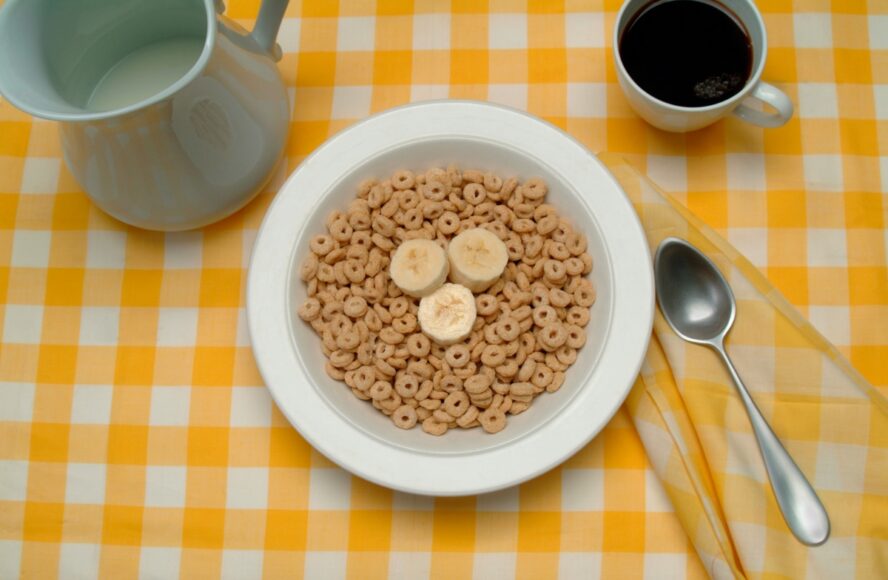
“These new guidelines explicitly discourage parents from buying their children breakfast cereal,” she says, “which could result in health outcomes that are negative in the long run.”
Pared Back Guidance Around Alcohol
These guidelines also modify the guidance on alcohol, replacing previous specific limits with a simple recommendation that Americans decrease their consumption. While this may be sound advice, Moody believes this is a risky oversimplification.
“Previous guidelines advised 1-2 alcoholic drinks per day as a limit, whereas these guidelines simply advise to ‘limit alcohol,’” she says. “With no quantification whatsoever, it could result in very unhealthy daily drinking habits.”
Dairy and Fats Get the Spotlight
After years of demonizing dietary fat, contemporary nutrition science has changed its course — something the new guidelines reflect. The new guidance seeks to end “the war on healthy fats,” encouraging Americans to get the bulk of their dietary fat intake from whole food sources like meat, poultry, eggs, seafood, nuts, avocados, and full-fat dairy.
Dairy in particular features prominently in the third heading of the new guidelines, which simply reads, “Consume Dairy.” Beneath the heading, the new guidelines notably encourage Americans to eat three servings of dairy a day, encouraging full-fat over fat-free or low-fat choices. It’s a notable shift away from trendy plant-based “dairy” options like oat and almond milk.

Kennedy’s personal vendetta against seed oils is also reflected in the new guidelines, which recommend olive oil, butter, and beef tallow as cooking fats. They also explicitly retract previous guidelines’ recommendations that vegetable oils could be a healthy part of a person’s diet.
But despite the guidelines seeming to “encourage greater consumption of certain foods high in saturated fats such as butter and beef tallow, among others,” they also still maintain a long-time recommendation that saturated fats should be capped at 10% of calories. For the ASN, these two bits of guidance are contradictory. “This mixed messaging may be difficult for consumers to interpret,” says the organization, “and [it] could inadvertently make it harder for Americans to maintain long-term health.”
Finally, while contemporary nutrition science cited by the Mayo Clinic notes that saturated fat like beef tallow “might not be as harmful as previously thought6,” especially when consumed in small doses, Moody says this blanket recommendation to consume unlimited amounts of it is “most concerning.”
“I think this is the single most infuriating and dangerous piece of advice added to the guidelines,” she says. “There is a mindbreakingly enormous amount of science established for decades that shows that saturated fat directly results in an increased risk of heart disease, and heart disease is the number one killer of Americans. In fact, it has been the number one killer of Americans for many years.”
Protein Maintains Its Star Power
Protein is the macronutrient darling of the moment. And with Kennedy’s personal allegiance to a carnivore diet7, it’s no surprise that this is reflected in the new federal health guidelines, with the second bold heading calling for Americans to “Prioritize Protein Foods at Every Meal.” The new recommended intake is 1.2 to 1.6 grams of protein per kilogram of body weight daily, and experts took a particularly solid stance on ensuring children are consuming adequate protein.
“Kids need protein,” FDA Commissioner Marty Makary said at the press briefing announcing the new guidelines. “The old protein guidelines were to prevent starvation and withering away. These new protein guidelines are designed for American kids to thrive.”

Prior to the release of the new guidelines, there was some worry that sources of plant-based protein like beans and lentils would be omitted or downplayed. Thankfully, these foods are clearly indicated as a protein source in this section of the guidelines, though Moody fears “there is not nearly enough emphasis put on them.”
Given the health and environmental repercussions of a diet high in animal products, and the many personal or religious reasons Americans may choose not to consume animal products, she believes this lack of emphasis is “concerning.”
Gut Health Comes into the Mainstream
Health and wellness nerds have long been aware of the importance of feeding their gut microbiome, and this is now reflected in the federal health guidelines.
The new guidance maintains previous recommendations of at least three servings of fiber-rich vegetables and two servings of fruit per day. They also recommend two to four servings of whole grains per day, with a note to avoid the consumption of highly processed, refined carbohydrates. Finally, they place particular emphasis on high-fiber and fermented foods that help promote a healthy gut.
Maintaining good gut health isn’t just a question of healthy digestion. It has also been shown to improve mental health, thanks to the powers of the brain-gut axis. By making this link explicit, the guidelines aim to give Americans the tools to promote their own mental and physical well-being through their diets.
Sources:
- https://cdn.realfood.gov/DGA.pdf
- https://www.ama-assn.org/press-center/ama-press-releases/ama-applauds-dietary-guidelines-announces-commitments-nutrition
- https://www.ap.org/news-highlights/spotlights/2025/americans-get-more-than-half-their-calories-from-ultra-processed-foods-cdc-report-says/
- https://www.health.harvard.edu/blog/ultra-processed-foods-just-say-no-202406173051
- https://www.thefp.com/p/mark-hyman-the-us-government-tells-the-truth-about-food
- https://mcpress.mayoclinic.org/nutrition-fitness/what-is-beef-tallow-is-it-good-for-me/
- https://www.yahoo.com/lifestyle/articles/rfk-jr-reveals-stomach-churning-163336590.html


