



I’m a San Diego local, a longtime Zoo member, and I never actually think about the best time to visit San Diego Zoo. Any day is a good day to go. If you’re here and you have the time, go. Don’t overthink it.
But if you want the ideal window: A weekday morning in spring (March through May) or fall (September through November), arriving when the gates open at 9 a.m. That’s when you’ll find the lightest crowds and most active animals. If weekends are your only option, Sunday morning beats Saturday, and any season works if you plan around it.
I know a Zoo visit is an investment for a family once you factor in tickets, parking, and food, so if you have the flexibility to choose your dates, this guide breaks down every variable. And if you don’t have flexibility? You’ll still have a great time.
(Once you’ve settled on your dates, don’t pay full price. I share ways to get discount San Diego Zoo tickets in a separate guide.)
Best Months to Visit San Diego Zoo
This guide focuses specifically on the Zoo. If you’re still deciding when to visit San Diego overall, my best time to visit San Diego guide covers citywide weather, events, and crowds.
Spring (March Through May): The Sweet Spot
Spring is my top recommendation for most visitors. Temperatures are mild (mid-60s to low 70s), the Zoo’s botanical gardens are at their most vibrant, and crowds are manageable outside of spring break weeks. Animals tend to be active throughout the day rather than retreating to shade by late morning, which is a real advantage when you’re trying to see as much as possible.
The one exception is spring break, typically mid-March through mid-April, depending on school schedules. If you can avoid those weeks, you’ll have a noticeably quieter experience.
Fall (September Through November): The Local’s Pick
Fall is when I personally visit most often. September still has warm days, but the summer tourist rush has subsided.
October is a standout month thanks to Kids Free San Diego, when children ages 11 and under get free admission to the Zoo (and many other San Diego attractions). It’s a fantastic deal, though weekends in October do get busier because of it. Weekday visits in October are some of the best days of the entire year because you get pleasant weather, free kid admission, and noticeably lighter crowds all at once.
November is one of the quietest months at the Zoo, falling in that lull between Halloween and the holiday season. If you’re visiting San Diego in November, carve out a Zoo day.
Summer (June Through August): Hot and Often Crowded, but Nighttime Zoo Changes Everything
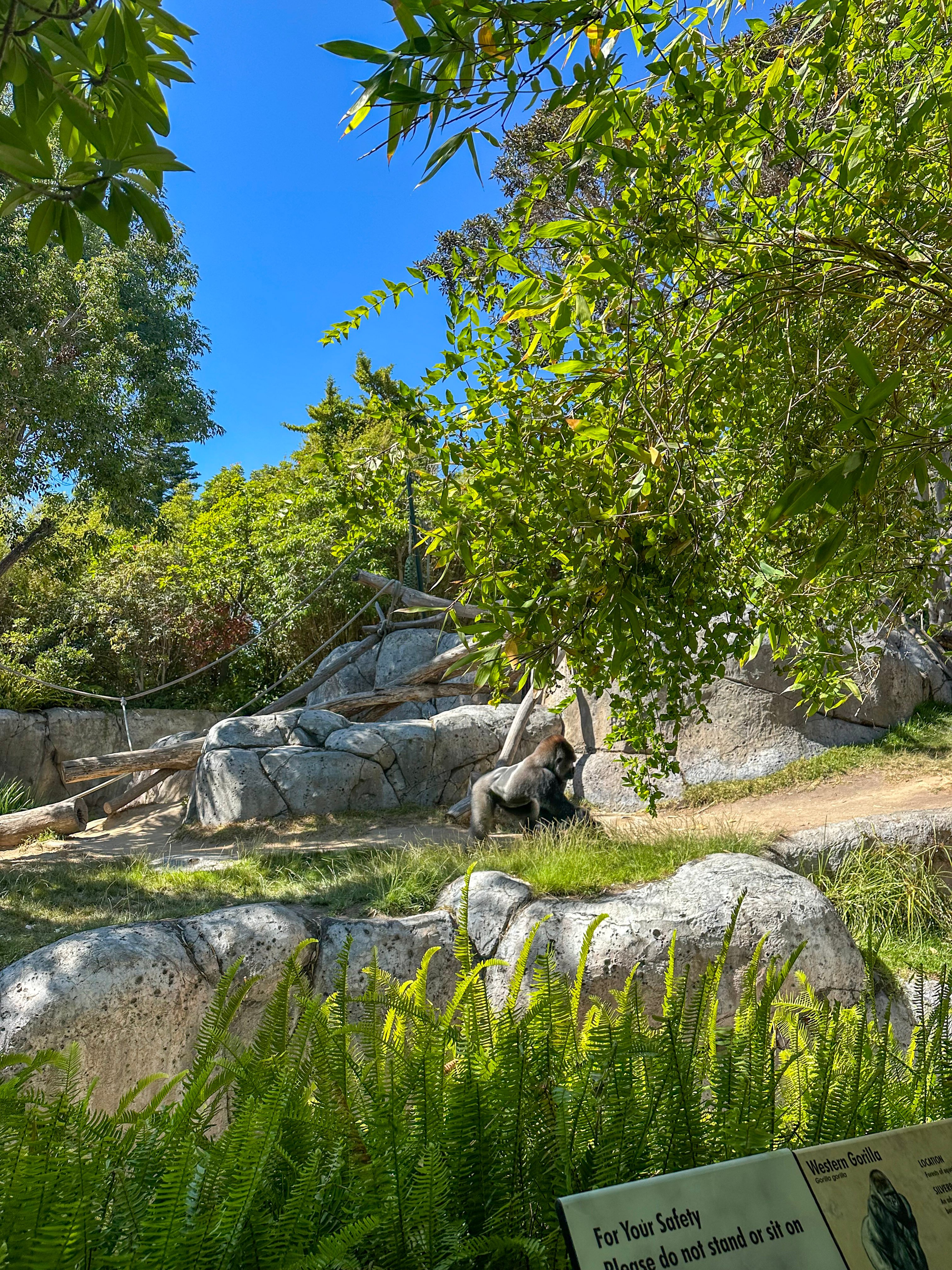
Summer is peak season. School is out, tourists are in town, and temperatures climb into the low 80s (which doesn’t sound bad until you’re walking 100 hilly acres with kids). If summer is your only option, I’d recommend an afternoon-to-evening strategy during Nighttime Zoo season, which typically runs from late May through early September.
The Zoo extends its hours, adds live entertainment, and the whole atmosphere shifts. Animals that are sluggish in the afternoon heat become active again as the evening cools down, and the crowds thin considerably after 5 p.m.
I also want to flag June specifically. San Diego locals call it “June Gloom” because mornings are often overcast and foggy along the coast. This actually works in your favor at the Zoo. The cloud cover keeps temperatures comfortable through midday, and it usually burns off by early afternoon. June weekdays are among the insider windows visitors overlook.
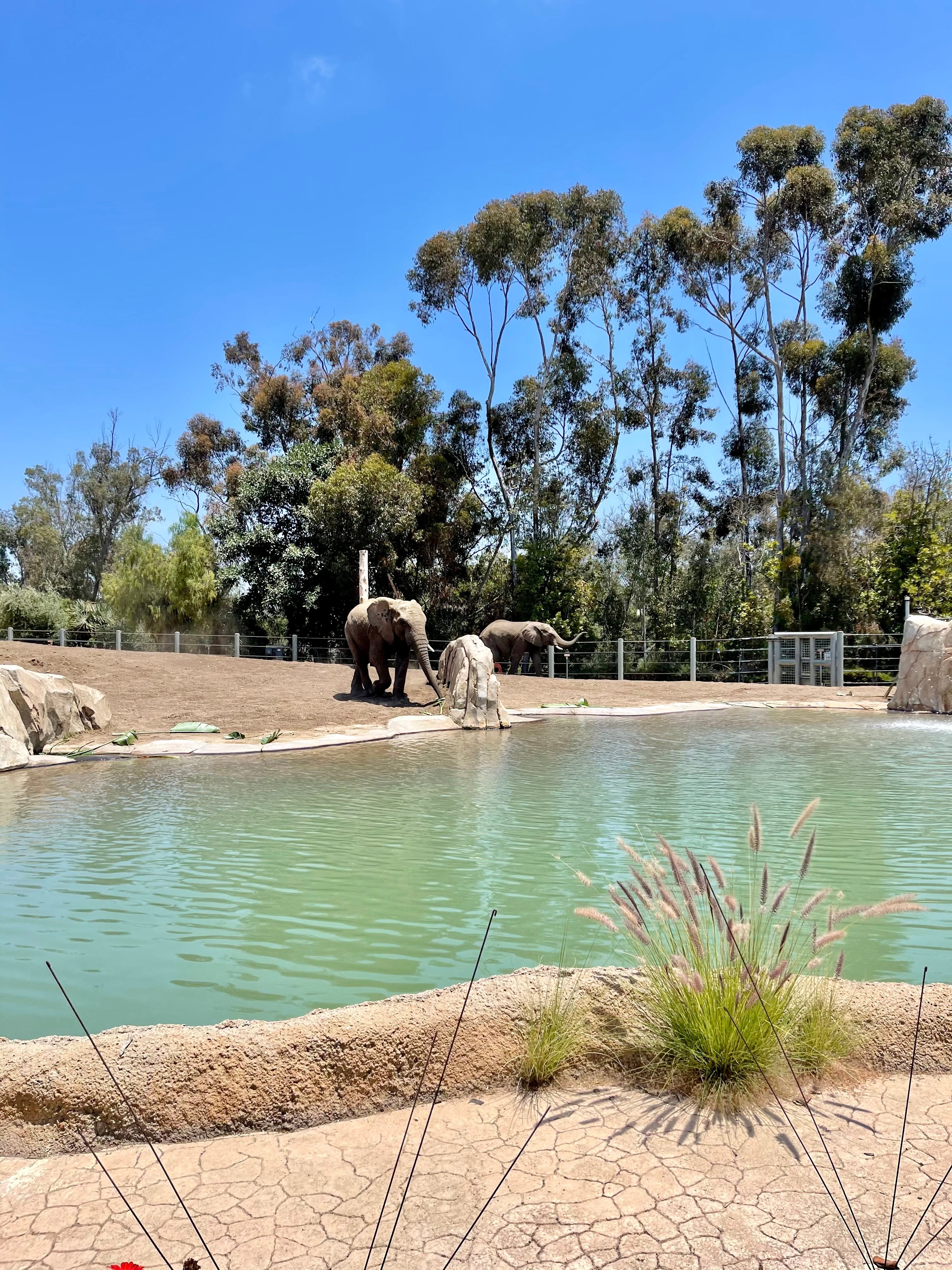
Winter (December Through February): Surprisingly Pleasant, Fewer Crowds Outside Holiday Breaks
Winter is the most underrated time to visit. San Diego’s winters are mild by any standard, with daytime highs in the 60s and plenty of sunshine. Crowds are at their lowest, particularly in January and February. You will often feel like you have entire exhibits to yourself on a winter weekday.
December brings Jungle Bells, the Zoo’s holiday celebration with festive lights and themed activities (included with admission). It’s a nice addition, though December weekends closer to Christmas do draw larger local crowds.
Rain is possible from November through March, but here’s something most guides won’t tell you: a rainy day at the Zoo is actually one of the best times to go. I’ve heard this directly from Zoo staff, and I’ve experienced it myself.
Many animals become more active and playful in the rain and mud, and the crowds all but disappear. If you’re willing to throw on a rain jacket, you’ll see animal behavior you’d never witness on a sunny Saturday. I have a full guide to visiting San Diego Zoo in the rain if you want to plan for it.
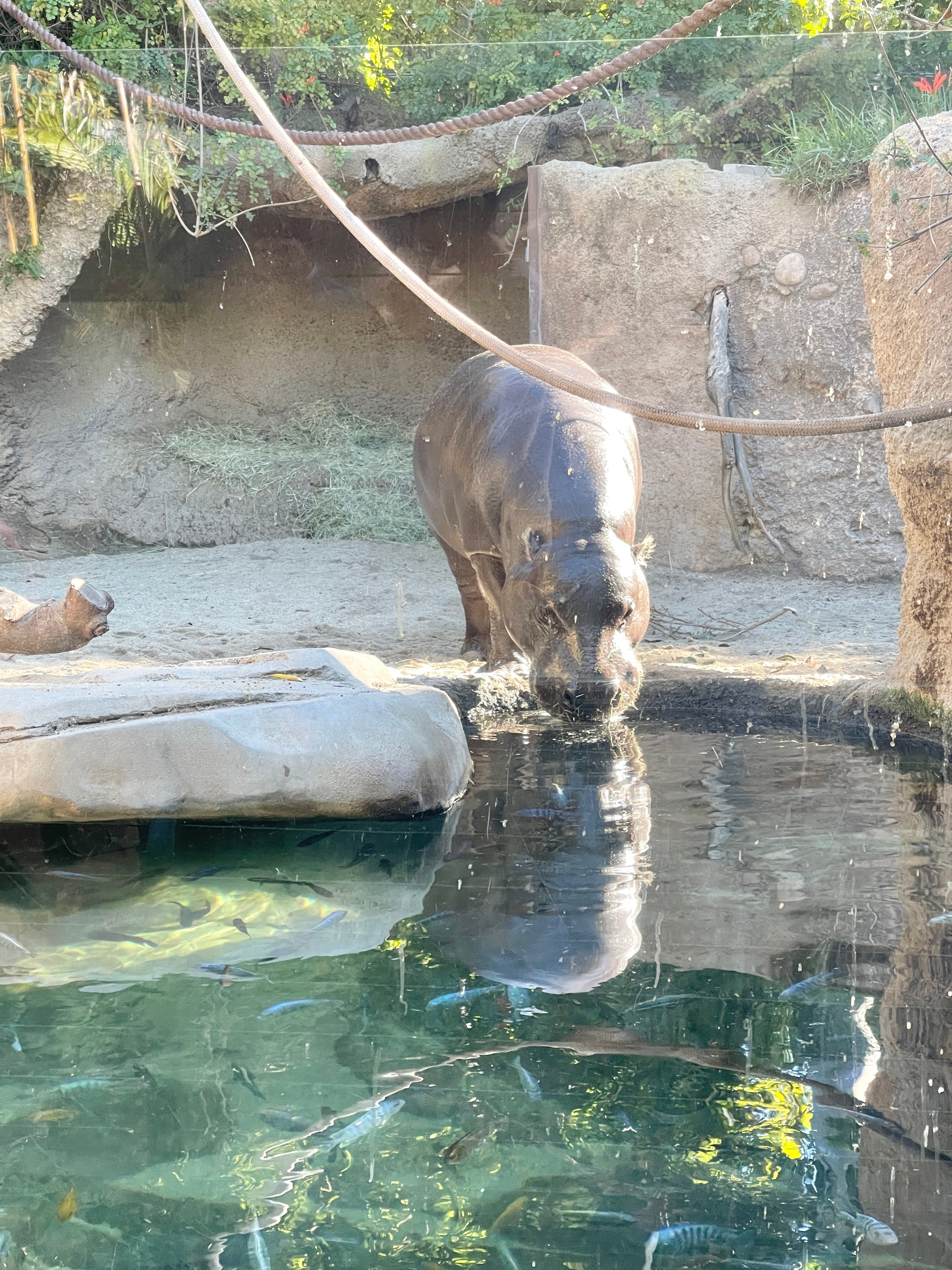
Best Days of the Week to Go
The quietest days to visit San Diego Zoo are Tuesday, Wednesday, and Thursday. Saturday is consistently the busiest day of the week. Sunday morning is a decent compromise if you arrive right at opening. The busiest periods of the year are holiday weekends and school vacation weeks.
If there’s one piece of advice in this whole guide that makes the biggest difference, it’s this: go on a weekday if you possibly can. Tuesday through Thursday are consistently the quietest days, and that holds true across every season. My best Zoo visits over the years have almost always landed on a midweek morning.
Monday can also be lighter, though some school groups schedule field trips early in the week. You’ll notice them, but they tend to cluster in specific areas and don’t significantly impact the overall experience.
Weekends are noticeably busier, with Saturday being the peak day in most weeks. Sunday mornings can be reasonable if you arrive right at opening, but by midday, the difference between a weekday and a weekend is impossible to miss.
That said, please don’t skip the Zoo because you can only go on the weekend. A busy Saturday at the San Diego Zoo is still a fantastic day. The Zoo is big enough that crowds spread out, and you’ll always find pockets that feel spacious. My family has visited on peak weekends plenty of times, and we’ve always had a great visit. The experience is better on a Tuesday, sure, but it’s good on a Saturday too.
Holiday weekends and school vacation periods are the busiest times. Presidents’ Day weekend, Memorial Day, Fourth of July week, Labor Day, Thanksgiving week, and the stretch between Christmas and New Year’s all draw heavy crowds regardless of which day you visit.
San Diego residents: Balboa Park offers Residents Free Tuesdays at its museums on a rotating basis. If your timing lines up, you can visit the Zoo and a free museum on the same trip. You’ll pay for parking either way now, so you might as well make the most of it.

Best Time of Day to Arrive at San Diego Zoo
The best time to arrive at San Diego Zoo is right when the gates open, typically at 9 a.m. Peak crowds build between 11 a.m. and 1 p.m., then thin out again after 3 p.m. During summer, arriving at 4 or 5 p.m. for Nighttime Zoo is a smart strategy.
Be at the gates when the Zoo opens. This is my single strongest piece of timing advice, and I give it to every client I work with. The Zoo typically opens at 9 a.m. (check the website or app for your specific date), and the first hour to 90 minutes is a different experience than the rest of the day. You’ll encounter fewer people, cooler temperatures, and more active animals, as many species are most energetic in the morning, particularly big cats and primates.
Peak crowds build between 11 a.m. and 1 p.m. This is when lines for the Guided Bus Tour get long, pathways feel congested, and you’ll wait longer at food stands. If you arrived early, you’ve already had two solid hours of relatively uncrowded viewing by this point.
Late afternoon, around 3 p.m. onward, things start to thin out again, especially on weekdays. During Nighttime Zoo season (summer), arriving at 4 or 5 p.m. is a legitimate strategy. You skip the hottest part of the day entirely and still get a full evening of entertainment and animal viewing.
For those who want an even earlier start, the Zoo offers paid early-morning experiences that get you into the park before general admission opens. These vary by season and availability, but they’re worth considering if seeing animals with almost no crowds is a priority for your trip and your budget allows it. I cover all of them in my guide to San Diego Zoo tours.

Seasonal Events Worth Planning Around
Several Zoo events can shape when you choose to visit. All of these are included with regular admission unless noted.
Kids Free October: Kids Free October is one of the best deals of the year for families visiting San Diego Zoo, with up to four children ages 11 and under receiving free admission (the Safari Park and other San Diego attractions participate too). Weekdays in October are ideal because you get the savings without the weekend crowds.
Nighttime Zoo (Late May Through Early September): Nighttime Zoo runs from late May through early September and transforms the park with extended evening hours, live music, special animal encounters, and a festival atmosphere. Animals that are sluggish in the afternoon heat become active again as the evening cools, and the nocturnal species are a particular highlight.
Jungle Bells (December): Jungle Bells is San Diego Zoo’s holiday celebration in December, featuring festive lights, decorations, and seasonal activities included with admission. Fair warning: Jungle Bells weekends have gotten very crowded in recent years. If you can swing a weekday evening, it will be easy to manage the light displays with a stroller.
Earth Day and Conservation Events (April): Earth Day in April brings expanded conservation programming to San Diego Zoo, with special activities and educational events tied to the Zoo’s mission as a leader in species preservation.
Early Morning Experiences (Year-Round): Early morning experiences at San Diego Zoo are paid tours and encounters that begin before the park opens to the public, available year-round, with availability changing seasonally. The popular ones sell out, so book early during peak season. I break down every option in my guide to San Diego Zoo tours.
How Weather Affects Your Visit
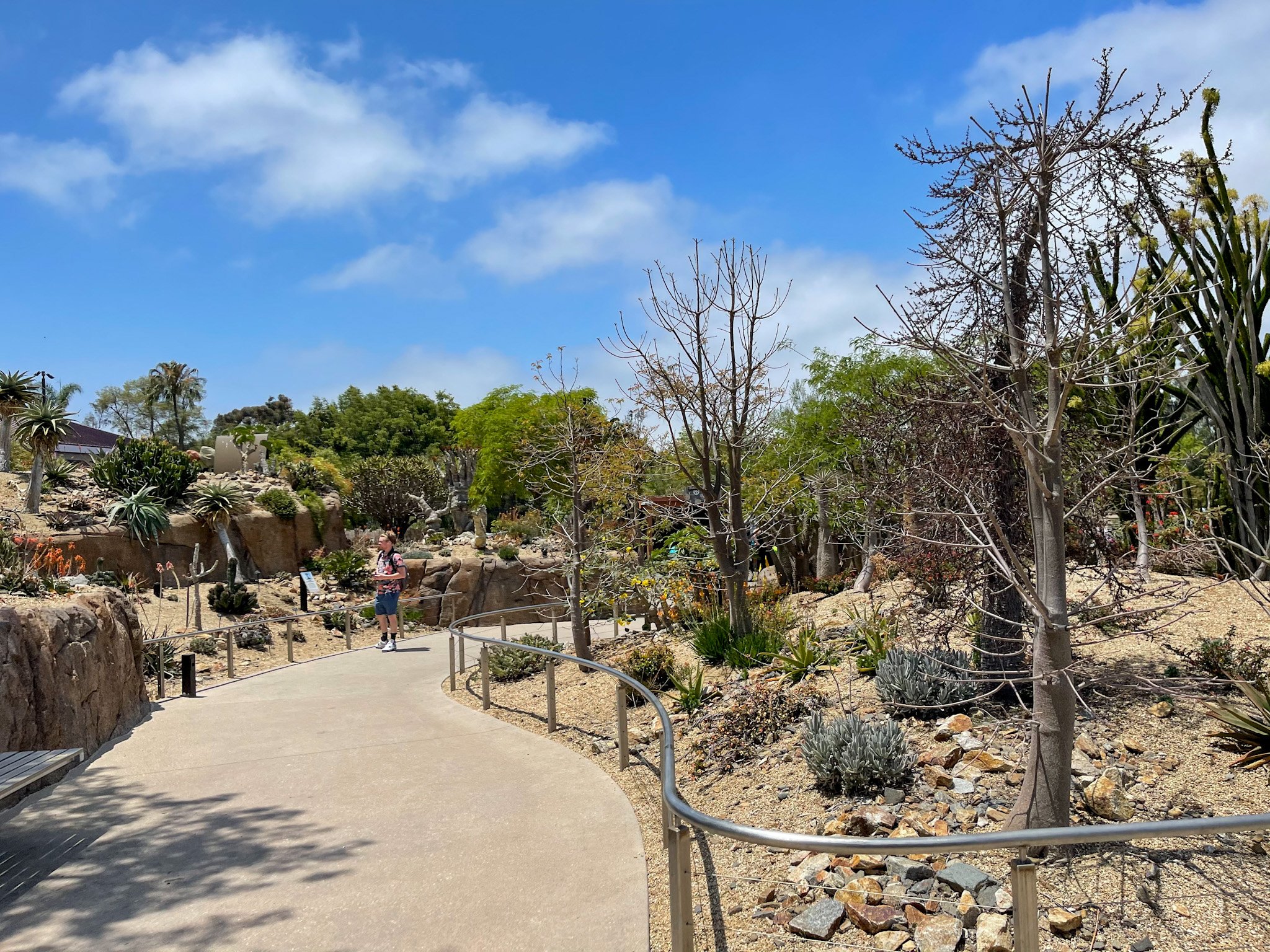
San Diego’s climate is one reason the Zoo operates year-round, and it’s also why there is no truly bad time to visit. But there are weather patterns worth understanding.
The Zoo sits in Balboa Park, which is close enough to the coast to benefit from the marine layer but far enough inland that summer afternoons get warm. Expect temperatures 3 to 5 degrees warmer than what you’d feel at the beach. On a July day when La Jolla is a comfortable 75, the Zoo can hit the low 80s. The Zoo is also built on hilly terrain, so the combination of heat and elevation changes can be tiring, especially with kids.
Spring and fall offer the most comfortable conditions: mid-60s to mid-70s, generally sunny, with mornings cool enough that a light layer is welcome.
Summer means warm afternoons and strong sun. Hydration matters. The Zoo has water refill stations throughout the park, and I always recommend sunscreen no matter what the forecast says. San Diego’s overcast mornings can trick you into skipping it, and then the clouds burn off and you’ve got a sunburn by 2 p.m.
Winter mornings can be cool, sometimes in the low 50s, but it warms up quickly once the sun is out. Layers are smart. I’ve been at the Zoo in December morning fog wearing just a T-shirt, and it wasn’t fun until about 11 a.m.
Rainy days are genuinely excellent for Zoo visits if you dress for it. Crowds drop dramatically, and many animals become more animated. Pack a rain jacket and waterproof shoes, and you’ll be rewarded with a memorable visit. I wrote a whole post on what to do at San Diego Zoo when it rains.
A Few Practical Tips for Any Visit
Parking now costs $16 per vehicle for non-members ($8 for City of San Diego residents). As of January 2026, the Zoo charges for parking in alignment with the city’s new paid parking across Balboa Park. San Diego Zoo Wildlife Alliance members still park free but must register their vehicle in advance through the Member Parking Portal. If you’d rather not pay, the Zoo runs a free shuttle on Saturdays from the Inspiration Point lot on Park Boulevard, where the first three hours of parking are free.
Buy tickets in advance. This saves money and lets you skip the ticket line entirely. I keep an updated list of every San Diego Zoo discount available. And our ticket shortcut is below.
1-Day Pass— Use My Exclusive 2026 Promo Code
Skip the ticket line and go straight to the gate with a mobile or printed ticket. Valid for one year from the purchase date.
Final price (after my discount): $70/ages 12+ and $60/ages 3–11
Use promo code lajollamom to save $8!
For everything else—what to bring, where to start, how to plan your route—check out my full San Diego Zoo tips guide.
When to Visit: The Bottom Line
The best time to visit San Diego Zoo is a weekday morning in spring or fall, arriving when the gates open at 9 a.m. Tuesday, Wednesday, and Thursday are the quietest days, while Saturday is the busiest. Summer works if you visit during Nighttime Zoo hours, and winter offers the smallest crowds of the year. October is ideal for families thanks to Kids Free admission.
And if none of those windows work for your schedule? Go anyway. A “bad” day at the San Diego Zoo is still a really good day. I’ve never once left wishing I hadn’t gone.
Frequently Asked Questions
Is San Diego Zoo crowded on weekends?
Yes, San Diego Zoo is noticeably more crowded on weekends than weekdays, with Saturday being the busiest day. Sunday mornings are slightly better if you arrive right at opening. For the lightest crowds, visit on a Tuesday, Wednesday, or Thursday.
What time does San Diego Zoo open?
San Diego Zoo typically opens at 9 a.m., though hours can vary by season and for special events like Nighttime Zoo. Check the Zoo’s website or app for your specific visit date.
Is San Diego Zoo worth visiting in winter?
Winter is actually one of the best times to visit San Diego Zoo. Crowds are at their lowest in January and February. San Diego’s mild climate means daytime temperatures in the 60s, and you’ll often have entire exhibits to yourself on a winter weekday.
How long do you need at San Diego Zoo?
Most visitors spend four to six hours at San Diego Zoo, though you could easily fill a full day if you want to see everything. Arriving at the opening gives you the best chance of seeing the highlights without feeling rushed.

