

Last Updated on January 14, 2026 by Carrie Korem, FNTP
A Hashimoto’s skin rash is a very common and frustrating symptom of thyroid disease, especially with Hashimoto’s. I know this personally.
Chronic hives and skin rashes were one of my main symptoms when I was struggling with Hashimoto’s. I dealt with constant itching and flare ups for about 18 months. Thankfully, once I put Hashimoto’s into remission, my skin rash went away and it has not returned for over 16 years. I have also helped many clients heal this same symptom.
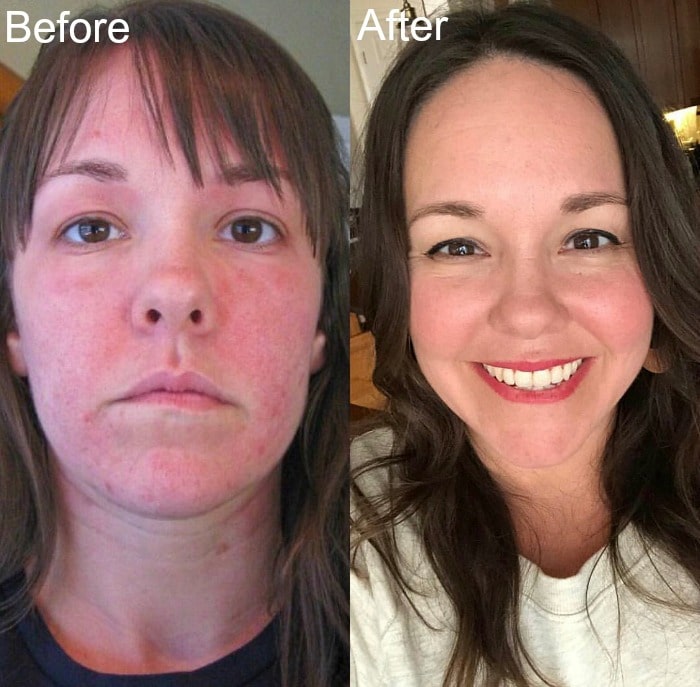
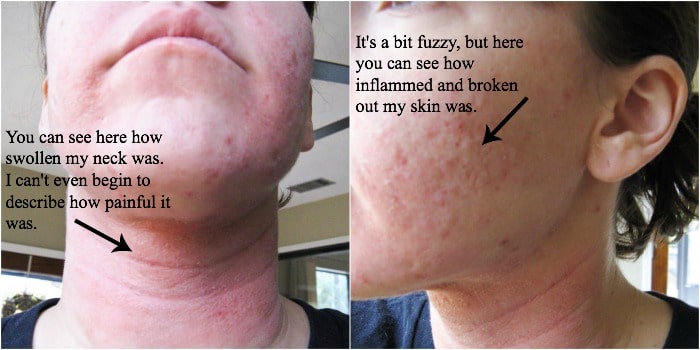
If you are dealing with a Hashimoto’s skin rash, please know you are not alone and there are real steps you can take to support your body.
Let’s walk through why Hashimoto’s causes skin rashes and what you can do to help.
What Is a Hashimoto’s Skin Rash?
A Hashimoto’s skin rash often shows up as chronic hives, also called chronic urticaria.
A skin rash is inflammation of the skin. It may look red, itchy, swollen, bumpy, or blotchy. It can come and go or feel constant.
Skin rashes are very common in people with Hashimoto’s thyroiditis, which is an autoimmune condition where the immune system attacks the thyroid tissue.
Hashimoto’s is not a thyroid issue. It’s an immune system issue that can affect the thyroid. This is very important to understand.
You may also hear it called chronic lymphocytic thyroiditis or autoimmune thyroiditis.
What Are the Symptoms of Hashimoto’s Skin Rash?
Common symptoms of a Hashimoto’s skin rash include:
• Chronic hives
• Intense itching
• Red or inflamed skin
• Raised welts
• Swelling
• Burning or stinging sensations
• Skin that reacts easily to heat, stress, or water
Many people notice their rash gets worse during times of stress or hormonal shifts.
How Does Hashimoto’s Cause a Skin Rash?
While conventional medicine doesn’t have a specific answer, in functional and holistic care we often see a strong connection between liver congestion and skin rashes.
When the liver becomes overwhelmed, the body looks for other ways to eliminate toxins. The skin becomes one of those exit routes.
Common contributors to liver congestion include:
- Medications
- Pesticides and herbicides
- Synthetic fragrances
- Toxins in skincare and body care
- Heavy metals
- Toxins in water and air
- Processed foods
- Blood sugar imbalance
- Chronic stress
I saw this clearly in my own healing journey and I see it often with clients who have Hashimoto’s skin rashes.
Thyroid Conditions Associated With Chronic Urticaria
Chronic hives and skin rashes are not limited to Hashimoto’s. They are also seen with other thyroid conditions.
Hyperthyroidism
Overactive thyroid function can increase immune activation and histamine release, which can trigger hives. One of the most common root causes of hyperthyroidism is liver congestion, so this is also a reason why you often see skin rashes associated with hyperthyroidism.
Hypothyroidism
Low thyroid hormone often slows detox pathways and circulation, which can contribute to skin issues.
Graves’ Disease
As another autoimmune thyroid condition, Graves’ disease is also linked with chronic urticaria and skin rashes.
How Is Hashimoto’s Skin Rash Treated?
There is no single quick fix, but you can absolutely support the body so that the skin rash goes away. Healing a Hashimoto’s skin rash requires calming the immune system and supporting detox pathways, especially the liver.
Here are the most helpful steps I have seen, both personally and at my practice.
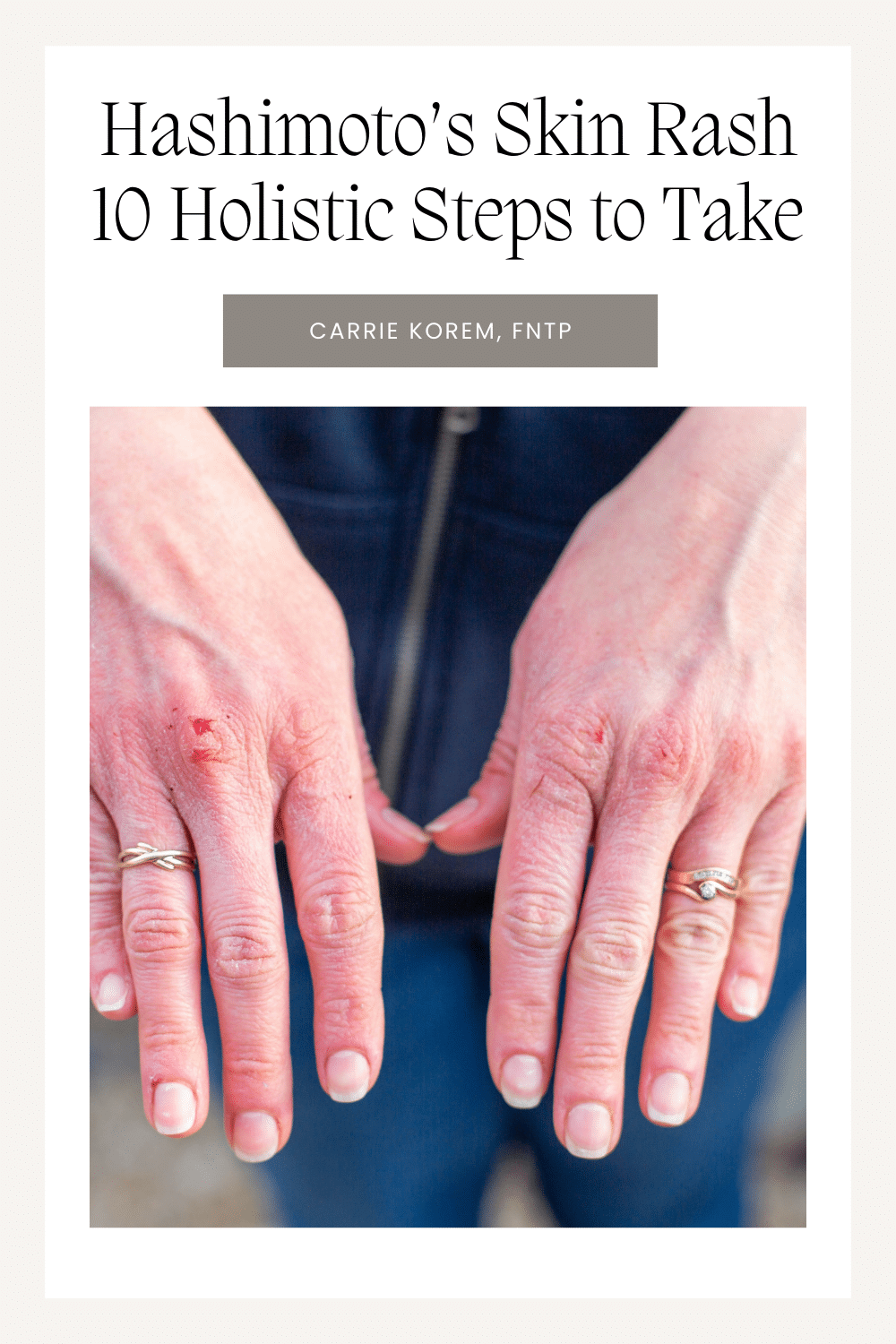
10 Natural Ways to Help Hashimoto’s Skin Rash
1. Eat a Nutrient Dense, Gluten-Free Diet
Processed foods add a heavy toxic load to the liver. Removing gluten and processed foods can make a significant difference in skin symptoms and antibody levels.
Focus on:
• Organic pastured meats
• Wild seafood
• Healthy animal fats like butter, ghee, tallow, duck fat
• Cooked vegetables
• Fruits
• Soaked and cooked legumes
• Sprouted nuts and seeds
• Raw or cultured dairy if tolerated
• Meat stock instead of bone broth if rashes are active
• Fermented vegetables
• Wild sea vegetables
Here’s more info about the kind of diet that is best for Hashimoto’s. And, here are lots of family-friendly recipes for you!
2. Switch to Non Toxic Household and Body Products
Your skin absorbs what you put on it.
Laundry detergent, fabric softener, skincare, candles, and cleaners are often loaded with hormone disrupting chemicals as well as toxins.
Swapping out your conventional products for non-toxic ones can make a huge difference in the health of your skin.
If you start anywhere, switch to non toxic laundry products and skincare first.
Here’s my full list of healthy products that I personally use and recommend.
3. Keep Sugar Intake Low
Excess sugar stresses the liver and blood sugar balance.
Aim for about 20 to 30 grams per day from whole food sources. This does not include carbohydrates from vegetables or raw dairy.
When you eat too much sugar, this makes it very difficult for the liver to do its job. If you struggle with sugar cravings right now, make this recipe for buttermints and follow the directions listed.
4. Use Castor Oil Packs
Castor oil packs gently support liver detoxification and circulation. They are one of my favorite tools for calming skin inflammation.
Here are instructions on how to do a castor oil pack.
5. Address Stored Emotions
The book, The Body Keeps the Score, helps us understand that when the body walks through difficult times, traumas, etc. sometimes the body doesn’t have the resources or understanding to process these emotions. So, the body stores them in various organs, glands and tissues.
The liver is often associated with anger and resentment.
Unprocessed emotions can show up physically. Working with a counselor, trusted friend, or pastor can be very helping in your healing process.
6. Eat Healthy Animal Fats Daily
Animal fats provide retinol and other nutrients needed for liver and immune health.
Great options include butter, ghee, tallow, duck fat, pastured eggs, and raw dairy if tolerated.
7. Drink Beet Kvass
A small glass of beet kvass, about 2-3 ounces, in the morning is a gentle and powerful liver tonic.
You can make it with just 3 ingredients. Or you can purchase it.
8. Move Gently
Walking, yoga, or pilates help lower cortisol and improve blood flow to the liver.
9. Consider supplementation
A few supplements that I’ve seen to be incredible helpful to support the liver and and in turn to reduce skin rashes are:
Betafood – This is my favorite supplement to get going with when you want to support the liver and gallbladder. It’s also very economical!
Here are some ways Betafood supports the liver:
– Betafood provides methyl donors to support liver’s natural detoxification processes
– Contains naturally occurring betaine for liver and cardiovascular health
– Supports normal processing of dietary fats
Livaplex – this is a big step-up from Betafood and provides a wealth of nutrients to support natural liver detoxification.
Here are some benefits of Livaplex:
– Supports healthy liver function, normal bile production and the body’s normal toxin-elimination function
– It’s an excellent source of vitamin B6 and zinc and a good source of iron, copper, niacin, and antioxidant vitamin A.
Livaplex does contain iron, so keep this in mind if you’re on any iron supplements so you don’t accidentally consume too much iron.
Milk Thistle Forte – a concentrated liver support formula containing milk thistle seed that helps support liver function and protect liver structure.
Milk thistle forte benefits:
– Protects liver tissue by supporting normal cellular defenses.
– Supports general healthy detoxification function and toxin elimination function.
– Supports normal bile production and secretion to help relieve mild symptoms of occasional mild digestive discomfort.
LivCo – is a combination of schisandra, rosemary and milk thistle to provide liver cleansing support.
The herbs in LivCo have been traditionally used in herbal preparations to:
– Support and maintain cellular health
– Aid in the elimination of naturally occurring toxins and support healthy general detoxification
– Support healthy liver function
Please note: Some of these supplements have contraindications, so as always, talk to your practitioner about the best supplements for your situation.
10 Prioritize sleep
I recommend aiming for at least 8-9 hours a night. Sleep and liver health are closely linked. Your liver filters your blood to remove toxins while you sleep, so it’s incredibly important to get plenty of quality sleep.
How Can I Learn More About Healing Hashimoto’s?
If you want step by step support, here are a few options:
- To download my 50 of my top tips to support the thyroid and immune system naturally, tap here. I’ll also send you an educational email every few days to help you learn how to support your body naturally.
- If you’d like to learn from first steps you can take to help support your thyroid, check out my class, “5 Keys to Thyroid Hormone Balance”. It’s just 45 minutes and I promise you’ll learn something new!
- If you’re looking for a step-by-step plan for Hashimoto’s that truly works (no more piecing together info!), check out my 90-Day Thyroid Reset Program.
- Book a consult with me for one-on-one help. Here’s info about what working with me looks like.
Healing is possible. I have lived it, and I would love to
help you walk this path too.