


Quick Answer
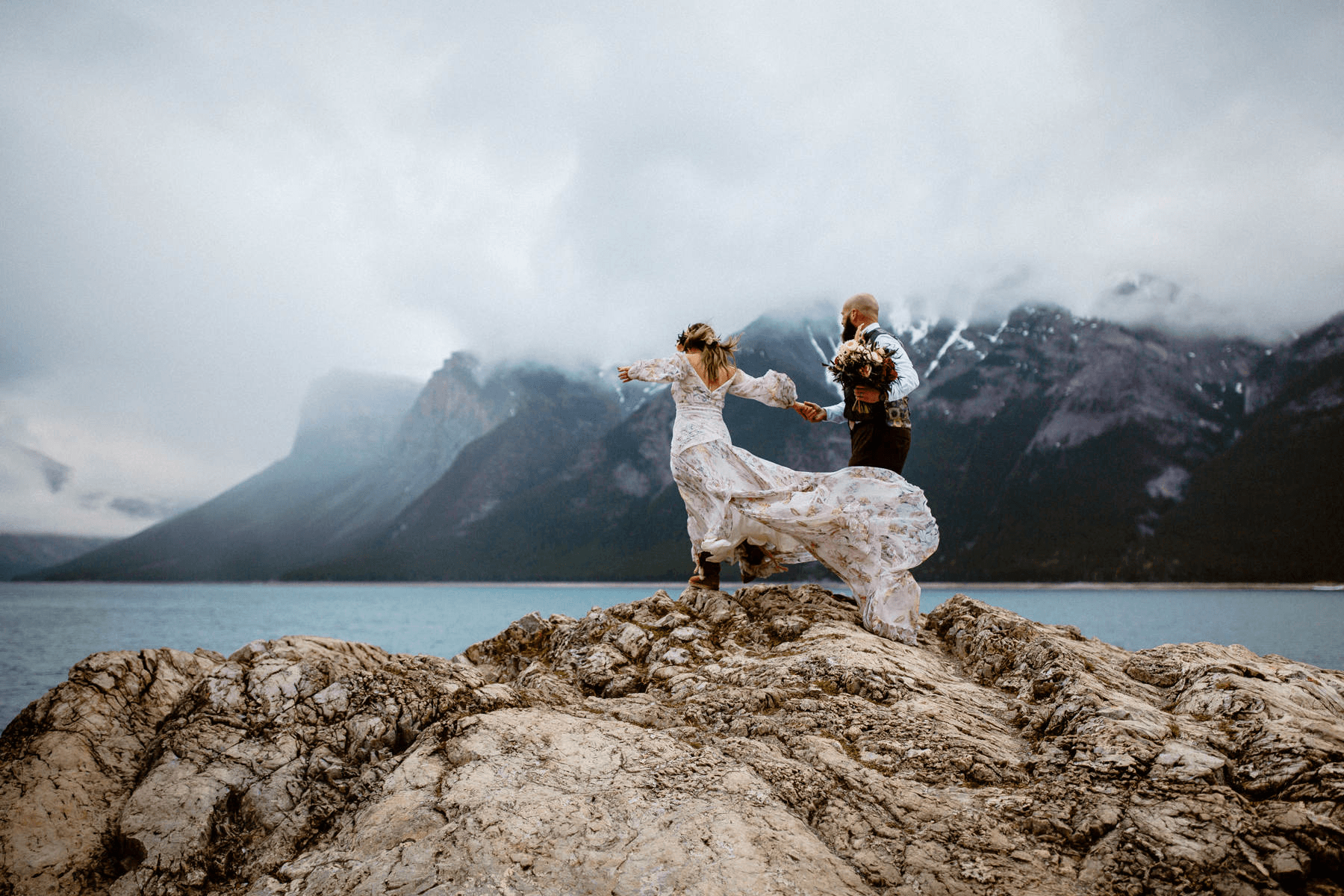
Couples seeking a Banff elopement photographer are drawn to studios that specialize in remote alpine sessions because mountain weddings demand technical skill beyond standard portrait work. The best photographers in this space understand permit systems, seasonal light windows, and terrain logistics. Intimate ceremonies in the Rockies have grown significantly because modern couples prioritize experience and location over guest count and convention hall tradition.
Introduction
Planning a wedding in a national park is nothing like booking a venue downtown. Permit windows close without warning, weather shifts within the hour, and the difference between a forgettable session and genuinely breathtaking imagery often comes down to whether your photographer has stood on that ridge before.
Film & Forest have built their entire practice around that reality, developing workflows and location knowledge that translate directly into stronger creative results for couples choosing mountain settings. A Rocky Mountain wedding requires preparation that goes well beyond selecting a dress code or a colour palette.
What Rocky Mountain Wedding Trends Reveal About Modern Couples
The shift happening across the industry right now is not subtle. Couples who once defaulted to banquet halls and seated dinners for two hundred guests are actively choosing alpine meadows, glacial lakeshores, and sub-alpine forest clearings instead.
The reasons are practical as much as they are emotional, because location-driven ceremonies demand a level of intentionality that traditional weddings rarely require, and that intentionality tends to produce more meaningful results.
The Move Toward Smaller, More Intentional Ceremonies
Guest lists have shrunk considerably over the past several years, and industry data from wedding planning platforms consistently reflects that trend across Canada. Couples are reallocating budgets away from catering and décor toward photography, travel, and experience. The result is a category of wedding that feels less like a performance and more like a personal milestone.
Intimate ceremonies also reduce the logistical overhead that makes large weddings so exhausting to plan. With fewer moving parts, couples can focus on the moments that actually matter to them rather than managing seating charts and vendor timelines across a twelve-hour event day.
What Drives Couples Toward Adventure-Based Sessions
Several cultural and generational factors are converging to make adventure weddings the fastest-growing segment within the broader market:
- A preference for travel-integrated celebrations that double as honeymoons or extended trips
- Growing awareness of elopement-friendly permit zones within national parks
- Increased access to photographers who specialize in remote and high-altitude sessions
- Social media visibility of alpine imagery, which has normalized non-traditional venues
- A broader cultural move away from performative spending toward experiential investment
The result is a specialist photography market that looks quite different from city-based studios, built around terrain knowledge as much as creative vision.
How Wedding Photographers Are Structuring Packages for Remote and Alpine Settings
Permit requirements, restricted access zones, and seasonal scheduling constraints all shape what a package can realistically include, and couples who understand this context make far better booking decisions.
The Parks Canada Permit System and What It Means for Your Timeline
Any professional photographer operating within those zones for paid work is legally required to hold a Business Licence for Commercial Use, and specific high-traffic or ecologically sensitive locations require separate location permits that are issued in limited quantities.
This has a direct and practical consequence for how wedding packages are designed in this region:
- Packages must account for permit acquisition timelines, often requiring booking windows of six to twelve months
- Photographers frequently offer multiple location options within a single package to accommodate permit availability
- Session timing is built around Parks Canada access windows rather than couple preference alone
- Backup location protocols are a professional standard, not an optional add-on
- Some remote locations require a licensed commercial operator or guide, adding a coordination layer to the package structure
Comparing Package Structures for Mountain Wedding Sessions
The table below outlines the core differences between standard portrait-based packages and those purpose-built for remote alpine settings.
|
Feature |
Standard Portrait Package |
Alpine Package |
|---|---|---|
|
Location scouting |
Client selects location |
Photographer leads selection |
|
Permit handling |
Not typically included |
Core service component |
|
Session length |
Fixed duration |
Weather variable with buffer time |
|
Backup planning |
Rarely formalised |
Standard operating procedure |
|
Travel fees |
Local travel only |
Multi-zone travel is built in |
|
Gear requirements |
Studio or urban kit |
Weather-sealed, terrain-adapted kit |
|
Booking window |
Four to eight weeks |
Six to twelve months minimum |
Photographers who specialize in this environment build their annual calendars around these ecological rhythms rather than general availability. The result is a booking model that rewards early planning and penalizes last-minute decisions in ways that couples accustomed to urban vendors rarely anticipate.
Choosing a Banff Elopement Photographer Who Understands Mountain Conditions
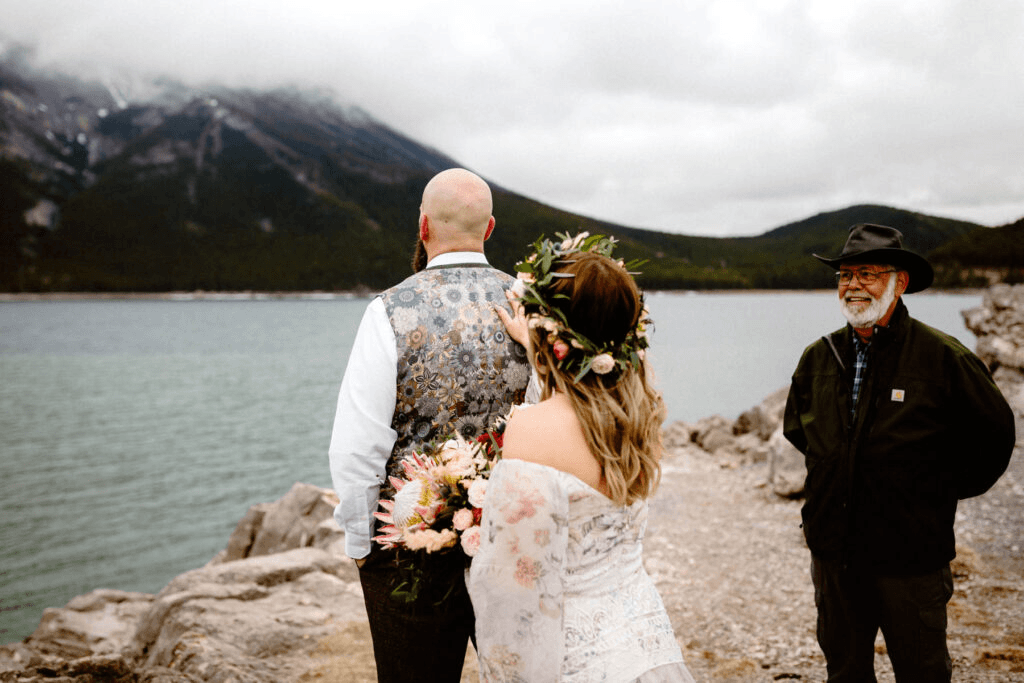
Portfolio aesthetics are the first thing most couples evaluate, and while visual style matters, it represents only one dimension of what makes an alpine specialist genuinely qualified. The photographers who consistently deliver strong results in mountain environments have built operational knowledge alongside their creative skills, and that combination is what separates a memorable session from a logistically compromised one.
Technical Qualifications That Actually Matter in the Field
Weather literacy is a professional competency in this context, not a personality trait. Alpine conditions shift within minutes, and a photographer who cannot read incoming weather patterns or make fast relocation decisions creates real risk for both the session and the couple.
Beyond weather, the following qualifications carry significant weight when evaluating mountain wedding photographers:
- Demonstrated familiarity with Parks Canada commercial permit requirements
- Experience shooting across multiple seasons, not exclusively in peak summer conditions
- Weather-sealed camera systems rated for rain, dust, and temperature variance
- Physical fitness sufficient for multi-kilometre approaches to remote locations
- Established relationships with local guides or operators for restricted zone access
Reading a Portfolio With an Informed Eye
Most alpine wedding galleries look impressive at first glance because the scenery does a significant amount of creative work on its own. The more useful exercise is evaluating how a photographer performs under imperfect conditions. Look for images shot under overcast skies, in rain, during flat midday light, or in heavy shadow. Those images reveal actual technical skill because the environment is no longer compensating for compositional or exposure weaknesses.
Pay attention to whether a portfolio spans multiple seasons and multiple location types within the mountain corridor. A studio whose work appears exclusively in one or two recognizable spots during peak summer may have limited experience outside of ideal conditions.
Why Informed Planning Defines Every Successful Mountain Wedding
Alpine weddings reward preparation above almost every other factor. Couples who understand permit systems, seasonal access windows, and the operational standards that separate a qualified specialist from a general portrait studio consistently achieve stronger results. The technical demands of a remote ceremony are real, and so is the payoff when those demands are met with genuine expertise.
Any couple planning a Rocky Mountain wedding through a skilled Banff elopement photographer will find that logistical knowledge and creative vision, working together, produce results that neither quality achieves alone.

