


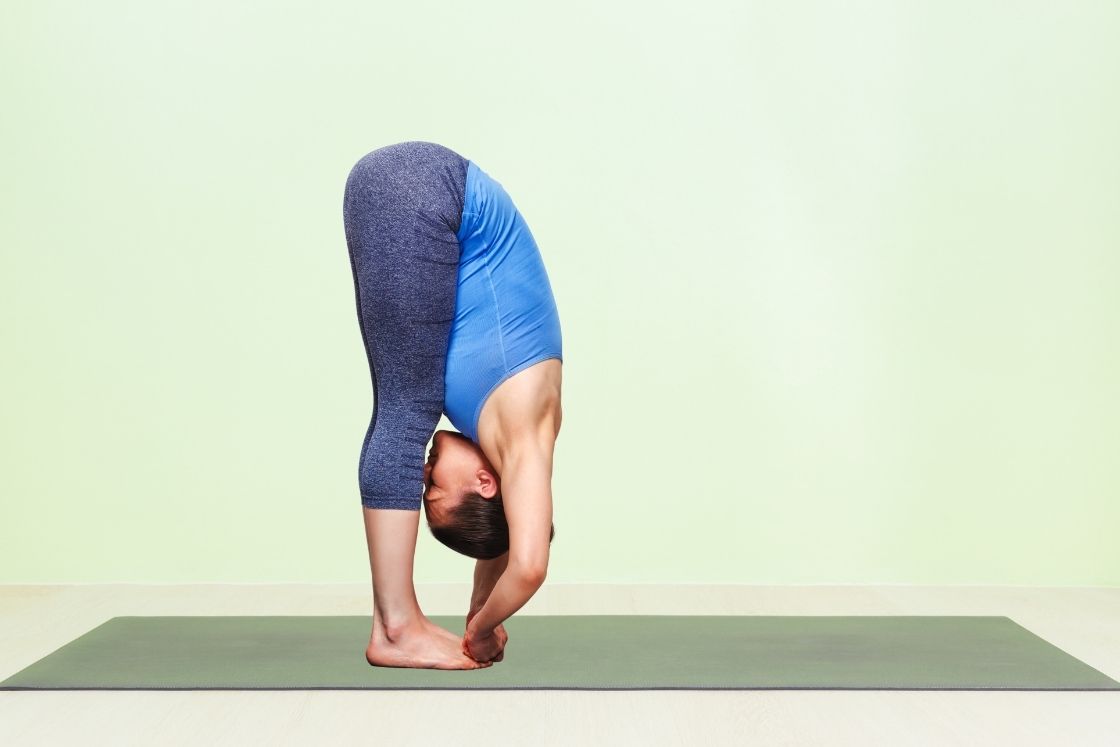
Padangusthasana is one of the fundamental asanas of Ashtanga Yoga. It is a simple standing pose that involves a forward bend. Due to its simplicity, this asana is suitable for beginners.
Padangusthasana stretches the body from head to toe, engaging many muscles. It helps release built-up tension and can reduce body pain. Along with its many benefits, this pose is also helpful for people with flat feet.
If you are starting your yoga journey, Padangusthasana is a good pose to begin with.
Meaning
The term Padangusthasana comes from Sanskrit. It is made up of the following root words:
- In Sanskrit, pada means foot
- Angustha means big toe
- Asana means pose
Together, these words explain the literal meaning of the posture. It involves bending forward and holding the big toes with the hands.
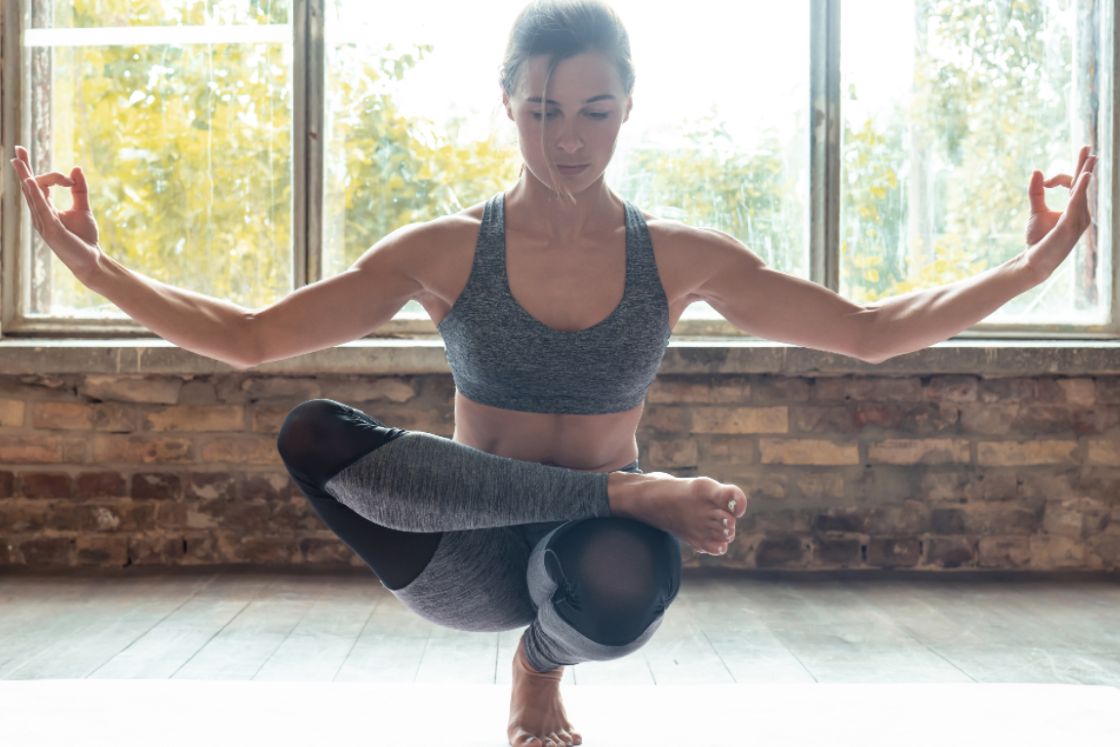
However, in Bikram Yoga, Padangusthasana is different. In Bikram Yoga, it is a balancing posture and one of the 26 poses. In this version of the Big Toe Pose, the body is balanced on the big toes while sitting in a squat position.
Padangusthasana practice guide
Follow the points below to practise Padangusthasana easily and safely.
Precautions & contraindications
- Lower back injury– Avoid practising Padangusthasana if you have a lower back injury. The pose gives a deep stretch to the spine, and doing it with an existing injury may increase pain.
- Neck injury- Do not perform this pose if you have a serious neck injury.
- Pregnancy– This pose is not recommended during pregnancy, as it puts pressure on the lower back and abdomen.
- Always practise the asana within your body’s limits. Do not force yourself in one attempt. Increase flexibility slowly and move deeper into the pose over time.
Preparatory poses
How to do padangusthasana (steps by steps)
- Stand tall with your feet about six inches apart.
- Straighten your legs, lift the kneecaps, and place your hands on the waist.
- Exhale and bend forward from the hip joints, keeping the spine and legs straight.
- Hold the big toes firmly using the thumb, index, and middle fingers. Keep the palms facing each other.
- Keep the arms straight and look forward.
- Inhale and move the elbows outwards, stretching the shoulder blades.
- As you exhale, bend deeper and bring the head towards the knees, gently pulling the body towards the toes.
- Breathe normally and hold the pose for about 20 seconds.
- Inhale and lift the head and chest halfway up.
- Exhale and place the hands back on the waist.
- Inhale and slowly come up to a standing position, bringing the feet together.
Beginners may find it difficult to hold the big toes. In such cases, you can slightly bend the knees or use a yoga strap for support until flexibility improves.
Follow up poses
Modifications & Variations
The base big toe pose can be modified to simplify it:
Using yoga strap – A yoga strap can be used as a prop to modify the pose. Make a loop out of the strap and place it under the arch for easily holding the pose without bending knees.
These variations can be practiced along with Padangusthasana.
1. Utthita Hasta Padangusthasana
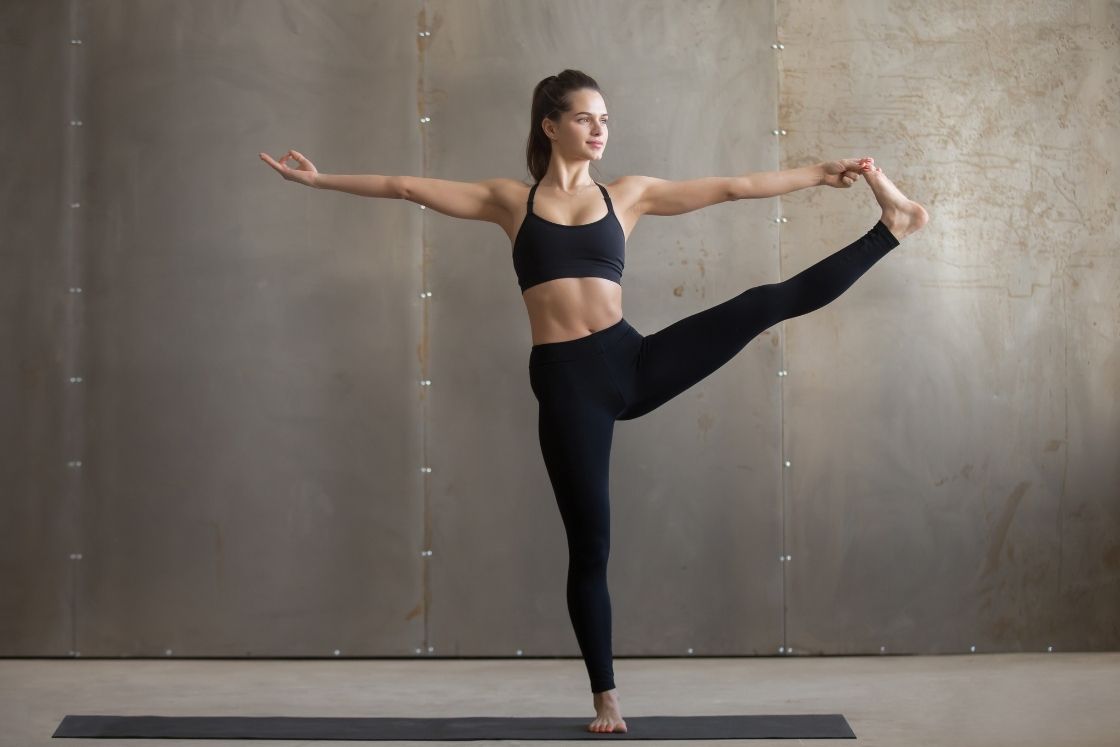
After attaining padangusthasana fully, it is recommended to try its advanced variation, i.e. Utthita Hasta Padangusthasana. It is performed by standing upright, lifting, and stretching one leg to the side. Then, reach the big toe with the respective hand.
2. Standing Fire Hydrant Pose
Here, after reaching the toes by both hands (fingers) start lifting one leg with the hand and stretch it to the side, while keep holding the opposite big toe. Keep the hands and legs straight while maintaining the pose.
Padangusthasana Benefits
Padangusthasana gently stretches the body from the legs to the spine, helping release stiffness and built-up tension. Regular practice supports digestion, improves sleep, and calms the nervous system. It is also helpful for leg strength, foot health, and women’s comfort during hormonal changes.
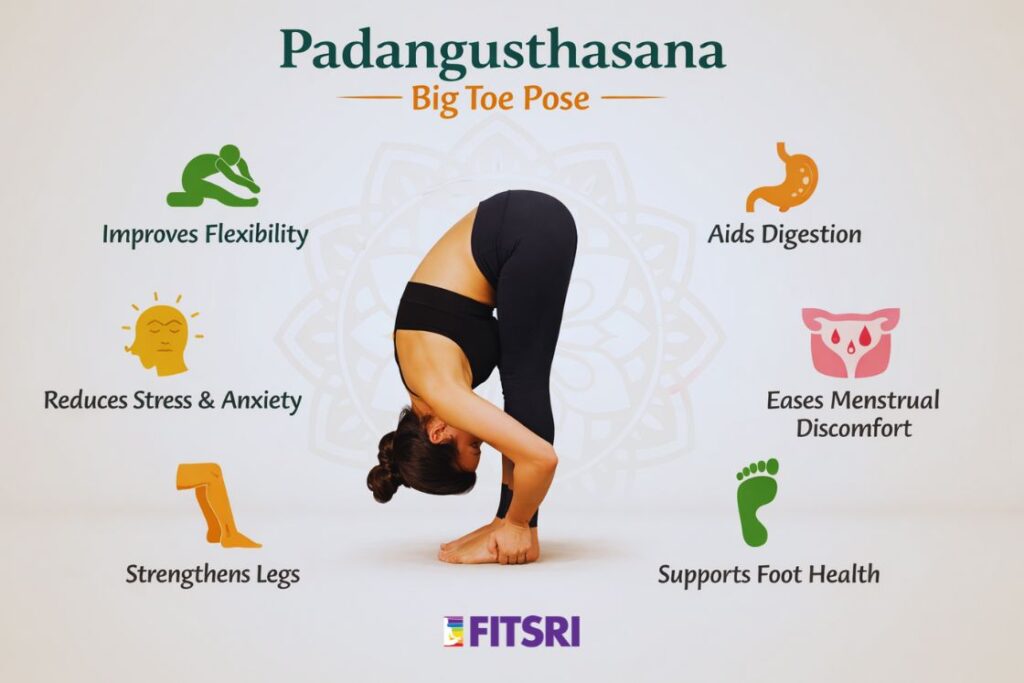
1. Provides flexibility: This pose gives a deep stretch to the calves and hamstrings. The whole body feels lengthened while holding the posture, which helps improve overall flexibility.
2. Stimulates the abdominal region: During the forward bend, the abdominal muscles are gently pressed and activated. This supports better digestion and improves the working of the digestive system.
3. Activates the endocrine system: The forward fold stimulates the pancreas, pineal, pituitary, thyroid, and adrenal glands. This helps maintain hormonal balance in the body and supports overall body balance.
4. Stimulates reproductive organs: Padangusthasana supports the proper functioning of the reproductive organs, including the ovaries, uterus, and testes. This helps strengthen the reproductive system.
5. Helps with insomnia: The pose improves blood flow to the brain, calms the nervous system, and prepares the body for deep and restful sleep.
6. Reduces anxiety and stress: The forward bend improves blood circulation and boosts energy levels. Practised with gentle breathing, it helps release stored tension and reduces stress and anxiety.
7. Providing relief during menstruation: Big Toe Pose is helpful for women with PMS. Regular practice can reduce menstrual cramps and also ease symptoms of menopause.
8. Benefits the kidney, liver, and spleen: This asana gently stimulates the kidneys, liver, and spleen. It supports healthy metabolism and helps keep the immune system strong.
9. Strengthens and tones muscles: Regular practice tones the hamstrings and calf muscles. The thighs and legs become stronger and more stable.
10. Helps with flat feet: The feet remain firmly grounded in this pose, which stretches and strengthens them. It helps develop the foot arch, improves walking comfort, and reduces flat-foot issues.
Conclusion
Begin your yoga journey towards a stress-free life with Padangusthasana. This pose is easy to practise and offers several variations to explore. Considering its many health benefits, especially for today’s busy and stressful lifestyle, Padangusthasana is a pose worth trying.

