


>>Download Yoga Mudras Free PDF!

Shivalinga Mudra is a simple yet powerful hand gesture in yoga, inspired by the sacred symbol of Lord Shiva. It is known for boosting inner energy, focus, and mental clarity.
This mudra forms a shape similar to the Shivalinga, which represents balance in Hindu philosophy — the union of masculine and feminine energies, creation and transformation, stillness and movement. When you bring your hands into this position, it creates a subtle sense of stability and inner harmony.
In yoga, mudras are more than just hand gestures. They are a way to direct energy within the body. By placing the fingers in specific positions, you gently influence how energy flows, helping the mind and body work together more smoothly.
In this guide, you’ll learn how to practise Shivalinga Mudra step by step, understand its benefits, and find simple tips to include it in your daily routine.
What is Shivalinga Mudra?
Shivalinga Mudra is inspired by the sacred symbol of Lord Shiva. In this mudra, the hands form a shape similar to the Shivalinga, helping you stay focused during meditation and direct your energy inward.
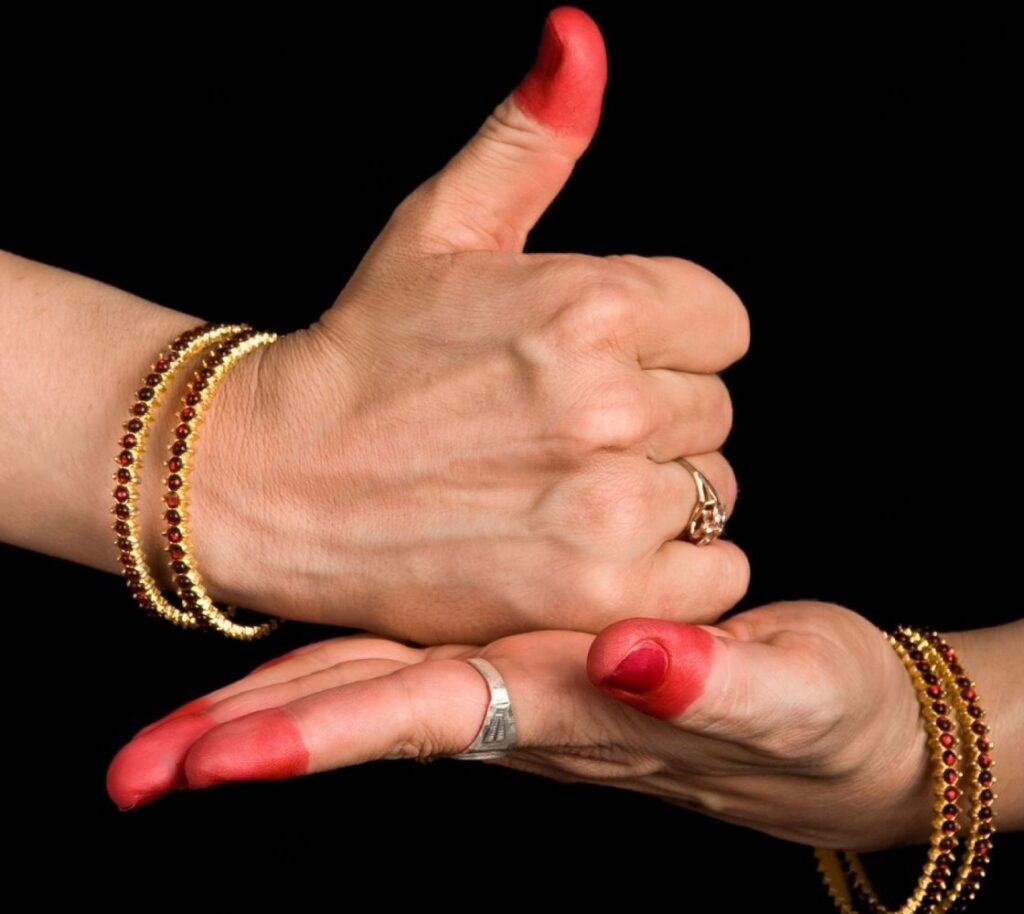
The right hand forms a fist with the thumb raised, representing masculine energy (Linga). The left hand stays open beneath it, like a cup, symbolising feminine energy (Yoni). Together, they create a sense of balance and wholeness.
This mudra reflects the energy of Shiva and Shakti and has long been used to support meditation and inner balance. Shivalinga Mudra is different from Linga Mudra, as both serve different purposes and offer their own benefits.
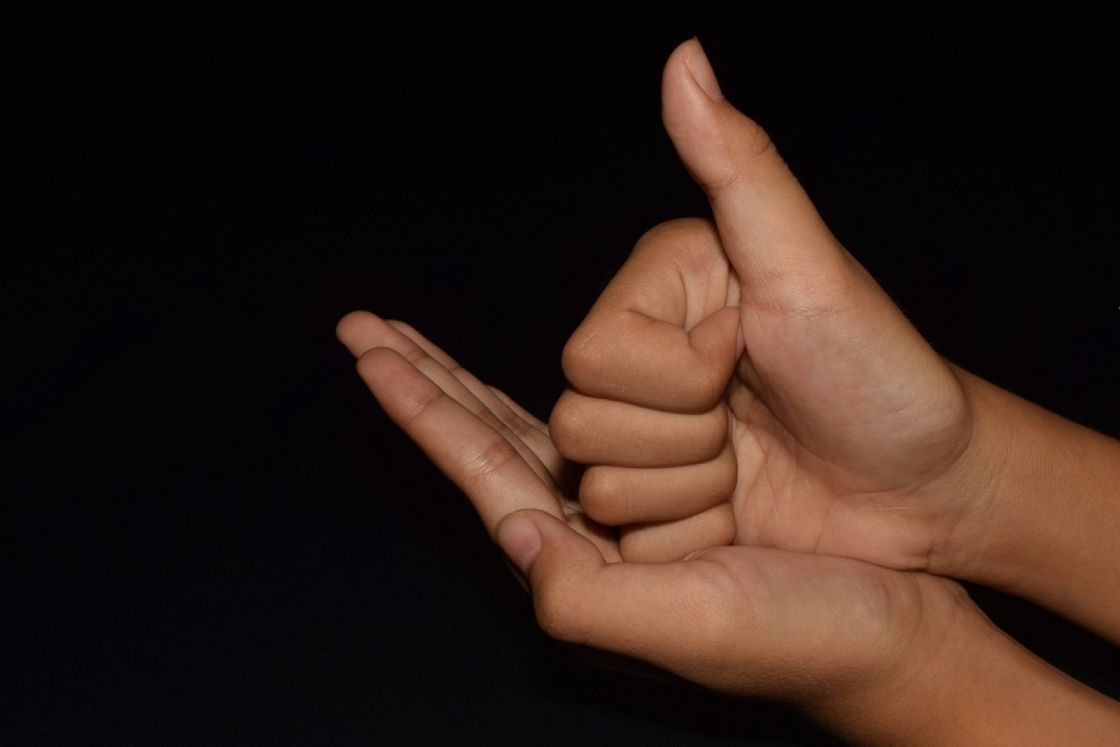
Shivalinga Mudra is practised by placing your left hand open in your lap like a cup. Rest your right hand on it as a fist, with the thumb pointing upward. This hand position reflects the Shivalinga and the balance of masculine and feminine energies.
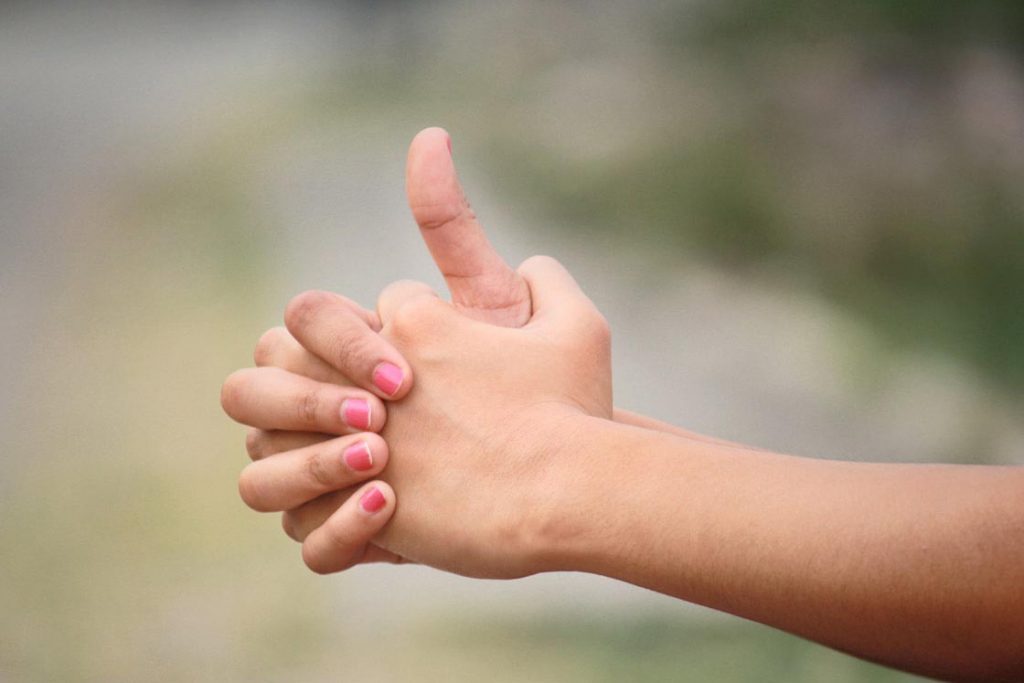
In contrast, Linga Mudra is done by interlocking the fingers of both hands. The left thumb stays upright, while the right thumb and index finger gently wrap around it. This mudra builds heat in the body, which may support immunity and help with weight management.
The Real Meaning of Shiva’s Linga Symbol
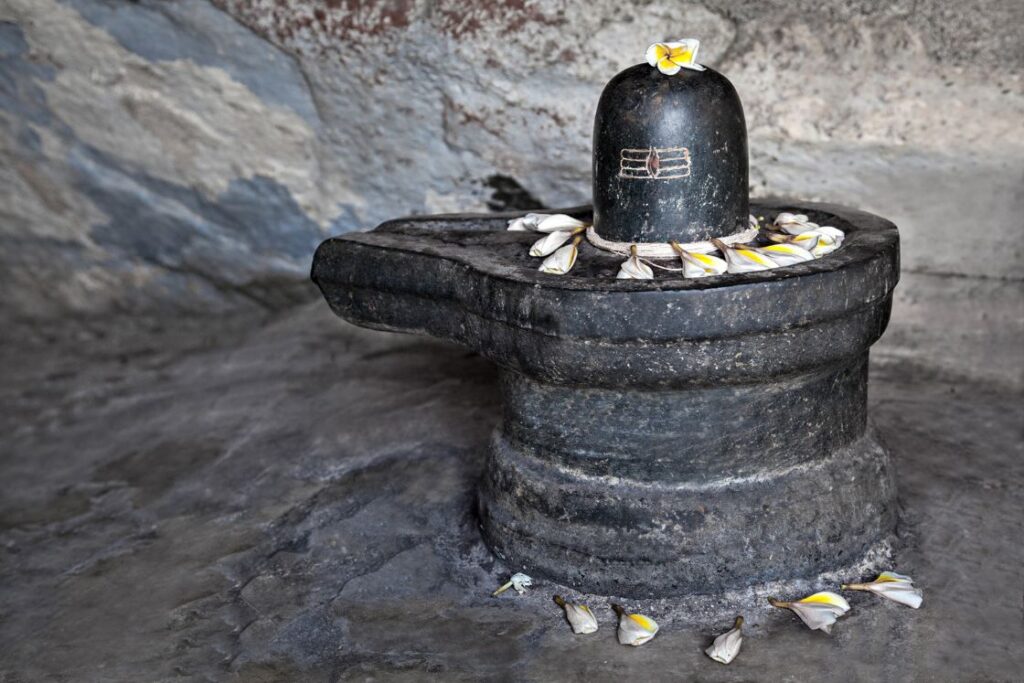
The Shivalinga is a sacred symbol of Lord Shiva in Hinduism. It appears as a cylindrical form placed on a circular base, representing the union of masculine and feminine energies. This reflects balance and harmony in nature. Beyond its religious meaning, it also represents the flow of energy and the cycle of creation and transformation.
The Linga is often seen as an endless pillar of light, showing Shiva’s infinite nature. The base, known as the Yoni, represents Shakti, the feminine energy. Together, they reflect the natural cycle of creation, maintenance, and transformation in life.
The Hand Gesture and its Meaning
The hand position in Shivalinga Mudra plays an important role in how it works. The raised thumb represents the fire element, linked to energy and strength. The left hand, shaped like a cup, relates to the water element, bringing calmness and softness.
Together, these elements help balance opposite energies in the body, leaving you feeling more steady, calm, and centred.
How to Do Shivalinga Mudra (Steps)
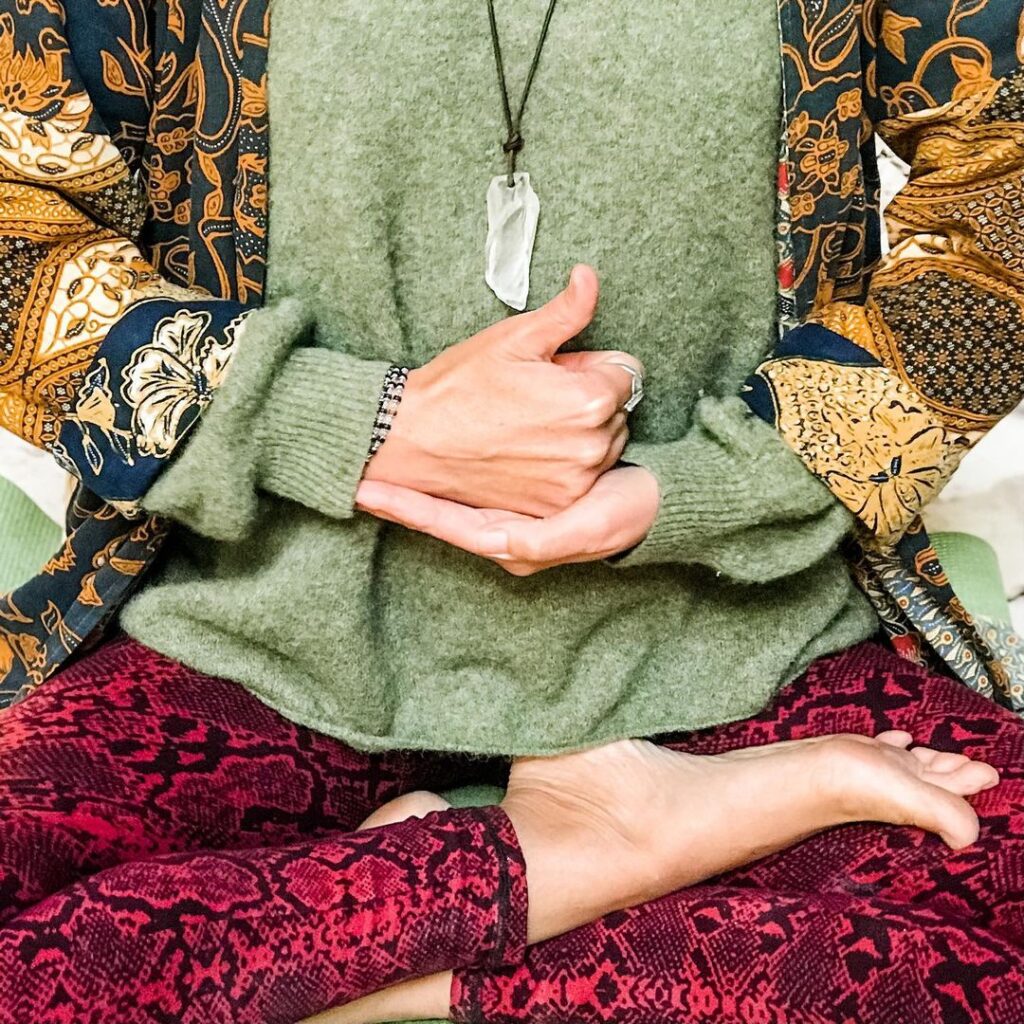
Shivalinga Mudra is made using both hands. The right hand forms a fist with the thumb pointing upward, representing masculine energy (Linga). The left hand stays open like a cup beneath it, symbolising feminine energy (Yoni). Together, they create a sense of balance.
Hold the mudra near your solar plexus (Manipura Chakra). Breathe deeply and connect your breath with your navel. As you inhale, let your belly expand. As you exhale, gently draw it in.
Follow these steps to practise Shivalinga Mudra during meditation:
- Sit comfortably with your spine straight and shoulders relaxed. Use a chair, cushion, or sit on the floor—whatever feels easy for you.
- Place your left hand in your lap, open like a small bowl. Make a fist with your right hand and extend the thumb upward.
- Rest your right fist gently on your left palm.
- Keep the thumb pointing upward and your hands relaxed near your abdomen.
- Close your eyes and take slow, deep breaths. Bring your attention to your breath and the stillness of your hands.
- Gently focus on the raised thumb and imagine energy moving upward through it.
- When you’re ready, slowly release the mudra. Pause for a moment and notice how you feel.
Recommended Sitting Positions
You can practise Shivalinga Mudra in any comfortable seated position, such as:
- Sukhasana (Easy Pose): A simple cross-legged position that keeps your spine upright and relaxed.
- Padmasana (Lotus Pose): A stable seated posture that helps you stay steady and focused during meditation.
- Vajrasana (Diamond Pose): Sitting on your heels, this posture supports digestion and works well if sitting cross-legged feels uncomfortable.
Time & Duration
The best time to practise Shivalinga Mudra is early in the morning, between 4 am and 7 am. At this time, your mind is naturally calm and there are fewer distractions, which helps you go deeper into the practice. If mornings don’t work for you, you can practise it in the evening as well.
You can hold this mudra for about 10 to 15 minutes at a time. You may practise it two or three times a day if it suits your routine. With regular practice, you may notice better focus and a more balanced state of mind. Keep your body relaxed and stay aware of your breath while practising to get the most out of it.
Affirmation
You can practise Shivalinga Mudra with a simple affirmation to deepen its effect. Here’s a simple affirmation you can use:
“I am balanced and steady. I welcome both strength and softness within me. I feel grounded, calm, and connected. With each breath, I bring harmony to my body and mind. I release tension and move into clarity and confidence.”
Repeating this gently during your practice can help you feel more centred, calm, and balanced.
Shivalinga Mudra Benefits
Shivalinga Mudra is known for helping calm the mind and reduce stress. It supports emotional balance and can leave you feeling more steady and centred. It also helps build inner energy, making it easier to handle daily stress and stay mentally clear. With regular practice, it can support a calmer and more balanced state of mind.
1. Balancing Pitta Dosha
Shiva Linga Mudra is associated with the generation of heat in the body. This heat can help balance excessive Pitta dosha, which is associated with fire and can cause issues like inflammation and excessive heat in the body. The Mudra’s ability to generate heat helps in regulating and balancing Pitta Dosha.
2. Balancing and Activating Root Chakra
This mudra helps activate the Root Chakra (Muladhara), which is linked to stability and security. It can create a sense of grounding, reduce anxiety, and support emotional strength.
3. Enhancing Breathing Capacity
By increasing warmth and energy in the body, this mudra may support better breathing and lung function. It can also help improve breath awareness during meditation.
4. Relief from Sinusitis and Cold
Shivalinga Mudra may help in managing cold, cough, and sinus discomfort. Its warming effect can support the body’s natural defence against such conditions.
5. Reducing Stress and Mental Tension
This mudra can help calm the mind and release built-up tension. With regular practice, you may feel more relaxed, positive, and mentally clear.
6. Spiritual Connection
Shivalinga Mudra symbolises the union of Shiva and Shakti. Practising it can deepen your awareness and support a stronger connection with your inner self.
Precautions & Contraindications
Shivalinga Mudra is safe for most people when practised correctly. Keep these simple points in mind while practising:
- Listen to your body: If you feel discomfort or strain, gently release the mudra and relax.
- Avoid strain: Keep your hands relaxed and don’t force the position.
- Seek guidance if needed: If you have any health concerns, consult a yoga teacher or healthcare professional.
- Choose a quiet space: Practise in a calm environment without distractions.
- Use it during meditation: It works well when combined with meditation.
- Stay aware: Keep your attention on your breath and hand position
Like any yoga practice, there are a few situations where you should be careful:
- High blood pressure: Practise in moderation and under guidance if possible.
- Ulcer: Avoid this mudra if you have stomach or duodenal ulcers, as it may increase heat in the body.
- Bile-related issues: Avoid practising if you have bile imbalance or related conditions.
Conclusion
Shivalinga Mudra is a simple yet powerful gesture inspired by the sacred Shivalinga, symbolising the balance of masculine and feminine energies. Practising this mudra can help improve focus, bring emotional balance, and support your spiritual growth.
With regular practice, it creates a calm, steady state of mind and a deeper sense of inner peace. Whether you use it during meditation or quiet moments in your day, Shivalinga Mudra can gently guide you towards clarity and balance within.
FAQs Related to Shivalinga Mudra
Shivalinga Mudra is a yogic hand gesture inspired by the Shivalinga, a sacred symbol of Lord Shiva. It represents the balance of masculine (Linga) and feminine (Yoni) energies.
Practising this mudra helps bring a sense of inner balance, focus, and calmness.
The best time to practise Shivalinga Mudra is early in the morning, between 4 am and 7 am, when the mind is naturally calm and quiet.
If that’s not possible, you can also practise it in the evening. For good results, hold the mudra for 10 to 15 minutes at a time.
Yes, a few simple precautions to keep in mind:
Keep your hands relaxed and avoid strain
Stop if you feel discomfort
Practise in a calm and quiet place
If you have any health condition, consult a professional before starting
Yes, Shivalinga Mudra can be practised by both men and women. It is meant to balance inner energies and support mental calmness, regardless of gender.
You can practise Shivalinga Mudra for 10 to 15 minutes at a time. It can be done once or twice a day, depending on your routine.

