


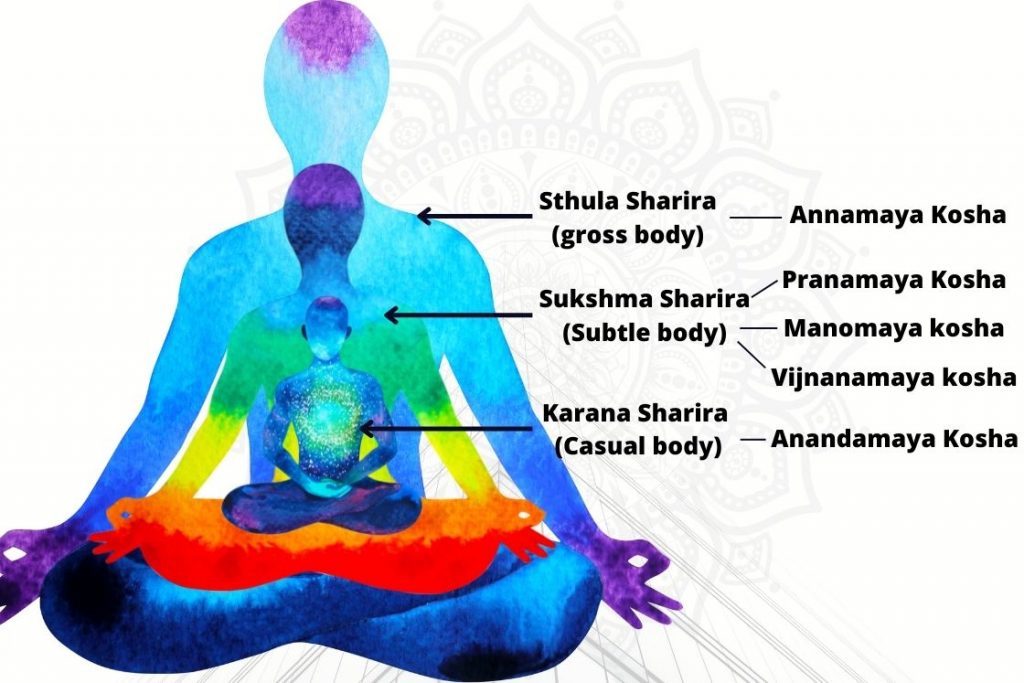
Yoga teaches that a human being is more than just a physical body. What we see- bones, muscles, and skin is only one part of our existence. Behind this visible form lies a deeper structure that explains how life, mind, and awareness function together.
According to yogic philosophy, our existence is made up of three bodies, known as Shariras. These are Sthula Sharira, the gross or physical body; Sukshma Sharira, the subtle body that includes breath, mind, and senses; and Karana Sharira, the causal body that holds deep impressions and the seed of individuality. Each body has its own role, yet all three work together as one system.
This idea closely connects with the concept of the five koshas, or layers of existence. The Annamaya, Pranamaya, Manomaya, Vijnanamaya, and Anandamaya Koshas describe how life moves from the physical level to the most subtle level of awareness. The three bodies provide a broader framework, while the koshas explain their inner layers in detail.
In this article, we explore the three bodies in yoga in a clear and practical way. Understanding them helps us see ourselves beyond the surface and brings deeper meaning to yogic practice, self-awareness, and inner growth.
What Is the Concept of the Three Bodies in Yoga?
In yoga philosophy, the concept of the three bodies explains that a human being is more than just a physical form. The body we see and touch is only one level of existence. Beyond this outer form, yoga recognises three essential bodies that work together to shape our life and awareness.
These three bodies are Sthula Sharira (the gross or physical body), Sukshma Sharira (the subtle body), and Karana Sharira (the causal body). Each body has a distinct function, yet they remain closely connected and cannot be understood in isolation.

The three bodies are not limited to physical structure alone. They include energy, mind, impressions, and awareness. Together, they influence our experiences in the waking, dreaming, and deep sleep states. Through them, we think, feel, act, and perceive the world.
Understanding the concept of the three bodies helps explain how yoga views health and well-being as a complete system, not just physical fitness. This knowledge forms the foundation for deeper self-study and a holistic understanding of the self in yoga philosophy.
1. Sthula Sharira – The physical or gross body

The Sthula Sharira, or gross body, is the physical form through which we live in the world. It is the body that breathes, eats, moves, and performs actions. This visible and tangible body serves as the base for human experience and supports the functioning of the other two bodies described in yoga philosophy.
Our awareness of the gross body is strongest in the waking state, where we interact with the external world through the senses and physical actions.
1. Components of the gross body
The gross body is made of flesh, bones, tissues, cells, and finer structures such as molecules and atoms. According to yoga and Ayurveda, it is formed from the five elements (Pancha Tattva):
- Akasha (space or ether)
- Vayu (air)
- Agni (fire)
- Jala (water)
- Prithvi (earth)
These elements combine to give shape, strength, movement, warmth, and stability to the physical body.
Practices such as asana (yoga postures) and pranayama (breathing techniques) help balance these elements, keeping the body healthy, flexible, and energised.
2. Characteristics of Sthula Sharira
The Sthula Sharira acts as the vehicle for experience. Through it, we perform actions, gain sensory knowledge, and begin the journey toward self-understanding.
This physical body passes through six natural stages of change:
- Birth
- Growth
- Existence
- Maturity
- Decline
- Death
These stages reflect the temporary and changing nature of physical life. Because it is visible and touchable, the gross body is the easiest aspect of the self to identify with, even though it is not the whole of who we are.
3. Related kosha
The Sthula Sharira is closely connected with the Annamaya Kosha, the sheath made of food, which forms the physical structure of the body. It also includes aspects of the Pranamaya Kosha, the energy sheath that governs vital functions.
The five organs of action (Karmendriyas)—mouth, hands, feet, anus, and genitals—operate through the Pranamaya Kosha and allow experiences such as movement, elimination, hunger, thirst, and temperature.
Food, water, and air nourish these koshas, working together to sustain the physical body and support daily life.
Understanding the Sthula Sharira is the first step in exploring the deeper layers of existence in yoga. It provides the foundation for health, discipline, and awareness, preparing the practitioner to move inward toward the subtle and causal dimensions of the self.
2. Sukshma Sharira – The subtle or astral body
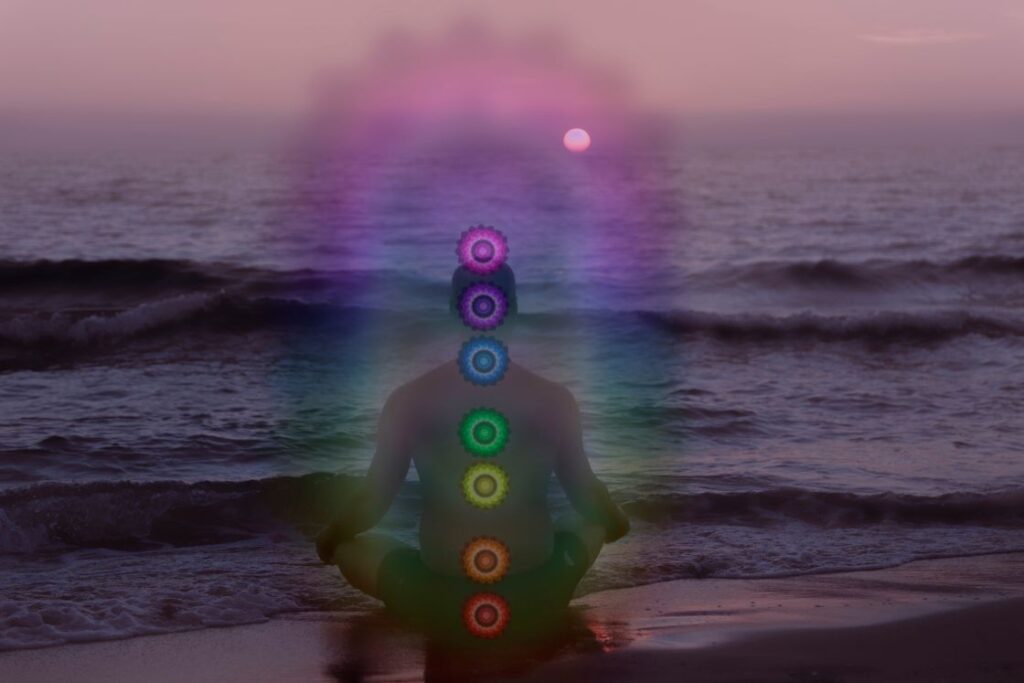
Beyond the physical body lies the Sukshma Sharira, known as the subtle or astral body. This is the layer where prana, the vital life force, functions and supports all movement, sensation, and mental activity. Though invisible and non-material, it plays a central role in shaping our daily experiences.
As the second layer of existence, the Sukshma Sharira is not made of flesh or matter like the gross body. It operates through nadis, the subtle energy channels that closely interact with the physical body. Because of this close connection, changes in the subtle body often influence physical health, emotions, and mental states.
While this body lies beyond ordinary sensory awareness, it can be accessed and balanced through yogic practices such as pranayama, meditation, and energy-based therapies.
The presence of the Sukshma Sharira is experienced in both the waking state and the dream state, where thoughts, emotions, and inner perceptions are active.
1. Components of the subtle body
The Sukshma Sharira consists of 19 key components, which together govern perception, action, energy flow, and inner functioning.
1. Five organs of perception (Jnanendriyas)
- Eyes
- Ears
- Skin
- Tongue
- Nose
These allow us to receive sensory information from the external world.
2. Five organs of action (Karmendriyas)
- Mouth
- Hands
- Legs
- Anus
- Genitals
They enable communication, movement, and physical interaction.
3. Five vital airs (Pancha Vayu)
- Prana – breathing and intake of energy
- Apana – elimination and downward movement
- Samana – digestion and assimilation
- Vyana – circulation and distribution of energy
- Udana – upward movement and coordination of other vayus
These vital forces regulate all physiological and energetic processes.
4. Four aspects of Antahkarana (inner instruments)
- Manas – mind
- Chitta – memory and subconscious impressions
- Buddhi – intellect and discernment
- Ahamkara – sense of individuality or ego
Together, they form the inner mechanism of thought, emotion, and decision-making.
2. Characteristics
Unlike the gross body, the subtle body functions at a finer level of vibration. It acts as the bridge between body and mind and is the space where kundalini energy remains active in its latent or awakened form.
The Sukshma Sharira is closely linked to the senses and emotions, shaping experiences of pleasure, pain, attraction, and aversion. It surrounds and penetrates the physical body, existing before physical birth and continuing even as the body declines.
Through deep yogic discipline, some practitioners gain refined perception of this subtle realm. Classical texts describe heightened awareness such as subtle seeing and hearing, which arise from mastery over the senses and mind-not from imagination, but from disciplined inner work.
3. Related kosha
The Sukshma Sharira includes three koshas, or sheaths, that operate together:
- Pranamaya Kosha – the energy sheath, governing prana and the organs of action
- Manomaya Kosha – the mental sheath, responsible for thoughts, emotions, and sensory experience
- Vijnanamaya Kosha – the intellectual sheath, guiding understanding, discrimination, and the sense of “I”
These koshas explain how energy, mind, and intellect function as one integrated system within the subtle body..
3. Karana Sharira – The casual body

At the deepest level of human existence lies the Karana Sharira, known as the causal or karmic body. It is the most subtle of the three bodies and acts as the root cause from which the gross and subtle bodies arise.
Unlike the physical and subtle bodies, the Karana Sharira is not experienced directly through the senses or the mind. Its presence continues across all states of consciousness waking, dreaming, and deep sleep as a silent background that supports the entire cycle of life.
Characteristics of the causal body
The Karana Sharira is not a body in the usual sense. It is described in yogic texts as anirvachaniya (beyond clear description) and anadi (without a beginning). It exists beyond form, time, and direct perception, making it the most mysterious of the three bodies.
This body acts as a storehouse of karmic impressions. All past actions, thoughts, habits, and tendencies known as samskaras and vasanas are preserved here. These deep impressions shape personality, tendencies, and future experiences across lifetimes.
At the time of death, the physical body is left behind, while the subtle and causal bodies continue their journey. The causal body carries the blueprint of individuality from one life to the next, guiding rebirth and experience until liberation is attained.
Although it remains hidden from ordinary awareness, the Karana Sharira stays closely connected to the deeper Self. It is through this body that ignorance (avidya) and attachment persist, binding the soul to repeated cycles of birth and death.
Understanding the Causal Body
The Karana Sharira holds the seed of consciousness, where individuality begins but is not yet fully expressed. Because it contains the deepest impressions, it cannot be understood through thinking or analysis alone.
Only through deep meditation, self-inquiry, and inner stillness can awareness begin to move beyond this layer. In yogic understanding, when ignorance dissolves at the level of the causal body, true knowledge of the Atman is revealed.
Though often described using words such as soul or spirit, the causal body itself is not the Self. It is the final veil that must be transcended for complete freedom.
Related Kosha
The Karana Sharira is associated with the Anandamaya Kosha, the sheath of bliss. This is the subtlest of the five koshas and reflects a state of deep peace and contentment.
While Anandamaya Kosha permeates all outer sheaths, its true nature remains hidden as long as ignorance exists. When the coverings of the gross and subtle bodies fall away, this blissful state becomes more clearly experienced, pointing the practitioner toward liberation (moksha).
In the study of the three bodies in yoga, the Karana Sharira represents the final inner boundary before pure awareness. Understanding this body completes the yogic map of human existence and reveals why yoga places such emphasis on self-knowledge, discipline, and inner silence.
How to cleanse the three bodies
In yoga, cleansing the three bodies is a gradual inner process. It begins with caring for the physical body and moves inward toward the mind, intellect, and deeper awareness. Since each body is connected to specific koshas (sheaths), purification happens by working on these layers step by step.
True self-understanding does not come from force or theory alone. It unfolds naturally as the body, breath, mind, and awareness become clearer and more balanced.
Essential Practices for Cleansing the Three Bodies
1. Yoga Asanas – Cleansing the Gross Body
Yoga postures help purify the Annamaya Kosha, the physical sheath. Regular asana practice improves circulation, supports digestion, releases stored tension, and removes physical stagnation. As the body becomes lighter and more stable, energy begins to flow more freely.
A clean and balanced body provides the right base for deeper yogic practices.
2. Proper Nutrition – Supporting Physical Purity
Food directly shapes the physical body and mind. A simple, sattvic diet supports clarity and steadiness. Fresh, nourishing foods taken in moderation help maintain balance in the Annamaya Kosha.
Eating mindfully and avoiding excess stimulation keeps the body calm and receptive to inner practices.
3. Pranayama – Cleansing the Energy Body
Pranayama works on the Pranamaya Kosha, the energy sheath. Conscious breathing removes blockages in the flow of prana and strengthens vitality.
Practices such as Nadi Shodhana, Bhramari, Bhastrika, and Kapalbhati help regulate the nervous system, balance the vital airs, and prepare the mind for meditation. Pranayama acts as a bridge between the body and the mind.
4. Meditation and Right Thinking – Purifying the Mind
Meditation purifies the Manomaya Kosha, the mental sheath. Through regular meditation, the mind becomes calmer, thoughts slow down, and emotional reactions soften.
Along with meditation, cultivating positive thinking, devotion (bhakti), and selfless action (karma yoga) helps reduce mental restlessness and emotional imbalance.
5. Truthfulness and Contentment – Refining the Intellect
The Vijnanamaya Kosha, the sheath of intellect, is purified through right understanding and ethical living. Practising truthfulness (Satya), humility, and contentment weakens ego-driven patterns.
When actions align with clear intention and inner values, discernment becomes sharper and decision-making becomes more balanced.
6. Self-Realisation – Revealing Inner Bliss
When the outer koshas are gradually purified, the Anandamaya Kosha, the sheath of bliss, begins to shine naturally. This is not something to be forced or achieved.
It is revealed through sustained practice, self-awareness, and inner stillness. This stage reflects deep peace and contentment, pointing toward the true purpose of yoga.
Cleansing the three bodies is not a quick process. It is a steady inner journey, guided by discipline, awareness, and patience. Each practice supports the next, leading from physical balance to inner clarity and deeper understanding of the self.
Conclusion
The understanding of the three bodies and the five koshas offers a clear map of human existence in yoga. As we move through the layers of Sthula Sharira (gross body), Sukshma Sharira (subtle body), and Karana Sharira (causal body), we begin to see that our true nature lies beyond the physical form.
This journey is similar to gently removing layers that cover inner awareness. Each body and kosha must be cared for through steady practice. Yoga asanas support the physical body, pranayama refines the flow of energy, and meditation brings clarity to the mind and intellect. Over time, these practices help cleanse and balance all layers of being.
The aim of this path is not quick results, but inner transformation. With patience, discipline, and sincere effort, awareness naturally moves inward. As the coverings fall away, a deeper state of peace and understanding arises.
By committing to this path of self-study and practice, yoga leads us closer to the direct experience of our true self calm, aware, and free.

