


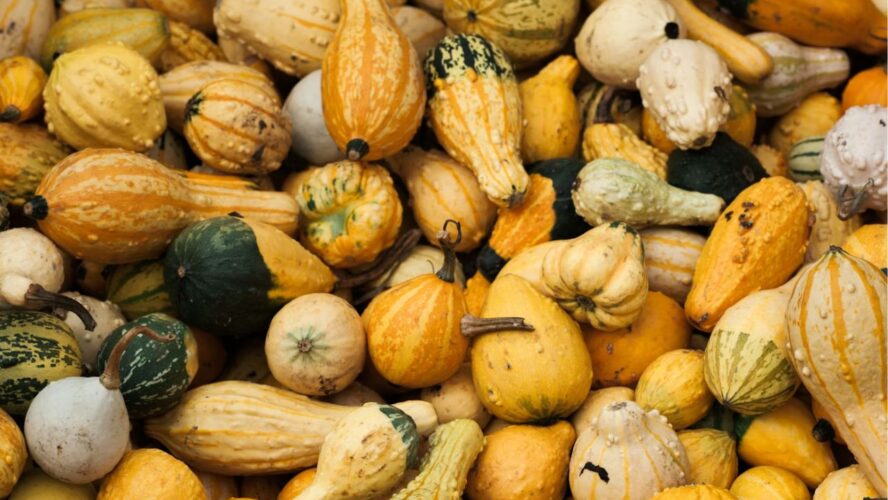
From acorn squash to kabocha, winter squash varieties are some of the most versatile, hearty, and delicious seasonal eats out there.
Boasting tons of flavor and endless preparation methods, winter squash are nutritious fruits (yep!) to nosh on all winter long.
Sign up for the newsletter for more delicious winter produce.
Winter Squash Facts
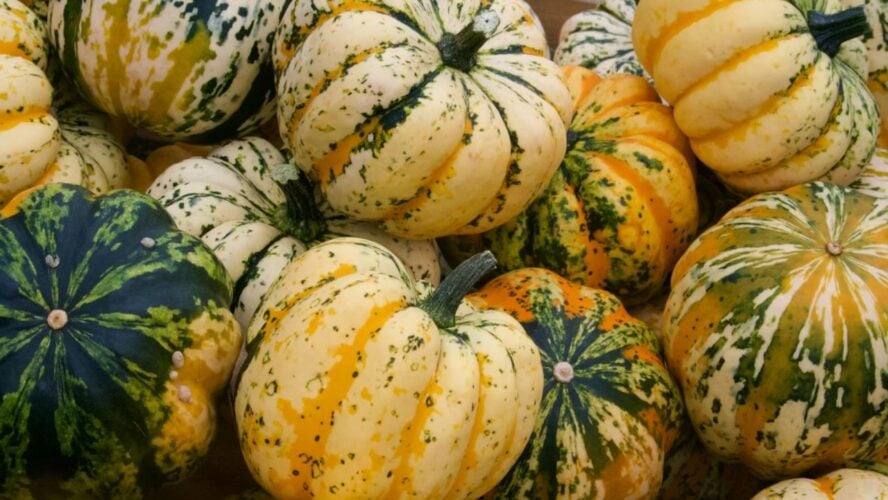
Unlike soft-skinned summer squash, winter squash have hard, protective skins, which makes them perfect for storing throughout the winter months. While harvested in the fall, winter squash gets its name for being a great addition to dinners throughout winter once properly stored – somewhere dark and cold, FYI.
There are several winter squash varieties all over the world. Some of which weigh upwards of 200 pounds once fully grown. For squash that grows in your area, head to local farmers’ markets, grocery stores, or farm stands and CSAs.
Health Benefits of Winter Squash
All varieties of winter squash are full of vitamins and minerals, including vitamins A, C, B6, B2, folate, magnesium, potassium, and iron.
They are also great sources of both insoluble and soluble fiber, both of which are necessary for optimal digestive functioning, lowering the amount of cholesterol in the blood, and keeping things regular. Just one cup of cooked acorn squash provides roughly six grams of dietary fiber, for example.
Winter squash is are rich source of antioxidants, compounds that help to reduce free radical oxidation and protect cells. Beta-carotene, an antioxidant found in winter squash, promotes immune system function, protects skin and eye health, and fights inflammation.
Here are five winter squash types you need in your life, plus our favorite ways to eat them.
1. Acorn Squash
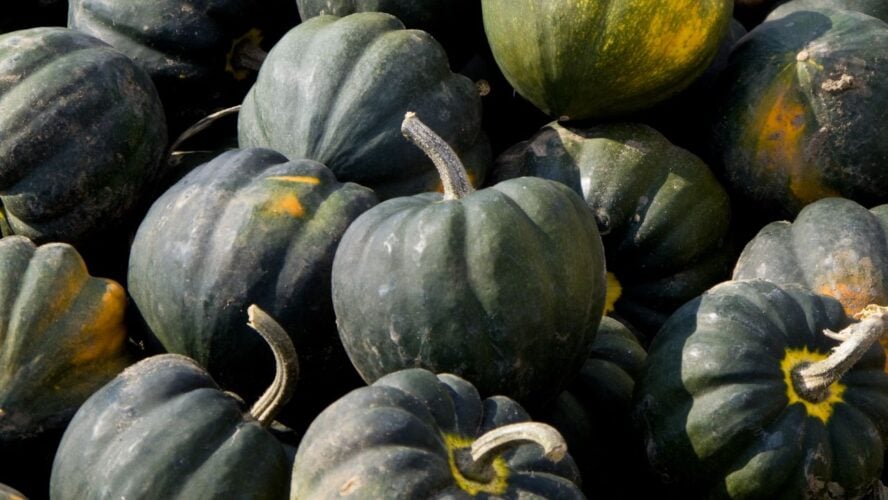
With a hardy acorn-shaped green exterior and vibrant yellow flesh, acorn squash is a delectable squash staple. Acorn squash has a nutty, yet mild flavor with creamy flesh. The skin of acorn squash is also edible.
Choose acorn squash with smooth and firm skin that feels heavy for its size. Unlike other varieties of winter squash, acorn squash is among the most perishable, and only lasts about a month in cold storage.
Cook your acorn squash by chopping it and roasting it in large chunks or halves. Many delicious recipes, like this vegan walnut-stuffed squash, bake ingredients into the squash. This roasted, stuffed acorn squash with farro, fennel, and feta is another delicious dinner.
2. Butternut Squash
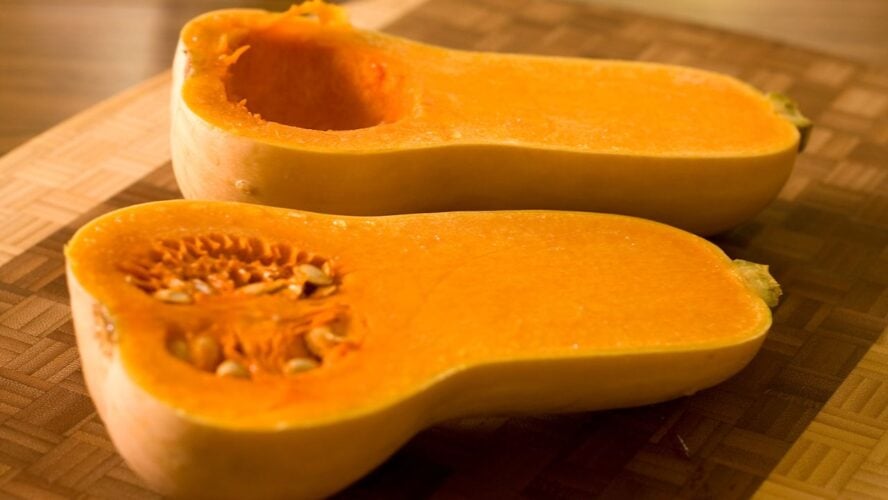
Butternut squashes are a staple during the colder months. With creamy and vibrant yellow flesh, butternut squash tastes nutty with a sweet caramel flavor.
Choose butternut squash without bruises or blemishes that feels heavy for its size. Skin should be creamy, pale, and free of soft spots.
Peel off the skin of a butternut squash, as it’s inedible. Once peeled, roast butternut squash in chunks to add to oatmeal, soups, chili, or grain salads. Roasted butternut squash is also delectable in soups, like this curried butternut squash soup. Even better, turn butternut squash puree into a pie or a sweet treat.
3. Delicata Squash
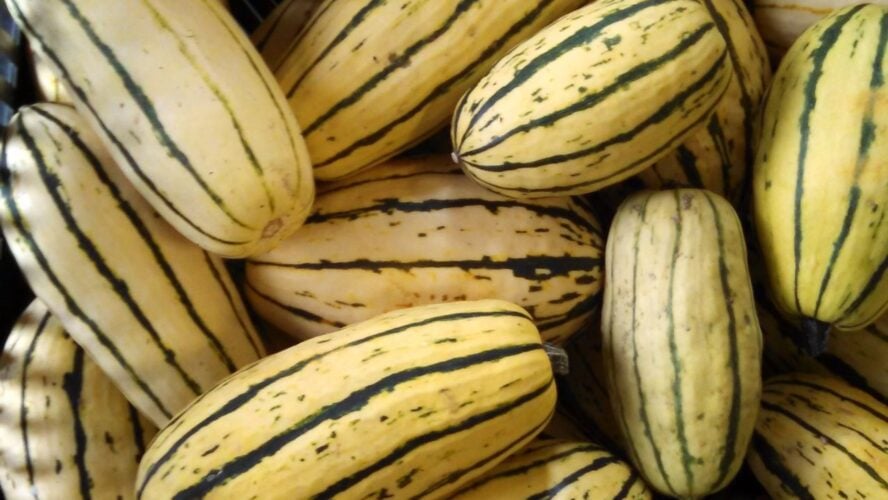
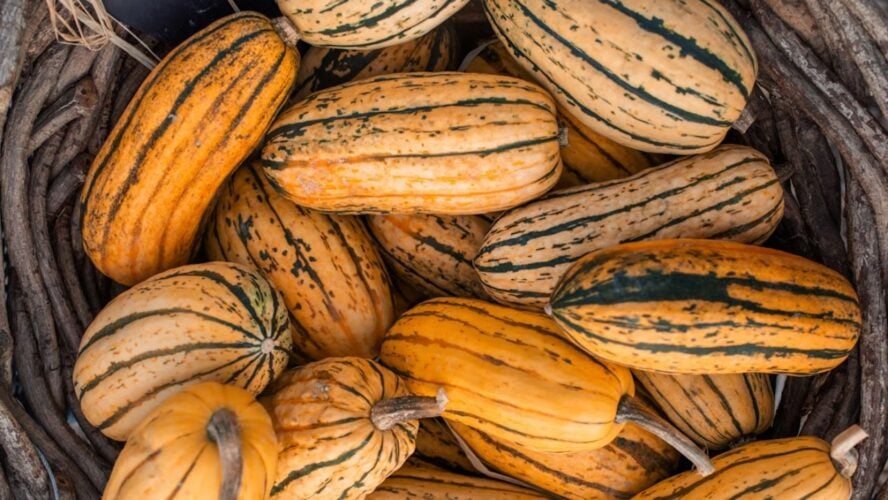
Delicata squash is another winter squash favorite. With edible skin and a sweet potato-like mild taste, this winter squash is great in practically every meal of the day.
Select delicata squash that are heavy for their size without soft spots or bruises. These oval-shaped squash can have cream to yellow-colored skin with orange or green stripes.
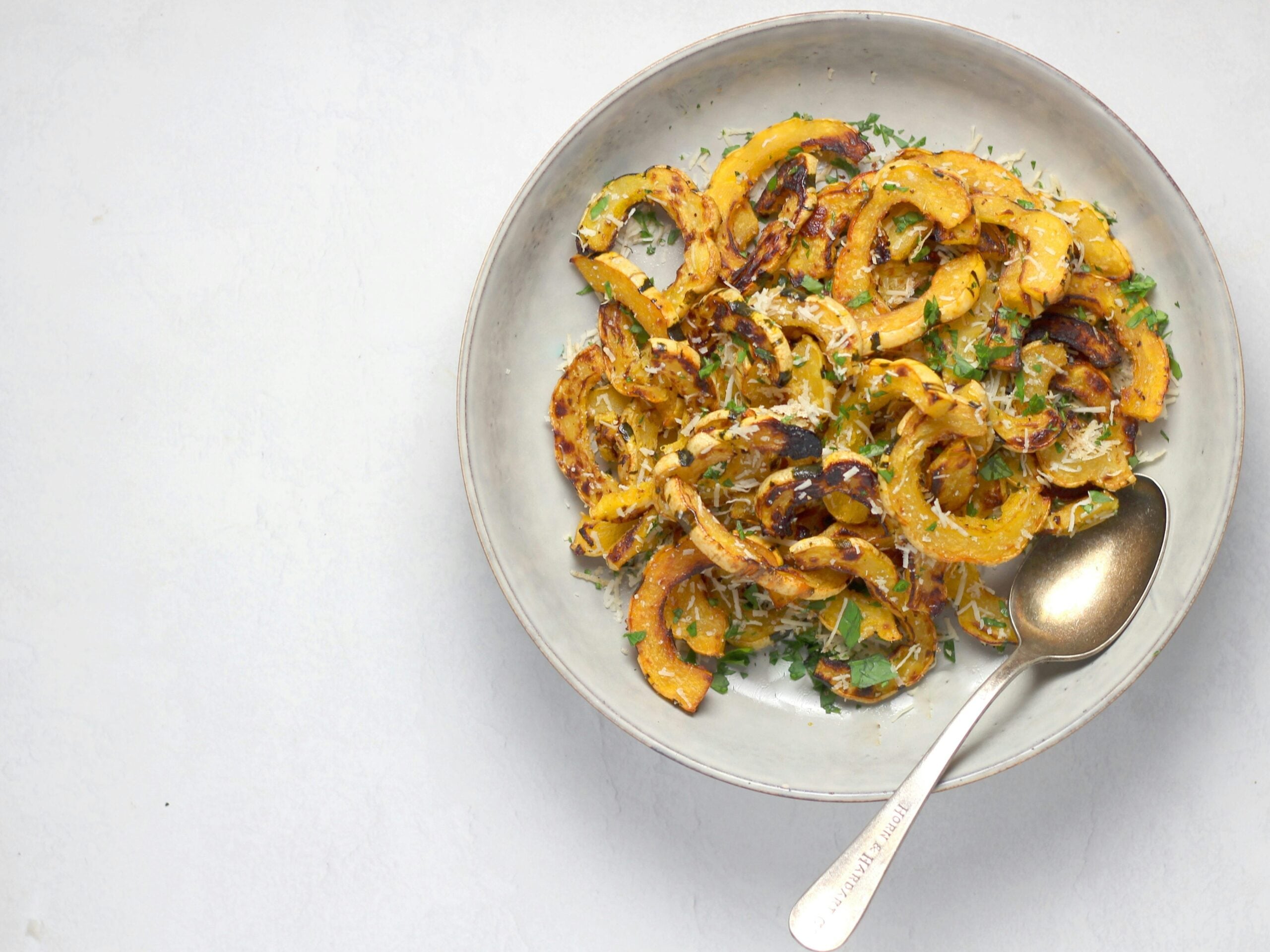
Cut the winter squash vertically and remove its seeds. Slice delicata squash into half-moon shapes and roast away. These roasted pieces are delicious in everything. Delicata squash is also delicious when baked and stuffed or added to chicken, orzo, and sage soup.
4. Hubbard Squash
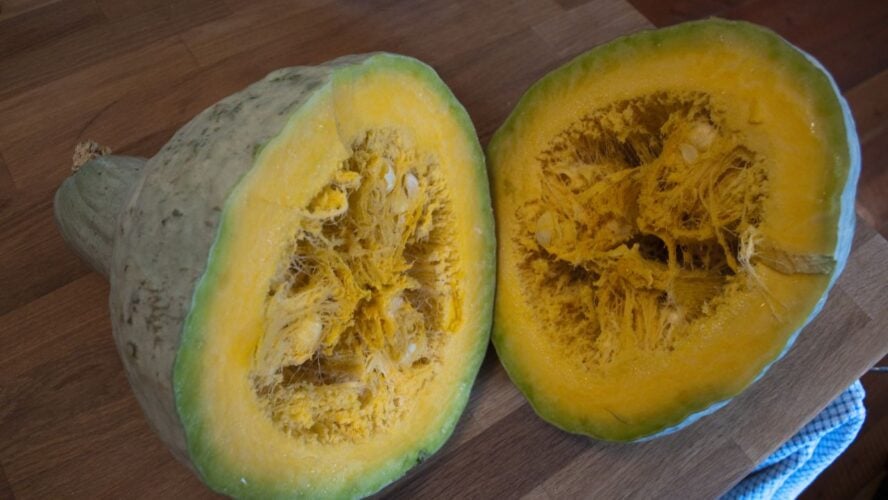
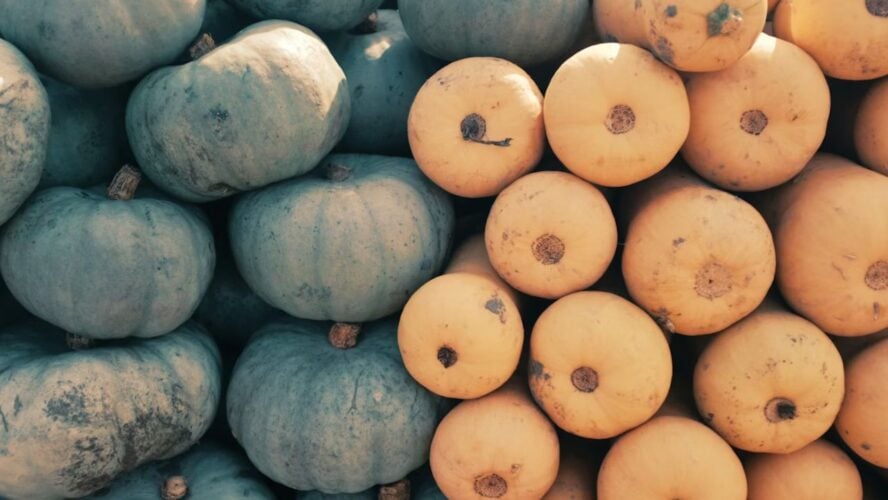
Resembling a large, grey, and bluish pumpkin, hubbard squash is one of the biggest winter squash varieties. Due to their large size, hubbard squash can be difficult to break down and process, but the tasty reward is certainly worth it.
Choose Hubbard squash without bruises or soft spots. Find a whole Hubbard squash at the farmers’ market or grocery store. You can also find them seeded and chopped up.
Hubbard squash has sweet flesh that resembles pumpkin, making it an excellent choice for pie and winter squash chocolate cake. There are a variety of ways to use this squash. Either roast it with a sprinkle of sea salt and cinnamon, puree it in soups, or toss it into salads or grain bowls.
5. Kabocha Squash
Resembling a small orange-yellow pumpkin, kabocha squash is a nutty and sweet winter squash suitable for so many recipes.
Choose kabocha squash without any bruising or soft spots with dull, not shiny skin. Like acorn squash, kabocha has a shorter storage life and will keep for about a month in a cold, dark place.
Kabocha squash is a delicious addition to curries, like this vegan Thai curry with coconut, and soups and stews. Like other winter squash varieties, roast, steam, puree, or add kabocha squash to practically everything.
15 Delicious Seasonal Squash Recipes and Why You’ll Love Them
7 Tips For Eating Local Food in the Wintertime
A Delicious Winter Harvest Guide to Eating Seasonally
5 Ways to Eat Local Food Even During the Winter


