


Iceland’s varied geography, with remote waterfalls, volcanic regions, and rugged coastlines, makes traveling by road practical for visitors wanting independence. Detours to secluded hot springs, glacier viewpoints, and scenic drives become possible at your own pace, unlike scheduled bus tours. With frequently changing weather and fluctuating daylight hours, having a flexible itinerary lets you adapt plans and maximize your sightseeing. Navigating car rental iceland allows access to areas beyond the reach of public transport, supporting a self-guided approach to Iceland’s distinctive natural sites.
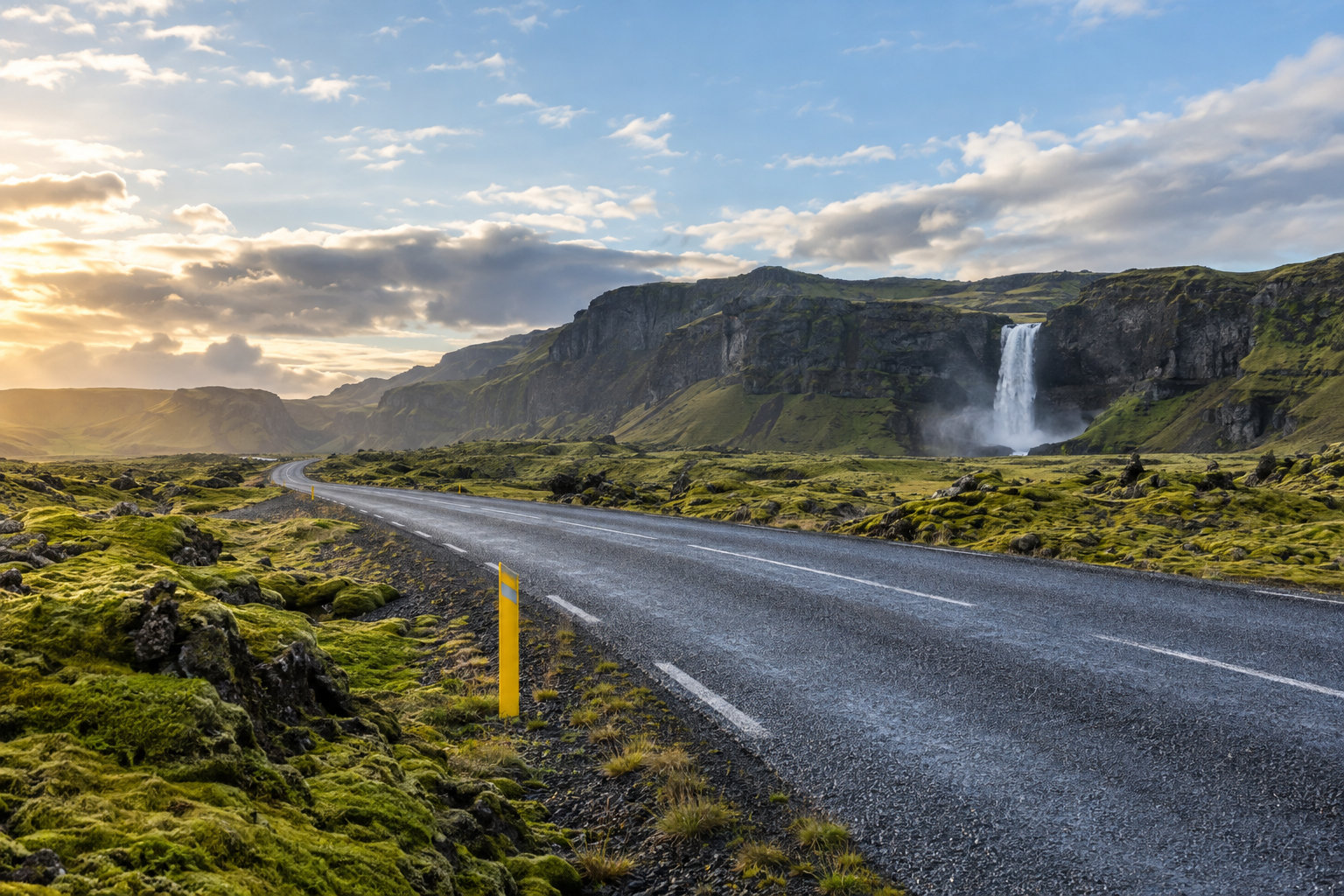
Driving unlocks access to remote natural sites
Iceland’s most renowned sites, such as large waterfalls, geothermal landscapes, and volcanic features, are often situated far from populated areas. Having your own vehicle makes it possible to visit these locations according to your own timetable, and opens up opportunities outside of traditional tour routes.
Access to coastal viewpoints, lava fields, or upland plateaus is often impossible without private transportation. Some routes remain accessible throughout the year, but many are affected by seasonal closures or weather hazards. Travelers should always check current road conditions before heading out, as unpredictable changes may affect accessibility.
Planning your route and daily schedule carefully
Limiting daily driving hours—four to five hours is generally advisable—can make journeys more enjoyable and comfortable, ensuring you have ample time to enjoy the scenery, stop at viewpoints, and explore without feeling rushed. Breaking up travel with scheduled stops can also prevent fatigue on longer drives.
Fuel stations and restaurants are rare in some rural parts of Iceland. Plan fuel and meal breaks in advance, and consider carrying snacks and extra water on more isolated routes. Keeping your vehicle’s fuel tank topped up whenever possible helps reduce the risk of being stranded in remote areas, especially when exploring less-visited sites.
Seasonal road factors and adapting your plans
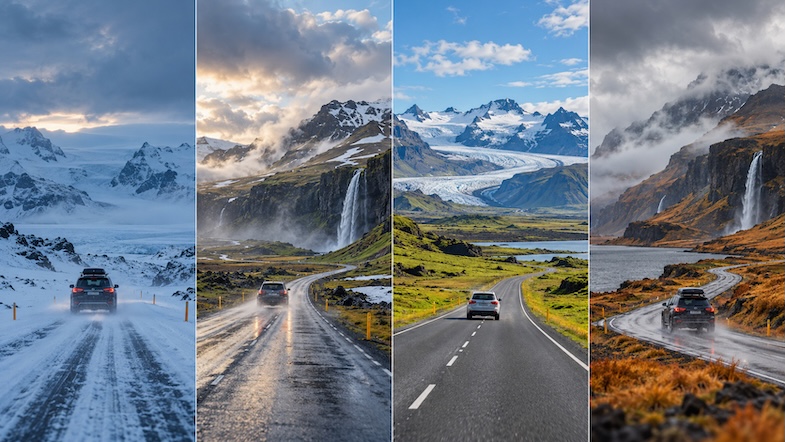
Each season affects Iceland’s road conditions and available daylight. During late autumn and winter, snow, ice, and limited daylight may close or restrict access to certain routes. Checking live road updates before and during travel is crucial for safety and timing adjustments. Be prepared for abrupt weather changes that may alter your driving plans unexpectedly.
Spring and autumn often bring unpredictable weather, including wind and rain. Most rental vehicles are fitted with the appropriate tires for the season, but it is still wise to adjust your expectations and travel plans to fit current conditions. Selecting the right vehicle type for your route and expected conditions contributes to both safety and comfort, especially in challenging weather or on unpaved roads. Flexibility remains key to making the most of your trip.
Iceland Road Trip: Essential safety tips and responsible exploration
Icelandic roads, particularly in rural areas, may be narrow and include single-lane bridges or sharp turns, with sudden wind gusts a possibility year-round. To stay safe, adjust your speed to the conditions, drive defensively, and remain vigilant for sheep, horses, and other hazards that can appear without warning. Reading and following local road signs and official advisories are essential steps for protecting yourself and those around you.
Travelers should stick to designated roads, use approved pull-offs for photos, and avoid driving onto sensitive terrain. Respecting marked boundaries not only safeguards Iceland’s fragile environment but also helps preserve the landscape for future visitors. Responsible driving ensures that both natural sites and local communities remain protected while providing a memorable experience for all.

