


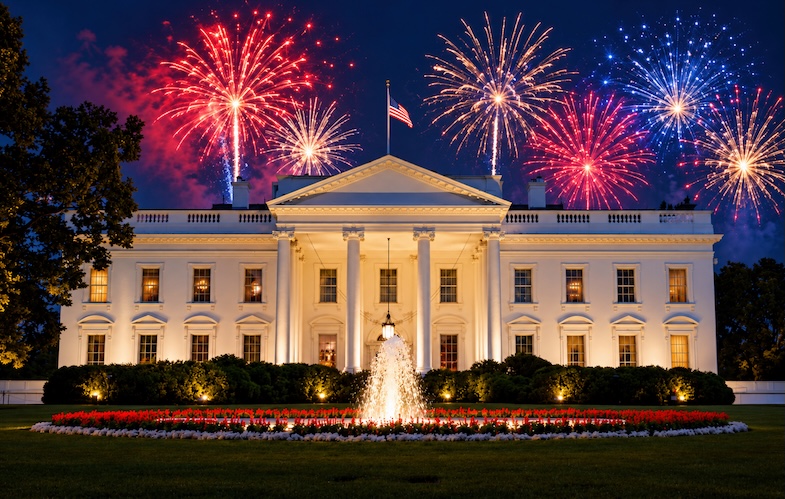
When you think of Washington, DC, you probably think of the White House or the Lincoln Memorial. And who could blame you? Those are some of the most recognizable landmarks in the U.S., but there’s so much more to the nation’s capital than its most famous monuments (as you’re about to see).
For example, did you know that Clara Barton once ran an office where she helped families find out what happened to soldiers who disappeared during the Civil War?
This isn’t some minor part of American history, and the good news is that you can still visit many of the places connected to the people who changed the direction of the entire country.
Where Washington, DC’s Lesser-Known History Comes to Life
Book a luxurious DC coach bus and get ready to see a whole new side of American history.
If you want to make sure you’re getting the best quality for this kind of service, then it’s best to go with a reputable company, such as US Coachways, simply because you’ll get a tried-and-tested, reliable service.
You really don’t want your trip or your sightseeing experience being ruined by stress and unexpected events.
Ford’s Theatre
You probably already know that Abraham Lincoln was shot at Ford’s Theatre on April 14, 1865. But not many people know what happened after John Wilkes Booth pulled the trigger.
Lincoln was watching a performance of ‘Our American Cousin’ when Booth got into the presidential box and shot him. They then carried the president across the street to the Petersen House, a boarding house.
He died there the next morning.
At the same time, Secretary of War Edwin Stanton coordinated the search for Booth from the same house, and you can visit both locations today.
President Lincoln’s Cottage
You’d expect a president to spend most of his time at the White House, but Lincoln liked to escape to his cottage that was several miles away, and he did it often. As soon as the weather warmed up, Abraham Lincoln and his family would stay at Soldiers’ Home to get some distance from the noise and pressure they dealt with in Washington.
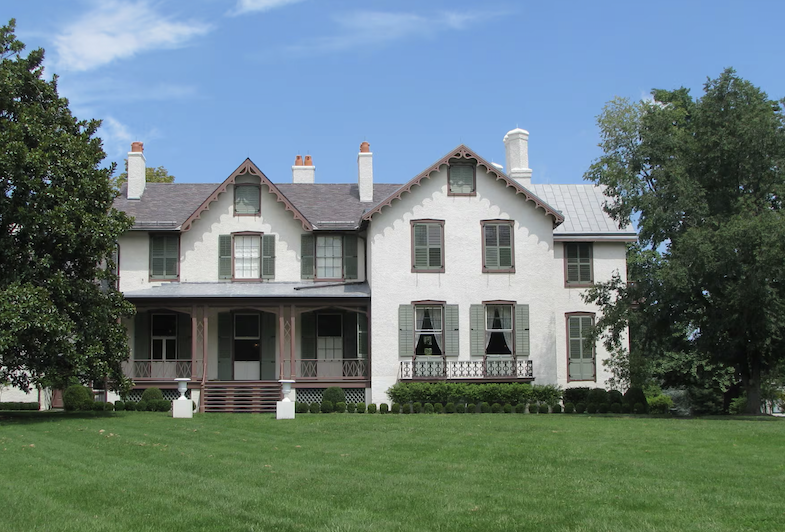
Of course, that didn’t exactly stop the Civil War, but Lincoln continued working and meeting people. The cottage is still there, and you can book a guided tour to explore it.
It’s pretty interesting, really, to see where such an important historical figure spent time away from the public.
Clara Barton Missing Soldiers Office
Imagine the Civil War just ended, but not every member of your family came home. Horrific, isn’t it? You don’t know what happened to them, and nobody can give you any answers.
That was the reality for thousands of Americans back in 1865.
Clara Barton, who later founded the American Red Cross, decided that she would do something about that. She set up an office on 7th Street in Washington, DC. There, she and her assistants went through military records and tracked down information about soldiers who were still missing.
Their work helped establish what happened to more than 22,000 men.
The strange thing about this place is that it was forgotten after a while, and it wasn’t until 1996 that it was rediscovered. It actually happened by accident, when workers came across it during renovations.
You can visit it now.
Belmont-Paul Women’s Equality National Monument
In 1920, women won the right to vote, but unfortunately, that still didn’t mean that they had equal rights in every other part of life as men. A lot of laws treated men and women differently, and a group of activists in Washington, DC, had had enough of it.
In 1929, the National Woman’s Party moved into a house close to the Capitol, and that house became their headquarters.Alice Paul worked there with other activists, and together, they were planning campaigns and pushing Congress to change discriminatory laws.
Today, you can go there and learn about the women who worked there and see materials from their campaigns.
Frederick Douglass National Historic Site
Frederick Douglass is famous for his speeches against slavery, but there’s much more to him than that. In 1877, Douglass moved into Cedar Hill in Washington, DC.
By that time, he was already one of the most influential Black Americans of all time.
He lived there for almost 20 years, and he continued his work toward equal rights. You can visit the house today and see a lot of his personal belongings and furniture. You’ll find all sorts of everyday knickknacks there, too.
Also, there’s a beautiful view of Washington from the property.
Conclusion
There’s absolutely nothing wrong with wanting to take pictures outside of the White House. The famous monuments are worth seeing because, after all, they’re famous for a reason. But don’t let that be all you do in Washington, DC.
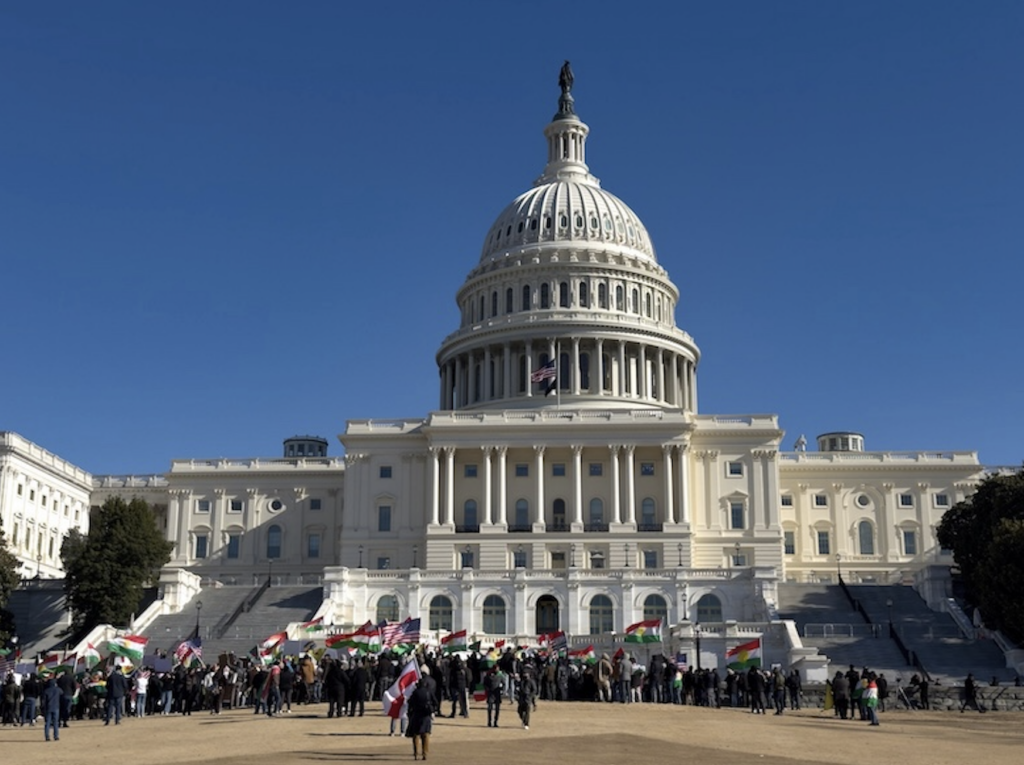
Not everyone who changed American history was a general or a president, so their stories usually don’t have enormous monuments.
But they’re still incredibly important, and they’re worth learning about. Next time you’re in DC, add a few of those places to your itinerary.

