


Cranberries are tart, festive, and often play center stage at many Thanksgiving and holiday tables. The rest of the year, they also have a regular place in many urinary health routines. But are cranberries good for you, really? Just like many other foods, whether these tart berries are healthy for you depends on their form more than anything.
As a registered dietitian, I have clients ask me every November whether they should choose fresh or canned cranberries, whether dried cranberries are good for daily use, and if cranberry juice can support urinary health. To answer these questions, I’ll cover the nutrition facts about each form of this berry in grocery stores today to help you decide if they’re are a healthy choice for you.
Cranberry Nutrition at a Glance
Let’s start by looking at cranberry nutrition facts. According to the USDA Nutrient Database, one cup of raw cranberries contains 46 calories, 12 g total carbohydrates, 3.6 g fiber, 4.27 g natural sugar, and 14 mg vitamin C (15% daily recommended value) with small amounts of vitamin A and the antioxidants lutein and zeaxanthin1.
This nutritional profile can change with the preparation method of cranberries though, which we’ll discuss a bit later. But first, let’s talk about some health benefits.
Health Benefits of Cranberries
Cranberries seem to be synonymous with urinary health, but that’s not all the benefits they can provide.
Urinary Health
Although studies on cranberries and the treatment of urinary tract infections (UTIs) are mixed, these red fruits may help in supporting overall urinary health. Health experts suggest that cranberry compounds like the polyphenol A-type proanthocyanidins (PACs) can result in mild acidification of urine and show potential to inhibit adherence of bacteria like E. coli to tissue surfaces2.
By helping the bacteria avoid sticking to the urinary tract cells, the A-type PACs in cranberries can help support UTI prevention3. The vitamin C content of cranberries, along with its antioxidant properties, can also help support urinary health and other areas of wellness4.
Heart and Metabolic Health
A 2024 review of 16 studies found that cranberry intake may help manage blood lipid and glucose levels. Those who consumed cranberry, with its rich fiber and antioxidant content, had a significant decrease in the total cholesterol to high-density lipoprotein cholesterol ratio (TC/HDL-C) and homeostasis model assessment of insulin resistance5. However, no specific dosage or frequency of intake was specified for the most benefit.
A 2022 study conducted on male subjects also looked at the effect of cranberry intake on vascular health. Study results found that those who consumed an equivalent of 100 g cranberries daily for one month had significantly improved flow-mediated dilation (FMD), which is a measure of endothelial function, or how well the inner lining of your blood vessels can relax and widen6.
Cancer and Cranberries
Some early studies show that the proanthocyanidin antioxidant compounds in cranberries may be able to play a role in tumor inhibition and inducing cell death in certain cancers like esophageal, neuroblastoma, ovarian, and prostate cancers7. Still, more studies are needed to confirm any findings surrounding cranberries and cancer.
Other Potential Benefits of Cranberries
Pure cranberry juice has also shown potential to support dental health. A 2026 study showed that compared to water, 100% cranberry juice intake significantly reduced plaque regrowth in both adults and children8. This result was not seen in 27% cranberry juice mixes.
There was also a 2026 study review that looked at the effect of cranberry intake on body mass index (BMI). Results show that those overweight adults over 50 years old that consumed cranberry powder for more than eight weeks had significantly reduced BMI9. Before any concrete conclusions are drawn from such results, however, larger studies should still be done.
Fresh vs. Dried vs. Cranberry Sauce: How They Compare
Now that you know the benefits, let’s dig into the nutrition facts across different forms of cranberries. There’s a notable difference between cranberry products, so staying informed can help you make the right decision when shopping this Thanksgiving and beyond10,11,12,13,14,15.
| Form (serving) | Calories | Fiber (g) | Total sugar (g) | Added sugar (g) | Key ingredients |
| Fresh cranberries (1 cup, whole) | 46 | 3.6 | 4.27 | 0 | Cranberries |
| Original Craisins (1/4 cup) | 130 | 3 | 29 | 26 | Sugar, cranberries |
| 50% Less Sugar Craisins (1/4 cup) | 100 | 13 | 14 | 11 | Cranberries, sugar, soluble corn fiber, glycerin, sucralose |
| Canned jellied sauce (1/4 cup) | 120 | 1 | 22 | 20 | Cranberries, high fructose corn syrup, corn syrup, water |
| Canned whole berry sauce (1/4 cup) | 110 | 1 | 23 | 22 | Cranberries, high fructose corn syrup, corn syrup, water |
| Homemade fresh cranberry sauce (1/4 cup) | 103 | 1.7 | 24 | 22 | Cranberries, sugar, water |
As you can see, while fresh cranberries are low in calories and sugar, certain products like canned jellied sauce include ultra-processed additives like high fructose corn syrup and corn syrup.
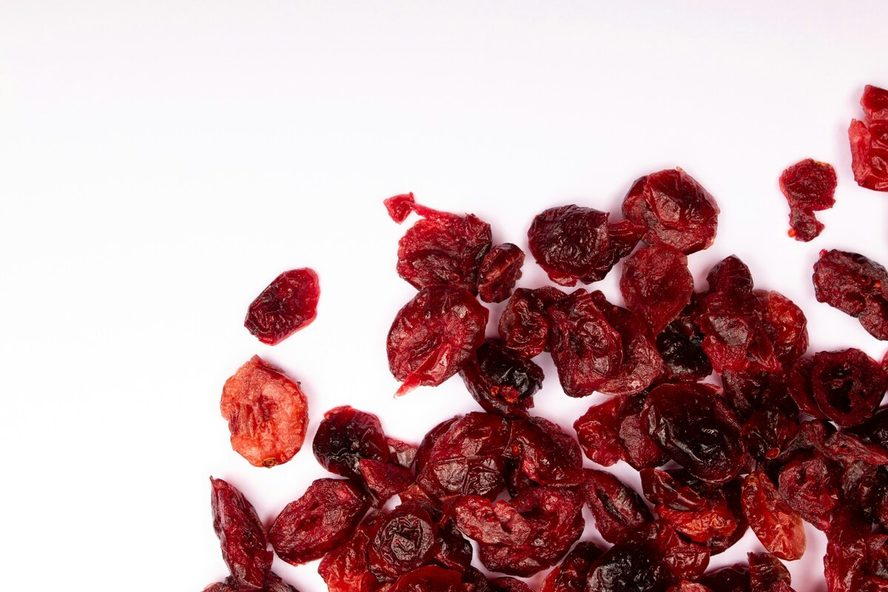
Are Craisins good for you? Well, if you’re looking for a clean label cranberry product, they fit the bill, as they’re made purely from fresh cranberries and sugar. However, they’re not great if you’re looking to minimize your sugar intake. The 50% less sugar Craisins offer an option with less added sugar than Original Craisins by instead relying on soluble corn fiber, glycerin, and sucralose. Alternatively, you can look for an unsweetened dried cranberry product.
Are Dried Cranberries Good for You?
Beyond specific branded products, are dried cranberries good for you? Dried cranberries are a fiber-rich fruit source that can be easily consumed on their own, in trail mixes, sprinkled on salads, or used in baked goods. They also taste great with other fruits, like in this cranberry and apple crisp or paired with orange in these scones.
For optimal nutritional value without too much sugar, look for dried cranberry options that are either unsweetened or sweetened with natural juices versus high amounts of added sugar. And if you choose to incorporate dried cranberries into your daily routine, stick to a ¼ cup portion to reduce total sugar intake and pair with protein or healthy fats, like nuts, seeds, or cheese, for example.
Note that although dried cranberries do generally tend to contain sugar, it’s an important addition if you don’t love the natural tartness of cranberries but still want to reap their health benefits. In their raw form with no added sugar, cranberries can be extremely sour, which may deter you from eating enough of them to reap health benefits.
Is Cranberry Sauce Healthy?

Is cranberry sauce healthy? Well, looking at the cranberry sauce nutrition facts, it’s clear that whether you choose canned whole berry sauce, canned jellied sauce, or make homemade cranberry sauce from fresh fruit, there isn’t a huge amount of variation in the nutrients on offer. The difference is the ingredient list. Homemade sauce will simply be made from table sugar, fresh fruit, and water, versus having any added sugar from high fructose corn syrup or other additives (which store-bought sauces often do).
If you don’t want to go to the effort of making your own sauce at Thanksgiving (we don’t blame you!), it’s best to simply limit sugar intake by sticking to a certain portion size where possible. Most cranberry sauce recipes and products suggest ¼ cup as a serving size, which I would agree is a healthy portion that will add flavor to your plate without overdoing it on the sugar.
Healthy Tweaks to Classic Cranberry Sauce
If you want to try and jazz up your sauce and potentially add a bit more nutritional value, try one of these healthy cranberry sauce swaps:
- Add a citrus twist: Use a grater to add in some orange or lemon zest to your sauce recipe for a bold color and a bright citrus flavor. One teaspoon should be enough to give you that citrus punch without overdoing it. Don’t be afraid to get creative, too — you can get a bit of zing from this version with pomegranates and persimmon.
- Mellow the tartness: Replace about ¼ cup sugar in your basic cranberry sauce recipe with ¼ cup maple syrup for a more caramel flavor profile with slightly less sweetness. Reduce the water by a few tablespoons to maintain thickness of the sauce.
- Lower overall sugar: If you want to lower the overall sugar content of your sauce, you can replace half of the sugar in your standard sauce recipe with stevia16. Just be aware that stevia may add a bitter aftertaste, so you may want to include a bit of orange zest or maple syrup to this version as well to mask any bitterness.
And of course, if cranberry sauce is your absolute favorite part of a Thanksgiving dinner, don’t feel too much pressure to restrict yourself! Holidays don’t come around every day, and it’s absolutely not a bad thing to enjoy a festive meal.
Can You Eat Raw Cranberries?
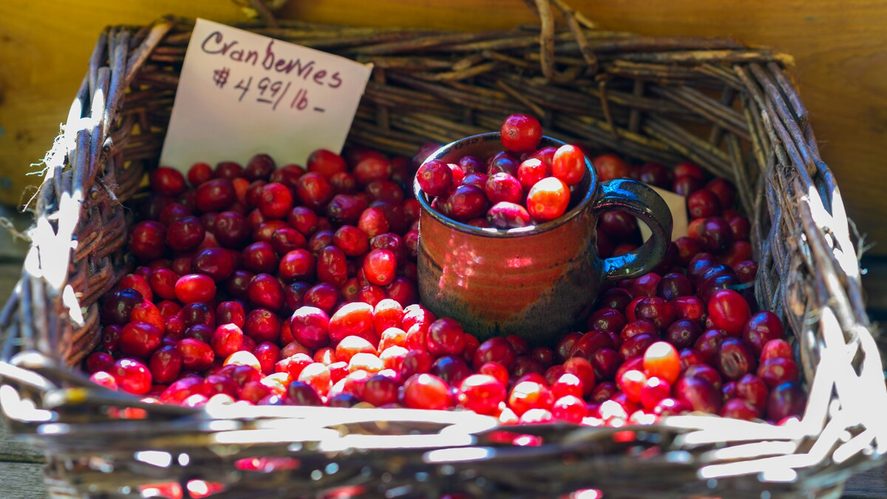
If you’re worried about the sugar content of cranberry products but still want to reap the benefits of this unique fruit, you may wonder “Can you eat raw cranberries?” Well, the answer is yes. But as a warning, they will be very tart without added sugar. To skip the pucker, here are a few simple tips on how to eat fresh cranberries:
- Blend into smoothies or shakes: To help offset the tart flavor of raw cranberries, try adding them to a smoothie with fruits like banana, chopped apples, or pineapple.
- Chop into relish recipes: Keep your berries sweet by pulsing them in a food processor with chopped orange and orange zest, chopped apples, and walnuts along with sugar or maple syrup. Or, if you like a savory relish, combine diced bell pepper and jalapeno peppers with pulsed or diced cranberries, diced onion, maple syrup, lime juice, and a pinch of salt. Use your relish on fish, chicken, or tacos for a unique sweet and spicy flavor addition.
- Freeze cranberries for recipes: If you’re not sure what to do with leftover fresh berries, simply freeze them in a freezer-safe container or bag and save them for later. When you’re ready to use them, you can add them to muffin, cake, or bread recipes for a fruity and fluffy treat.
Frequently Asked Questions
To reap their health benefits, enjoy about a cup of fresh or frozen cranberries or ¼ cup of unsweetened dried cranberries daily.
Pros: Cranberries are a good source of dietary fiber and contain a great source of antioxidants like vitamin C and polyphenols.
Cons: Most cranberry products are heavily sweetened with sugar or high fructose corn syrup. People taking blood thinners like warfarin or certain cholesterol-lowering or blood pressure medications, or those with a history of kidney stones should check with their doctor before eating cranberry products17.
Unsweetened dried cranberries are generally a healthy snack, but you can still reap fiber and antioxidant benefits from sweetened ones. If you opt for sweetened dried cranberries but are concerned about the sugar intake, aim to keep your portion size to no more than ¼ cup and pair with protein-rich and/or foods with healthy fats like nuts or yogurt.
Both fresh cranberries and blueberries are rich in dietary fiber and antioxidant compounds, but blueberries are naturally sweeter, which makes fresh blueberries easier to eat without added sugar.
Yes, you can freeze fresh cranberries or homemade sauce for months.
Cranberry sauce can provide some of the benefits of fruits with its fiber and antioxidant content, but it’s more of a condiment than a fruit serving.
The Bottom Line: Which Cranberries Should You Eat?
The rich antioxidant profile of cranberries make it a great addition to any healthy lifestyle. Just remember that fresh and frozen is best when it comes to optimal cranberry nutritional value. Unsweetened dried cranberries can also be a great option to have in your pantry to add to dishes like salads and oatmeal for added antioxidants.
When it comes to sauce, try to opt for homemade cranberry sauce so you can control how much sugar and sweetener goes into the final product. Leave sweetened dried cranberries and canned sauce options for the occasional treat now and then, but not as a daily staple in your diet.
Sources:
- https://fdc.nal.usda.gov/food-details/171722/nutrients
- https://www.ncbi.nlm.nih.gov/books/NBK588846/
- https://pubs.rsc.org/fo/article/17/10/4312/1223877/Urinary-track-health-benefits-and-phytochemical
- https://pmc.ncbi.nlm.nih.gov/articles/PMC11939606/
- https://pmc.ncbi.nlm.nih.gov/articles/PMC10974925/
- https://pubs.rsc.org/fo/article/13/7/3812/768660/Daily-consumption-of-cranberry-improves
- https://www.mdpi.com/2076-3921/5/3/27#Conclusions
- https://www.nature.com/articles/s41598-026-56025-3#Sec5
- https://pmc.ncbi.nlm.nih.gov/articles/PMC13168531/
- https://fdc.nal.usda.gov/food-details/171722/nutrients
- https://www.oceanspray.com/products/craisins-original-dried-cranberries-6-oz
- https://www.oceanspray.com/products/craisins-50-less-sugar-dried-cranberries-5-oz
- https://www.oceanspray.com/products/jellied-cranberry-sauce-14-oz
- https://www.oceanspray.com/products/whole-berry-cranberry-sauce-14-oz
- https://www.oceanspray.com/recipes/fresh-cranberry-sauce
- https://www.oceanspray.com/recipes/low-sugar-cranberry-sauce
- https://www.merckmanuals.com/en-ca/home/special-subjects/dietary-supplements-and-vitamins/cranberry#Side-Effects_v61151272