



Fifty-seven million people around the world are affected by dementia, according to the World Health Organization — and recent research published in the Lancet shows these numbers are only likely to grow1. But your chances of cognitive decline may be mitigated by what you eat, according to a study published in JAMA in June2. Researchers found more evidence that an anti-inflammatory diet could reduce the risk of Alzheimer’s, and they also discovered a new, exciting piece of the puzzle: Diet can make a difference even for those who are biologically at risk of developing the disease.
“The anti-inflammatory dietary pattern was associated with a lower risk of developing dementia even among people whose blood already showed elevated biological markers associated with Alzheimer’s disease and neurodegeneration,” explains Lorraine Kearney, RDN, CDN, Founder of New York City Nutrition, who was not involved in the new study. ”It suggests that the window to support brain health may not be closed once these biological changes begin accumulating.”
The study’s corresponding author, Anja Mrhar, who is a researcher and a PhD student at University of Ljubljana, still notes that the nature of the study was observational. “It cannot prove that changing diet will improve prognosis or prevent dementia, including among people with early biological signs of disease,” she says. “That said, the findings are consistent with the broader view that diet quality remains relevant for brain health.”
Anti-Inflammatory Foods Significantly Reduce the Chance of Alzheimer’s Disease
The researchers behind this new study relied on data from the 15-year Swedish National study on Aging and Care in Kungsholmen. The study followed participants aged 60 and older for 15 years, with follow-ups every three to six years. Of the 1,865 participants, 240 developed dementia during this period.

The researchers used blood biomarkers to ascertain participants’ biological risk of developing Alzheimer’s disease. They also evaluated their diet based on three different patterns:
- The Alternate Mediterranean Diet: Includes a higher intake of fruits, vegetables, legumes, nuts, whole grains, and fish, a moderate alcohol intake, and lower intake of red and processed meats
- The Alternative Healthy Eating Index: Includes vegetables, fruits, whole grains, nuts and legumes, long-chain omega-3 fats and polyunsaturated fats, with reduced intake of sugar-sweetened beverages, red and processed meat, trans fats, and sodium
- The reversed Empirical Dietary Inflammatory Index (rEDII): Includes a more evident focus on the inflammatory potential of a given food, plus an emphasis on more vegetables, tea, and coffee, and less red and processed meat, refined grains, and soft drinks
Observations Based on the Dietary Patterns
Of the three diets, rEDII appeared the most impactful. For those with elevated levels of Alzheimer’s biomarkers, higher scores on rEDII were linked to a 21% to 29% lower dementia risk. Could this be the best Alzheimer’s prevention diet?
For experts not involved in the study, these results aren’t necessarily surprising, but they do represent more progress in our understanding of Alzheimer’s disease and diet. For Dr. Rab Nawaz Khan, M.D., a Neurologist with over 10 years of clinical experience currently working as a stroke physician at MyMigraineTeam, “the [results] are still meaningful.”
“We already know that vascular health, inflammation, diabetes, and diet quality are closely tied to brain aging,” he explains. “What is interesting here is that a lower inflammatory diet was linked with lower dementia risk even among people with blood biomarkers suggesting higher Alzheimer’s or neurodegenerative risk.”
This, according to Melanie Murphy Richter, MS, RDN, a longevity and metabolic health expert with L-Nutra, “reinforces that our daily food choices aren’t just about prevention early in life, but may continue to influence how we age, even after changes have already begun.”
The Biggest Takeaway: You Can Change Your Alzheimer’s Fate
For Liz Dene, nutrition scientist and Senior Lecturer in Nutrition at Torrens University Australia, the link between general inflammation and brain health is a crucial takeaway. “The findings also reinforce the growing understanding that chronic low-grade inflammation is an important contributor to brain ageing and neurodegenerative disease,” she says.
Richter agrees. “Chronic inflammation is one of the hallmarks of aging and is connected to so many of the chronic diseases we see today, including cognitive decline,” she says. “It’s also why I’m excited by the growing body of research around targeted nutrition. We know that daily eating patterns matter, but we also have evidence that strategic nutritional interventions can influence many of the same biological pathways.”
Above all, Khan says, “The most important point is that Alzheimer’s biology is not always destiny.”
What Is a rEDII Diet?

There is quite a lot of overlap in the three different diets that the researchers examined for this study. Specifically, they all highlight the importance of consuming vegetables, legumes, nuts, and healthy fats and limiting processed foods. Indeed, for Dr. Jeremy W. McMeen, an optometric physician and independent researcher with 30+ years in practice, the difference isn’t necessarily one of content but one of framing.
“A Mediterranean-style diet (which was represented in this study as AMED), consists of a certain combination of foods: olive oil, fish, vegetables, whole grains and limiting red meat,” he explains. “The rEDII is quite different.”
While the Mediterranean diet describes a set of eating patterns native to a specific region of the world that just so happens to focus on anti-inflammatory foods and limit inflammatory ones, rEDII measures the actual impacts of various foods on measurable indicators of inflammation in the blood.
“Instead of saying ‘Does this appear Mediterranean?’; it says, ‘Did this food in studies elevate or reduce inflammatory markers in the blood?’” he explains. “I find this a crucial distinction and believe it’s another reason I found this aspect of the study particularly fascinating: this was the first time that an index that measures anti-inflammatory effects on blood markers (like IL-6 & TNF-alpha) was shown to be more strongly related to lowered dementia risk in the higher risk population than an index of a Mediterranean style diet.”
The distinction, according to Richter, matters — especially in the context of this study. “The Mediterranean diet remained beneficial, but the dietary pattern with the lowest inflammatory potential showed the strongest and most consistent associations among people who already had elevated Alzheimer’s biomarkers,” she explains. “That reinforces the growing understanding that inflammation is one of the major drivers of aging itself.”
How to Reap the Benefits of These Findings
If you haven’t already embraced the anti-inflammatory benefits of foods like turmeric (and put aside proven inflammatory foods like processed meat), now’s a great time to start. But for our experts, these findings go deeper than just a few seemingly magic bullets.
“The overall quality of the diet and the foods we eat consistently over time may matter more than any single ‘superfood,’” says Kearney. She reminds us that this can and should take the pressure off making your anti-inflammatory diet perfect.
“When I work with clients, I often explain that there are ‘most-of-the-time foods’ and ‘some-of-the-time foods,’” she explains. Just knowing which foods fall into which category can help you make informed decisions that contribute to lower general inflammation and a better chance of reducing cognitive decline. And remember, the benefits of an anti-inflammatory diet go beyond reducing Alzheimer’s risk, so it’s a worthy pursuit no matter what.
Eat More Anti-Inflammatory Foods
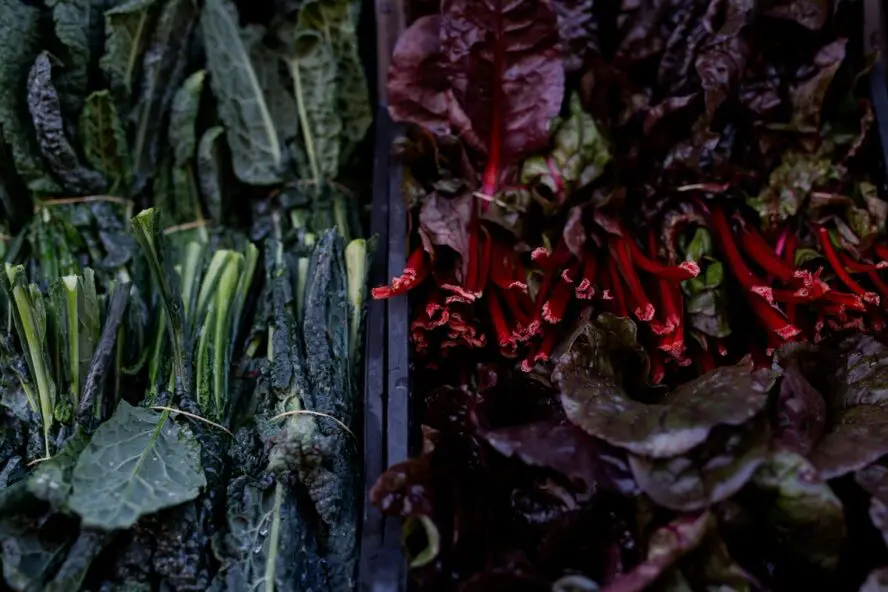
Whenever possible, make sure that most of your plate is filled with foods boasting proven anti-inflammatory benefits. “These foods support vascular health, gut health, and lower inflammatory burden, all of which matter for the brain,” explains Khan.
Anti-inflammatory foods include bright or deeply colored fruits and vegetables like leafy greens and berries — the latter of which, Dene explains, “are particularly rich in polyphenols and anthocyanins, which have been associated with improved memory, executive function, and slower age-related cognitive decline.”
“More broadly, a diet rich in colourful fruits and vegetables provides antioxidants and phytochemicals that help protect the brain from oxidative stress and inflammation,” she adds.
Next up, focus on your protein sources. Pulses like beans and lentils join omega-3-rich fish as excellent options.
“Emphasis should be placed on regularly consuming oily fish such as salmon, sardines, mackerel, trout, and herring, which provide the long-chain omega-3 fats EPA and DHA,” says Dene. “These omega-3s are major structural components of brain cell membranes and play important roles in neuron signalling, neuroplasticity, and maintaining healthy cerebral blood flow. They also have well-established anti-inflammatory and neuroprotective properties, which may help counter some of the inflammatory processes associated with cognitive decline and Alzheimer’s disease.”
To this list, add nuts and seeds, which also contain healthy omega-3 fats, as well as whole grains and extra-virgin olive oil. Finally, don’t forget about the extras. “Coffee and tea also fall on the anti-inflammatory side of the dietary index, while herbs and spices provide additional beneficial plant compounds,” adds Kearney.
Up Your Fiber
Adding loads of colorful produce to your diet will naturally increase your fiber intake, but that’s a lesson that bears repeating. “Only about 5% of American adults meet recommended daily fiber intake levels, with adults consuming an average of approximately 17 grams per day,” explains Kearney. Fiber is crucial for brain health, so it’s always good to prioritize.
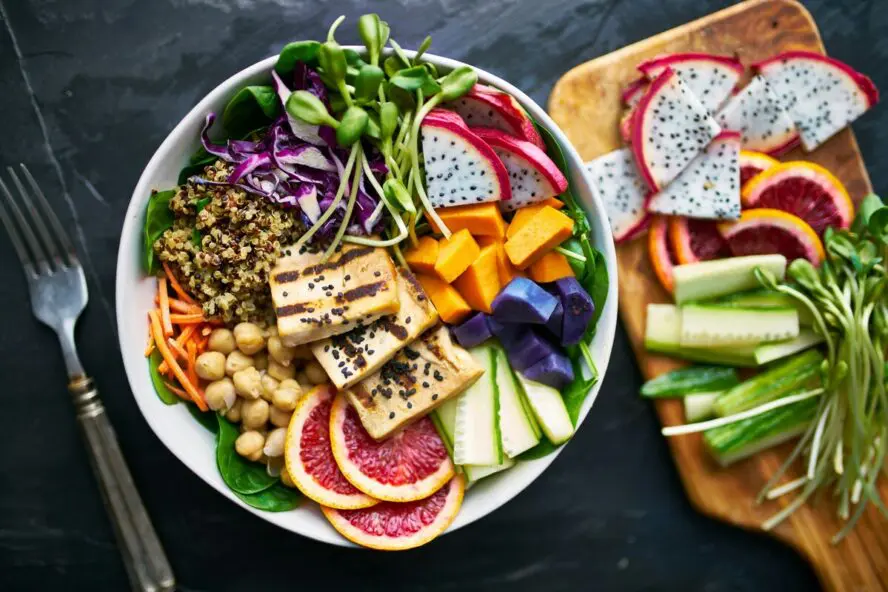
“Fiber supports a diverse gut microbiome and the production of beneficial short-chain fatty acids, which help maintain the integrity of the intestinal barrier and regulate immune and inflammatory pathways,” she explains. “Emerging research continues to explore how these pathways may also influence cognitive health through the gut–brain axis.”
Reduce Your Consumption of Inflammatory Foods
While you’re focusing on eating your colors and fatty fish, it’s also important to do the reverse. Pay close attention to reducing your consumption of what Kearney categorizes as “sometimes foods.” These include foods with proven inflammatory potential, like processed meats, red meat, sugary drinks, refined carbohydrates, fried foods, and highly processed snacks. When it comes to dementia, foods to avoid are nearly as important as foods to include in your diet.
Reduce the Inflammatory Potential of Your Lifestyle
While this study focused on the effects of diet specifically, our experts also noted another potential takeaway.
“What stood out to me is that the real story isn’t necessarily the Mediterranean diet itself; it’s inflammation,” explains Rachel Lambert, a Licensed Professional Counselor and Board-Certified Neurofeedback practitioner, and the Founder of Braincode Centers. Importantly, she says, diet is “certainly one of the most powerful tools we have for doing that, but it’s not the only one.”
Dene agrees, recommending that people get enough physical activity, quit smoking, and reduce excessive consumption of alcohol. For Lambert, meanwhile, chronic stress is a crucial part of the puzzle that “fuels many of the same inflammatory pathways.” She recommends a focus on sleep hygiene, stress management, and breathwork.
“The encouraging part,” she says, “is that both (diet and lifestyle) are things we can actively work on, and even small, consistent changes can make a meaningful difference over time.”
Sources:
- https://www.thelancet.com/journals/lanpub/article/PIIS2468-2667(21)00249-8/fulltext
- https://jamanetwork.com/journals/jamanetworkopen/fullarticle/2850780?guestAccessKey=1b34668e-afe8-4888-aa3d-dd05b3b83eff