


Add Us as a Google Trusted Source
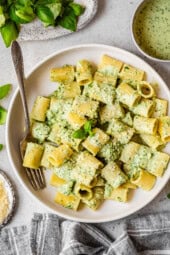
This easy Creamy Pesto Pasta with cottage cheese is a great way to increase protein without adding many calories. Since it’s blended until smooth, you can’t even taste it once it’s mixed with the basil pesto.
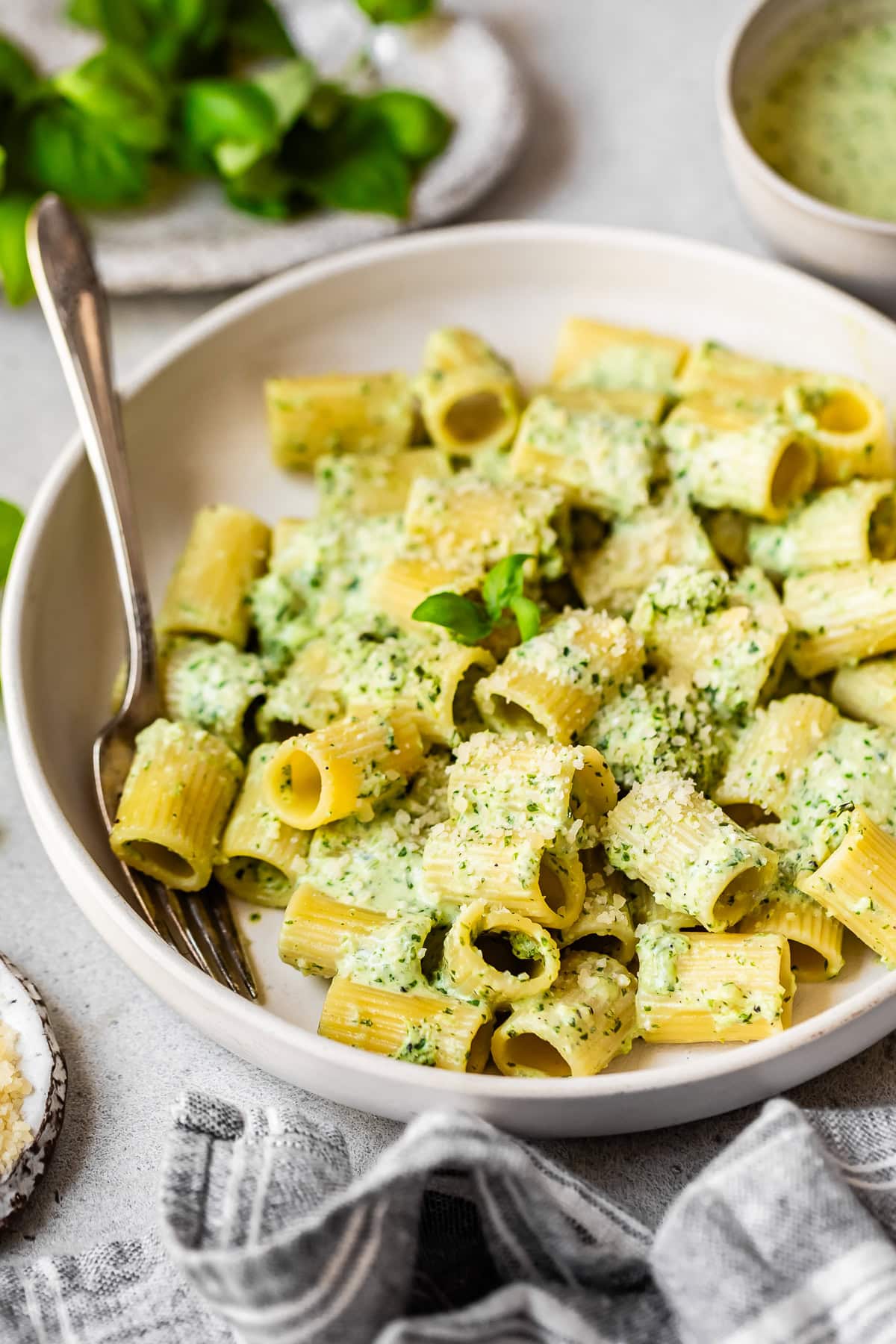
Cottage Cheese Pesto Pasta
Since adding cottage cheese to my cottage cheese pasta sauce, I was curious how it would taste with pesto. My husband and daughter are never on board when I tell them there’s cottage cheese in anything I’m making, so I wasn’t expecting them to love this cottage cheese pesto pasta as much as they did! The cottage cheese blends seamlessly into the pesto, making the sauce extra creamy while adding extra protein. Of course, they still have no idea I added cottage cheese, and, the way I see it, they never need to know.
Why You’ll Love This Secret Ingredient

If you want to add a protein boost and achieve an ultra-smooth texture without the high calories of traditional heavy cream or excess oil, this healthy creamy pesto pasta is your new go-to.
- Texture: When blended, cottage cheese transforms from curdy to silky smooth, mirroring the consistency of a high-end Alfredo sauce.
- Nutrition: It turns a standard bowl of pasta into a much more satiating meal, thanks to the significant increase in protein (14.5 grams per serving!).

Ingredients You’ll Need
This simple pasta dish has 3 main components: pasta, cottage cheese, and basil pesto. Refer to the recipe card below for exact measurements.
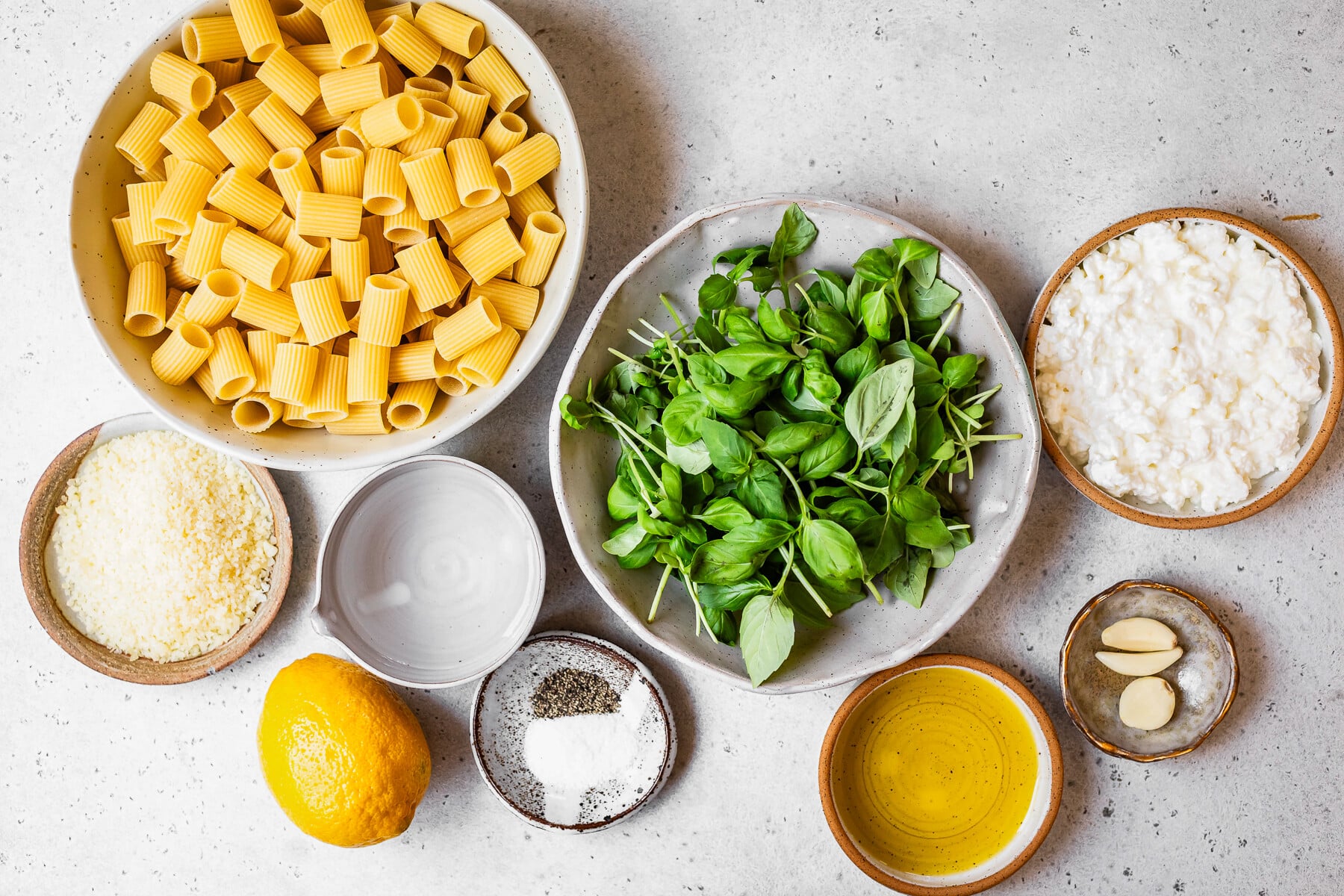
- Pasta: I used mezze rigatoni (short tubes), but any pasta shape will work.
- Low-fat cottage cheese: Good Culture is my go-to since it’s thicker than most other brands.
- Garlic: Use 2 or 3 cloves, depending on their size and how strong of a garlic flavor you want.
- Fresh basil is my favorite herb during the summer.
- Liquid: Water and olive oil help thin the sauce.
- Cheese: Use Parmesan or Pecorino Romano in the pesto, and save some to grate over your pasta before serving.
- Lemon juice also thins the sauce and adds bright acidity.
- Kosher salt and black pepper for simple seasoning
How to Make Creamy Pesto Pasta
Don’t forget to save the pasta water! While it boils, grab a measuring cup or mug and place it by the pot as a visual reminder. The pasta water helps create a silky, smooth sauce. See the recipe card at the bottom for printable directions.
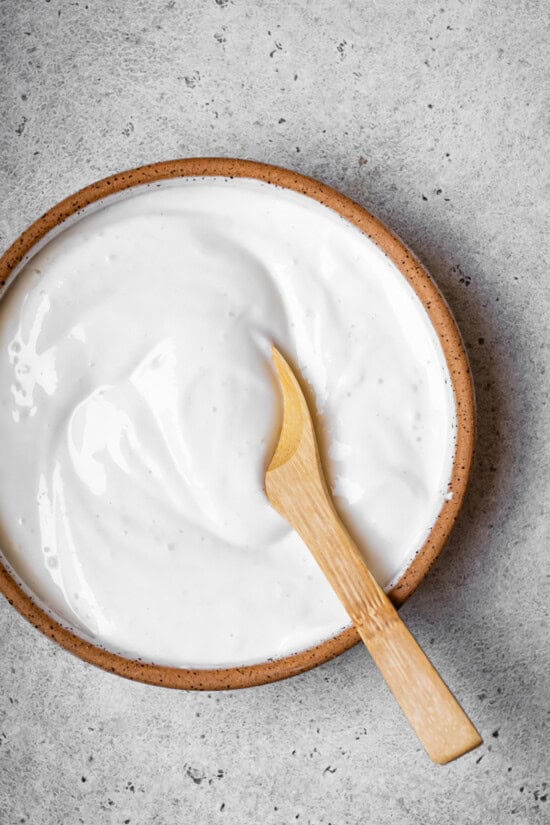
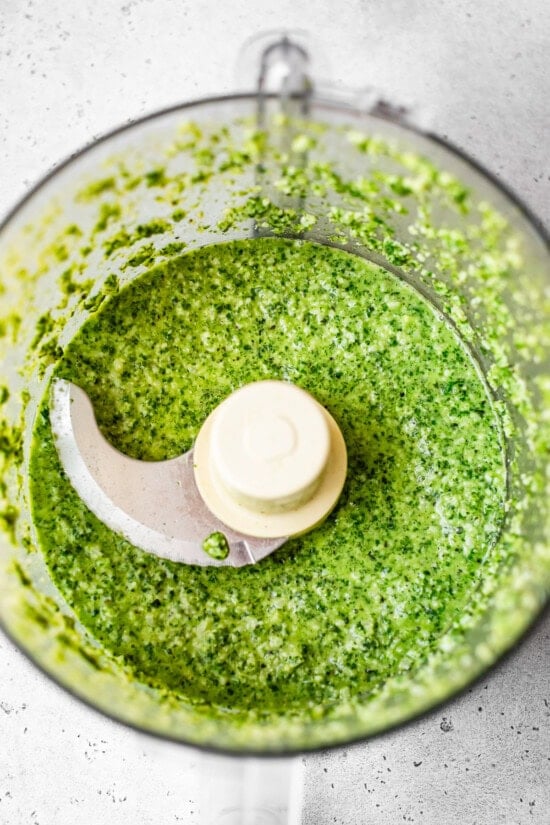
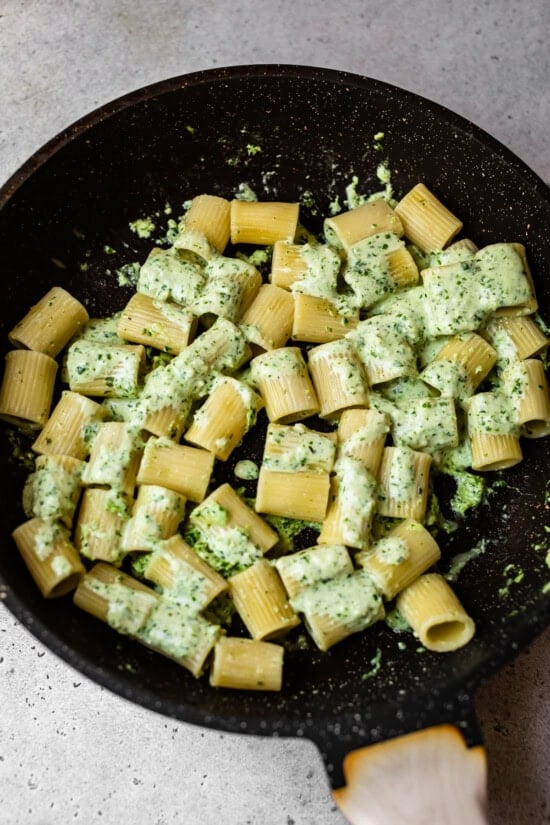
- Blend the cottage cheese and 2 tablespoons of water in a small blender until smooth.
- Make the pesto: Process the garlic in a food processor, then add the basil. Once everything’s finely chopped, add the remaining water, cheese, oil, lemon juice, salt, and pepper.
- Boil the pasta in a large pot of salted water, according to package directions. One minute before draining, scoop out ½ cup of pasta water. Then, drain the pasta, return it to the pot, and let it sit for a few minutes before mixing with the cottage cheese. Doing it immediately will make the cottage cheese break and become grainy.
- Add the sauces: Stir the pesto into the pasta, then mix in the cottage cheese until there are no more white streaks. If it’s too thick, add a tablespoon of pasta water at a time.
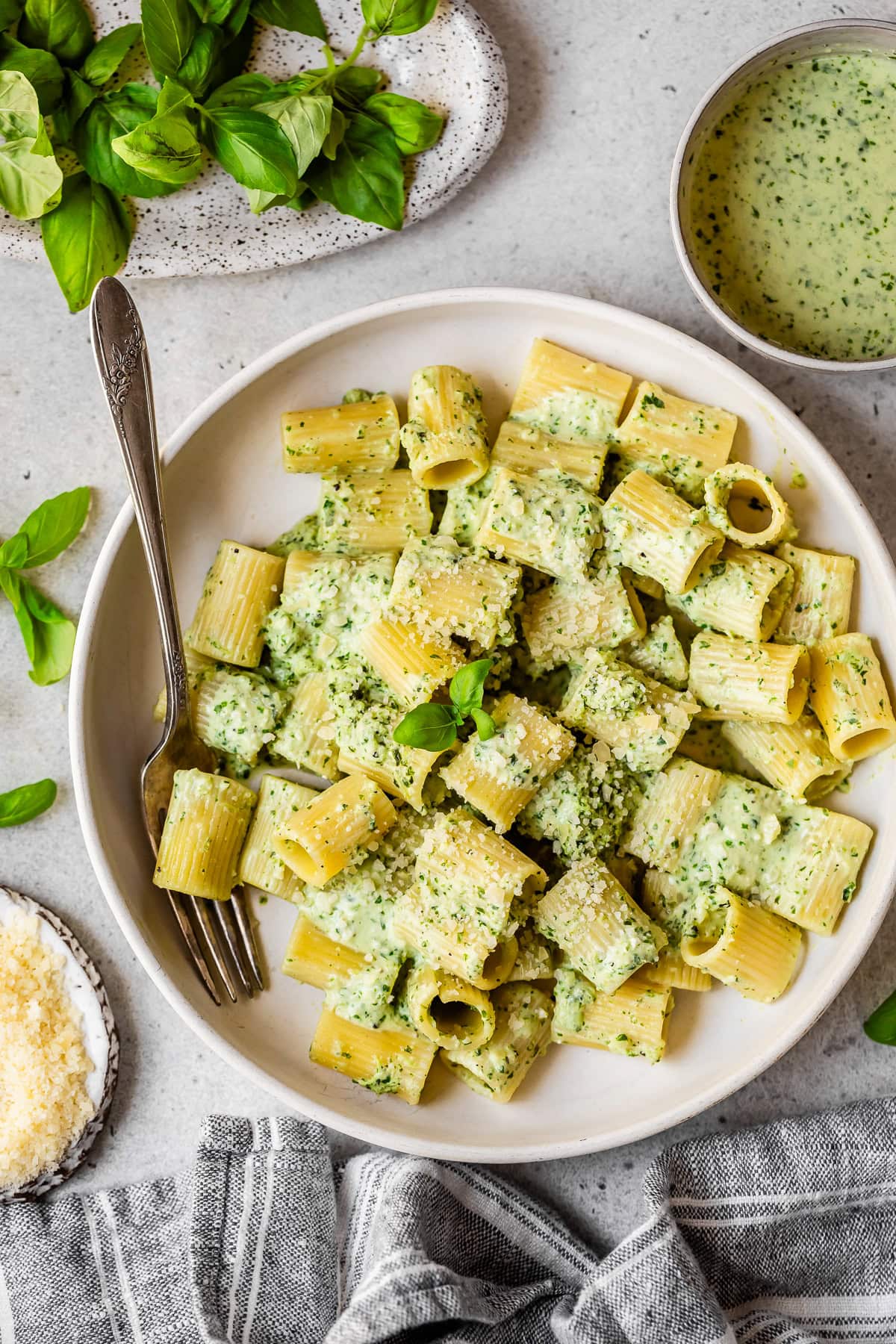
- How to serve: Top the pesto pasta with grated Parmesan, basil leaves, and extra salt and black pepper.
Pro Tips for the “Hidden” Texture
To ensure your family is none the wiser, follow these two simple steps:
- Blend The Cottage Cheese: Use a high-speed blender or immersion blender to process the cottage cheese until it’s completely smooth before folding it into your pesto. This eliminates the “curd” texture that often makes people hesitant.
- Add a splash of water or even milk to your blender when mixing the cottage cheese. This helps emulsify the sauce, creating that professional, restaurant-quality coating that clings perfectly to every noodle.
Variations
- Gluten-free: You can make this dish with any type of pasta, including gluten-free or high-protein pasta.
- Cottage cheese: Feel free to use whole milk cottage cheese for an even creamier sauce, but I don’t recommend fat-free because it would make the sauce too thin.
- Protein boost: Add grilled chicken or shrimp.
- Vegetables: Stir spinach or peas into the hot pasta.
- Herbs: Try making the pesto with half basil and half parsley or chives.
- Make it spicy: Sprinkle your bowl with crushed red pepper flakes.
What to Serve with Creamy Pesto Pasta
This high-protein pesto pasta can be a main dish with some vegetables on the side or a side dish with chicken, meat, or seafood.
Storage and Meal Prep Tips
- Meal prep tip: Make the pesto and whipped cottage cheese a day early. Then, when it’s time to cook dinner, just boil the pasta and stir in the sauces.
- Refrigerate pesto pasta for up to 4 days. If you’re packing it for lunches, store it in smaller glass containers so they’re ready to go.
- Reheat: You can microwave the dish or reheat it on the stove over medium-low heat. Just don’t turn the heat up too high, or you risk the sauce curdling. If the pasta has absorbed most of the sauce, add a splash of water, milk, or broth to thin it out.
- Freeze for up to 3 months; thaw in the fridge the day before.
- Leftover tip: Instead of mixing the pesto cottage cheese sauce with the pasta before serving, keep the two separate and add the sauce to individual portions. That way, you won’t have to worry about the pasta soaking up the sauce.
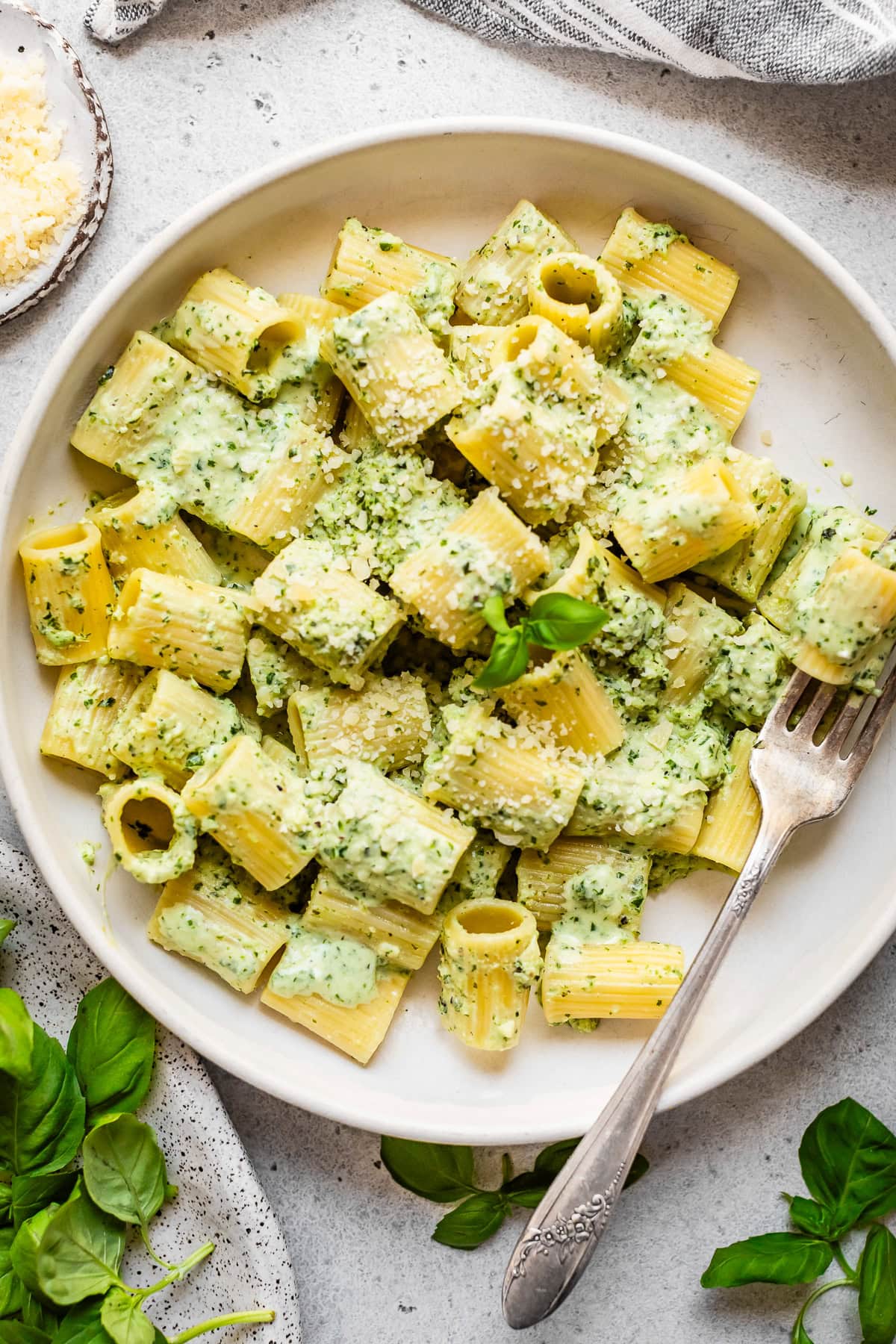
More High-Protein Pasta Recipes You’ll Love
Looking for more ways to use cottage cheese? Check out my healthy cottage cheese recipes.

Serving Size: 1 ½ cups (scant)
-
Bring a large pot of generously salted water to boil.
-
Add the cottage cheese to a small blender with 2 tablespoons water, and process for about 15 seconds until smooth. Set aside.
-
Add garlic cloves to the food processor. Turn on for 15 to 30 secs until minced. Add the basil and continue processing until finely chopped. Add 3 to 4 tablespoons water, parmesan cheese, olive oil, lemon juice, salt, and pepper. Process until smooth throughout.
-
Once the pot is boiling, cook the pasta al dente, according to package directions. About 1 minute before draining, remove 1/2 cup pasta water and set aside. Drain the rest and pour the pasta back into the pot, remove from heat, let sit 2 minutes off the heat to prevent the sauce from breaking.
-
Pour in the pesto and stir, then the cottage cheese and stir well, until no streaks remain and the sauce and pasta are coated throughout.
-
If you would like the sauce any thinner, you may add reserved pasta water 1 tablespoon at a time until it reaches your desired consistency.
-
Top off with extra grated parmesan cheese, fresh basil leaves, and some extra salt and cracked black pepper, if desired.
Last Step:
Please leave a rating and comment letting us know how you liked this recipe! This helps our business to thrive and continue providing free, high-quality recipes for you.
Serving: 1 ½ cups (scant), Calories: 340 kcal, Carbohydrates: 54 g, Protein: 14.5 g, Fat: 7 g, Saturated Fat: 2 g, Cholesterol: 6.5 mg, Sodium: 228.5 mg, Fiber: 6.5 g, Sugar: 3.5 g

