


Traveling can be great fun – until something goes wrong that is. If you’ve been travelling a lot recently then you’ve probably had that sinking feeling while standing at the departures board.
When the word DELAYED is flashing next to your flight, or worse, CANCELLED and you’re standing there, tired, maybe already stressed, wondering what on earth you’re supposed to do next.
The thing is, a bit of preparation goes a long way, both in terms of making your trip smoother, and in making sure you’re protected when things don’t go to plan.
This post covers exactly that: how to prepare for your next trip, what to sort before you leave and how to make sure you’re not left out of pocket if your flight gets disrupted.
Booking Flights And Planning Your Trip
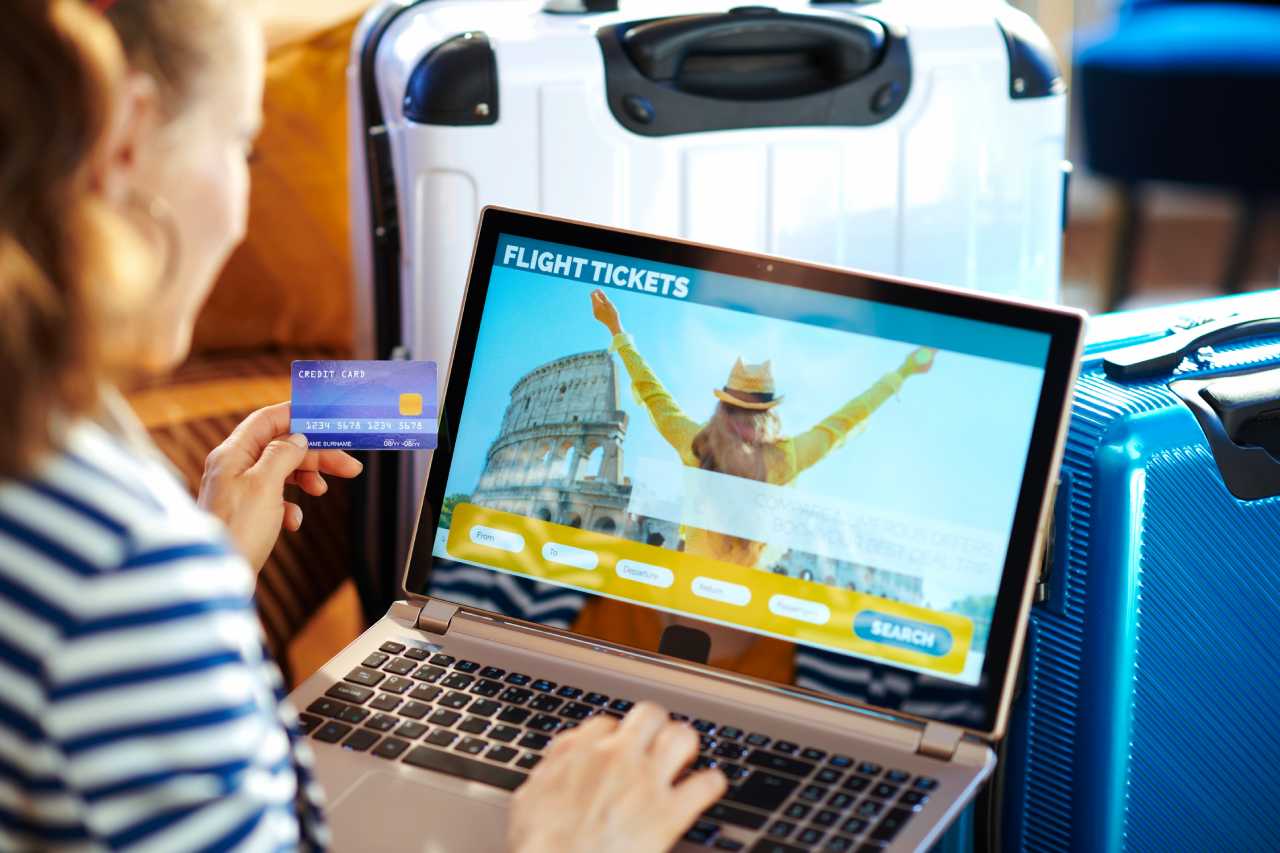
Getting organised before a trip isn’t the most exciting part of travel, but it’s what separates a smooth experience from a chaotic and stressful one so make sure you take time to get this stage right.
1. Book The Right Flights
Flying direct is always preferable but not always possible, so if you have to take a connecting flight make sure you allow enough time for the transfer. Wherever possible, try to book all legs with the same airline as it gives you more protection in case of delays.
If you’ve got no option but to book with different carriers you will likely have to do a self transfer which means you’ll have to collect your bags, pass immigration and customs and turn around and check in again. This can take time and add stress to your travel day so make sure you allow enough time – anything less than 1 hour often isn’t enough to self transfer through a large hub.
2. Get Your Documents in Order
Once you’ve booked flights that you are confident with, here’s what I always make sure to tick off before I get to the airport. This sounds obvious, but you’d be surprised how often people get caught out. Before any trip, I check:
- Passport validity – many countries require at least 6 months’ validity beyond your travel dates
- Visa requirements for every country you’re transiting through, not just your final destination
- Travel insurance – never skip this; make sure it covers medical, cancellation, and lost luggage
- Vaccination or entry requirements, especially if visiting Southeast Asia, Africa, or South America
- A digital and physical copy of your booking confirmations, accommodation details, and travel insurance policy number
3. Know Your Flight Details Inside Out
Once your flights are booked, add them to a flight tracking app so you get real-time alerts. Note down:
- Your full booking reference and ticket number
- Check-in opening times (some budget airlines close check-in surprisingly early)
- Your terminal and any connection details – know how much time you have between flights and ensure you have enough time to make the connection.
- The airline’s policy on delays and cancellations; this is buried in the fine print but matters
- The airline’s customer service number and social media handles – these are useful when things go wrong fast
- Screenshot or download your boarding passes – don’t rely on airport WiFi to pull them up
4. Sort Out Your Money
A few financial things that save a lot of headaches:
- Notify your bank you’re travelling or even better, use a travel-friendly card like Wise or Revolut that doesn’t charge foreign transaction fees
- Have a small amount of local currency for arrival for taxis, tips and SIM cards
- Always take more than one card with you in case one gets scammed and subsequently cancelled by your bank
- Download a currency exchange app like XE so you can check the current exchange rates when changing money
- Keep some emergency cash separate from your main wallet just in case
5. Pack Smart
Less is always more, but there are a few things I never fly without:
- A carry-on with essentials for 24 hours in case your checked bag is delayed (a change of clothes, travel sized toiletries, any essential medications)
- A portable charger and universal adapter
- A neck pillow, eye mask and ear plugs for long-haul flights
- Snacks for the airport and flight, especially if you have dietary requirements
- Printouts or offline downloads of hotel addresses, emergency contacts, and key confirmations

6. Protect Your Flights Before You Even Get to the Airport
This is the one most people skip and then regret. Did you know that three in ten flights is delayed every single day and flight disruptions are becoming more and more common, especially since the recent crisis in the Middle East. That’s not a scare statistic; it’s just the reality of modern air travel. Which is why you should now add AirHelp+ to your pre-trip checklist.
AirHelp+ is an annual membership that protects your flights throughout the year, starting from only €3.33 per month. You register your trips in advance (at least 48 hours before departure), and then AirHelp monitors them for you. If something goes wrong, they handle everything.
Here’s what you get as a member:
Flight delayed 1+ hours
- Access to 1,300+ airport lounges worldwide
Flight delayed 3+ hours
- Fast €100 insurance payout
- Up to €600 airline compensation
Last-minute cancellation
- €100 payout
- Lounge access
- Up to €600 compensation
Missed connection
- €200 payout
- Lounge access
- Up to €600 compensation
Lost or delayed luggage
- €100 fast payout
- Up to €1,900 from the airline
Every registered trip
- Free Fast Track at security (at selected airports)
Air Help+ Plans
AirHelp+ comes in two tiers – 3 trips for €39.99/year (around €3.33/month) or 9 trips for €99.99/year. Both plans include all the benefits above, plus 24/7 expert support and travel discounts on eSIMs and car rentals. For frequent travellers, the 9-trip plan is the obvious pick.
Exclusive discount for Global Gallivanting readers
Use the code GLOBALG at checkout to get an exclusive 10% discount on your AirHelp+ smart membership. The discount is available between 8th May – 30th June 2026
When Things Go Wrong – Your Rights as a Passenger
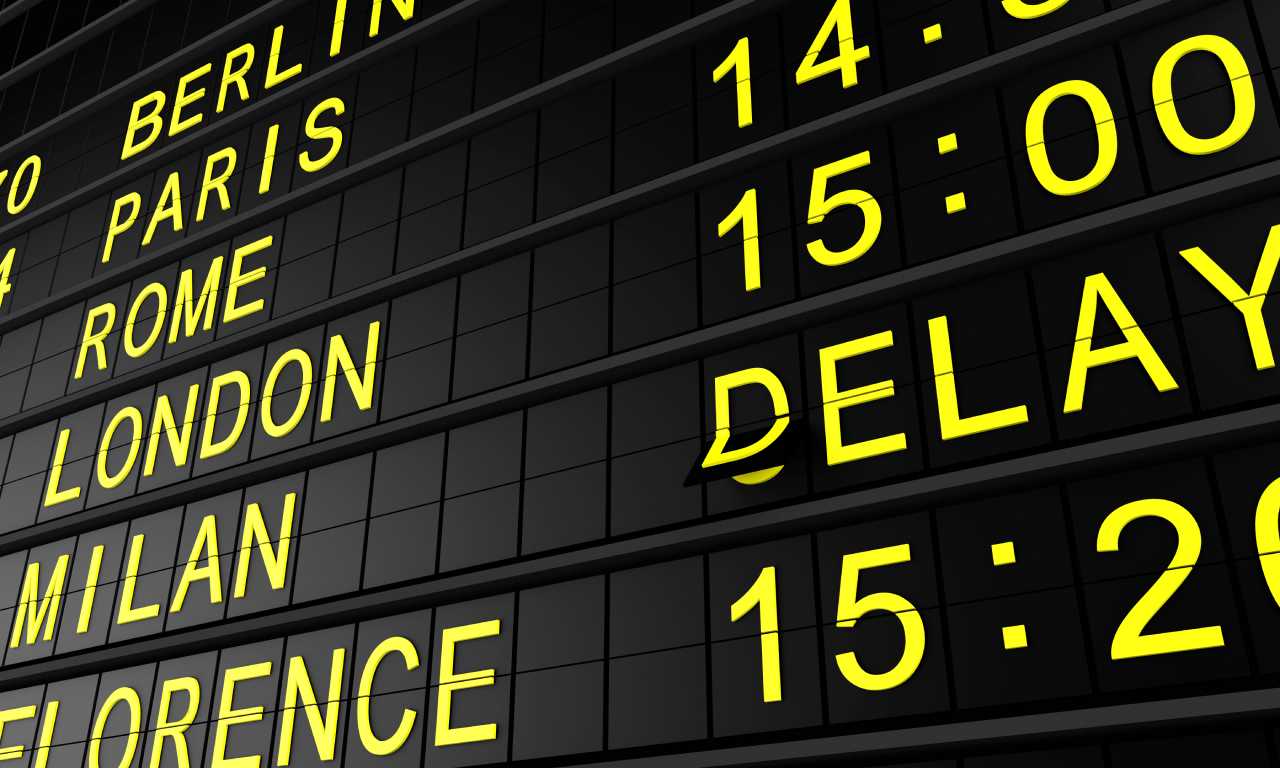
Even with all the preparation in the world, flights get disrupted and cancelled. It’s frustrating, it’s inconvenient, and the airline is often not exactly forthcoming about what you’re actually owed. Here’s what you need to know in case your trip doesn’t go to plan.
What Are Your Rights When a Flight Is Delayed or Cancelled?
Under EU Regulation EC 261/2004 (one of the strongest pieces of passenger rights legislation in the world) you may be entitled to compensation of up to €600 if your flight was delayed by at least 3 hours, cancelled with less than 14 days’ notice, or you were denied boarding due to overbooking.
This regulation applies if:
- Your flight departed from an EU airport (regardless of which airline), OR
- Your flight arrived at an EU airport on an EU-based carrier
- The disruption was the airline’s fault – not an extraordinary circumstance like severe weather or a security incident
How Much Can You Claim?
- Up to 1,500 km (short-haul) – €250
- 1,500–3,500 km (medium-haul) – €400
- Over 3,500 km (long-haul) – €600

How to Claim Compensation (And Why AirHelp Makes It Easy)
In theory, you can claim directly with your airline. In practice, airlines are experts at making this difficult. They delay responses, reject claims on technicalities, and count on the fact that most passengers will eventually give up. Which is exactly why a service like AirHelp exists.
AirHelp is the world’s leading air passenger rights company, having helped over 28 million customers get the compensation they’re owed. They handle the entire process, from building your case to negotiating with the airline, so you don’t have to spend hours on hold or composing increasingly frustrated emails.
The process is simple:
- Step 1: Check your claim: Head to airhelp.com and enter your flight details. The check is free and takes about 2 minutes.
- Step 2: AirHelp takes over: They build a case, deal with the airline, and handle any legal escalation if needed.
- Step 3: You get paid: The compensation goes directly into your bank account. AirHelp charges a 35% fee (including VAT), but only if they win your case. No win, no fee.
You can also claim for other passengers you travelled with including friends, family and colleagues. Each person could be eligible for the same compensation, so it’s worth including everyone in your claim.
One more thing: there’s usually a time limit of up to three years to submit a claim, but don’t let that lull you into procrastinating. The sooner you file, the better. You can also use AirHelp’s free app to check disruptions in real time and get notified the moment you qualify for a claim.

What to Save When Your Flight Is Disrupted
In the chaos of a delayed or cancelled flight, documentation is your best friend. Save or screenshot:
- Your boarding pass (including any replacement boarding passes if you were rerouted)
- Your original booking confirmation
- Any notifications or emails from the airline about the disruption
- Receipts for any extra expenses you incurred like food, transport, accommodation
- The actual arrival time at your destination (not the scheduled time)
Final Thoughts
Travel will always have its hiccups. Flights get delayed, bags go missing, connections get missed. But being prepared, both practically and in terms of knowing your rights, makes an enormous difference to how those moments feel and how much they actually cost you.
If you fly regularly, AirHelp+ is genuinely worth having in your travel toolkit. And if you’ve had a disrupted flight in the last three years, whether or not you have a membership, it’s worth doing a free check at Airhelp.com to see if you’re owed anything. You might be surprised.
Don’t forget to use the code GLOBALG for an exclusive 10% discount on your AirHelp+ Smart membership. (Discount is available between 8th May – 30th June 2026)
Happy (and protected) travels.
By the way: This post is written in partnership with AirHelp, but as always the opinions here are my own. I genuinely believe in knowing your rights as a traveller and having the right tools to enforce them!
Need more specific destination planning advice? You might like these posts:

