


Long before sustainability became a defining conversation in travel, Zannier Hotels was building a collection guided by a simple philosophy: leave a place better understood, carefully preserved and deeply respected. Founded by Arnaud Zannier, the brand has grown thoughtfully, seeking out extraordinary destinations where conservation, cultural heritage and a strong sense of place guide the guest experience. The result is a portfolio of retreats that invite travelers not only to discover some of the world’s most beautiful corners, but to connect with them in a more meaningful way. Join us as we explore six distinctive properties, including the highly anticipated debut of Zannier Île de Bendor, the brand’s newest opening in the French Mediterranean, and the vision that unites them all.
Zannier Île de Bendor
Île de Bendor, France
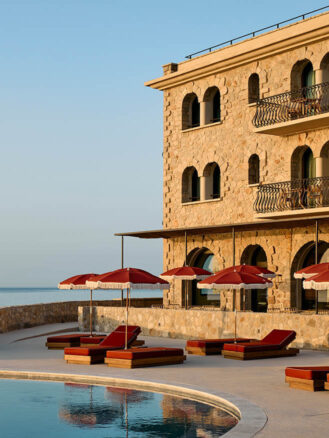
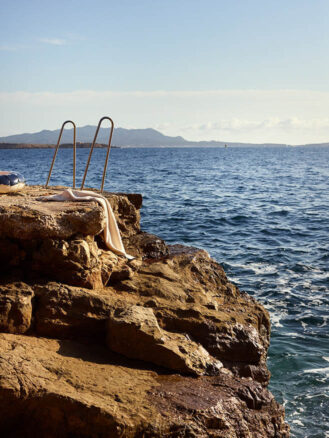
Freshly opened in May 2026, Zannier Île de Bendor marks the culmination of a remarkable five-year restoration project on the private Île de Bendor, just off the Provençal coast. Rather than simply creating another luxury retreat, Zannier Hotels and the Ricard family set out to revive the vision first imagined by Paul Ricard (the entrepreneur whose name became synonymous with pastis) in 1950: an island garden where nature, culture and community could flourish. In honor of that legacy, the seven-hectare island has been extensively rewilded, emerging with 15 percent more trees than before and a renewed commitment to preserving its Mediterranean landscape. Today, the restored, car-free Provençal village welcomes guests to a 93-room retreat inspired by the relaxed glamour of the 1960s. Sustainability extends beyond the landscape, too, with the island continuing its longstanding commitment to marine conservation and environmental education through the Paul Ricard Oceanographic Institute.
Zannier Sonop
Namib Desert, Namibia
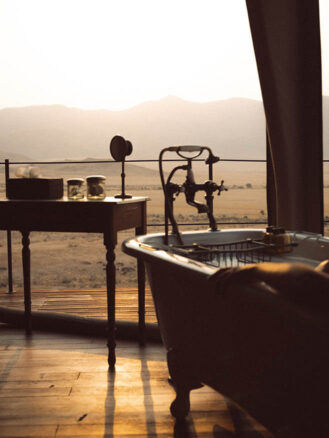
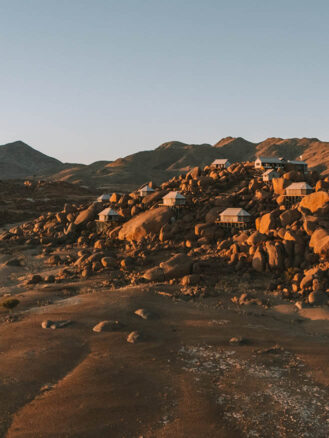
Rising from a sea of rust-colored dunes and granite boulders, Zannier Sonop offers a masterclass in building with, rather than against, the landscape. Set within 13,800 private acres of untouched Namib Desert wilderness, the tented retreat was carefully constructed atop existing rock formations using minimal intervention, with no heavy machinery employed during the build to preserve the fragile ecosystem. Designed in the style of a 1920s British colonial camp, the lodge blends seamlessly into its surroundings while treading lightly upon them, described by our travel partner Michelle Halpern of Live Like It’s the Weekend as “an adult playground that feels blissfully far from the reach of civilization.” Today, Sonop remains fully solar-powered and Green Globe Certified, reflecting an ongoing commitment to conservation, responsible tourism and the protection of one of the world’s oldest desert environments. The result is a stay that feels both wonderfully remote and deeply connected to the spectacular wilderness that makes it possible.
Zannier Omaanda
Windhoek, Namibia
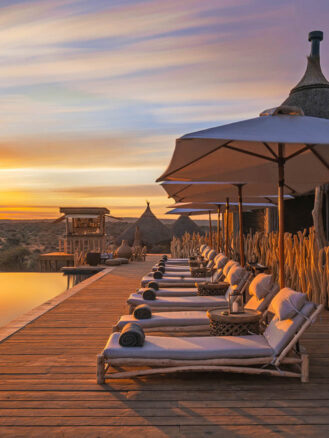

Surrounded by 22,000 acres of protected Namibian savannah, Zannier Omaanda is defined by a careful balance of cultural preservation, wildlife conservation and low-impact hospitality. The 15-room lodge is inspired by traditional Owambo architecture and constructed using authentic local building techniques, ensuring it remains deeply rooted in Namibia’s cultural heritage while echoing its natural surroundings. Set within the Zannier Reserve by N/a’an ku sê, a 7,500-hectare conservation area established in 2016, the lodge sits inside a living wildlife landscape where open bushveld is shared with rhino, elephant and big cats. In partnership with the N/a’an ku sê Foundation, the reserve supports ongoing wildlife rescue, rehabilitation and long-term ecosystem protection, reinforcing a broader commitment to responsible, community-conscious stewardship.
Zannier Bãi San Hô
Quy Nhơn, Vietnam
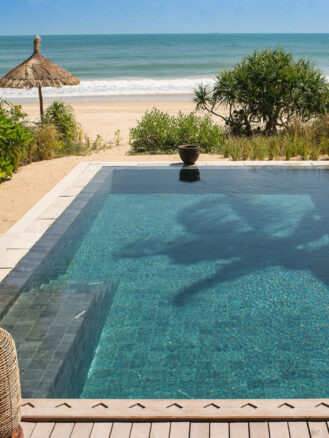
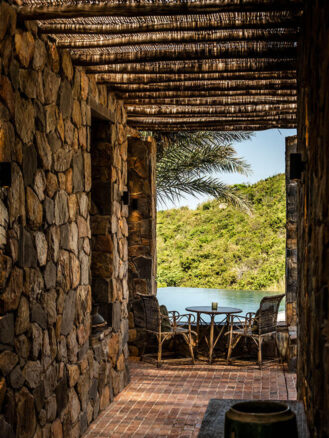
Set along a secluded stretch of Vietnam’s central coast in Đắk Lắk province, Zannier Bãi San Hô spans 98 hectares of protected landscape where rice paddies, jungle hills, a kilometre-long white sand beach and a regenerating coral bay meet. The 73 villas are thoughtfully dispersed across the terrain, designed in harmony with traditional Vietnamese techniques and crafted from natural materials such as wood, bamboo, stone and thatch. Here, you’re rooted in place: guests can explore nearby fishing and farming villages with local guides, learn time-honored practices from artisan families, watch salt harvesting along the coast or join fishermen at sea. Between hidden waterfalls and shared local meals, the resort becomes a gateway to stories of coastal Vietnam.
Zannier Phum Baitang
Siem Reap, Cambodia
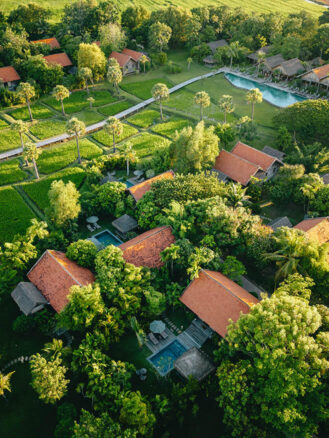
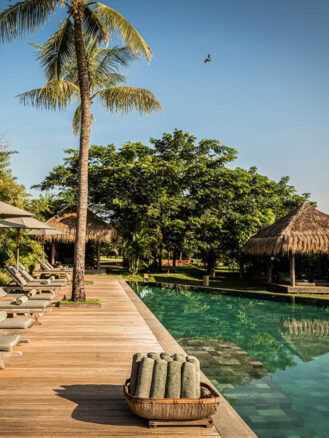
Known in Khmer as the “green village,” Zannier Phum Baitang sits just beyond the UNESCO-listed Angkor complex in Siem Reap, designed as a living interpretation of traditional village life with sustainability at its core. Set among lush rice paddies and tropical gardens, its wooden stilted villas blend sensitively developed design with a deep respect for local heritage and the surrounding landscape. Green Globe Gold certified after five consecutive years of outstanding sustainability performance, the resort champions a circular approach to hospitality, from eliminating single-use plastics and advancing recycling and composting systems to growing much of its own produce across organic gardens and 42 rice paddies. Beyond the village itself, its green ethos extends into the wider community through education initiatives and local partnerships, ensuring its philosophy is felt well beyond its boundaries.
Zannier Le Chalet
Megève, France
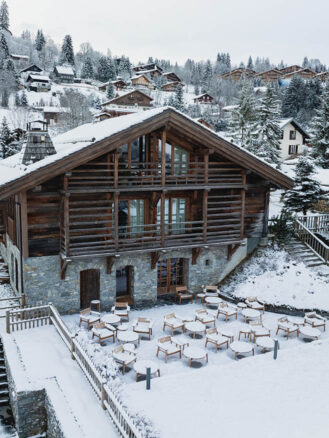
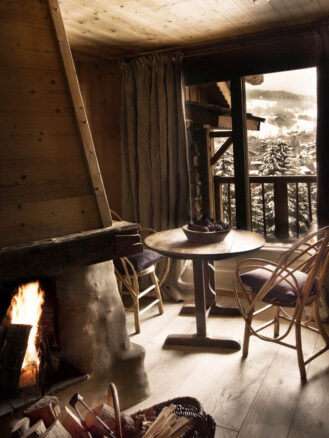
Inspired by the purity of the Mont Blanc peaks, Zannier Le Chalet’s approach to sustainability is rooted in simplicity and restraint. Open only during the summer and winter seasons, the chalet embraces the natural beauty of the Alps, aligning its presence with the mountain’s own cycle. Designed to merge naturally with its surroundings in Megève, it draws on traditional Savoyard architecture and locally sourced materials, ensuring it feels like a natural extension of the landscape rather than an imprint upon it. Its philosophy of understated luxury goes hand in hand with environmental responsibility, favoring authenticity over excess and encouraging a slower, more mindful way of experiencing the French Alps, one that naturally supports local culture, craftsmanship and the depths of the alpine environment.

