


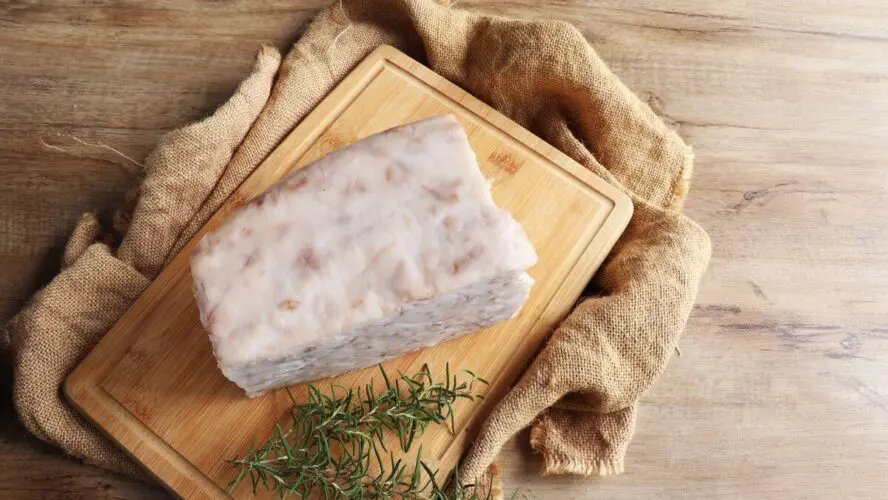
If beef tallow is suddenly on your radar, it’s likely because the latest federal health guidelines have named it a “healthy fat.” But if you’ve done any further research, you may have encountered mixed signals in those very same federal guidelines. This is because the saturated fat guidelines in the United States haven’t changed, but the recommendations for what you should eat within those guidelines has.
From eating beef tallow regularly to consuming three full-fat dairy options daily, the guidelines expect the average consumer to fit a range of fatty food items into a small number of total calories and saturated grams of fat. The math just doesn’t add up — and it’s not practical for everyone to make the mental gymnastics work every day to be considered a “healthy” American.
Read below to learn more about this newly popular fat, beef tallow nutrition facts compared to other fat options, and beef tallow benefits. Most importantly, we’ll explore how to answer the question: “Is beef tallow healthy?” The answer to this is more than just a simple yes or no, and it involves a deep dive into exactly what’s driving the latest food trend.
What Is Beef Tallow, and Why Is it Suddenly Everywhere?
Beef tallow, by definition, is simply rendered beef fat that is solid at room temperature1. Up until around 1990, McDonald’s used beef tallow to cook their fries, until a public outcry led them to switch to vegetable oil2.
Most recently, vegetable oils and seed oils have been under scrutiny on social media, with beef tallow taking center stage after the January 2026 Dietary Guidelines deemed them healthier than plant-based oils. This was largely driven by the Make America Healthy Again (MAHA) movement, which also pushed for more whole-fat dairy and protein like red meat in the diet3.

Seed oils, which contain healthy linolenic acid shown to help reduce LDL cholesterol and heart disease risk, have been framed as the cause of heart disease-related inflammation4. Meanwhile, beef tallow is framed as a minimally processed fat option and is taking center stage in the wellness industry. Brands like UTZ® and Steak ‘n Shake are now using beef tallow for cooking their chips and fries, respectively.
But whether it’s beef tallow fries or beef tallow chips, these foods are not classically heart-healthy — no matter what fat source you use. This is where the beef tallow discussion invites confusion (and requires further discussion).
The Saturated Fat Math the Guidelines Don’t Address
To help explain why beef tallow may not be the best fit if you’re trying to follow the Dietary Guidelines, let’s start with the math.
The Dietary Guidelines for Americans recommends that saturated fat intake should not exceed 10% of calories from saturated fat5. Within an average 2000-calorie diet, this comes out to 200 calories from saturated fat. Since fat is about 9 calories per gram, this comes out to around 22 grams of saturated fat or less daily6.
Beef tallow contains, on average, around 6.37 grams of saturated fat per tablespoon7. See the table below to see how it stacks up against other common fat options8,9,10,11,12,13,14.
| Nutrition Facts per tablespoon | Beef Tallow | Vegetable oil | Olive oil | Canola oil | Butter |
| Calories | 115 | 120 | 119 | 124 | 102 |
| Total Fat (g) | 12.8 | 13.6 | 13.5 | 14 | 11.5 |
| Saturated Fat (g) | 6.37 | 2.08 | 1.86 | 0.91 | 7.3 |
| *Daily Value % saturated fat | 32 | 10 | 9 | 5 | 36.5 |
| Smoke point | 400-420°F (204-216°C) | 450°F (232°C) | 410°F (210°C) | 435°F (224°C) | 350°F (177°C) |
*Based on <10% of 2,000 kcal/day = ~20g saturated fat
As you can see, beef tallow roughly ties with butter as the fat option with the highest saturated fat levels, at around 6–7 grams per tablespoon. Common oils including vegetable, canola, and olive oils all hover in a significantly lower range, at around 1–2 grams of saturated fat per tablespoon.
Despite the higher saturated fat content, the smoke point of beef tallow does have its benefits. The smoke point is the temperature at which fat compounds start to degrade, so the higher the better when it comes to cooking purposes15. The beef tallow smoke point is higher than butter and as high as some of the oil options, making it a versatile choice for cooking.
The Contradiction
Common full-fat dairy foods include whole fat yogurt, whole fat milk, and cheddar cheese. Let’s say you want to consume one serving of each of these three full-fat dairy options to comply with the health guidelines.
Cheddar cheese contains around 5.38 grams of saturated fat per ounce, one cup of full fat yogurt contains around 5.14 grams, and one cup of whole milk contains around 4.63 grams16,17,18. By just eating these three foods, you’re already at around 15–16 grams of saturated fat. Add in a single tablespoon of fat for cooking and flavoring, and you’re suddenly at or above the recommended daily saturated fat intake. This, of course, doesn’t leave any room for snacks or other indulgences.
What Is Saturated Fat, Exactly?
Saturated fat is a type of dietary fat that is most often solid at room temperature19. Research shows that consuming too much saturated fat daily can increase risk of your heart disease and overall mortality over time20.
In particular, consuming a diet high in saturated fat can increase your “bad” cholesterol, also known as LDL (low-density lipoprotein) cholesterol21. This type of cholesterol, if elevated above the normal range of 90-110 mg/dL, can increase one’s risk of heart disease and stroke22.
The Case for Beef Tallow

When people talk about the health benefits of beef tallow, it typically starts with talk of stearic acid. Stearic acid, a type of long chain saturated fatty acid, is a more LDL-neutral acid than palmitic acid, which is found primarily in plant-based oils and dairy products23. Beef tallow also contains conjugated linoleic acid (CLA), which shows potential to reduce risk of plaque buildup in arteries24.
Along with this, beef tallow’s high smoke point and minimally processed form can make it seem more nutritious and versatile than seed oils like soybean oil. So what is beef tallow used for? The more well-known uses are typically French fries or chips. But beef tallow can also be used as a fat option when roasting proteins and vegetables, as an oil for high-heat cooking like deep frying, and even baking flaky pastries. It’s also traditionally used in the making of soaps, candles, and some types of skincare.
What the Evidence Actually Shows
A 2025 JAMA Internal Medicine study of ~220,000 adults over 33 years old found that replacing one tablespoon of butter a day with plant oil was associated with a 17% lower risk of early death25. Such plant oils include olive oil, avocado oil, and vegetable oil — the very same oils that some influencers deem “unhealthy.” This is a widespread misconception that’s actually not true in most cases, and it’s generally best not to look at these oils in such black-and-white terms.
It’s also important to note that researchers suggest that it’s not just the fat you consume, but what you cook in the fat that matters. Even if you choose the healthiest fat option, it won’t make a difference in the nutrition offered if you’re cooking ultra-processed foods. Deep fried food is not nutritionally beneficial in any form26.
The Mediterranean-style dietary pattern, which encourages eating plenty of antioxidant-rich fruits and vegetables, as well as lean proteins cooked with plant-based fats like olive oil, offers one of the best ways to incorporate fats in your diet for maximum health benefits27. For example, consider a lean protein like chicken cooked in olive oil, or vegetables roasted with olive or avocado oil. In these examples, both the food itself and the fat option in which it is cooked provide beneficial nutritional properties.
The Conflict of Interest
With any foods that suddenly gain acclaim for their health benefits, it’s important to explore whether there are any conflicts of interest. Where did beef tallow’s popularity come from, and who’s driving this popularity? Are there any hidden motives in its rise?
When it comes to beef tallow, looking a bit more closely at the studies that report beef tallow benefits is revealing. For example, many of these studies are funded by a national marketing and research program called the Beef Board Checkoff program28. The purpose of this organization is to help promote beef, like many other cattlemen groups — and it’s easy to see why they might be a biased source of information.
One such example is a 2025 study review that looks at old NHANES data from 1988-1994. It ultimately reported a potential cancer-protective quality of meat, stating that there was an “inverse association between cancer mortality and animal protein”29. But under the “Funding Information” section, the study states: “This work was sponsored by the National Cattlemen’s Beef Association.” This makes it a bit trickier to take their findings at face value.
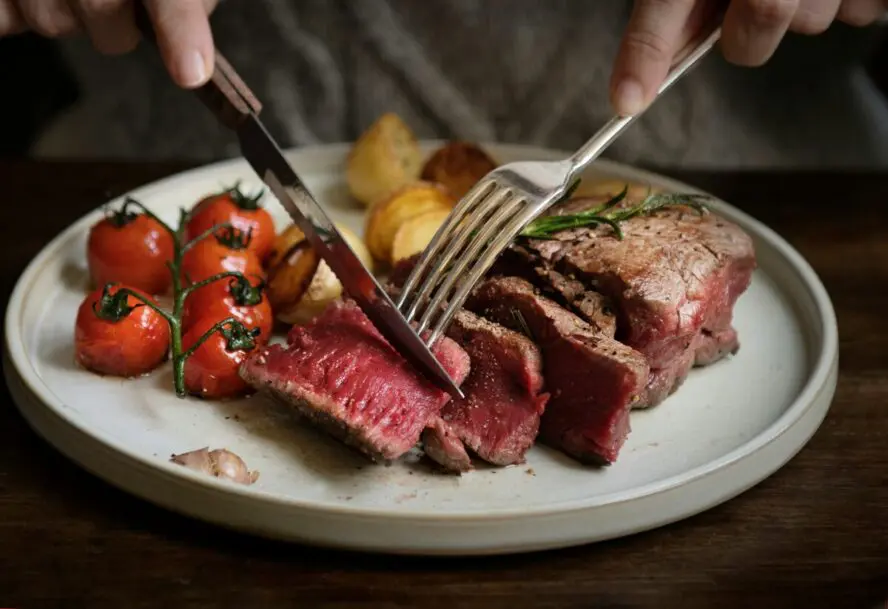
Another such example is a 2025 review of ten observational studies — which themselves are already prone to high bias due to their lack of randomization30. The study results reported no associations between red meat intake and the presence of inflammatory or immune function biomarkers31. But, shocker: The disclosure statement of this study reveals that this research received funding or support from various groups including (but not limited to) Beef Checkoff, North Dakota Beef Commission, National Cattlemen’s Beef Association, Foundation for Meat and Poultry Research and Education, and the National Cattleman’s Beef Association31.
It becomes even harder to know who to trust in the face of research like a recent 2026 study which draws the opposite conclusion: Those with a high red meat intake could benefit from eating less red meat and more white meat or plant-based protein instead32,33,34. Notably, this study was not funded by any beef associations.
A Decisive Verdict: Is Beef Tallow Healthy?
So, to get to the meat of the matter: is beef tallow healthy? While it’s not the heart-healthy superfood some news reports claim it to be, it’s fine in small amounts. However, if you’re cooking with it daily on top of the recommended red meat and dairy guidelines, you’re very likely blowing past the saturated-fat limit in those very same guidelines.
If You Do Use It, Buy It Right
Just like with any animal-based food, sourcing matters when it comes to nutrition. Grass-fed vs. grain-fed beef tallow will have slightly different nutritional profiles when it comes to their fat content. Grass-fed tallow will contain CLA, as well as omega-3 fatty acids and greater levels of fat-soluble vitamins35.
To be safe, always choose beef tallow with transparent sourcing, so you know where it comes from. Avoid any beef tallow products that contain additives and hydrogenated blends.
And remember, regardless of the fat it’s cooked in, chips and fries are still deep-fried potatoes. Don’t let any beef tallow influencers convince you into making French fries a staple in your diet — consume in moderation.
Final Thoughts
While beef tallow doesn’t necessarily deserve to be villainized, it doesn’t need to be put on a pedestal, either. Beef tallow is just another food item whose popularity is greater than its actual nutritional value — in other words, the trend outran the science.

The science clearly shows that following guidelines that insist on consuming full-fat dairy along with beef tallow (over evidence-based nutritious plant-based oils) contradict the truth of healthy fats.
This is not to say you can’t enjoy beef tallow now and then if you prefer, but it doesn’t need to be your go-to — and make sure that you’re getting it from a trustworthy, sustainable source.
Frequently Asked Questions
There is no conclusive evidence to state that beef tallow is healthier than seed oils. The evidence still favors plant oils for cardiovascular health, but unfortunately, the seed-oil panic tends to drown out the facts.
Each tablespoon of beef tallow contains about six grams of saturated fat, which is close to one-third of the recommended daily limit (based on a 2,000-calorie diet).
Beef tallow is high in saturated fat, which can raise LDL cholesterol levels. Stearic acid, which is one of beef tallow’s main fats, is somewhat more LDL-neutral than palmitic acid, but the overall picture still warrants moderation.
Grass-fed beef tallow carries more CLA, omega-3s, and fat-soluble vitamins than grain-fed beef tallow. However, just because it is “better sourced” doesn’t mean it’s low in saturated fat, so the notes on moderation still stand.
If we’re being honest, neither — swapping seed oil for tallow doesn’t make an ultra-processed snack healthy.
Beef tallow’s high smoke point makes it good for high-heat cooking and frying. That said, it should be an occasional cooking fat, not a daily staple.
Sources:
- https://pmc.ncbi.nlm.nih.gov/articles/PMC11193910/
- https://pmc.ncbi.nlm.nih.gov/articles/PMC9367986/
- https://cdn.realfood.gov/DGA.pdf
- https://www.ncbi.nlm.nih.gov/sites/books/NBK551722/
- https://www.sciencedirect.com/science/article/abs/pii/S0022316626003184?via%3Dihub
- https://my.clevelandclinic.org/health/articles/fats
- https://fdc.nal.usda.gov/food-details/171400/nutrients
- https://fdc.nal.usda.gov/food-details/172370/nutrients
- https://fdc.nal.usda.gov/food-details/171413/nutrients
- https://fdc.nal.usda.gov/food-details/171033/nutrients
- https://fdc.nal.usda.gov/food-details/173410/nutrients
- https://www.fsis.usda.gov/food-safety/safe-food-handling-and-preparation/food-safety-basics/deep-fat-frying
- https://www.montana.edu/extension/lila_extn/fall_25/sizzlingscienceoftallow.html
- https://www.chhs.colostate.edu/krnc/monthly-blog/cooking-with-fats-and-oils/
- https://pmc.ncbi.nlm.nih.gov/articles/PMC12692607/
- https://fdc.nal.usda.gov/food-details/328637/nutrients
- https://fdc.nal.usda.gov/food-details/171284/nutrients
- https://fdc.nal.usda.gov/food-details/746782/nutrients
- https://medlineplus.gov/ency/patientinstructions/000838.htm
- https://www.sciencedirect.com/science/article/abs/pii/S0271531723000982?via%3Dihub
- https://www.ncbi.nlm.nih.gov/books/NBK570127/
- https://pmc.ncbi.nlm.nih.gov/articles/PMC13213258/
- https://www.beefresearch.org/resources/human-nutrition/white-papers/stearic-acid
- https://mcpress.mayoclinic.org/nutrition-fitness/what-is-beef-tallow-is-it-good-for-me/
- https://pubmed.ncbi.nlm.nih.gov/40048719/
- https://www.sciencedirect.com/science/article/pii/S000291652500382X
- https://pmc.ncbi.nlm.nih.gov/articles/PMC12901080/
- https://www.beefboard.org/checkoff/
- https://cdnsciencepub.com/doi/10.1139/apnm-2023-0594
- https://pmc.ncbi.nlm.nih.gov/articles/PMC10589119/
- https://www.tandfonline.com/doi/full/10.1080/10408398.2025.2584482#abstract
- https://pmc.ncbi.nlm.nih.gov/articles/PMC12942914/
- https://pmc.ncbi.nlm.nih.gov/articles/PMC12914412/
- https://www.nature.com/articles/s41598-026-41165-3
- https://pmc.ncbi.nlm.nih.gov/articles/PMC8728510/