


International travelers face a range of rental car insurance options that can be confusing, especially when requirements and coverage vary by country. This article details key terms, standard inclusions, common gaps, and practical steps to help you make informed decisions at the rental car counter.
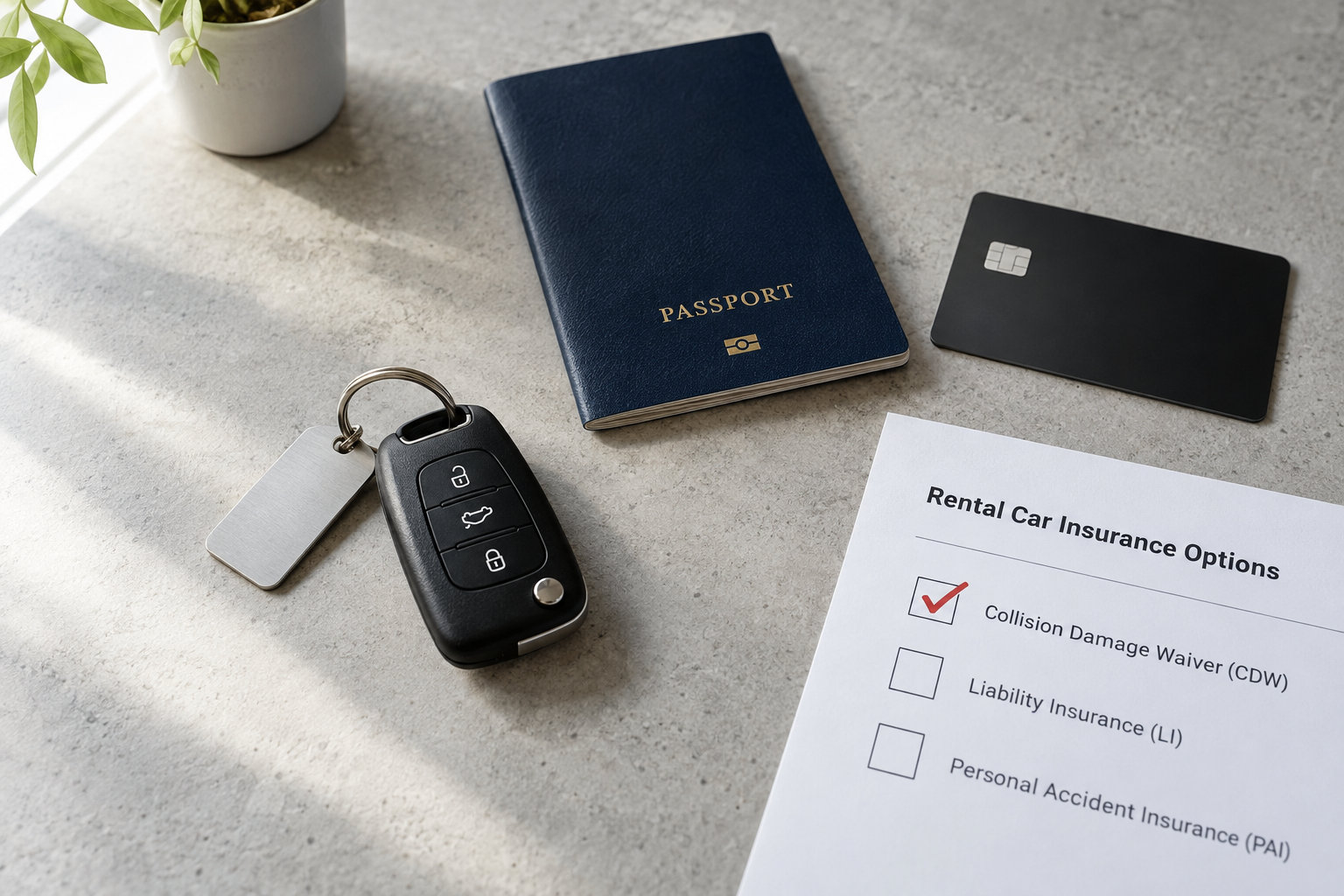
Landing in a new country and picking up a rental car opens the door to adventure, but also to a maze of rental car insurance decisions. For many travelers, understanding international policies, recognizing what’s automatically included, and identifying coverage gaps is confusing, especially as requirements and protections can differ greatly by destination. If you’re using providers like Zero Car Rental or a major agency abroad, reviewing coverage options before you drive off can help you avoid costly surprises if something goes wrong during your trip.
Key insurance terms and what they mean
Before you select a policy, it’s important to know the common terminology. Collision Damage Waiver (CDW) limits your financial responsibility if the rental car is damaged in an accident, though it usually comes with an excess (deductible). Theft Protection covers you in case the car is stolen, again typically subject to a deductible. Third-Party Liability Insurance is necessary in most countries and pays for damage or injury you cause to others.
Personal Accident Insurance covers your own medical expenses after an accident, while Personal Effects Protection insures belongings inside the car. These last two are generally optional add-ons rather than required by law.
What’s included versus what’s optional
Most rental agreements outside your home country include basic third-party liability, but the limits can be low. CDW and theft protection are often offered at the counter for an extra fee, though in some countries they’re bundled in the base rate.
Optional add-ons might include coverage for accidents, belongings, roadside assistance, or tire and glass. Be aware that what’s standard in one country could be considered an extra elsewhere. It’s important to compare what is included in the price versus which coverages are offered as optional add-ons when traveling internationally.
Sources of coverage: rental company, personal, and credit card
You can secure insurance through the rental company directly, but your personal car insurance may offer coverage for rentals. Check the details, as this often applies only for domestic rentals and may vary with international use. Some travel insurance policies include rental car benefits, mostly covering theft, accidents, or liability in specific countries.
Certain credit cards offer primary or secondary rental car coverage, but you must pay for the rental with that card and decline the rental company’s CDW for coverage to apply. Always read the exclusions, as luxury cars, long-term rentals, and specific countries are often not covered.
Typical exclusions and common gaps
International policies often exclude:
- Damage to the undercarriage, tires, windshield, or roof
- Accidents on unpaved or unauthorized roads
- Use by unauthorized drivers
- Off-road driving or water crossings
Always check the fine print. Many policies list territories or driving conditions not included, and damage in such situations is often not covered. Make sure you understand when and where exclusions might apply so you don’t face an unexpected bill.
Choosing the right coverage and avoiding mistakes
Your decisions should consider your route, season, number of passengers, local driving risks, and your risk tolerance. For example, rural or mountainous destinations might warrant more robust coverage, while urban trips may justify more minimal options.
Common mistakes to avoid include assuming credit card insurance covers all potential losses without checking, missing exclusions, purchasing duplicate coverage, or ignoring the deductible’s size, which can be substantial. Take time to compare options and understand how different policies may overlap or leave you exposed to specific risks, depending on your trip details.
Practical checks before pick up and a simple comparison checklist
Before accepting the keys, inspect the car for pre-existing damage and ensure it’s noted by the rental agent. Ask about the incident reporting process, confirm the size of any deposit or credit hold, and collect emergency contact numbers.
- Know your included and optional coverage
- Verify the rental car’s eligibility under any credit card or travel insurance benefits
- Inspect, photograph, and document the car before driving off
- Clarify excess amounts and the process for reporting incidents
- Review which roads and regions are covered by your policy
By carefully reviewing these points before you start driving, you will be better prepared to compare policies, avoid accidental gaps in coverage, and remain protected throughout your journey abroad.

