


The open road has always inspired storytellers. Today, that inspiration translates into video content that reaches thousands of viewers worldwide. Road trip vlogging has become a legitimate way to document adventures, share experiences, and build an audience around the journey itself. Whether you’re planning a cross-country expedition or a weekend escape through mountain passes, understanding how to create compelling travel video content can transform your trip from a personal memory into a story worth sharing.
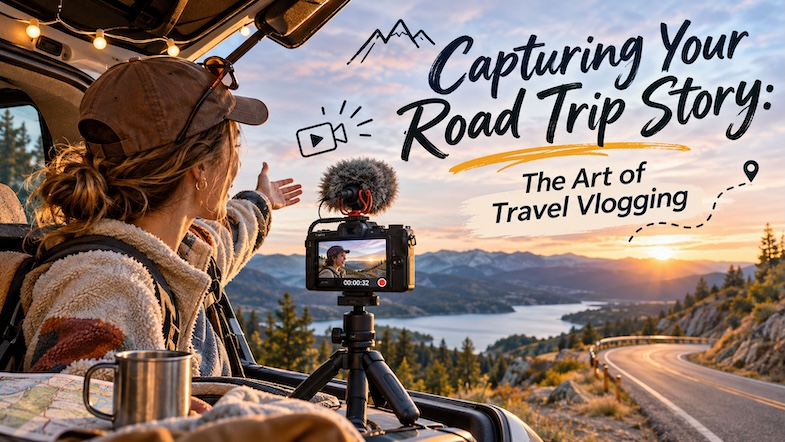
The barrier to entry has never been lower. Smartphones, compact cameras, and affordable editing software mean that anyone with a vehicle and a destination can start producing travel content. However, creating videos that actually engage viewers requires more than just pointing a camera at scenic landscapes. It demands intentional storytelling, technical awareness, and a willingness to experiment with different approaches. Many aspiring travel vloggers discover that audio quality, stabilization, and narrative pacing matter far more than they initially expected. Resources like guides on microphones for content creators can help you understand the technical foundations, but the real work lies in developing your unique voice and perspective.
Finding Your Angle
Travel vlogging isn’t about visiting the most famous destinations or spending the most money. It’s about finding a perspective that feels authentic to you. Some creators focus on budget travel, documenting how to explore regions without breaking the bank. Others specialize in off-the-beaten-path discoveries, highlighting small towns and hidden attractions that rarely make it into mainstream travel guides. Still others center their content around specific interests: food, architecture, outdoor activities, or cultural experiences.
The most successful travel vloggers typically have a clear reason for their content beyond just “I like traveling.” Maybe you’re exploring how different regions approach sustainable tourism. Perhaps you’re documenting the evolution of a specific landscape over multiple seasons. You might be investigating how communities have adapted to tourism or how local traditions persist in modern settings. This angle becomes your narrative thread, the element that ties individual videos together into a cohesive channel rather than a random collection of travel clips.
Technical Foundations Matter
Creating watchable travel content requires attention to the basics. Video stabilization is non-negotiable when you’re filming from moving vehicles or while walking through crowded streets. Shaky footage, no matter how beautiful the scenery, will lose viewers quickly. Modern smartphones and compact cameras often include built-in stabilization, but external stabilization tools can significantly improve results, especially in challenging conditions like bumpy roads or crowded markets.
Lighting presents another fundamental challenge. Natural light is your friend during daytime filming, but golden hour transitions and indoor scenes demand more consideration. Many travel vloggers invest in small, portable lighting solutions that don’t add significant weight to their gear. The goal is consistency: viewers should be able to follow your narrative without being distracted by dramatic shifts in brightness or color temperature between clips.
Audio quality often gets overlooked by beginners, yet it’s one of the most noticeable elements to viewers. Wind noise, traffic sounds, and ambient chatter can overwhelm your narration or dialogue. Windscreens, lavalier microphones, and careful positioning of recording devices make a substantial difference. When you’re filming in a bustling market or alongside a highway, capturing clear audio becomes a puzzle you need to solve intentionally.
Building a Narrative Structure
Travel vlogging succeeds when individual clips combine into a coherent story. This doesn’t mean every video needs a three-act structure or dramatic arc, but it does mean viewers should understand why they’re watching and what they’ll learn or experience. Some creators use a day-in-the-life format, following their journey from morning to evening. Others structure videos around specific activities or discoveries. A few use episodic storytelling, where each video represents a chapter in a larger journey.
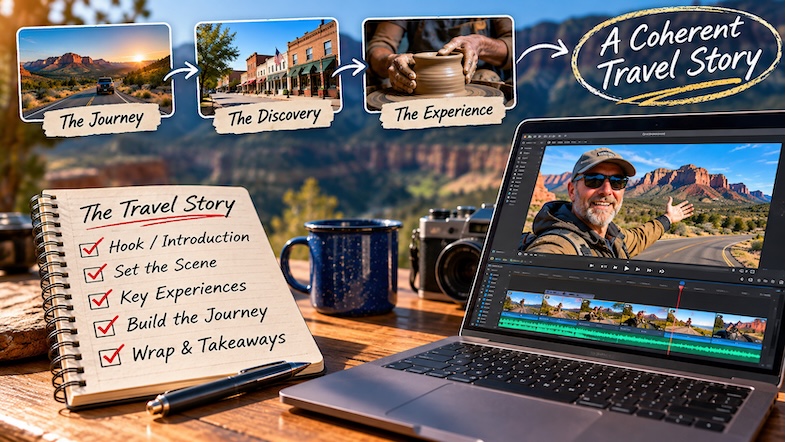
The introduction of your video sets expectations. Within the first ten seconds, viewers should understand where you are, what you’re about to do, and why they should care. This doesn’t require flashy effects or dramatic music. Often, a simple explanation delivered with genuine enthusiasm works better than overproduced openings. “We just arrived in this small town known for its pottery tradition, and we’re going to spend the day learning from local artisans” tells viewers exactly what to expect.
Pacing affects how viewers experience your content. Rapid cuts between scenes create energy and momentum, while longer takes allow viewers to absorb details and atmosphere. Most successful travel vloggers vary their pacing throughout a video, using quick cuts during travel sequences and slower shots when highlighting specific locations or interactions. This variation keeps content engaging without becoming exhausting.
Engaging With Your Audience
Travel vlogging creates a unique relationship between creator and viewer. People watch travel content not just for information but for connection. They want to feel like they’re experiencing the journey alongside you. This means being authentic about both the wonderful and challenging aspects of travel. The best travel vloggers acknowledge when things don’t go as planned, when they’re tired or frustrated, or when they encounter unexpected obstacles.
Responding to comments and questions builds community. Viewers often ask for specific recommendations, want to know where you stayed, or suggest destinations for future trips. Engaging with these conversations transforms passive viewers into invested followers who feel like they’re part of your journey. Many successful travel vloggers use community posts, polls, and Q&A sessions to maintain connection between video uploads.
Consistency and Long-Term Growth
Building an audience around travel content requires consistency. This doesn’t necessarily mean uploading weekly videos, but it does mean establishing a schedule that viewers can anticipate. Whether you post monthly, biweekly, or weekly, maintaining that rhythm helps viewers know when to expect new content. Consistency also applies to video quality and storytelling approach. Viewers should recognize your style and know what to expect from your channel.
Long-term growth in travel vlogging often comes from patience and persistence rather than viral moments. Channels that last years typically started small, focused on quality over quantity, and gradually built audiences through genuine storytelling. Early videos might receive modest view counts, but consistent improvement in both technical quality and narrative skill compounds over time.
Conclusion
Travel vlogging offers a way to document your adventures while potentially reaching an audience of people who share your curiosity about the world. Success requires balancing technical competence with authentic storytelling, investing in the right tools while remembering that gear matters less than perspective. The road trip you’re planning could become the foundation for content that inspires others to explore, discover, and embrace the unexpected. Start with the basics, focus on telling genuine stories, and let your unique voice emerge naturally as you gain experience and confidence behind the camera.

