


What gives a place its identity?
A few years ago, while hosting a couple from the US for Aroha Luxury New Zealand Tours, I took them to see a glassblower in Whanganui; it wasn’t on their itinerary, but it happened to be on the main route we were following. I had a sense that they would appreciate something like it, given the conversations we’d had earlier about artists. So, we drove out to a studio after breakfast and arrived while the artist was still working.
His studio was exactly what you would hope for; it was authentic, though not especially arranged for visitors. All his shelves were lined with finished pieces, half-finished pieces, and a few experiments that had clearly gone wrong. I remember walking in and wondering if the couple would notice the dust in the corners. His tools were laid out the way people leave them when they are more interested in the work than in appearances. Yet, he welcomed us in and showed us a vessel he had been refining for months, holding it briefly to the light, saying a few words about the colour, then carrying on with what he was doing.
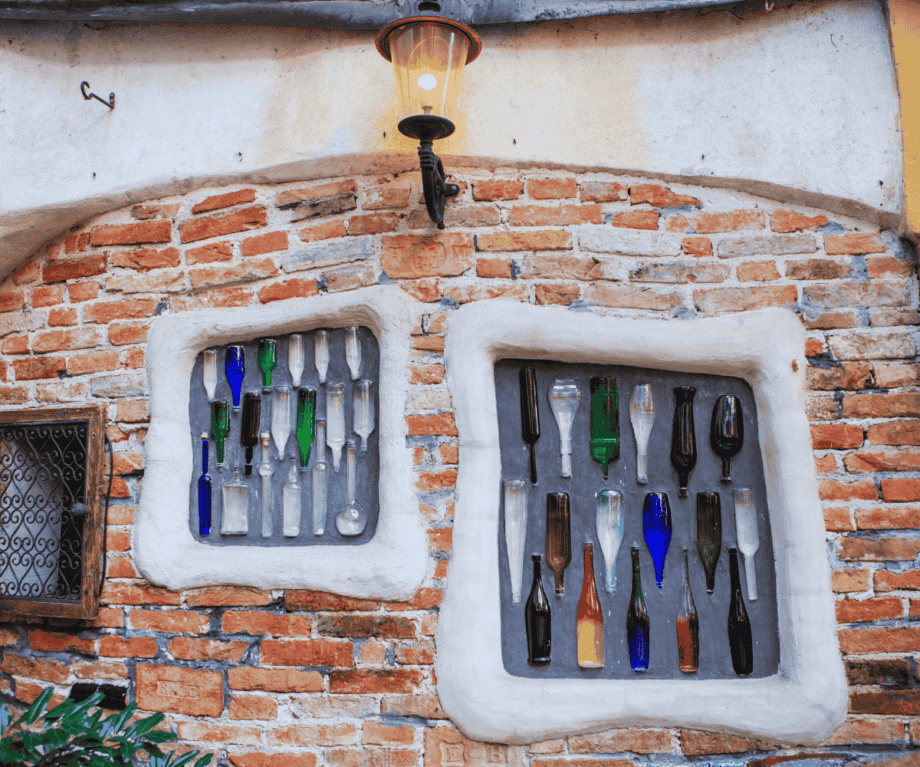
This experience was notable because there was no performance, sales pitch, or planned speech about his “process”. It was a spontaneous meeting between people from entirely different walks of life who found harmony in the beautiful expression of art. On the way back, I recall someone saying that it had been the best hour of their trip so far. Fortunately, we were only three days in!
Meeting the people behind the region
Over the past few years, I have noticed a change in the questions guests ask before they arrive. There is always interest in the landscapes, of course, because New Zealand is well-known for its landscapes. But more often now, people want to know whether they can spend time with someone who actually makes something. A winemaker in his working space, rather than just a sommelier at the tasting counter, or a jeweller in her workshop. A textile artist who still dyes by hand or a furniture maker with timber stacked outside and sawdust on the floor.
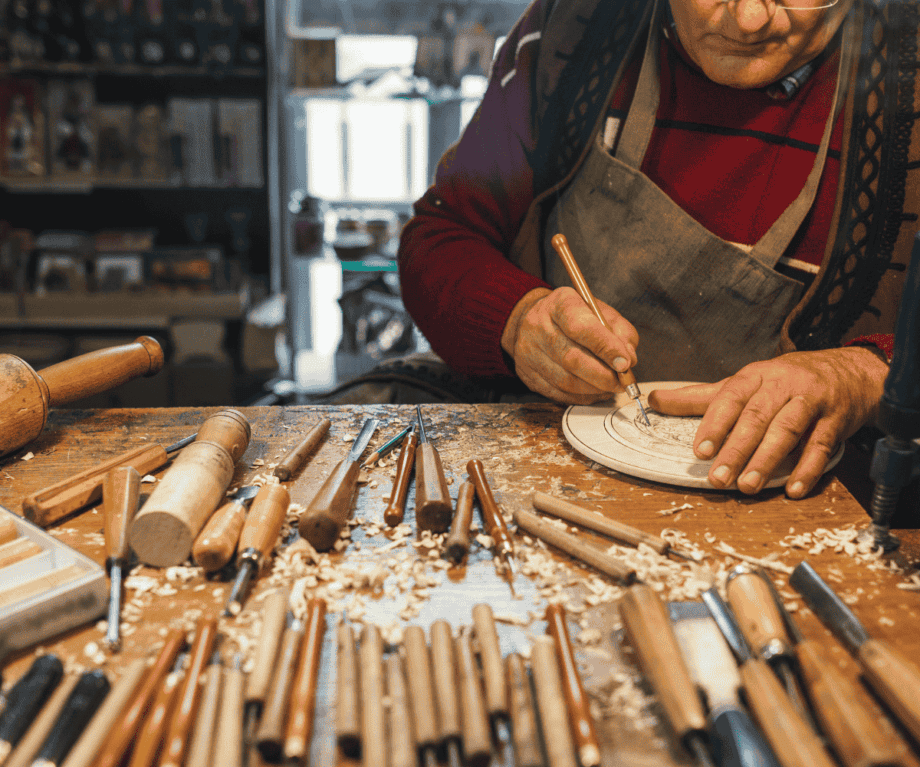
One guest asked me recently whether I knew anyone “still doing something real,” and I knew exactly what he meant.
There is a certain kind of traveller now who has no real interest in collecting highlights. They are not unimpressed by beauty, quite the opposite. They simply do not need every beautiful thing turned into an item. At some point, a view, a photograph, then back in the vehicle, begins to feel thin, especially for people who have travelled widely and know the difference between seeing a place and experiencing it.
After many years in tourism, I am wary of over-naming trends. Most things described as a shift actually turn out to be clever marketing and good timing. But this does feel genuine to me, largely because I have been watching it happen in small ways.
Access changes the experience
New Zealand suits this quieter appetite because so much of what is good here is still slightly out of view; Whanganui was just one example. Nelson is another place, known for sunshine, natural landscapes and national parks, with a thriving art scene. What matters to me as a guide is the large community of working artists; the potters, jewellers, printmakers, weavers, woodworkers, not all of whom are only interested in being discovered. This is part of why the experience still feels intact when you do visit.
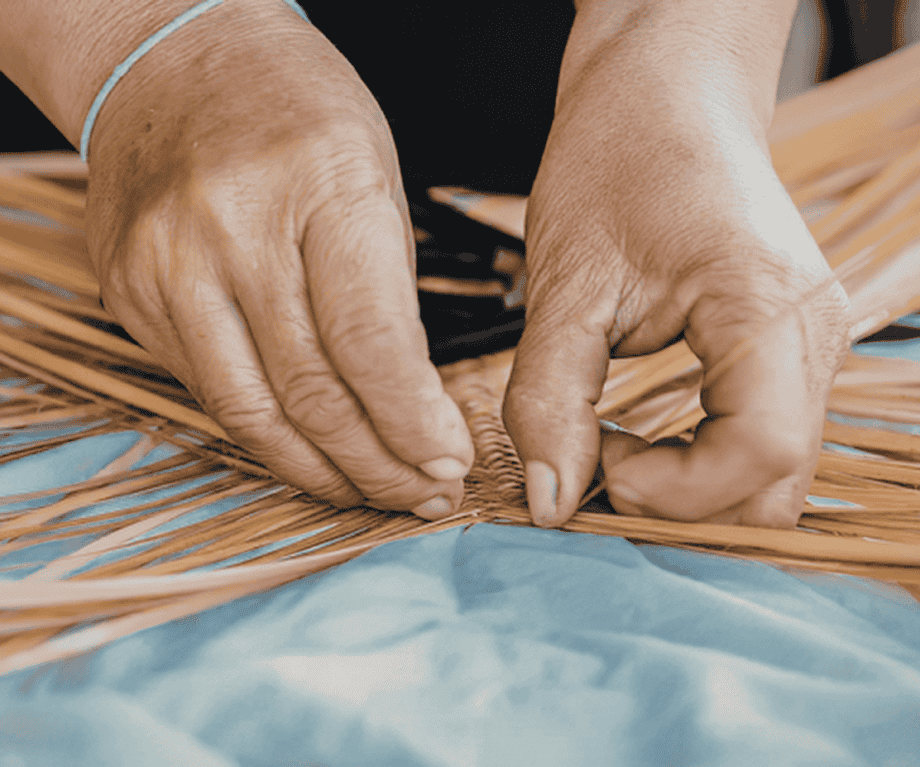
Central Otago has its own version of this. In autumn, especially, there is a richness there that goes beyond vineyards and lunch venues. There is a plethora of artists working out of old sheds or purpose-built studios with the doors flung open. One of my favourite artists always says: “People do their best work in places where the elements are not entirely gentle.”
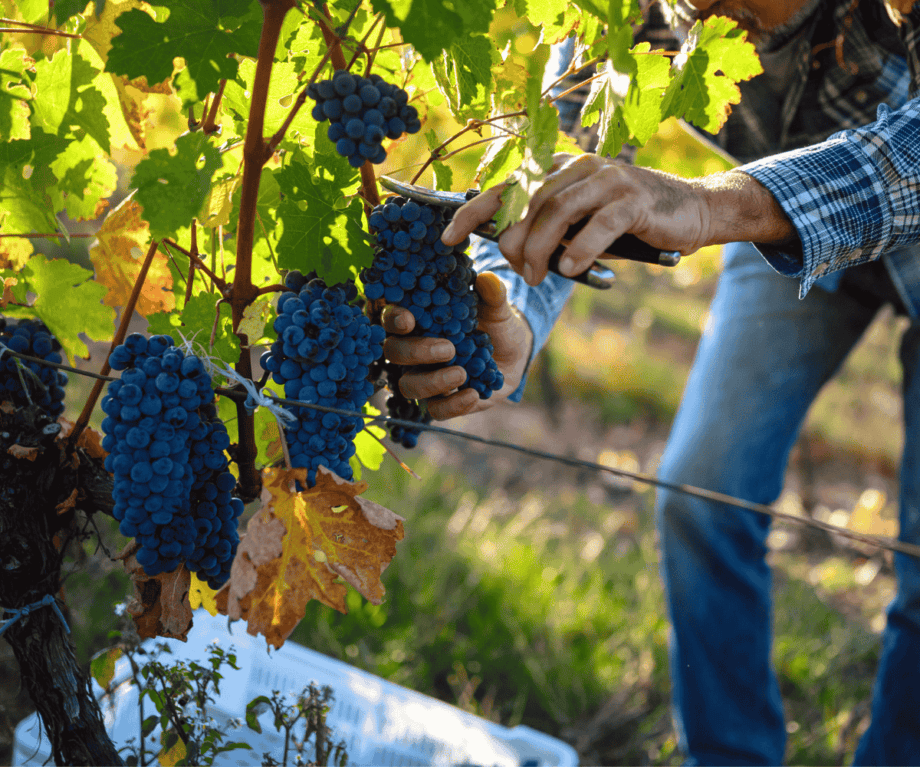
Even the Marlborough Sounds, which people usually think of in terms of scenery, produce food and wine with a kind of local specificity that is hard to fake. The good producers there speak in very exact language about light, exposure, salt in the air, how the season behaved, and what changed after a wet spring. And, interestingly, you realise you are hearing the same sort of attention you would hear in an artist’s studio. Just directed elsewhere.
The common thread is not “culture” in the polished sense; it’s immersion into somebody else’s space.
What strikes me is that this is what so many people are looking for now, though they do not always phrase it that way. They want to go home feeling they were let slightly closer to the life, rhythm and people of a place. Not in a staged or intrusive way, just a subtle ‘behind-the-scenes’ sense. Just enough to understand how a region thinks through the people who work with their hands, their materials, their weather, their seasons.
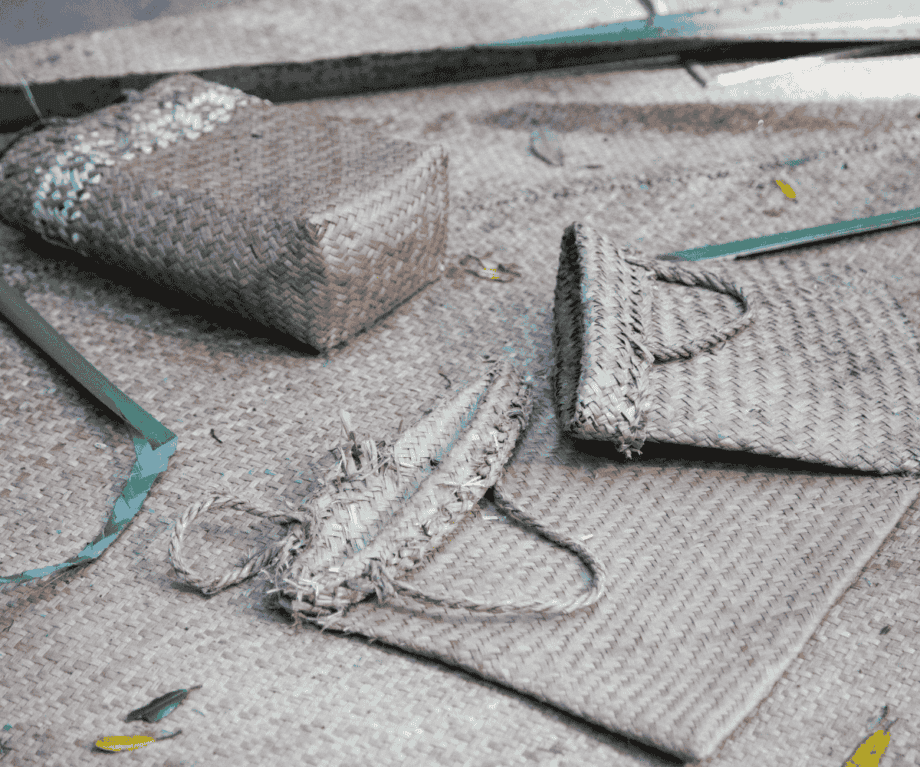
This sort of travel cannot be rushed. That is probably the least glamorous and most important part of it. An hour with the right person can do more than an entire day of moving efficiently from one stop to the next, but only if nobody is watching the clock too closely. The moment people feel hurried, they become polite rather than curious, conversation feels forced or stilted and the exchange stays superficial.
Everything you need to plan your trip in 2026
Culture is often found in the details
When I design journeys around art, design, food, or artists, I nearly always leave more room than guests expect. That is not empty time for its own sake; it is a small margin for a conversation to go somewhere interesting, or for someone to linger over an object.
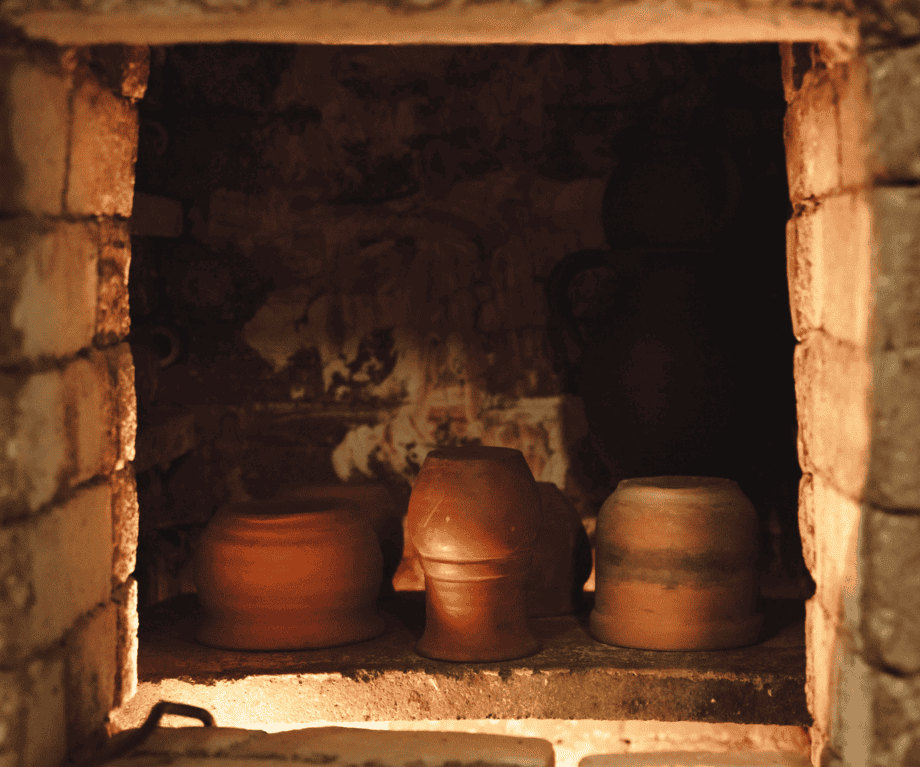
This does not change the fact that guests have travelled a long way and want to use their time well; that is understandable. But in this part of the world, using time well rarely means packing it tightly; it usually means allowing the day to unwind.
One of the guides I work with in Central Otago has family history in the region. When he talks about a station, a valley, a homestead, or even a stand of trees, guests can immediately feel that he is not repeating information. He is speaking from familiarity. That changes the quality of attention in the group. Because people listen differently when they sense they are hearing something honest and sincere.
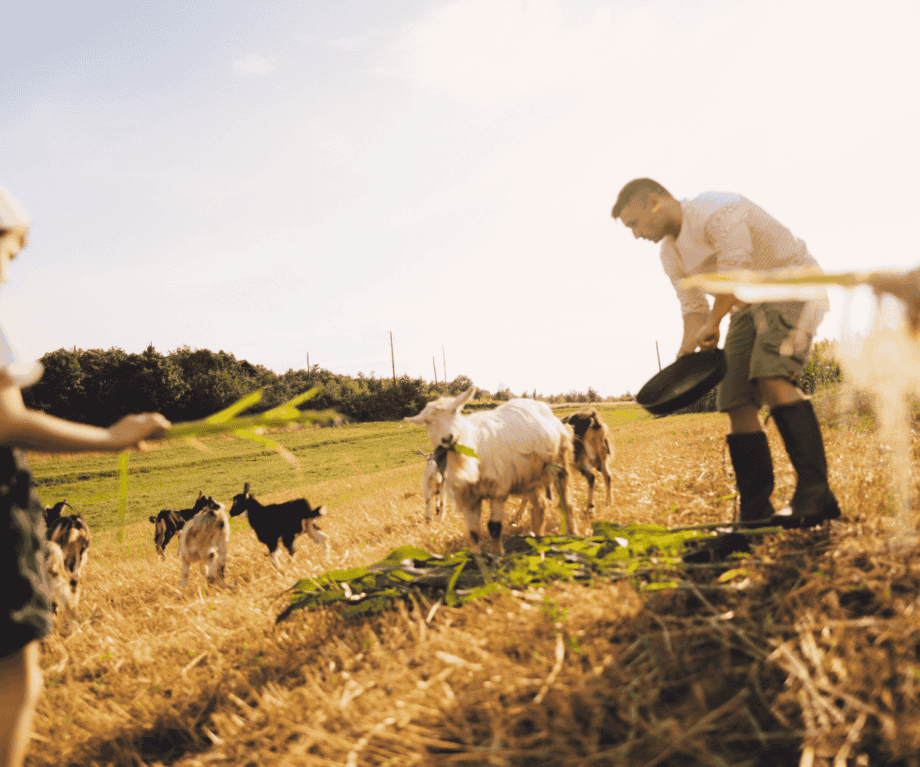
The same is true of a good studio visit, or a long conversation with a winemaker, or lunch in a place where the owner still knows exactly which grower supplied the fruit that morning. None of this looks very dramatic from the outside. It does not make for big, obvious travel moments, but it is often what people remember most clearly once they are home.
The journey becomes more memorable when it has texture
Not everyone travels this way, and that is perfectly fine coming to New Zealand for the scale of the scenery, the walking, the helicopters, the fishing, the sheer exhilaration of being here is never to be underestimated, because New Zealand does that beautifully.
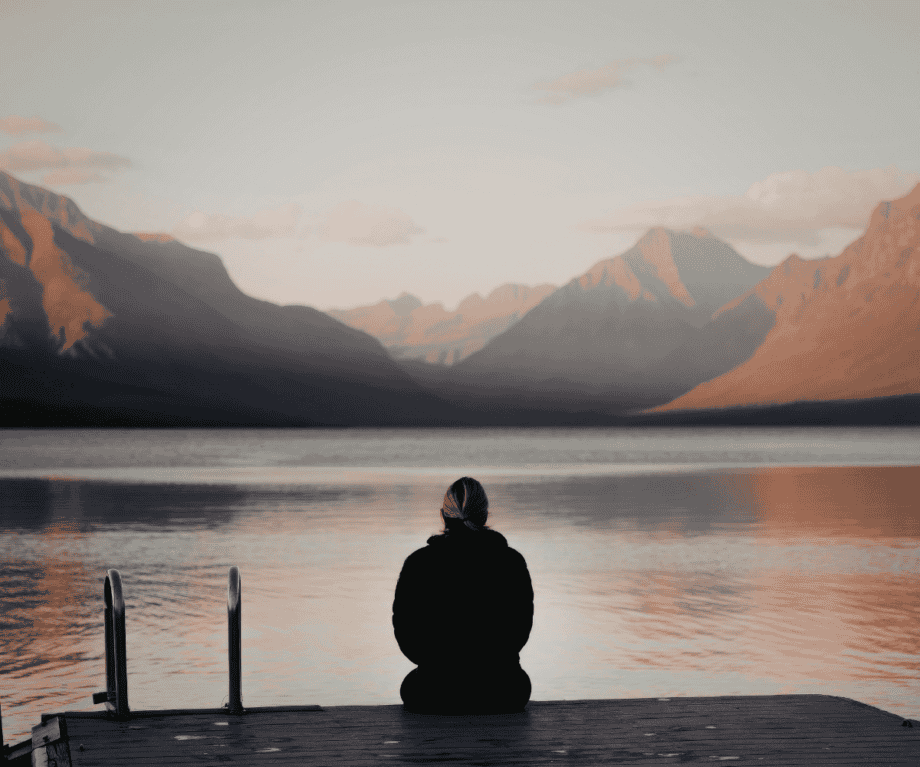
Even in those moments, there is texture, perhaps a little more human connection; this country offers a great deal. You just have to know where to look, and when not to overfill the day.
The couple I took to Whanganui sent me a photograph months later of one of the glassblower’s pieces, which had been delivered well after they got home. It was sitting on a shelf in their living room, catching afternoon light. I honestly appreciated that. Not because they had purchased something, but because it told me the hour had stayed with them. It had followed them home and become part of their daily life. That is just as powerful as a kind of souvenir as the photograph that shows you standing in the right place at the right time. Get in touch with Aroha Luxury New Zealand Tours to plan your next meaningful travel experience.

Did you enjoy this article?
Receive similar content direct to your inbox.
Please enable JavaScript in your browser to submit the form

