


Mexico’s Yucatan Peninsula is a lush enclave on the southeastern point of the country, filled with Mayan ruins, cenotes, and fascinating towns to explore. My recent trip to the Mayan region took in two towns that make a compelling combination.
Tulum
Tulum exudes intrigue—bohemian chic meets Mayan history in a stunningly beautiful area. Tulum has two main zones: a lively town and the dreamy seaside, where slick hotels line the sandy beaches.
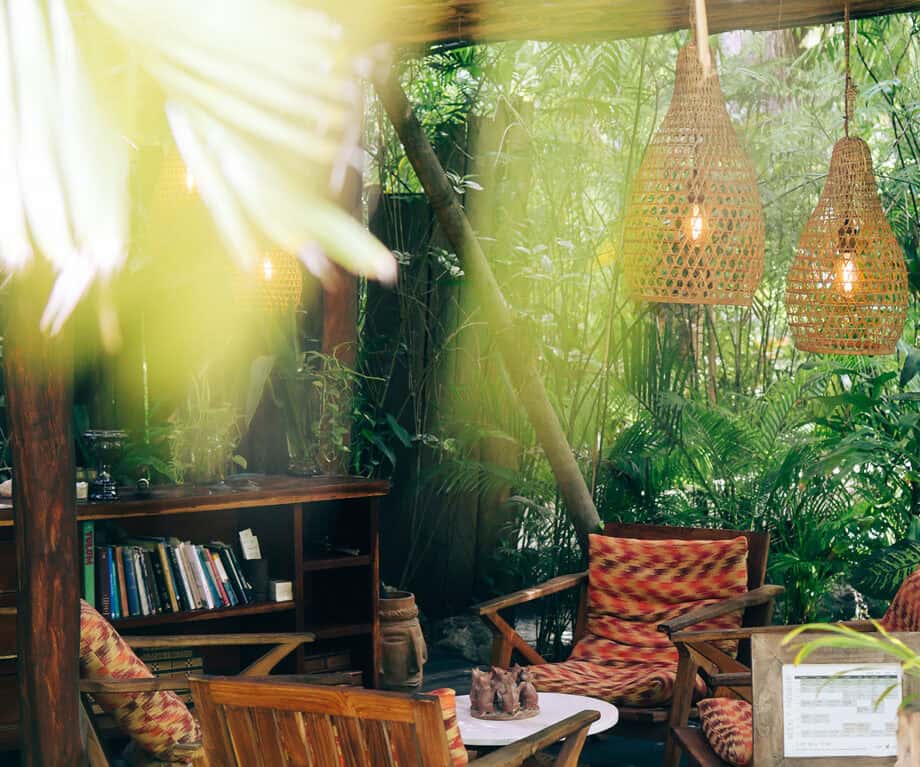
We chose Nômade Temple in Tulum for our weeklong eco-luxury escape. Hidden in jungle foliage, various accommodation options greet guests, all unified by a design of dark wood, iron, and natural materials. The design nods to nearby ruins, blending seamlessly with the jungle; instead of harsh white spaces, interiors are enticing, even a little sensual.
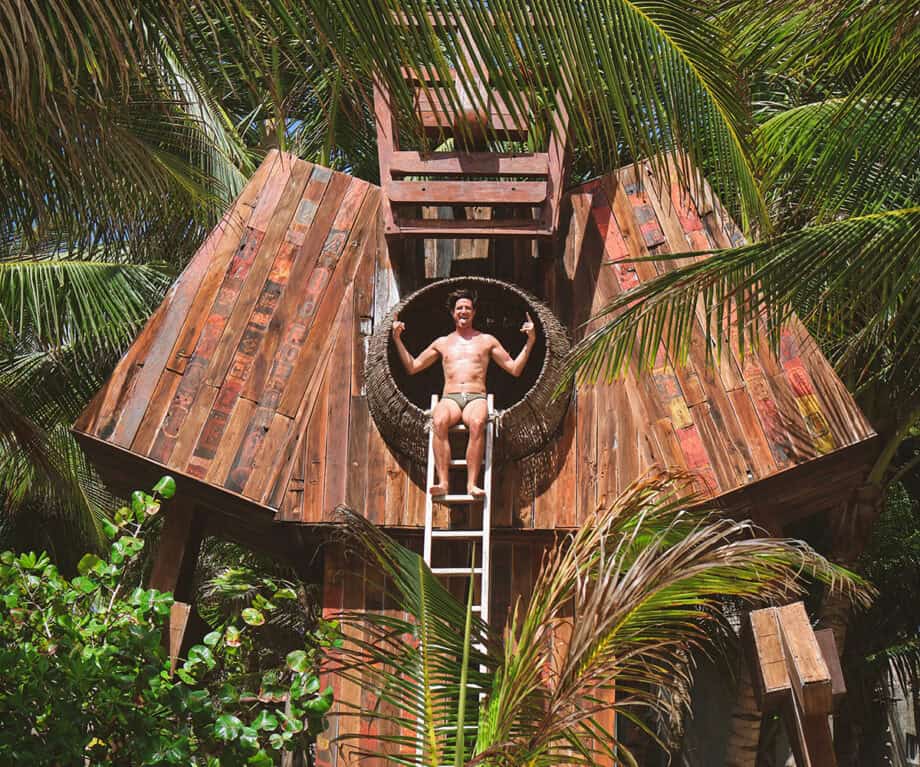
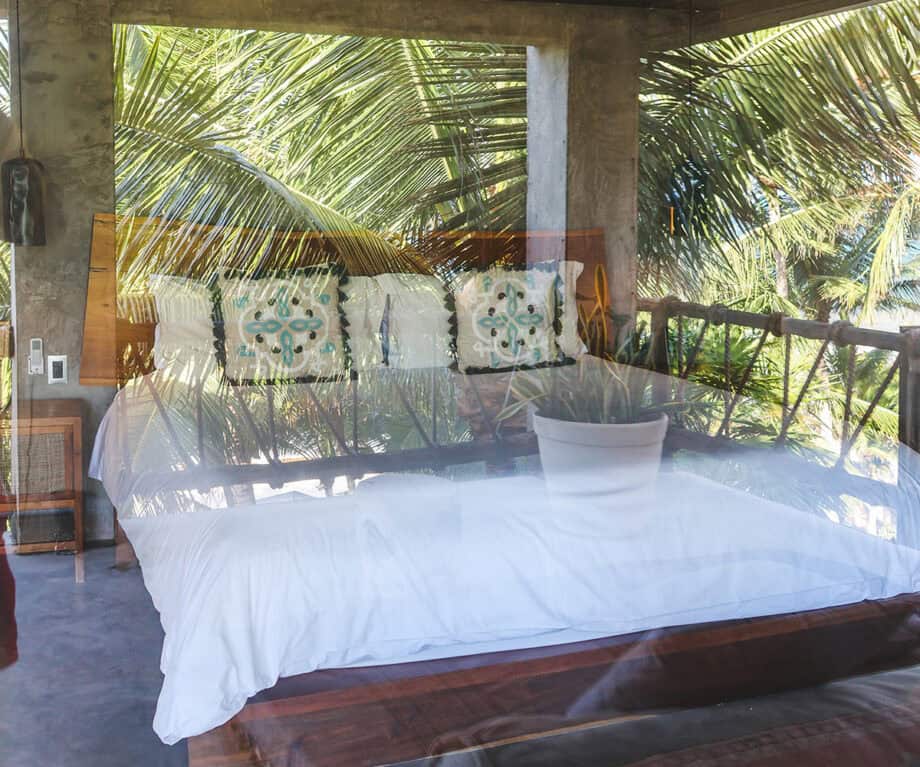
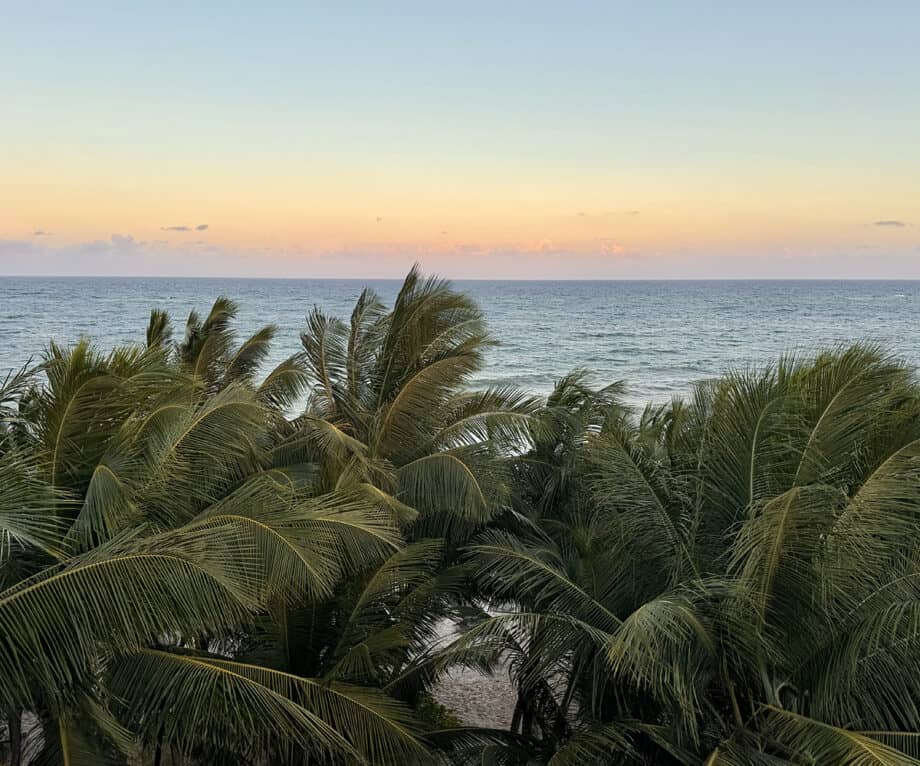
Our gorgeous suite was perhaps the best on the property: Room 38 has its own covered terrace spilling off from the bedroom, and then the crowning glory: a rooftop terrace with unmatched views over jungle and ocean. Would I return? In a heartbeat – and next time perhaps try the magnificent treehouses suspended at the forest’s canopy top.
With Nômade’s holistic and wellness focus, hours after arriving, I’d already enrolled in yoga classes, meditation, and fireside reflections. Journey curators ensure that every week, a flow of activities gives space for soul time – plus guest speakers and guides give expert input. During our stay, celebrated sex, love, and relationship coach Bibi Brzozka was offering inclusive daily workshops. A highlight was also the daily breakfasts, where we’d alternate feasting on the chilaquiles and açaí bowls.
Necessary pool and beach time ticket off, it was out to explore Tulum. The renowned archaeological site of the Tulum Ruins is an is one of the best-preserved Mayan villages – the cliff side location sets a dramatic scene. Arrive early to try to avoid the crowds – and set enough time to visit the observation tower and museum.
Next, a stroll through Tulum town in search of one or two trinkets for our new home, and then tacos – and Los Primos Taqueria Tulum did not disappoint. Don’t be afraid to drift a little off the main road – little craft shops are hidden about waiting to be explored. As a treat, for our last dinner we indulged in a tasty combination of contemporary Mexican cuisine and Sicilian technique: Clima Ristorante is a slice of Italy in the Yucatan, located in the entrance of the snazzy La Valise hotel.
Valladolid
After a week of sun soaking, stretching, and sleeping, it’s time for a deeper cultural dive. Ninety minuets’ drive or train inland from Tulum lies the cultural hotspot of Valladolid. The city was founded in 1543, named after the eponymic sister city in Spain. After centuries of conflict, marking what was happening in Mexico nationally, the city came into it’s own after 1910 – when it was one of the first sites of the Mexican Revolution.
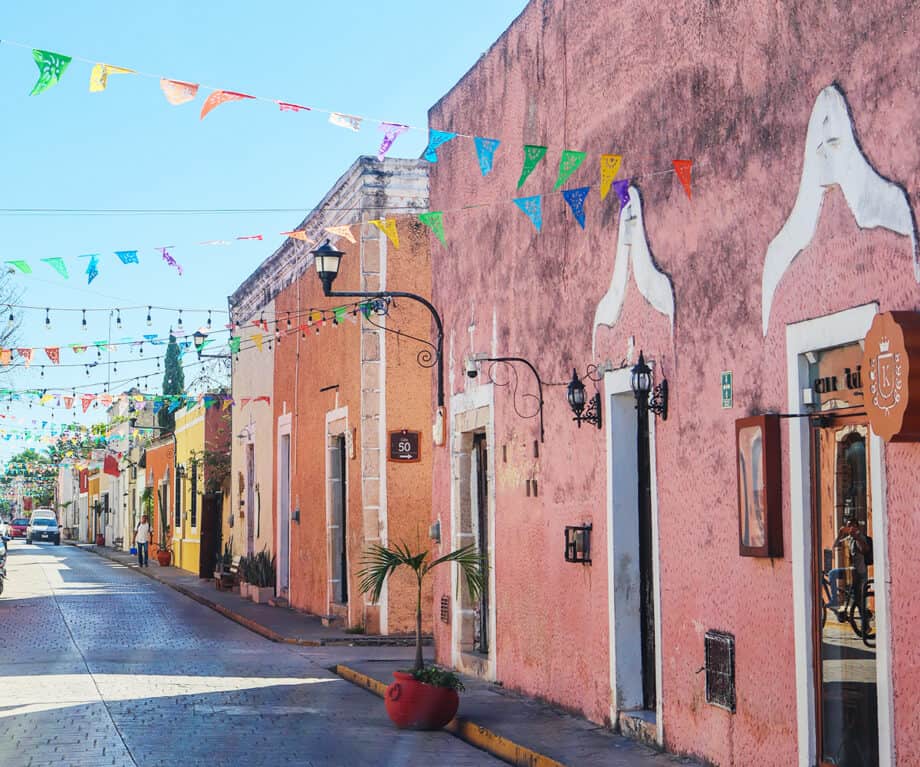
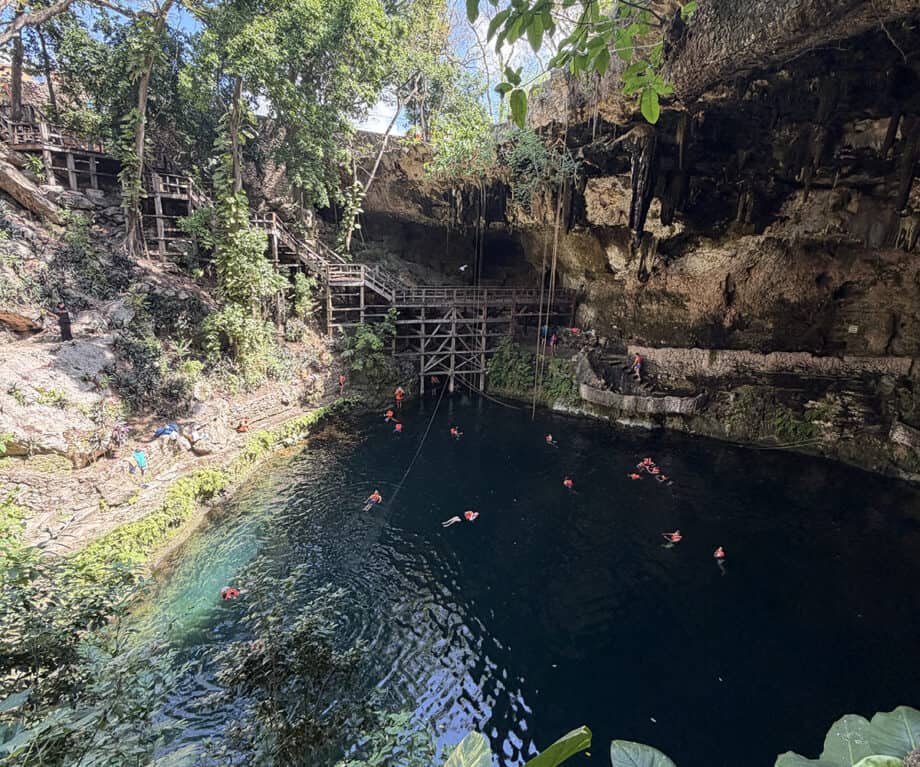
Today, history is best absorbed by walking the streets. Sisal’s Calz de Los Crailes is a treasure trove of ateliers, eateries and other interesting finds. The colourful houses add a kaleidoscopic touch. When it’s time to cool off, Cenote Zaci is the town’s festive swimming hole – a large landscaped cenote that includes a seven-meter jump for the brave. Eat at Los Portales for local cuisine, with a great location – the Coconut Hominy is an unmissable corn drink with coconut flavour. RojaCasa serves up the town’s best coffees, with great views, a central courtyard and evening movie screenings.
Every night at 9pm, a spectacular light and show is projected onto the central Cathedral of San Servacio. It’s free, lasts around 30 minutes, and is a mesmerising digital storytelling of the region’s history.
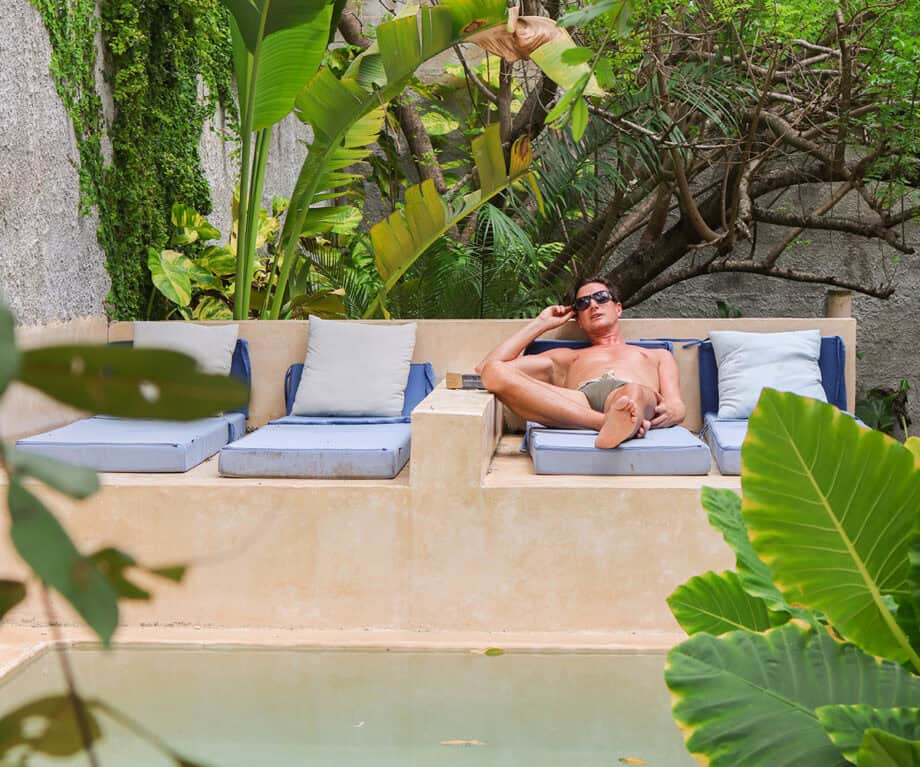
After every adventure in Valladolid, it’s back to the retreat of our charming little casa I’d found and booked online. Casa La Sultana has a bedroom with air conditioning, a large open living area, and my favourite – a lush garden refuge with a hammock and pool. Best of all – it’s a mere two-minute walk to Calz de Los Crailes.
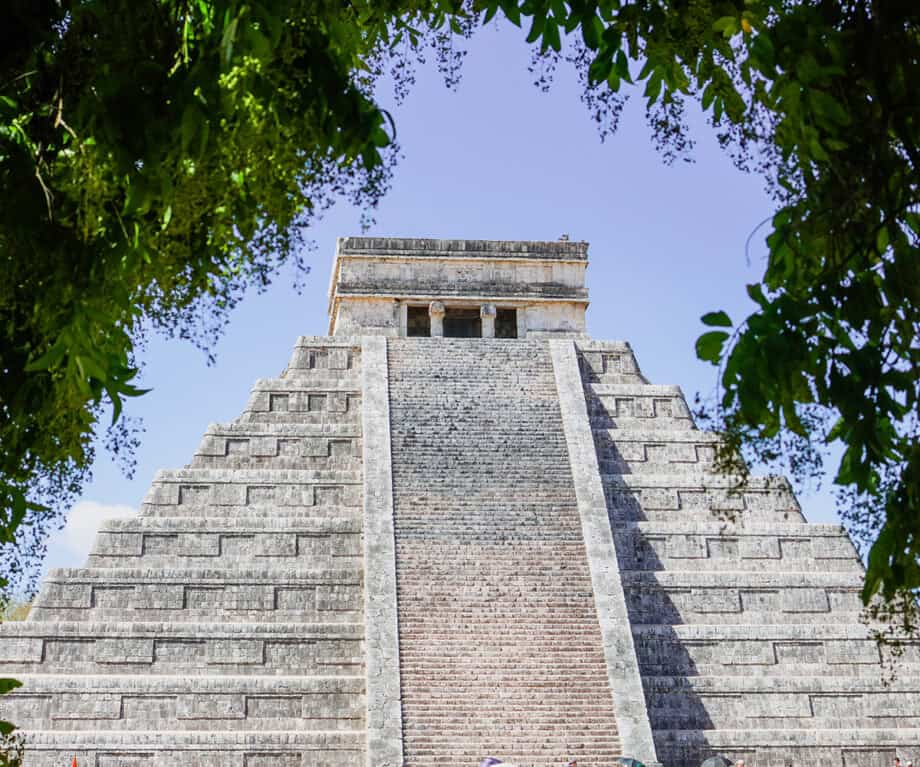
Then, perhaps saving the best for last, it’s time for one of the 7 Wonders of the World, and a UNESCO World Heritage site. I walked around Chichen Itza in near-silent amazement for two hours. The archaeological site features a large collection of Mayan structures and ruins, giving insight into what it was like in 700-1200AD, the largest city in the Yucatan. Chichen Itza is an easy 30-minute drive from Valladolid – be there for the opening to avoid crowds, and it costs £30 for entrance.

Jared Ruttenberg
Jared Ruttenberg is a travel writer from Cape Town, South Africa. He enjoys connecting people and experiences through words, images and social media.
Did you enjoy this article?
Receive similar content direct to your inbox.
Please enable JavaScript in your browser to submit the form

