


Athens is not a city that reveals itself quickly.
Mykonos does. You arrive, the light hits you, the sea is there, the island announces itself without reservation. Athens takes longer. The best of it is not on the surface and it is not in the guidebooks, and the people who leave after three days having seen the Acropolis and eaten at a restaurant near it have had a fraction of what the city offers and none of what makes it genuinely extraordinary.
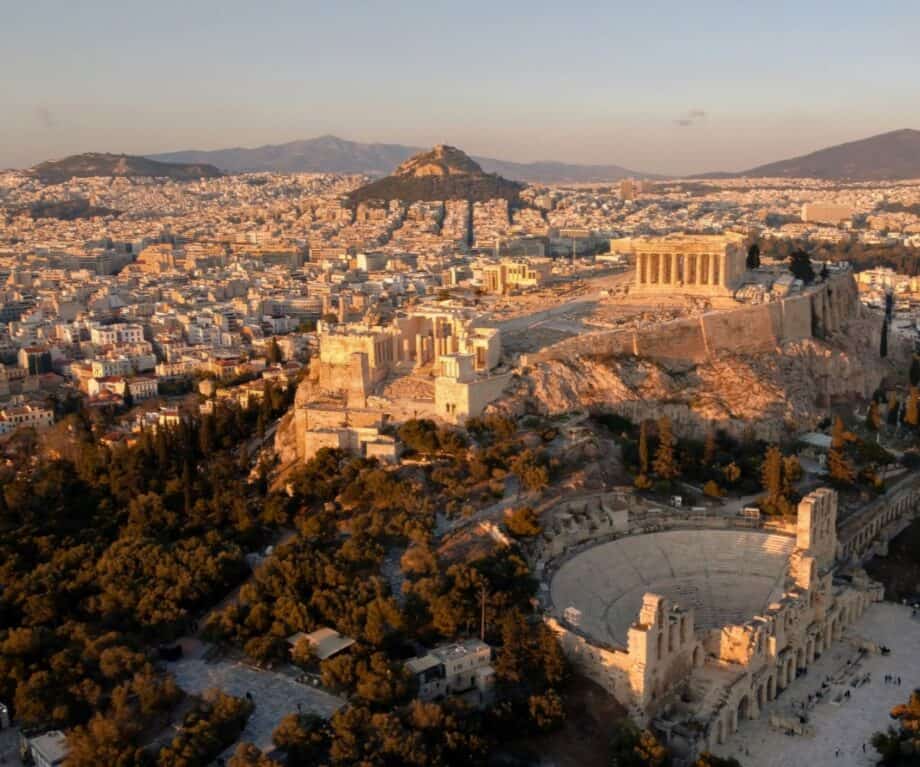
I have been bringing clients to Athens since 1999, alongside the work in Mykonos that most people associate with Concierge Unique. In that time I have watched the city transform from a place that serious luxury travellers tended to pass through into a destination that a growing number of them specifically seek out. The restaurant scene is now genuinely exceptional. The hotel product at the top end is among the finest in Europe. And the city has a cultural depth and a human texture that the Greek islands, for all their beauty, cannot replicate.
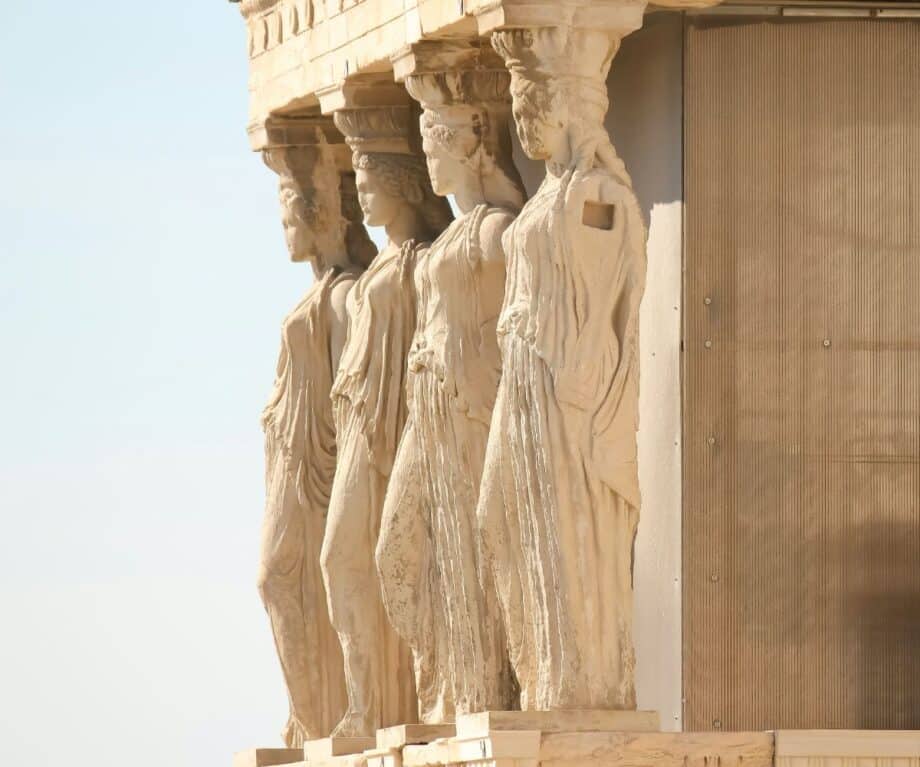
What Athens requires, more than most cities, is a guide who actually knows it. Not a guide in the tourist sense. Someone who knows which neighbourhoods repay walking and at what time of day, which restaurants are worth the attention and which are coasting on location and reputation, which experiences the city offers that are not available to anyone who simply arrives and starts looking.

Why Athens is harder to navigate than it appears
Athens is a city of layers. The ancient, the Byzantine, the Ottoman, the neoclassical, the modern — all of it sitting on top of each other in a way that takes time to read. Neighbourhoods that look unpromising on a map turn out to contain some of the most interesting restaurants and galleries in the city. Areas that look central and obvious are, in practice, primarily for people who have not been told about the alternatives.
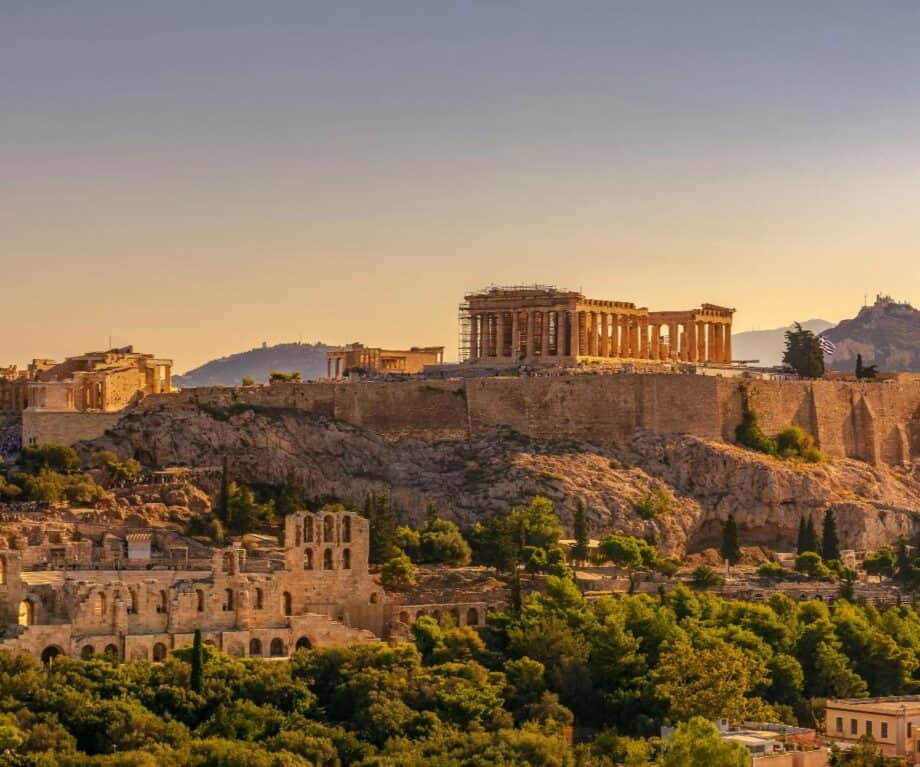
Kolonaki, Monastiraki, Psyrri, Koukaki, Pangrati — these names mean something specific to someone who knows the city and relatively little to someone who does not. The best table in the best neighbourhood on a particular evening depends on what is happening that week, what has opened recently, what has declined since it was last visited. This is the kind of knowledge that requires presence in the city rather than research about it.

I visit Athens regularly and I have done so for twenty-five years. The relationships I have there — with restaurant owners, with hotel managers, with the people who run the private galleries and the cultural institutions and the handful of experiences that never appear in any travel publication — are the product of that time. They are not available through a search.

What Athens actually offers
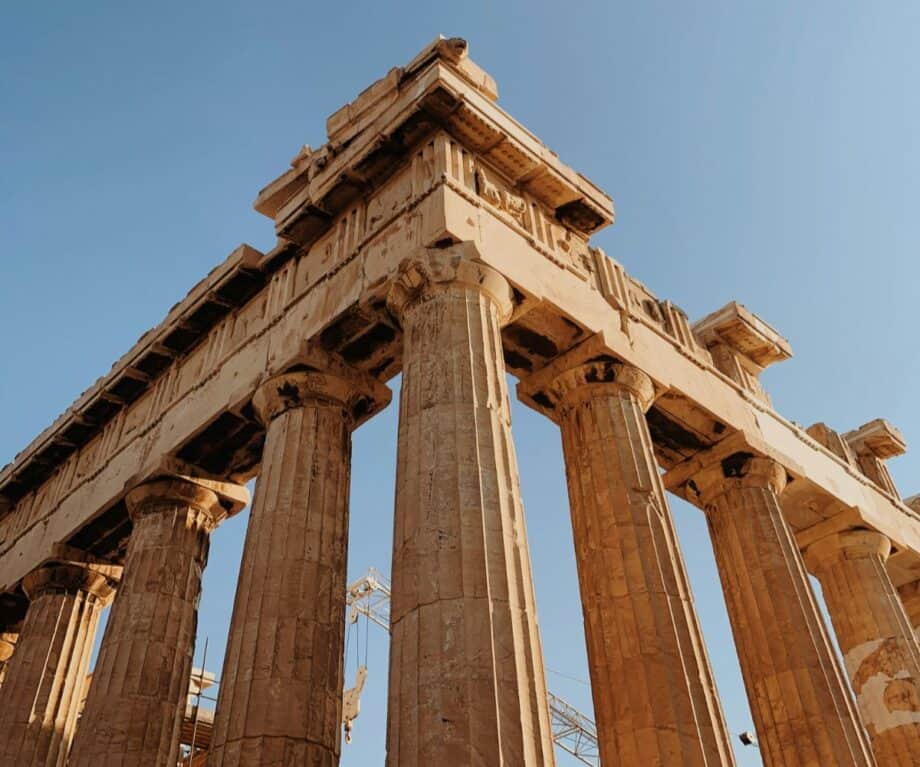
The Acropolis is real and it is extraordinary. Anyone who tells you otherwise has not stood on it at the right moment. The right moment is early morning, before the tour groups arrive, when the city is still quiet below and the light is the particular gold of an Attic morning and the thing you are looking at has been standing for two and a half thousand years. That experience requires a private early access arrangement, which requires knowing who to call.
Beyond the archaeology, Athens has a dining scene that has developed in the past decade into something genuinely worth travelling for. Not Greek food in the sense that tourists expect it — though the best traditional tavernas in the city are worth knowing — but a generation of chefs who have trained internationally and come back to cook with Greek ingredients in ways that have no precedent here. Getting a table at the right places requires either considerable advance planning or the kind of relationship that makes the call worth making.
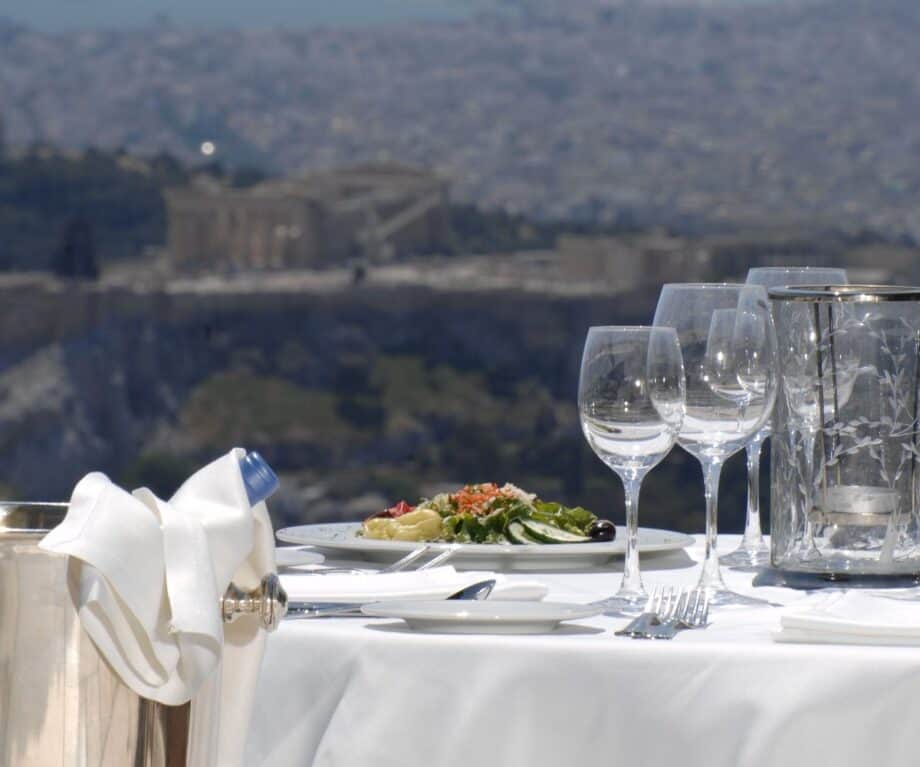
The city also has a private art scene — galleries, studios, collectors — that is largely invisible to visitors and that offers a completely different view of contemporary Greek culture than anything in the official institutions. These are not experiences that appear on booking platforms. They are conversations that happen between people who know each other.
The practical matters
Athens in summer is hot in a way that rewards planning the day around the heat rather than against it. The mornings are glorious. The midday hours are best spent somewhere with shade and something cold. The evenings are when the city properly comes alive, and they run later than anywhere else in Europe outside of Spain, which is either a problem or an opportunity depending on what you are used to.
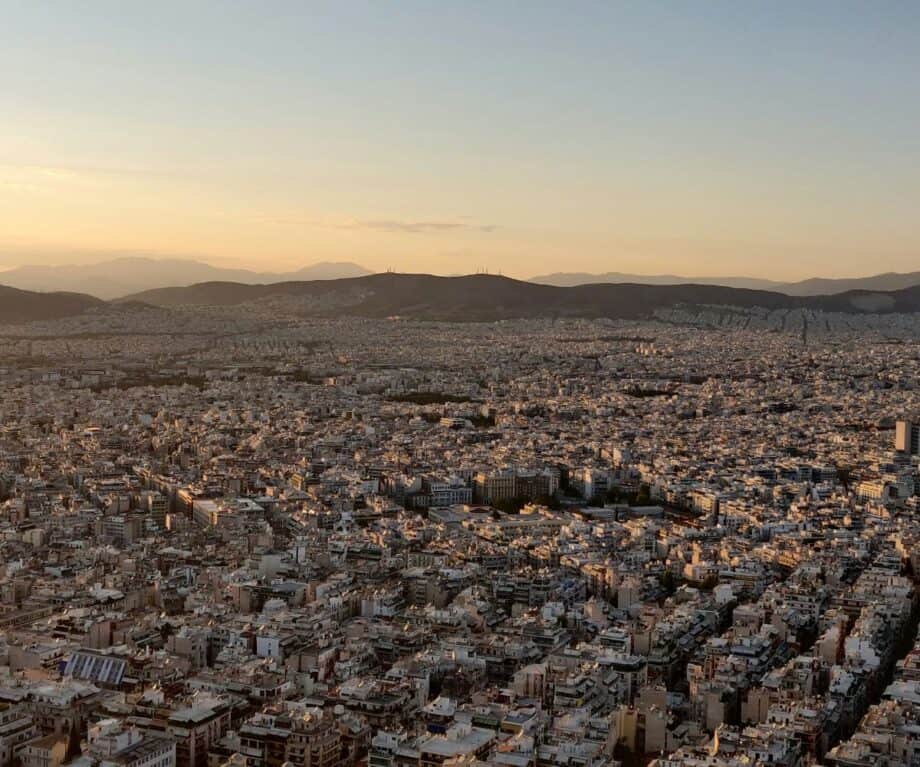
Transport in Athens is easier than Mykonos but has its own specifics. The city is large, traffic is real, and the distance between the centre and the airport — or between the centre and the coast — is significant enough that it needs to be planned rather than assumed. A driver who knows Athens is a different resource from a driver who knows Mykonos, and having both for a combined stay requires coordination from the beginning.
The hotel product at the top end has improved substantially. There are now properties in Athens that match anything in the major European capitals in terms of service, design, and position. Knowing which of them is right for a specific client and a specific visit requires knowing the properties directly rather than through a booking site.
Concierge Unique manages Athens stays alongside Mykonos, and across Greece more broadly, as a single coordinated arrangement when clients are visiting both. If you are planning time in Athens and want the city approached properly, reach out to Concierge Unique directly.

Tolis Voutsas
Tolis Voutsas is Founder and CEO at Concierge Unique. Concierge Unique is a private luxury concierge company established in Mykonos in 1999, arranging villa rentals, yacht charters, private jet transfers, destination weddings, and bespoke experiences for ultra-high-net-worth clients across Greece and internationally. If you would like to be a guest blogger on A Luxury Travel Blog in order to raise your profile, please contact us.
Did you enjoy this article?
Receive similar content direct to your inbox.
Please enable JavaScript in your browser to submit the form

