


The goal is not perfection. This post explains what I learned when I stopped trying to eat perfectly and why I don’t count macros. This article was originally on my Substack and I wanted to republish to share it here!
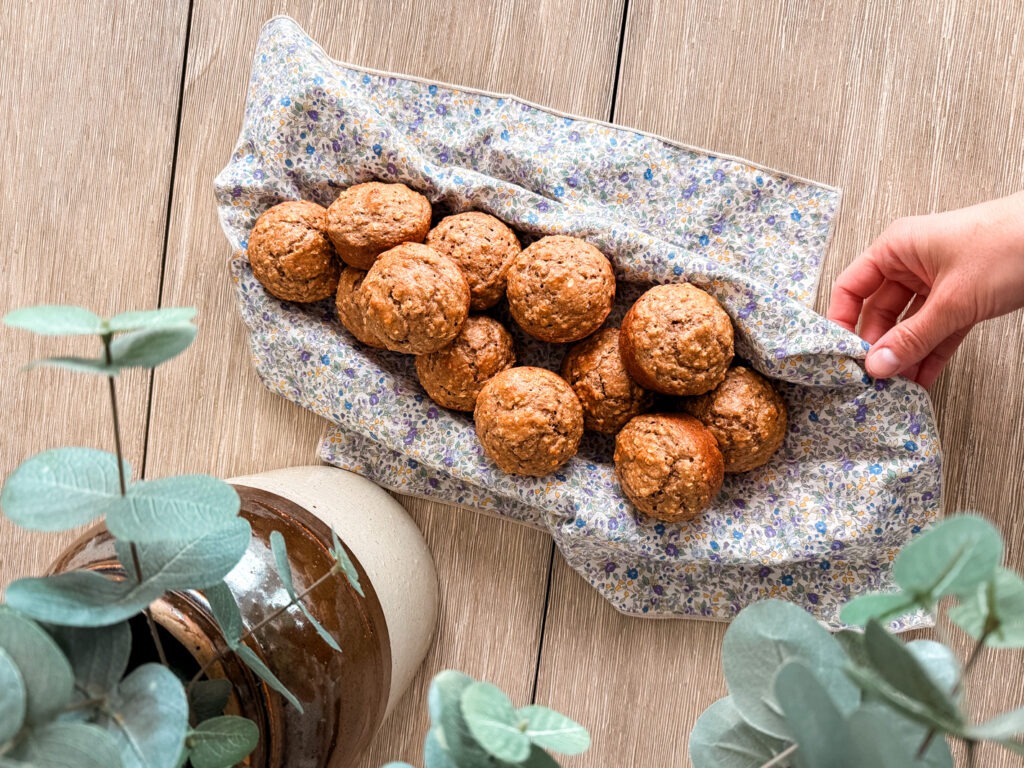
We live in an era obsessed with optimization — tracking every step, macro, and micro-decision, trying to squeeze performance out of every hour and calorie. As someone who very much lives in the land of checklists and efficiency (I’m an optimizer, I would know), I understand the appeal. Optimization feels productive. Responsible. Like you’re doing things right.
But at what cost?
Because when I imagine myself decades from now — hopefully in my 90s — I don’t think I’ll be thinking about how many grams of protein I ate per day or how I looked in my bathing suit at age 43. I want to be thinking about the adventures I had and who I did them with. The trips, the dinners, the conversations, the everyday moments that added up to a life.
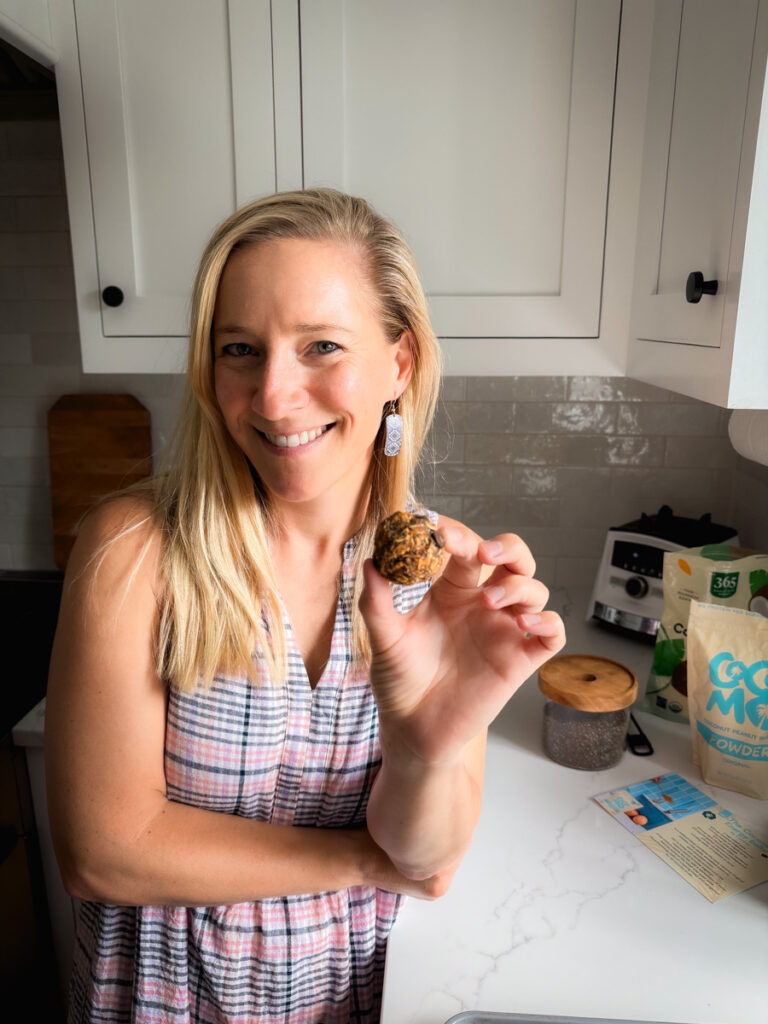
Why I Don’t Count Macros
Perfection has a sneaky way of sucking the joy out of eating. When every bite turns into a math problem or a moral decision, food stops being about nourishment and connection and instead starts feeling like homework. When I first started learning about nutrition, it was hard not to do this. Knowledge is power, and I suddenly started looking at food more as a number than fuel.
But I’ve learned that constantly tracking and tweaking doesn’t actually make life better. It just takes up valuable space in my head.
When I gradually let go of calorie counting, learned to trust my hunger and my body, I started to really enjoy food – and life – to the fullest.
Health As A Bell Curve
I like to think of health as a bell curve. And not one with a sharp point you can fall off of in the middle, but one with a normal curve shape that is gentle and gradual. (Also think of it as one part of the Squiggly Line!)
On one extreme is rigid restriction
This is where every meal feels like a math problem and every decision feels like it has moral weight. Foods become labeled as bad, and only the most nutrient dense foods are allowed. Optimization and perfection rule.
On the other extreme is total disregard for nourishment
This is where food becomes a stressor or a non-factor. (This could be by choice or not.) Health isn’t considered at all, and this could lead to long-term problems or a shorter lifespan.
The sweet spot is the peak of the bell curve
Where you’re nourishing your body, feeling great, supporting a long life, and still enjoying the process along the way. Where food gives you energy, strength, and resilience and leaves room for spontaneity, celebration, and pleasure.
The people who live the longest in the world aren’t counting macros. Blue Zones research suggests longevity comes from simple, plant-forward eating paired with daily movement, strong relationships, and a sense of purpose. This is all a reminder that health is about how we live, not just what we eat.
Nourishment Without Math
I don’t have the time or mental space to count calories or macros. I don’t want math taking up that much real estate in my brain. But I do care deeply about how I feel in my body and how I’m supporting my long-term health.
So instead of counting, I focus on a few simple things:
- Including a variety of carbs, proteins, fats, and colorful foods at most meals so I feel satisfied
- Eating plenty of vegetables and plants for fiber and antioxidants
- Getting enough protein to support muscle and strength as I age
- Choosing foods that help me feel good most days
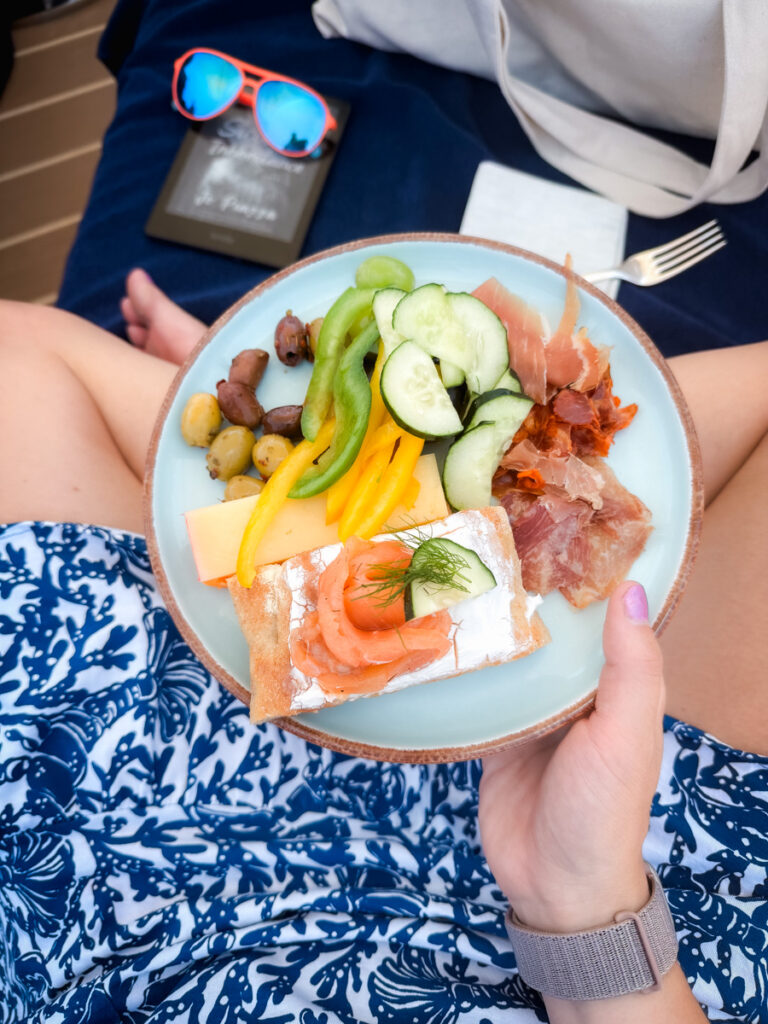
The goal is eating food to give me energy, good digestion, satisfied hunger, delicious taste, and community. The goal is to hit a pattern, not a formula.
Research shows that broad eating patterns, for example a Mediterranean-style diet, are linked with lower rates of heart disease and longer life, even without tracking exact macro targets. {PREDIMED study on Mediterranean diet benefits}
The Real Goal
I’m not saying we should ignore nutrition altogether — or never glance at a nutrition label, or stop caring about things like protein and hydration. Those things do matter. What I am saying is that they work best as general guideposts, not rigid targets. Broad intentions tend to support real life better than chasing exact numbers.
The goal isn’t perfection. The goal is feeling good for as long of a life as your body allows.
It’s having the energy to move your body, think clearly, and show up for your life and loved ones.
I’d love to hear from you
Where do you find yourself on the health bell curve right now? Have you ever noticed perfection creeping in where it wasn’t helping?

