



We’ve known about the many health benefits of the Mediterranean diet for years, like improved heart health and reduced risk of multiple chronic diseases. But now new research published in March shines a light on one of the mechanisms that make it such a healthful dietary pattern: its positive effects on tiny proteins produced inside our mitochondria.
“These microproteins may act as molecular messengers that translate what we eat into how our cells function and age,” explains Roberto Vicinanza, Instructional Associate Professor of Gerontology at USC Leonard Davis, who led the new study1. “It’s a new biological pathway that helps explain why the Mediterranean diet is so powerful.”
Specifically, the study found that those who adhered most closely to a Mediterranean diet didn’t just exhibit lower markers of oxidative stress, an important contributor to aging and chronic disease — they also boasted higher levels of two specific mitochondrial microproteins. Both of these microproteins have previously been associated with protection against both cardiovascular disease and neurodegeneration.
For experts like Dr. Erald Lula, MD, MPH, board-certified in Lifestyle and Obesity Medicine and Medical Director at NuHealth Medical Wellness, these results are anything but surprising.
“They echo decades of evidence,” says Lula, who was not involved in the study. “The Mediterranean pattern is one of the few diets with durable longevity and cardiometabolic data behind it, so another study reinforcing it is reassuring, not surprising.”
The New Study’s Findings Showcase the Tiny Proteins Responsible for Human Longevity

To reach their conclusions, the study authors selected 49 patients from an observational study in Rome for cross-sectional analysis, categorizing them based on their relative adherence to the Mediterranean diet. They found that the individuals who most closely adhered to the diet exhibited the highest levels of two mitochondrial proteins, humanin and SHMOOSE (Small Human Mitochondrial ORF Over SErine tRNA).
“These findings suggest that specific components of the Mediterranean diet may directly influence mitochondrial biology,” says USC Distinguished Professor Pinchas Cohen, the study’s senior author. “Humanin and SHMOOSE could serve as biomarkers for adherence to the Mediterranean diet and have clinical significance.”
Humanin
Humanin was first identified by Cohen in 2003 and is the better studied of the two proteins. It has since been connected with better insulin sensitivity2, delayed onset of diabetes, cardiovascular protection3, and preserved cognitive function4, notably as linked to Alzheimer’s disease.
The new study showcases a potential link between the protein and Nox2, an enzyme that generates harmful reactive oxygen species, suggesting that humanin may help limit oxidative stress and representing what Vicinanza characterizes as “a new cardioprotective mechanism of the Mediterranean diet.”
SHMOOSE
Cohen’s lab was also behind the 2022 discovery of SHMOOSE, a protein that notably seems to help protect neurons from amyloid-related damage5.
“These peptides are emerging as key regulators of aging biology,” Cohen said. “They connect mitochondrial function to diseases like Alzheimer’s and heart disease and now, potentially, to nutrition.”
The proteins seem to work in synchronicity, according to the study findings, and each is impacted by different elements of the Mediterranean diet. Olive oil, fish, and legumes were linked to higher humanin levels, while increased consumption of olive oil and lower consumption of refined carbohydrates were associated with higher SHMOOSE.
Reaping the Benefits of a Mediterranean Diet
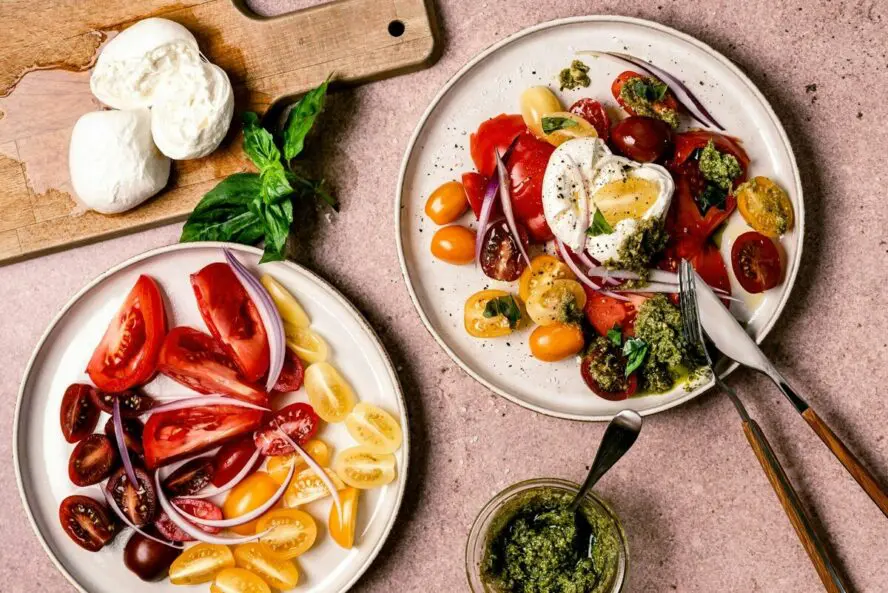
The Mediterranean diet gets its name from the plant- and fish-driven diets consumed by many populations in the Mediterranean basin. But for the purposes of this study, we’re looking at a fairly specific approach. The study authors measured adherence to the Mediterranean diet based on a nine-item Med-Diet questionnaire, which assesses consumption of olive oil, wine, fruits, vegetables, fish, legumes, and whole grains as well as consumption of meat, which should be low for a high score.
Replicating this diet at home isn’t difficult, but it may begin with a bit of a mindset shift, according to Johannah Katz RD, dietitian from Kaffico.
“I think people sometimes focus on one or two foods, like olive oil or red wine, instead of looking at the overall plate,” says Katz, who was not involved in the study. “The Mediterranean diet is best understood as a balanced, mostly whole-food pattern.”
Start with Plants
Katz recommends beginning by prioritizing plant-forward, high-fiber foods like fruits and vegetables, legumes like lentils, whole grains, nuts, and seeds. This focus on plants is echoed by another recent USC study, published in June, that found that a modified Mediterranean diet (mostly plant-based with small amounts of fish), was correlated with a longer lifespan6.
Add Heart-Healthy Fats

Next up, it’s time to focus on your fat sources: olive oil, nuts, and seeds. A PREDIMED randomized trial cited by Katz found that a Mediterranean diet supplemented with extra-virgin olive oil or nuts lowered major cardiovascular events in high-risk adults7.
“Olive oil, nuts, and seeds support cardiovascular and metabolic health and improve satiety, which makes the pattern sustainable,” echoes Lula. That said, be mindful of potential over-consumption of these heart-healthy foods.
“Olive oil and nuts are nutritious, but they are also energy-dense,” says Katz, “so I usually recommend using them intentionally (using them to replace current other saturated fats) rather than treating them as unlimited.”
Swap Fish for Meat
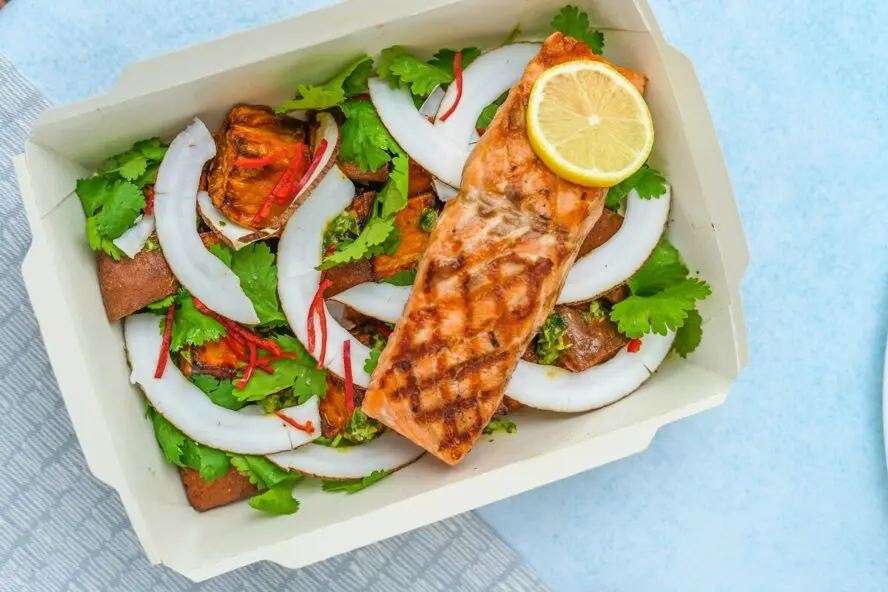
The next step is to prioritize fish, especially as a direct swap for less heart-healthy protein sources like processed meat. Fish rich in omega-3 fatty acids like salmon, sardines, and anchovies are your best bet for reaping maximum benefits.
Nix the Processed Foods
Adhering to a Mediterranean diet isn’t just about what you eat; it’s also about what you don’t eat. Namely: refined and ultra-processed foods. Nixing these is, according to Lula, “the highest-leverage change” you can make, seeing as it lowers the glucose and insulin swings and inflammation that accelerate aging.
“The biggest win is displacing ultra-processed food,” he says. “Most of the benefit is what you stop eating as much as what you add.”
Be Flexible and Kind to Yourself
Stressing out over getting your adherence to the Mediterranean diet just right isn’t just a recipe for cortisol spikes: It’s also not necessary.
“The Mediterranean diet works because it is flexible and sustainable, not a rigid ‘diet,’” says Katz. She recommends that people “start with swaps, not perfection.”
“Add beans or lentils to one meal a few times per week,” she suggests. “Swap butter or creamy dressings for extra-virgin olive oil-based options. Choose fruit or Greek yogurt with nuts for a snack instead of a more refined-carbohydrate snack. Replace some refined grains with oats, barley, farro, or whole-grain bread. Eat fish regularly if you enjoy it and build more meals around vegetables and legumes.”
And above all, there’s no need to worry if you aren’t perfect in your approach. “You do not have to eat perfectly or abandon your favorite cultural foods,” she says. “You can apply the pattern by emphasizing more whole plant foods, more unsaturated fats, more seafood and fewer highly processed foods.” It’s the perfect recipe for a happier, healthier, longer life.
Sources:
- https://www.frontiersin.org/journals/nutrition/articles/10.3389/fnut.2025.1727012/full
- https://pmc.ncbi.nlm.nih.gov/articles/PMC3834779/
- https://pubmed.ncbi.nlm.nih.gov/32680738/
- https://pmc.ncbi.nlm.nih.gov/articles/PMC6154958/
- https://www.sciencedaily.com/releases/2022/09/220920211233.htm
- https://www.news-medical.net/news/20260623/USC-study-links-modified-Mediterranean-diet-to-longer-lifespan.aspx
- https://www.nejm.org/doi/full/10.1056/NEJMoa1800389