


There’s a reason the Serengeti sits at the top of most people’s safari bucket list. Endless golden plains, more predators than you know what to do with, and skies that make you understand why “big sky country” gets used so liberally in East Africa. This is the itinerary I’d send to anyone asking how to do a short but seriously impactful Serengeti safari — four nights in the heart of the park, bookended by two very different cities, and one hard-won lesson about the Ngorongoro Crater road that I’m passing on so you don’t have to learn it the way we did.
The short version: fly into Nairobi, drive to Arusha, hop on a bush plane into the Serengeti, stay four nights at Nimali Serengeti, then loop back via Ngorongoro Crater into Arusha for three nights of pure recovery at the Gran Meliá. Let’s get stuck into this 4-day Serengeti safari itinerary.
Before we get into the day-by-day, here are the questions I get asked most, starting with the one that shapes the whole trip.
The best way to get to the Serengeti?
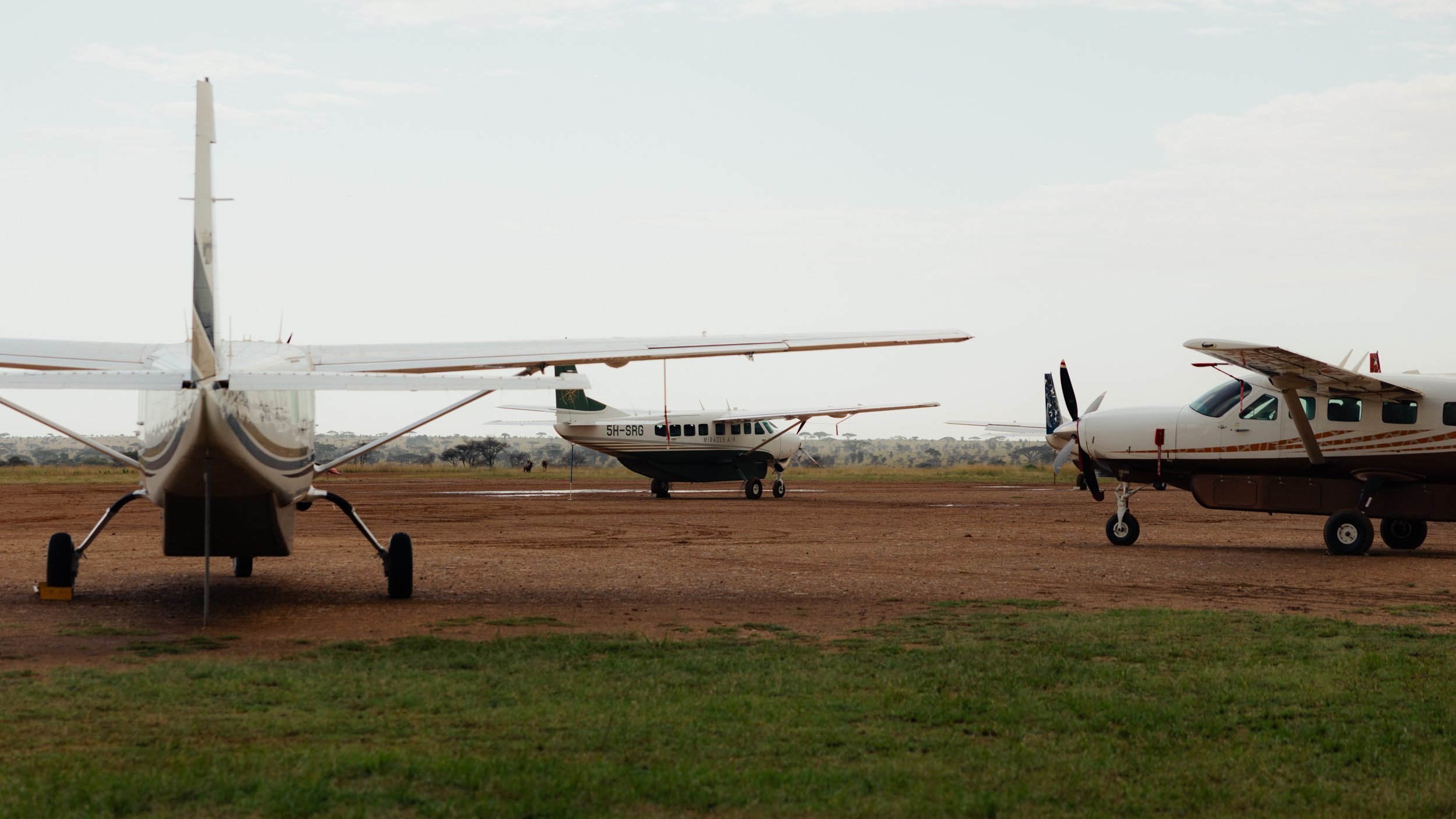
Without a doubt, flying. The central Serengeti is around 225km from Arusha as the crow flies, and much further by road. The flight into Seronera airstrip takes about an hour, compared to nine hours on a very bumpy, dusty road. I’m scared of flying, but it was so worth it. You pass over Ngorongoro Crater, then swoop down over the great migration before landing in the heart of the Serengeti, which you simply can’t replicate from a car. The flight was super smooth too.
The best place to stay in the Serengeti?
Central Serengeti has one of the highest densities of wildlife in the world, with predator action that’s unmatched year-round. The endless plains and rocky kopjes make it feel like a real-life Lion King. Southern Serengeti is the best spot for cheetahs, so it depends on your goals, and you can easily do both in one trip. I’d base yourself in Central Serengeti, though, especially if the migration is there. There are some beautiful luxury camps to choose from, and Nimali and Asilia are my favourites.
The best time to visit the Serengeti?
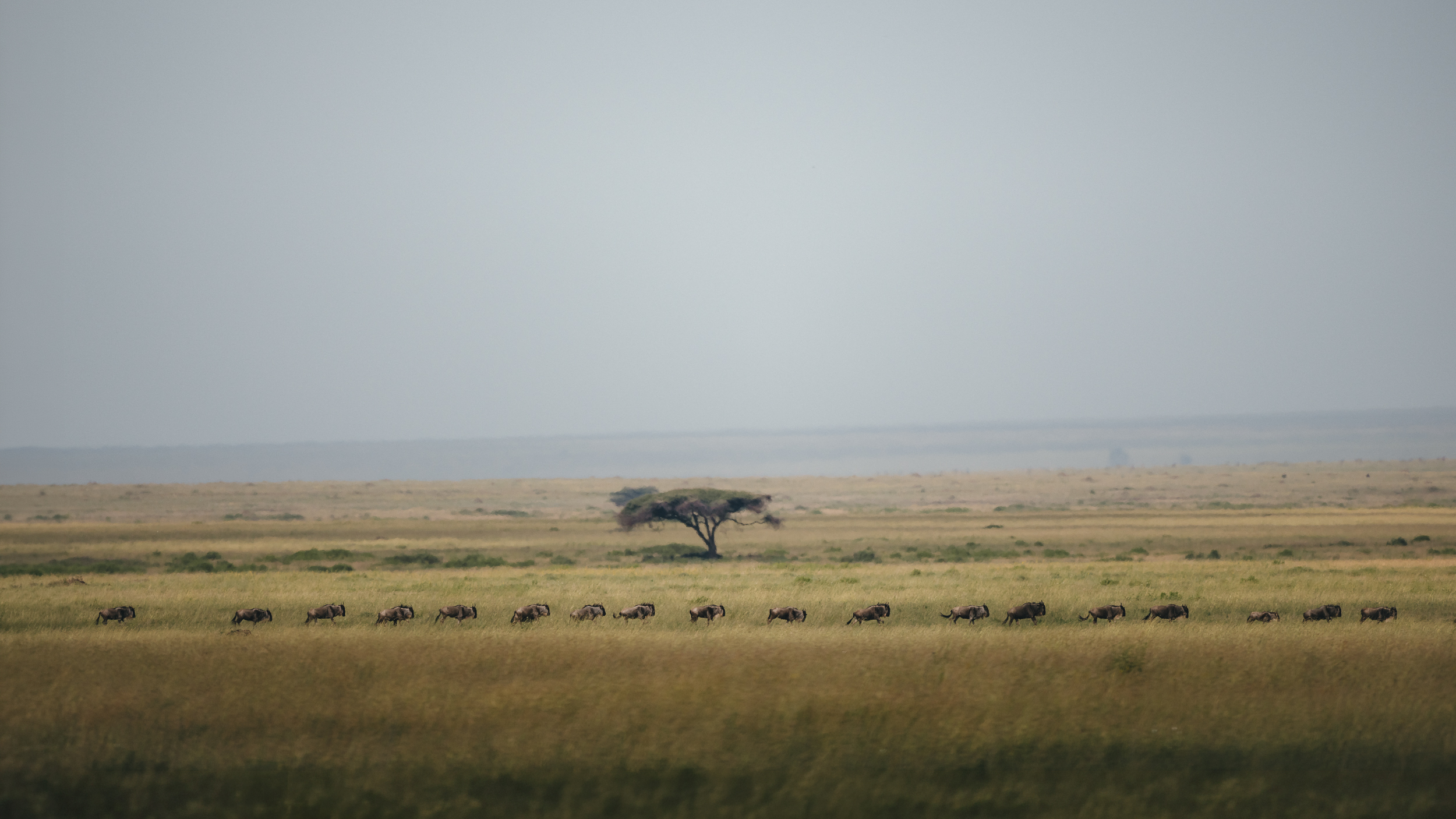
It’s incredible year-round, but if I had to choose, I’d go during the great migration. It passes through between April and June, then returns around October and November.
How much does it cost?
The Serengeti has the highest park fees in Africa, but it’s also the best place in the world for wildlife, especially predators. Accommodation ranges from budget camps to luxury villas, and I’d aim for at least a mid-tier camp. Accept that it isn’t cheap, but it’ll be the trip of a lifetime and will eclipse any safari you’ve done before.
Four days in the Serengeti costs anywhere from $750 to $4,000+. Group tours that drive from Arusha via Tarangire are the cheapest option, but you’ll share a vehicle and spend most of your time getting from A to B rather than watching wildlife.
Best advice!
There are two kinds of guides in the Serengeti: tour guides and field guides. Tour guides are based in Arusha and take guests on a long loop through places like Tarangire, Ngorongoro and Lake Manyara before reaching the Serengeti. The vehicles are usually packed, and in my opinion guests miss the real experience, shuttled from stop to stop with little time at each sighting. Field guides are based at the camps inside the park. They know the area best and offer a far more intimate safari.
If you can, book your safari package through your accommodation rather than a tour company.
With all that in mind, here’s exactly how it played out, starting with touchdown in Nairobi.
Day One: London to Nairobi
We flew direct from London to Nairobi and landed in the evening. If you’ve done any research into East Africa travel, you’ll already know the advice: don’t attempt a long drive after a long-haul flight, and definitely don’t do it after dark. So rather than push straight on to Tanzania, we built in an overnight stay in Nairobi to reset, get some sleep, and start the trip properly rested rather than running on fumes.
It’s a small addition to the itinerary, but it makes a genuine difference to how you feel on day two.
Day Two: Nairobi to Arusha, then a Bush Plane into the Serengeti
This was the logistics-heavy day, but it’s also where the trip starts to feel like a proper adventure. From Nairobi, we drove south across the border into Tanzania, arriving about 6 hours later in Arusha, the starting point for safaris in Tarangire, Ngorongoro and, of course, the Serengeti.
From Arusha, instead of the long overland route, we caught a bush plane into Seronera Airstrip, right in the heart of central Serengeti. Quick disclaimer: I’m scared of flying… and especially scared of flying in a small, 12-seater bush plane. Still, there’s nothing quite like soaring above the Ngorongoro Crater and watching the landscape shift from green mountains to the flat, dry grasslands of the Serengeti. The flight is only about 1 hour from Arusha to Seronera (depending on stops)… and how many times the pilot needs to swoop down above the wildebeest to clear them from the airstrip. An experience I won’t be forgetting in a hurry!
Flying vs driving into the Serengeti: this is the single best decision we made on this whole itinerary. A road transfer from Arusha into the central Serengeti can take the best part of a day on rough tracks. The bush flight takes about an hour, and you land with plenty of time left for game drives.
Days Three to Six: Four Nights at Nimali Serengeti
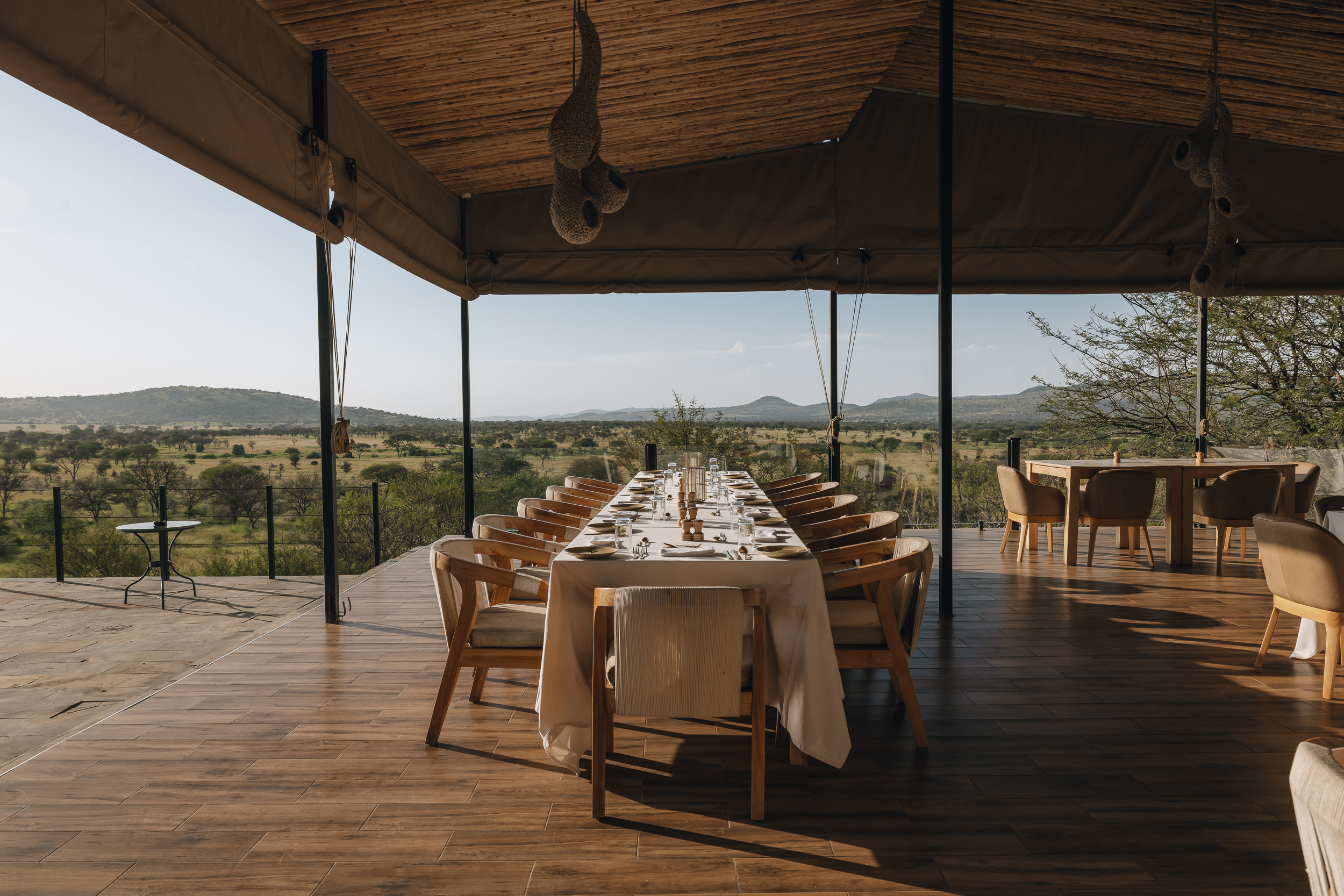
Touching down at Seronera, we were met by our guide and driven the short distance to Nimali Serengeti, our base for the next four nights and, without question, one of the best safari camps I’ve stayed in.
Nimali Serengeti sits close to Makoma Hill in the central part of the park — prime, year-round game-viewing territory, whether or not the Great Migration happens to be passing through at the time of year you visit. Luckily for us, it was! The camp itself is intimate: a small collection of elevated tented suites with sweeping views over the plains, each with an outdoor shower and a bathtub that makes post-game-drive downtime feel properly indulgent rather than an afterthought.
Fun facts about the Serengeti:
- The Serengeti ecosystem spans roughly 30,000 km² across Tanzania and Kenya
- “Serengeti” comes from the Maasai word siringet, meaning “the place where the land runs on forever”.
- It’s home to the Great Migration — over two million wildebeest, zebra and gazelle moving in a continuous loop.
- Central Serengeti (where Nimali sits) offers strong game viewing year-round, migration or not.
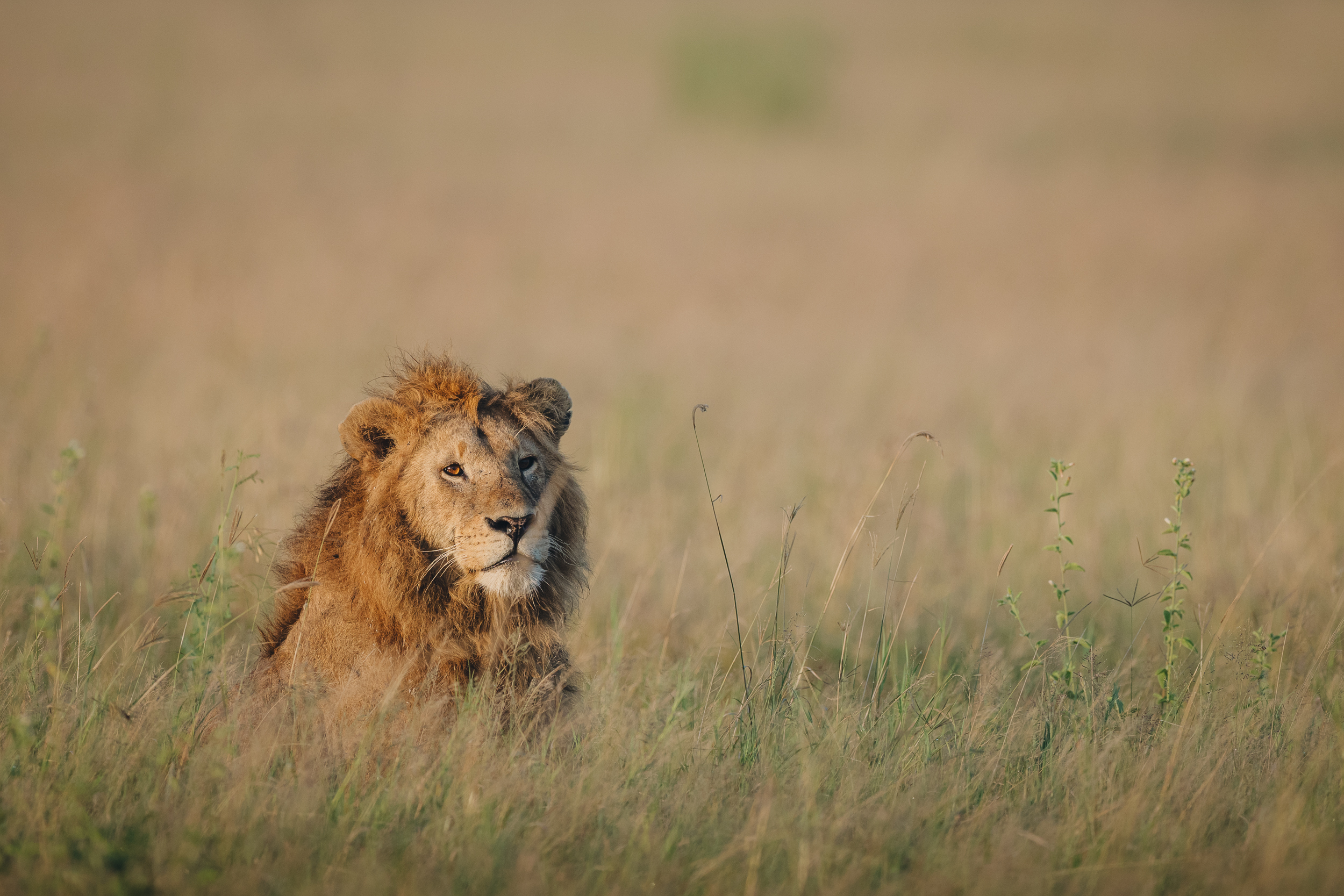
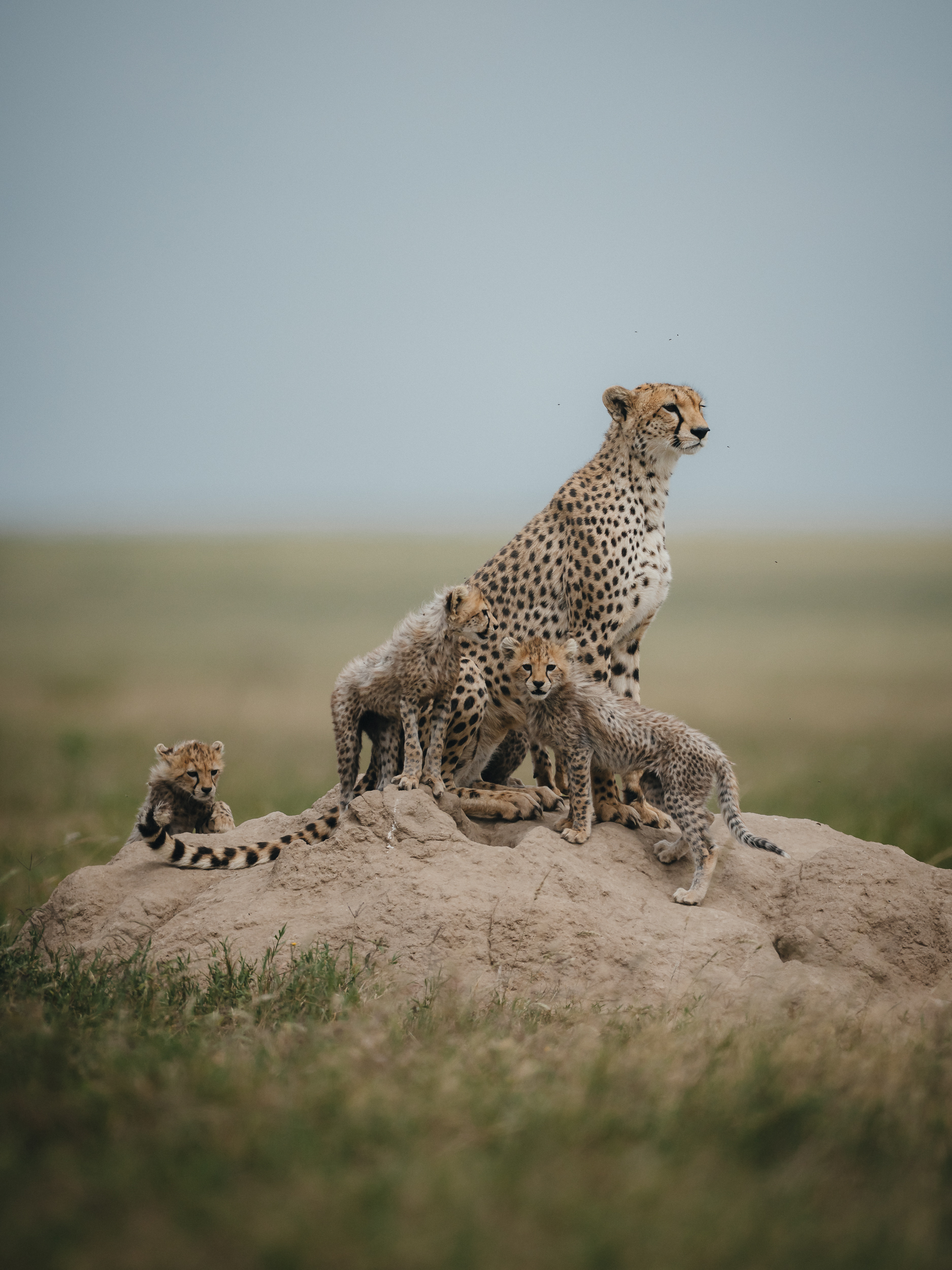
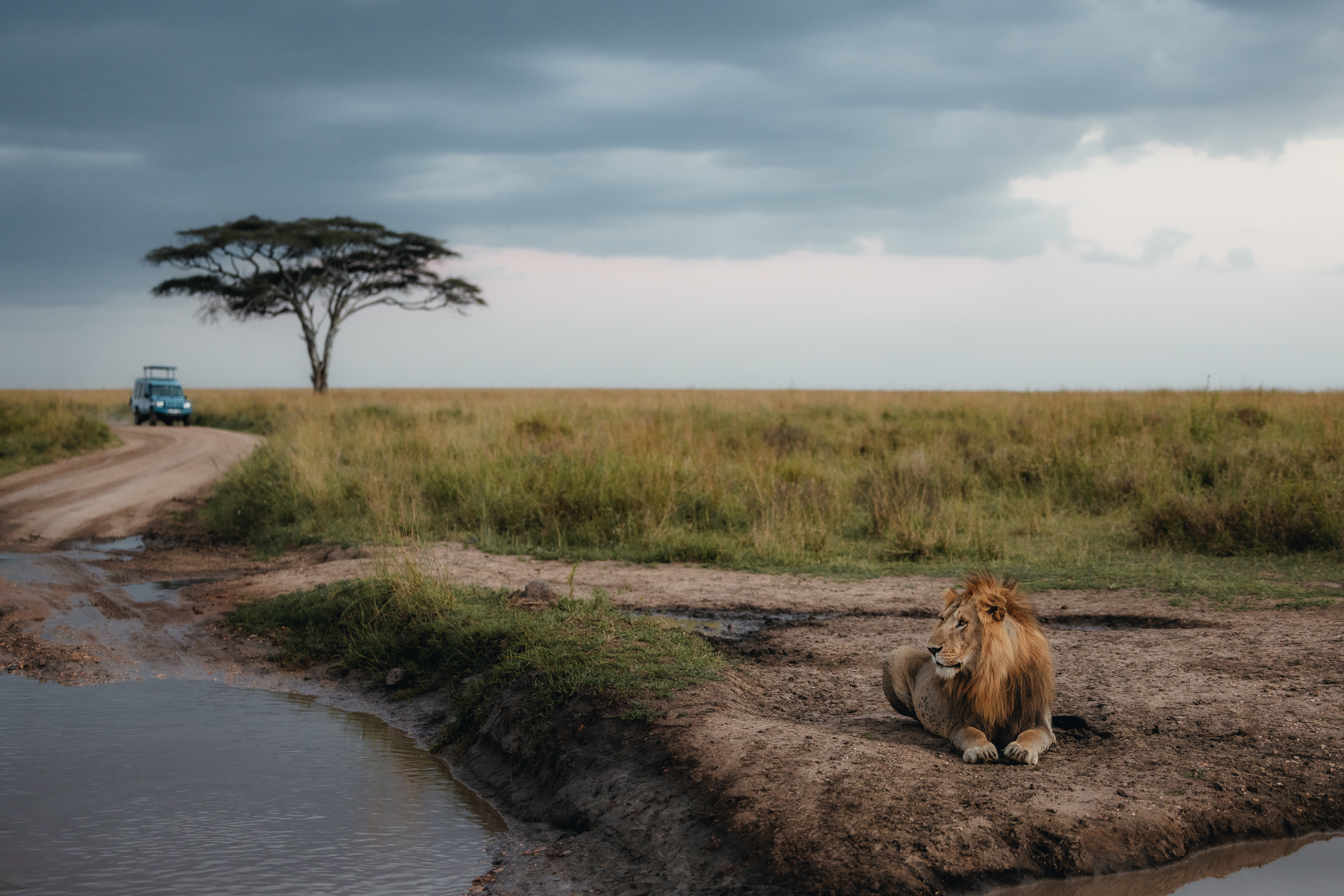
The Serengeti really is safari on easy mode. We saw countless lion prides, some sitting high on the kopjes, others hanging out in trees, cheetahs scanning the plains from termite mounds, and of course the great migration of wildebeest and zebra. Early-morning and late-afternoon game drives out of Nimali are genuinely some of the best wildlife encounters I’ve had anywhere in Africa.
Top tip:
Four nights is the sweet spot here. It’s enough time to have a slow morning or two, get multiple game drives in different directions from camp, and not feel like you’re racing the clock every single day.
Feeling inspired by the idea of an African safari? Take a look at some of our other travel guides for more adventure inspiration.
Day Seven: The Long Way Back — Serengeti to Arusha via Ngorongoro Crater
This is the day I’d do differently if I went again.
We drove out of the Serengeti back towards Arusha, via the Ngorongoro Crater. The drive takes you out of the Serengeti and then climbs up through Masai territory until reaching the crater rim, where you can enjoy the immense view before gradually descending toward Arusha. If you can build in an overnight stay at the crater rim, it’d be worth it to enjoy a game drive on the crater floor the next day, but unfortunately we didn’t factor this into our trip.
However — and this is the honest bit — the drive itself was nine hours. From central Serengeti to Arusha was nine hours on winding, rough and very dusty roads, which, to be honest, I never want to do again. By the time we rolled into Arusha we were flattened, and that’s really the only downside to an otherwise incredible itinerary.
My honest recommendation: if crossing the crater rim isn’t a non-negotiable for you, fly back to Arusha instead. You’ll save the best part of a full day and arrive at your next hotel with some energy left to actually enjoy it. If you do want Ngorongoro Crater in your trip, I’d build in an overnight near the crater rim rather than trying to drive the whole route in one push — it turns a brutal transfer day into a proper two-day highlight.
Days Eight to Ten: Three Nights at the Gran Meliá Arusha
After that drive, arriving at the Gran Meliá Arusha felt like landing in paradise. This was, genuinely, the perfect way to close out the trip.
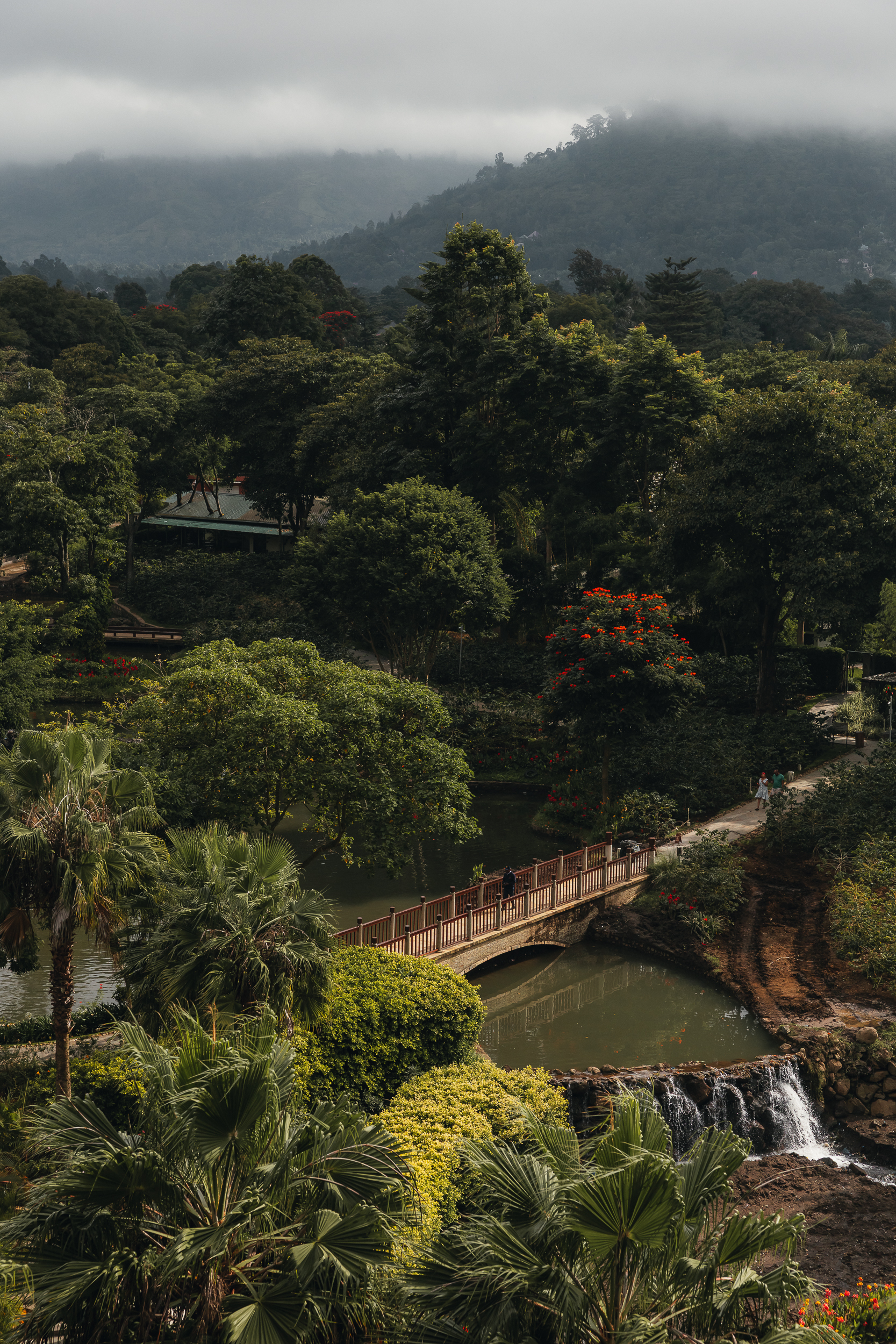
The Gran Meliá is currently the only luxury hotel in Arusha, and it shows in every detail. The design leans into its setting between the Serengeti and Kilimanjaro — Tanzanian tribal motifs woven through modern interiors, warm coffee-bean tones, and a sense of scale and polish that’s genuinely rare in this part of Tanzania. The hotel rises up out of surrounding coffee and tea plantations, and the grounds feel like a proper green oasis after days spent on dusty safari tracks — manicured gardens, an infinity pool, and enough shaded terrace space to spend entire afternoons doing absolutely nothing.
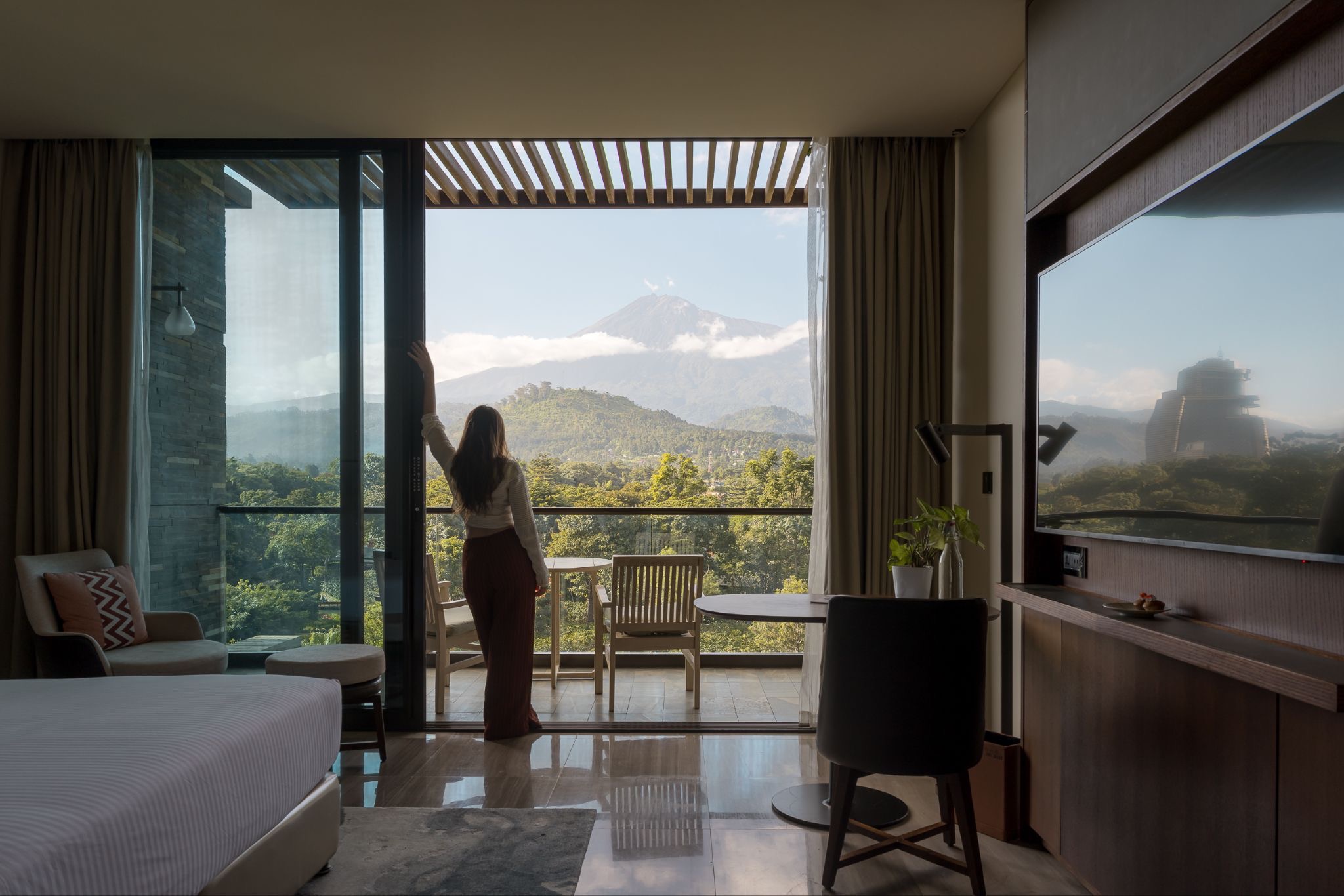
Food was a real highlight too — multiple on-site restaurants meant we didn’t get bored over three nights, from international menus to more elevated options, all executed properly rather than feeling like standard hotel fare.
Why three nights works so well here: after the intensity of a Serengeti safari (early starts, long drives, sensory overload in the best way), you actually want downtime that feels like downtime. Three nights at the Gran Meliá gave us time to properly decompress — pool days, spa visits, good food, and zero alarm clocks — before facing the journey home.
Day Eleven: Arusha to Nairobi, and the Flight Home to London
The final leg mirrored day two in reverse: a drive from Arusha back across the border to Nairobi, then a flight back to London. It’s a long final day, but by this point you’re running on the kind of contentment that makes travel days feel a lot more bearable.
Quick-Reference Itinerary
| Day | Where | What |
| 1 | London → Nairobi | Overnight stay to reset after the flight |
| 2 | Nairobi → Arusha → Serengeti | Drive to Arusha, bush plane to Seronera Airstrip |
| 3–6 | Serengeti National Park | 4 nights at Nimali Serengeti |
| 7 | Serengeti → Arusha | Drive via Ngorongoro Crater (9 hrs — fly if you can) |
| 8–10 | Arusha | 3 nights at Gran Meliá Arusha |
| 11 | Arusha → Nairobi → London | Drive to Nairobi, fly home |
Final Thoughts on This 4-Day Serengeti Safari Itinerary
If you’re weighing up how to structure a Tanzania safari trip, this route gives you the best of both worlds: total immersion in the Serengeti’s wildlife, without the trip feeling like an endurance test from start to finish. The bush plane transfer is what makes it work — protect as much of your Serengeti time as possible by flying rather than driving wherever you can, and save the road miles for the one leg where the scenery (Ngorongoro Crater) genuinely earns it.
And whatever you do, budget in proper recovery time at the end. After days like the ones you’ll have in the Serengeti, an oasis like the Gran Meliá Arusha isn’t a luxury — it’s basically a necessity.
Have you been to Serengeti?
What were your thoughts on visiting Serengeti National Park? Anything you’d add to this Serengeti bucket list?

