


If you need the full low-down on how to plan your visit to Colombia, you are in the right place. This complete Colombia travel guide covers everything from safety and getting around to the best places to go in this South America paradise.
The people of Colombia are very friendly, warm and welcoming. Despite people’s fears, most parts of Colombia are safe, and I had a great time there as a solo female traveller. Colombia is one of the most culturally interesting places I have ever visited, with its colourful dance cultures, music, tropical fruit, world-class coffee and cacao, beaches, the Andes mountains and the Amazon rainforest.
Colombia is a great destination for nature lovers, foodies, dancers and musicians, and people interested in immersing themselves in the melting pot of indigenous, colonial Spanish, and Afro-Colombian Caribbean cultures.
If you’re considering an adventure to Colombia but the end of this travel guide you’re going to be ready to book your flight. This complete Colombia travel guide has everything you need to plan your trip and will take you through all the best places to visit in Columbia! Ready?
When to visit Colombia
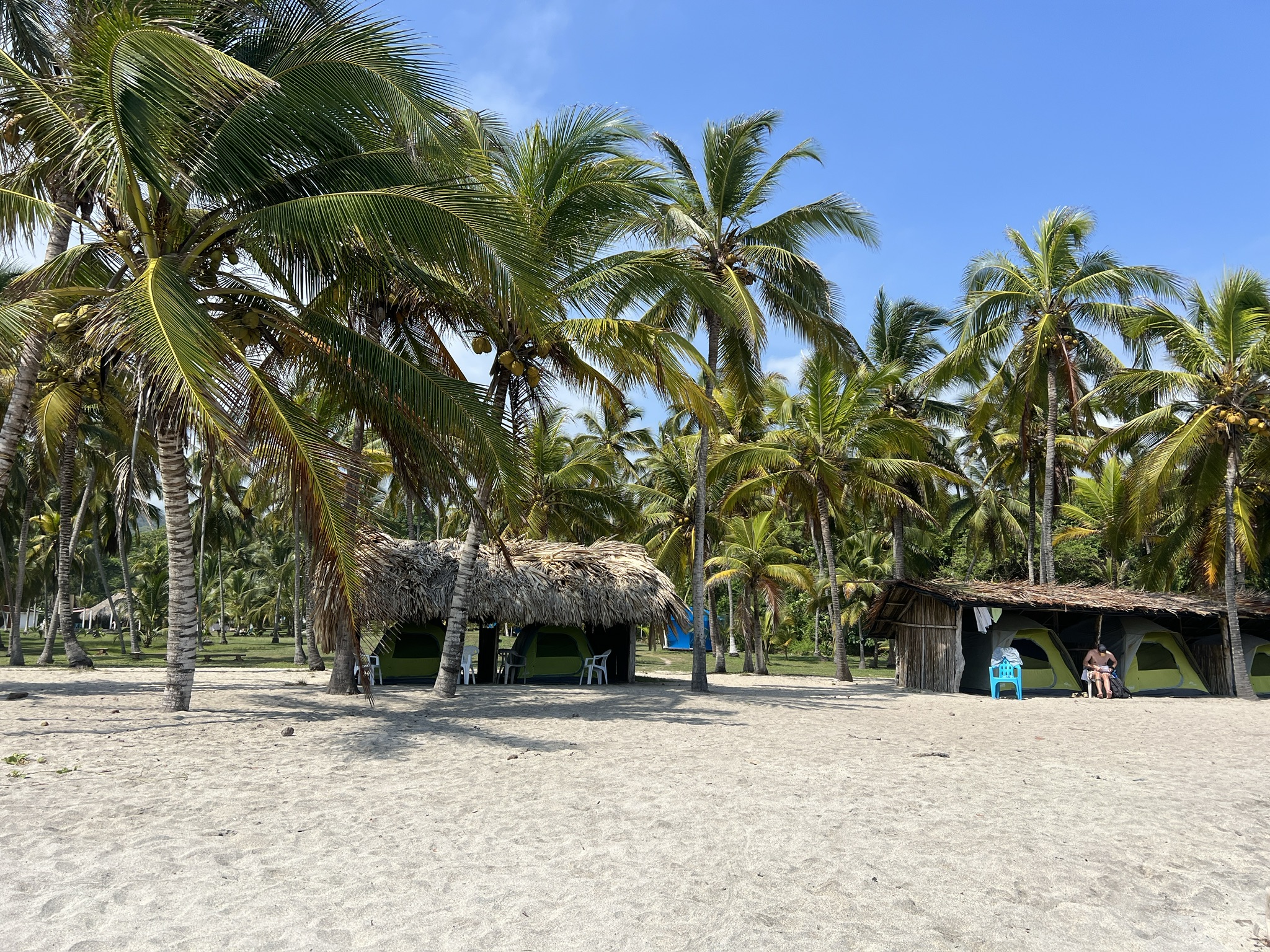
Colombia is close to the equator, so you can visit at any time of the year for consistent temperatures. Many Colombians from the cities go to the Caribbean coast for the summer, so to avoid crowds, skip these areas in December and early January.
When you pack, consider the altitude of your destinations: the Caribbean coast and Cali can be very hot, while Bogotá and destinations in the Andes are quite cool.
Arriving at Bogotá El Dorado airport
Some people choose to skip Bogotá, but I highly recommend spending a couple of days checking out the city. I loved it so much that I decided to extend my stay there! Read more about the Best Things To Do in Bogotá.
The airport is on the outskirts of the city, so it is best to get to your accommodation by Uber. If you don’t speak Spanish, have Google Translate ready, as Uber drivers usually ask you to sit in the front seat and walk outside the main pickup area to avoid conflict with taxis and authorities – Uber is a legal grey area, but is commonly used and was recommended to me by locals as the safest transport option and is a great way to avoid taxi scams.
If you do take a taxi, avoid organising it with the office building inside the terminal after the baggage claim – they charge much higher prices.
Useful travel information for Colombia:
Airport wifi and SIM cards
I highly recommend using an e-SIM for the first few days until you can buy a local SIM card, as the airport wifi is NOT reliable and SIM cards are much more expensive at the airport!
Money
Cash is a common way to pay for things in Colombia, though many restaurants and shops in the larger cities take card payments. Sometimes you might need to pay for your accommodation in cash, so make sure you have enough and find out whether smaller towns have an ATM before you go.
Pickpocketing is common, and muggings are not unheard of. Only carry the cash you need, visit ATMs during the day, and have at least one backup credit or debit card stored in a separate bag or pocket.
Getting around in Colombia: domestic flights & buses
Colombia is much bigger than I expected before I arrived! There are large distances between destinations, so you will need to either fly or take a long-distance bus. I took flights between all cities on my trip.
Getting around in Colombian cities
Uber is cheap and should be your go-to for getting home late at night and for airport transfers. Local buses are usually safe, but it is important to ask at your accommodation.
Vaccinations and health in Colombia
For the Amazon region, consider bringing malaria medication. You need to have a yellow fever vaccination to enter Tayrona National Park and the Amazon. Remember to get travel insurance before your trip. Water is drinkable in Bogotá, Medellín, and Cali, and tastes good. However, outside these areas, buy bottled water, boil it, or bring a portable filter or purification tablets.
Safety in Colombia
The people of Colombia are very friendly, warm and welcoming! As in every part of the world, the vast majority of people are good, and a few are not. If you are a solo travelling woman like me, you may find you hear “Oh, ¡que linda/hermosa!” (how beautiful) walking down the street, but catcalling is generally not aggressive.
I felt quite safe, but I do recommend you take precautions. If you go off the main tourist paths, research the areas you plan to visit. Be open and connect with people, but don’t trust too quickly and be aware of your surroundings.
There is no one-size-fits-all itinerary for a trip to Colombia, but here are a few of my personal favourite destinations for the complete Colombia trip:
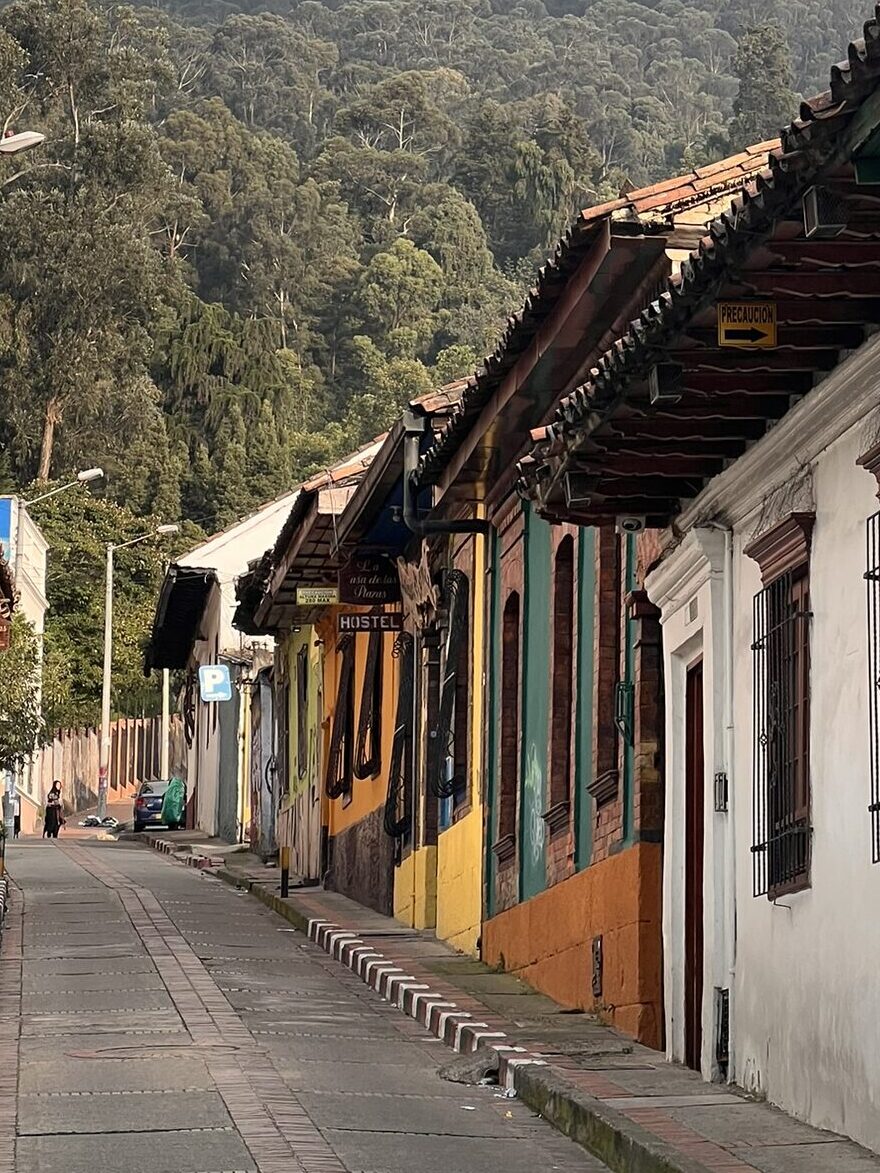
Bogotá
How long to spend there: If you’re short on time, 2-3 days will be enough!
Go for: Culture, history, art, and city skyline views from the Cerro de Monserrate (Monserrate hill). Bogotá is a great first destination in Colombia, where you can ease into the local ways while immersing yourself in local cultural and culinary delights.
See my Bogotá travel guide here.
Cali
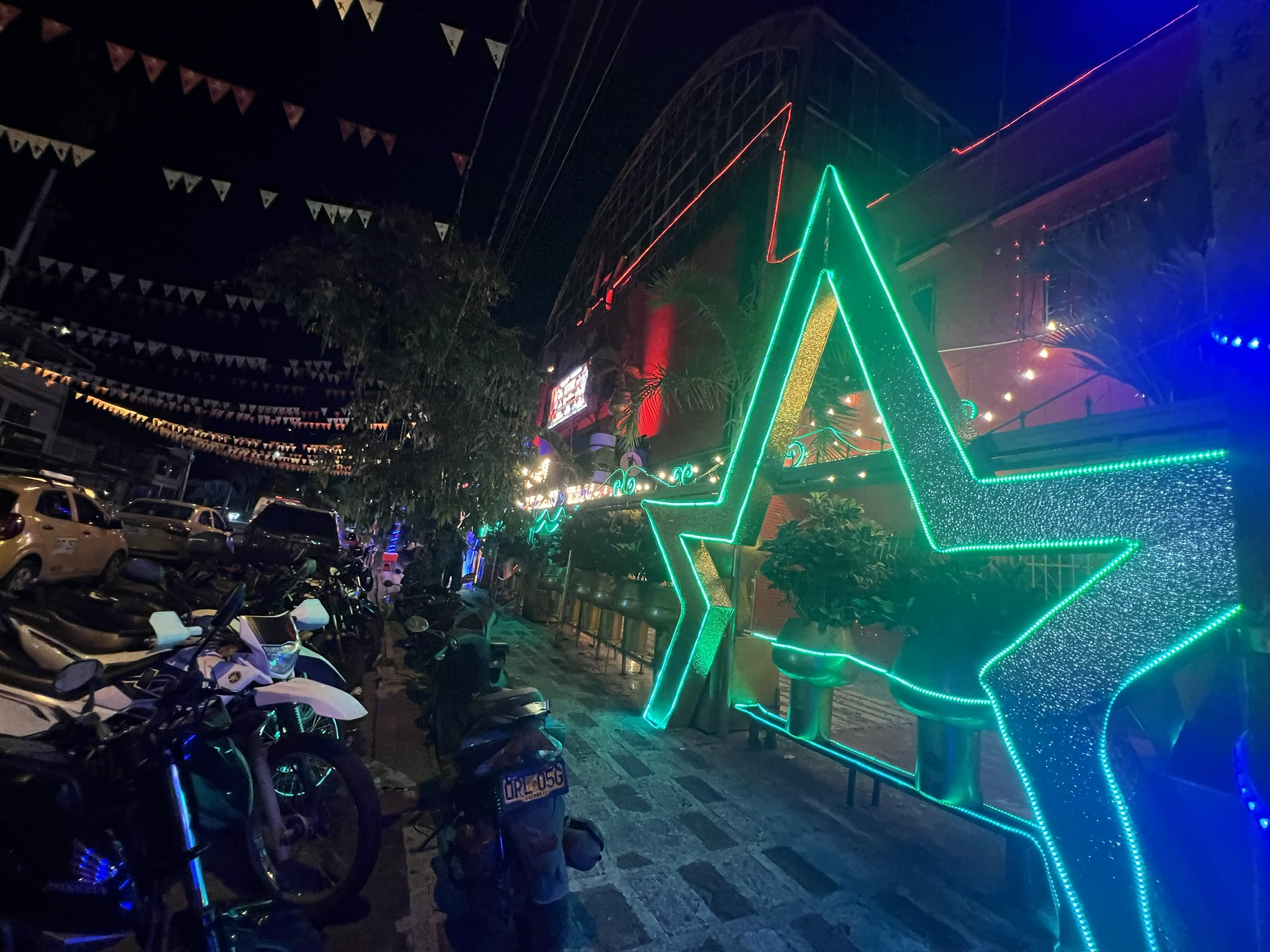
How long to spend there: 3-4 days if you’re on a tight schedule, but most people stay for a week or several to work on their salsa dancing skills! Don’t worry if you’ve never danced before; most travellers I met here were learning for the first time.
Go for: Learn salsa, try traditional caleña food, and go to a salsa show! The city of Cali is considered the salsa capital of the world!
Santa Marta, the Sierra Nevada and Minca
How long to spend there: 1-2 nights in Santa Marta, 4 days in Minca – or longer if you have time to relax or do more hikes!
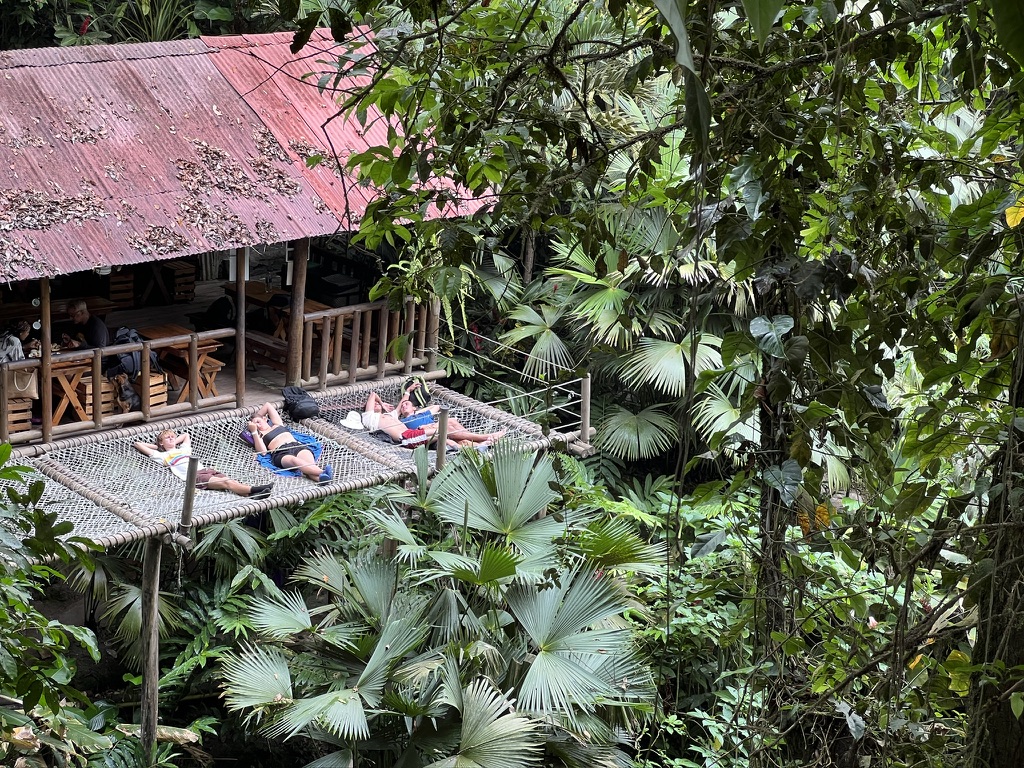
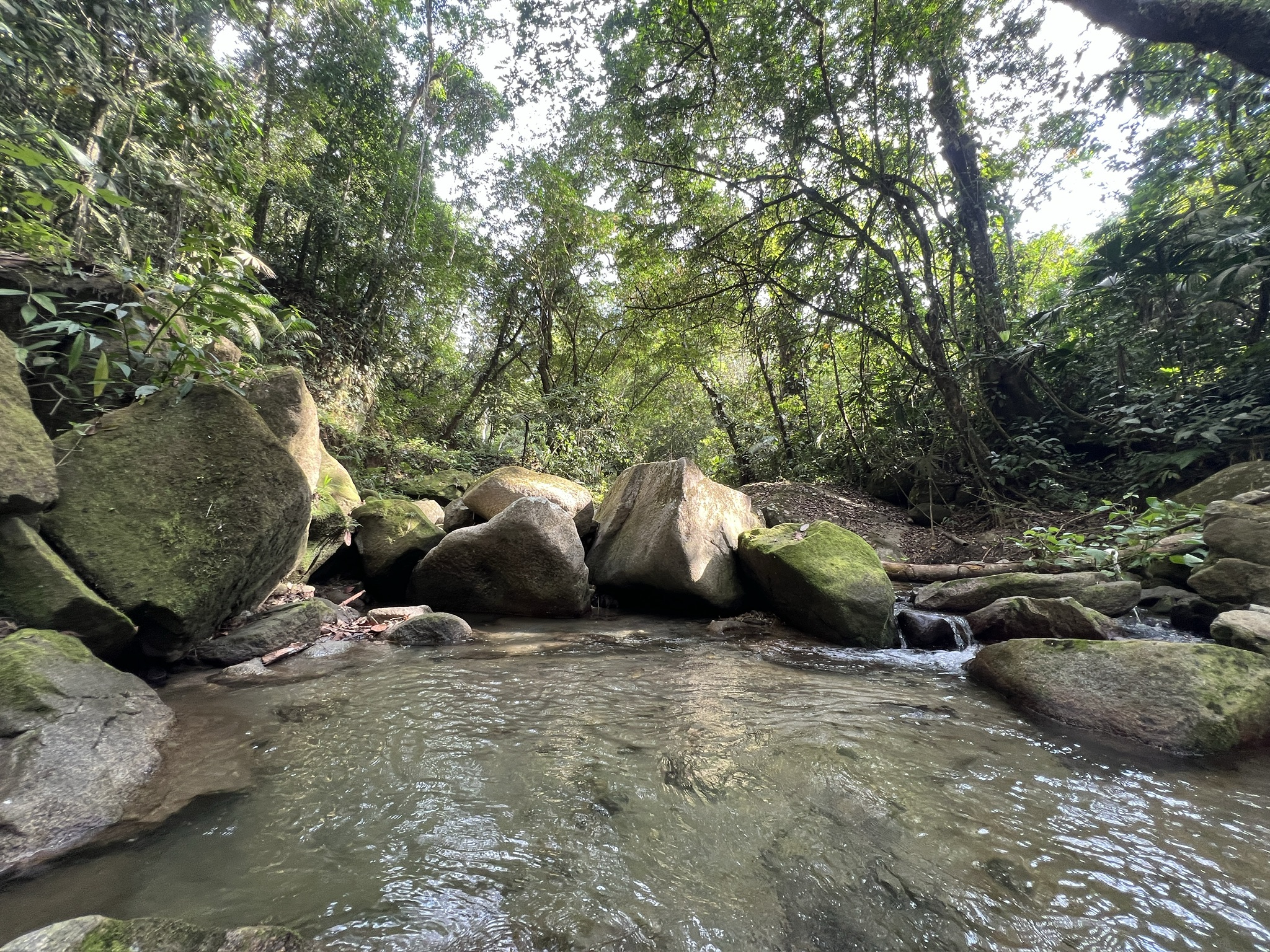
Go for: Beach vibes and street music in Santa Marta. Waterfalls galore in Minca!! Hiking, sunset spots, butterflies and birds. Cute cafés in Minca town. A great place to escape the heat of the coast, up in the Sierra Nevada mountains! A lovely river runs through the town, which you can bathe in.
How to get there: fly or take a long-distance bus to Santa Marta. From there, buses to Minca are cheap, safe, and leave every 10 minutes. Remember to keep all of your important items in your hand luggage as large bags do tend to get thrown around and are usually strapped on the roof. Here is a link to the location of the bus depot on Google Maps.
Palomino
How long to spend there: At least 3 days.
Go for: Relaxing days on the beach or by the pool, surf lessons, tubing down the river, beach town nightlife! The town really consists of one main commercial street, so it’s small but cute! Check out Gracias Vida café – it has excellent wifi and a calm environment to work in, and offers a creative and healthy menu!
How to get there: take a bus from Santa Marta. Buses are cheap and depart from Santa Marta every 10 minutes. Remember to keep all of your important items in your hand luggage. You need to pay in cash! Here is a link to the bus depot in Santa Marta.
Tayrona National Park
How long to spend there: 2 days (1 night) in the park itself was enough for me, as accommodation is generally quite rustic (you hire a hammock or a tent), and it does get quite windy and hot, so it can be intense, though beautiful! Plan to have at least one day on either side to pack for your hike and unwind afterwards. Alternatively, stay near the park entrance and do day hikes!
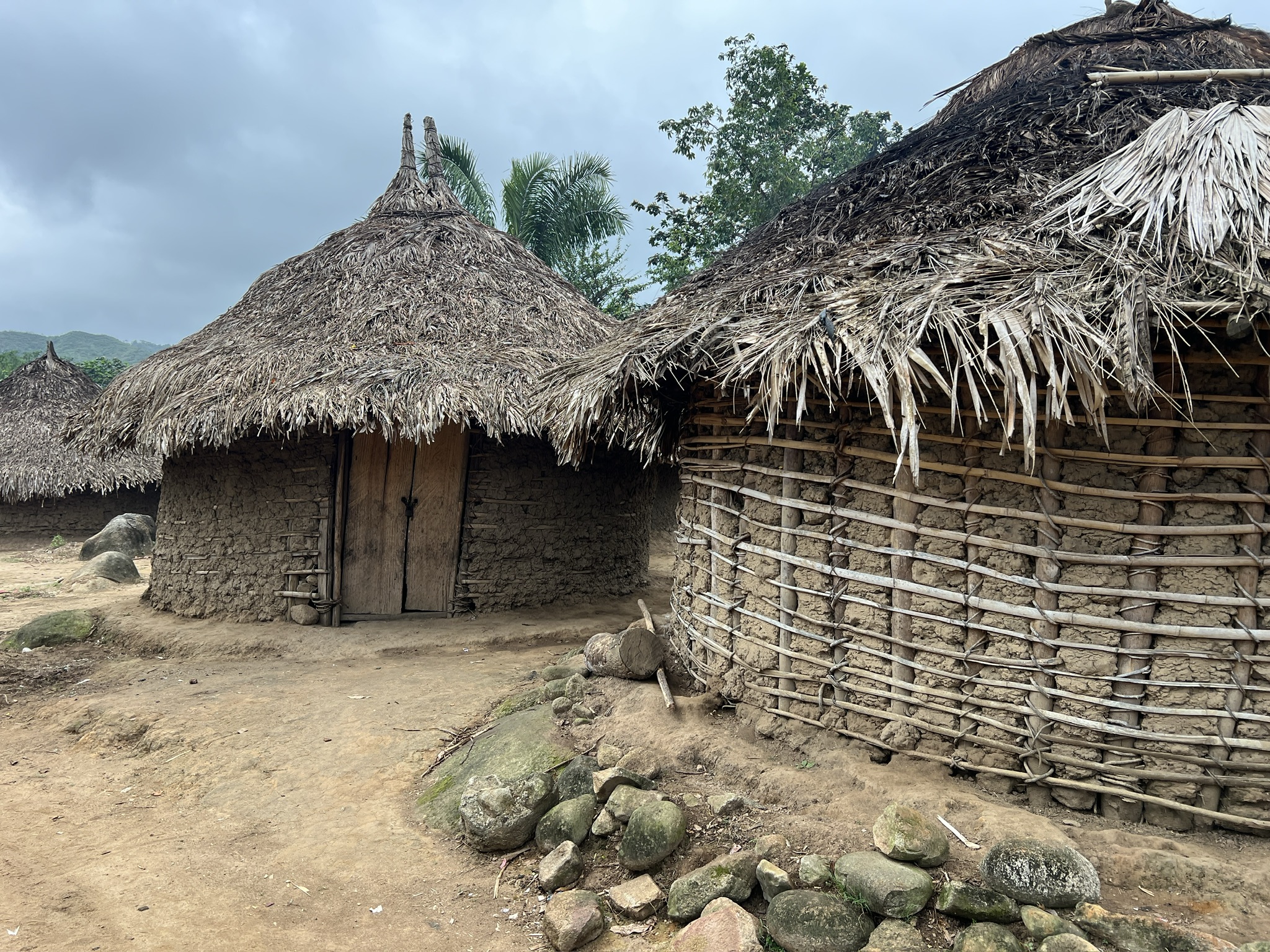
Go for: swimming at beautiful tropical beaches, seeing monkeys and other wildlife and riding horses around Cabo San Juan, and visiting the indigenous villages nearby. If you sleep in a hammock, choose one in the wind to avoid mosquitoes, and bring a sweater.
How to get there: take a bus – look at my instructions above for getting to Palomino; it’s the same bus, but for Tayrona, you need to get off earlier. The bus can stop pretty much anywhere along the main road, so sit near the front and ask the driver to stop near your accommodation.
Important:
- You need a yellow fever vaccination to enter the park. They don’t always check, but I would recommend it, as there are mosquitoes in this area.
- There are three annual park closures for ecological restoration, and their timing can vary, so check park closure dates before you go!
Other popular destinations
I haven’t personally visited these yet, but many travellers I have met have recommended them.
- Medellin for a Comuna 13 tour, bachata dancing and a day trip to the town of Guatapé and to walk up the beautiful Piedra del Peñol. I have also heard that Medellín is a great place to learn Spanish, with schools offering competitive prices and sometimes including accommodation and food!
- Salento for horse riding and coffee farms
- Cartagena and the nearby islands
- Jardin
- Amazonas, the Colombian Amazon region
Top tips for staying safe in Colombia:
- “No dar papaya” is a local saying that literally translates to “don’t give papaya”. It means “don’t flash your valuables”. Locals in Colombia follow this rule, as petty theft and muggings can happen. You often see locals carrying their backpacks in front of them, as thieves can unzip bags from behind while you walk. Don’t walk around with your phone out. I got a strap for my phone that goes around my wrist to make it less likely to be snatched.
- Carry a notarised copy of your passport as ID, instead of the passport itself.
- Some tourists have been harmed when they have stopped to help people on the street (for example, asking for directions). If someone needs help, move to a safe place and call the authorities for assistance, or go into a shop to get help from a local.
- Be aware that a very small number of women and men rob people whom they meet on dates, using drugs to incapacitate them. Be cautious about inviting people back to your accommodation.
- The best thing you can do for your safety at night is to go out with a group, check in on each other, and go home together. Don’t walk the streets alone at night; take an Uber back to your accommodation and between venues.
After saying this, I can’t emphasise enough how much I love Colombia. The vibrancy of this place is unrivalled – the food, the people, the music, the dancing, the nature… I would certainly go back; I have even thought about living there for a while, and many digital nomads do, happily and safely, for years!
Enjoy your planning, and most importantly, enjoy your travels to this beautiful country!
Have you been to Colombia?
What are the best things to do in Colombia? Anything you’d add to this Colombia bucket list?
Esme Heath
Esmé is a slow traveller, writer, Latin dancer and surfer. She is an English as a foreign
language teacher, and an avid language learner herself – every new language learned is like joining a club! Since graduating with her degree in psychology and sociology, she has loved travelling the world and sharing her reflections and tips on culture, slow travel, language immersion, dancing around the world, and alternative ways of being human on this wild and singular planet of ours! Check out Esmé’s website here.

