


With summer health goals in focus, it’s the perfect time to incorporate fresh, nutrient-dense produce into your diet. Enter zucchini. From roasted salads to zoodles, zucchini is known for its low-calorie appeal and its role as a low-carb alternative to pasta. But is zucchini as good for you as many claim?
Besides looking at the profile of zucchini nutrition to answer this question, we will also check out the latest research on its health benefits, different ways to prepare it, and explore who benefits from eating it most. As a dietitian, here’s my honest opinion of this versatile vegetable.
What’s Actually in Zucchini? The Nutrition Breakdown
Before we get into the nitty gritty of zucchini health benefits, let’s talk about the specifics of zucchini nutrition facts, from how many calories are in zucchini to the inclusion of plant pigments like lutein and zeaxanthin1,2.
| Nutrients | Nutrition Facts for raw zucchini (skin on, 100g) | Nutrition Facts for cooked zucchini (skin on, 100g) |
| Calories | 17 | 15 |
| Total Carbs (g) | 3.11 | 2.69 |
| Dietary fiber (g) | 1 | 1 |
| Sugars (g) | 2.5 | 1.71 |
| Protein (g) | 1.21 | 1.14 |
| Fat (g) | 0.32 | 0.36 |
| Potassium (mg) | 261 | 264 |
| Magnesium (mg) | 18 | 19 |
| Vitamin A (IU) | 200 | 1120 |
| Folate (mcg) | 24 | 28 |
| Vitamin C (mg) | 17.9 | 12.9 |
| Iron (mg) | 0.37 | 0.37 |
| Lutein & zeaxanthin (mcg) | 2120 | 1150 |
Is Zucchini Good for You? Here’s the Honest Answer

Now that we’ve taken a look at these zucchini nutrition facts, let’s tackle the question: Is zucchini good for you? To answer this, we’ll take a deep dive into evidence-based research on the health benefits of zucchini3.
Gut and Digestive Health
Is zucchini healthy for your gut? The digestive benefits of zucchini from its fiber content — specifically its pectin fiber. Pectin fiber is a naturally occurring soluble fiber that you can find in the cell walls of many plants, which acts in our bodies as a prebiotic and promotes bowel regularity. Pectin shows promise to increase diversity of gut bacteria and lower blood glucose levels4.
Meanwhile, the dietary fiber content of zucchini can also aid in weight loss due to its satiating property5. And let’s not forget the 94% water content of zucchini, which can help you stay hydrated every time you take a bite6.
Heart Health
Due to its potassium and magnesium content, zucchini can also help support heart health7,8. The potassium content of zucchini can indirectly help your LDL cholesterol levels by lowering blood pressure and lowering risk of atherosclerosis9. Furthermore, zucchini’s soluble fiber, pectin, does more than boost gut health — it also binds bile acids, which can further help lower LDL cholesterol levels10.
Eye Health
The lutein and zeaxanthin content of zucchini can greatly support eye health over time through their antioxidant properties11. A 2020 report on zucchini shows that lutein may help reduce one’s risk of macular degeneration and cataracts as you age12.
Blood Sugar and Weight Management
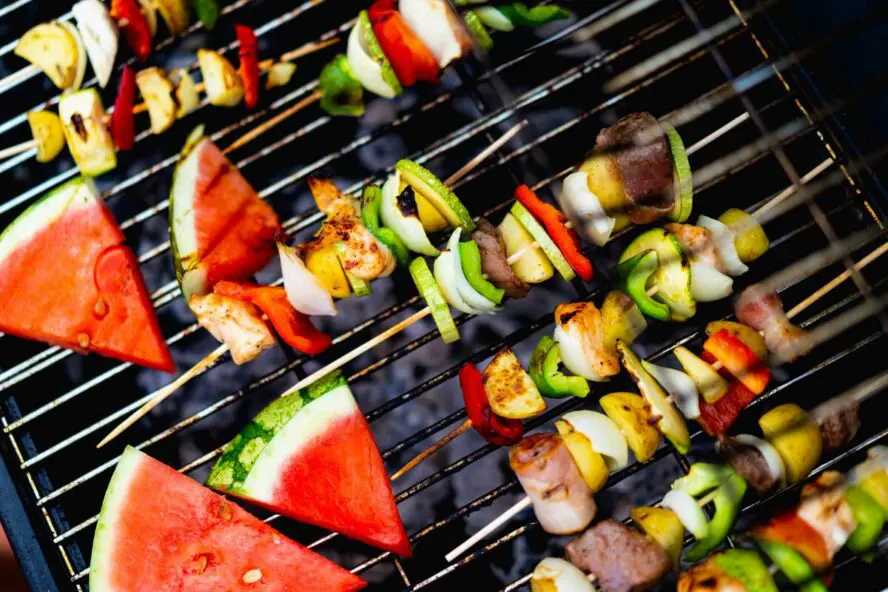
Finally, is zucchini good for weight loss? Let’s take a look.
Zucchini intake can help you manage blood glucose levels and weight through a variety of properties. First of all, zucchini is both high in fiber and low in calories. This combination of properties makes it what some would call a volumizing food — in other words, you can eat a lot of it without going over your calorie count for the day. The fiber content can also help you feel fuller for longer between meals13.
Furthermore, zucchini has a glycemic index of just 15, so it has minimal impact on blood glucose levels14. There’s a reason the trend of swapping pasta for zucchini noodles, or ‘zoodles’, has stood the test of time — this simple change can help prevent or manage metabolic conditions like diabetes.
Does Cooking Zucchini Make It Less Healthy?
Let’s explore the different ways you can prepare zucchini, the benefits of each, and the best way to cook zucchini for your optimal health and enjoyment.
Raw Zucchini
When it comes to nutrient retention, there’s generally nothing better than the raw form of fruits and vegetables. Raw zucchini is best for vitamin C retention15, and it tastes great in summer salads and slaws. Keep in mind that having been frozen decreases antioxidant activity and phenolic compounds, so try to keep your zucchini fresh.
To make your raw zucchini as tasty and as enjoyable as possible, try shaving it thin for optimal mouthfeel. And don’t be afraid to add herbs, seasonings, and dressings to enhance the flavor of raw zucchini!
Grilled Zucchini
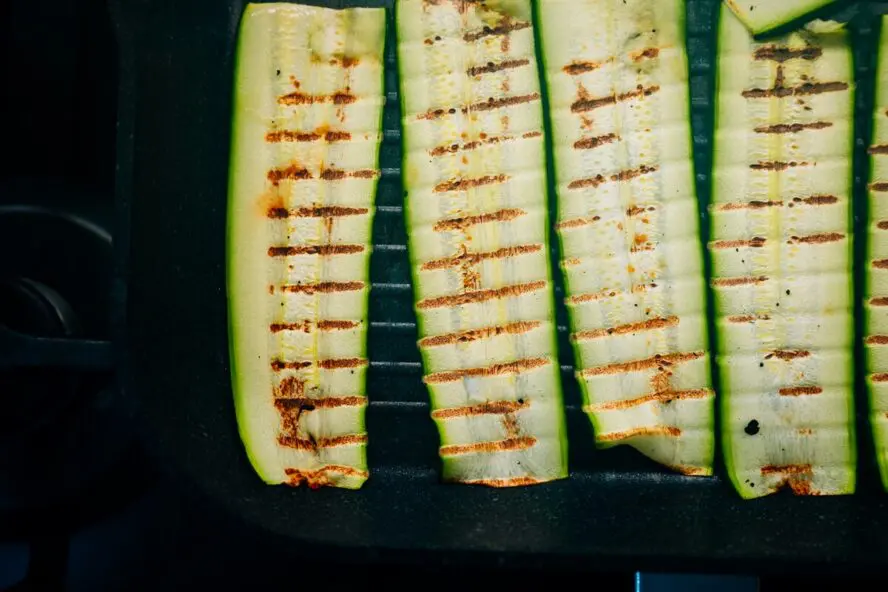
The spring and summer season brings with it the joy of outdoor eating and grilling — and it’s a great time for zucchini to shine. Medium to thick cuts of zucchini taste great drizzled with a bit of olive oil and sprinkled with herbs before lightly grilled on each side.
Note that the way you like your zucchini cooked may come down to a matter of texture and taste preference — grilling can cause softening and discoloration16, and it tends to introduce a delicious smoky flavor. Beyond taste, grilled zucchini health benefits include a high natural fiber content to support gut health. Plus, the skin that often gets left on zucchini when grilled also retains a good source of antioxidants as compared to just the flesh17.
Furthermore, if oil is brushed on the zucchini before grilling, it could support fat-soluble vitamin absorption18. In summary, if you choose to cook zucchini on the grill, remember to leave the skin on for extra antioxidants, don’t over-char, and cut it thick for better texture.
If you like the taste of grilled zucchini but don’t feel like firing up the grill, try roasted zucchini instead. Simply line a cookie sheet with parchment paper or a silicone mat, brush olive oil on both sides of ½ to 1-inch thick slices of zucchini, and sprinkle with your favorite herbs and seasonings before baking in the oven at around 425°F for about 10–15 minutes, or until golden brown. Be sure to flip the zucchini slices halfway through cooking time.
Other Methods
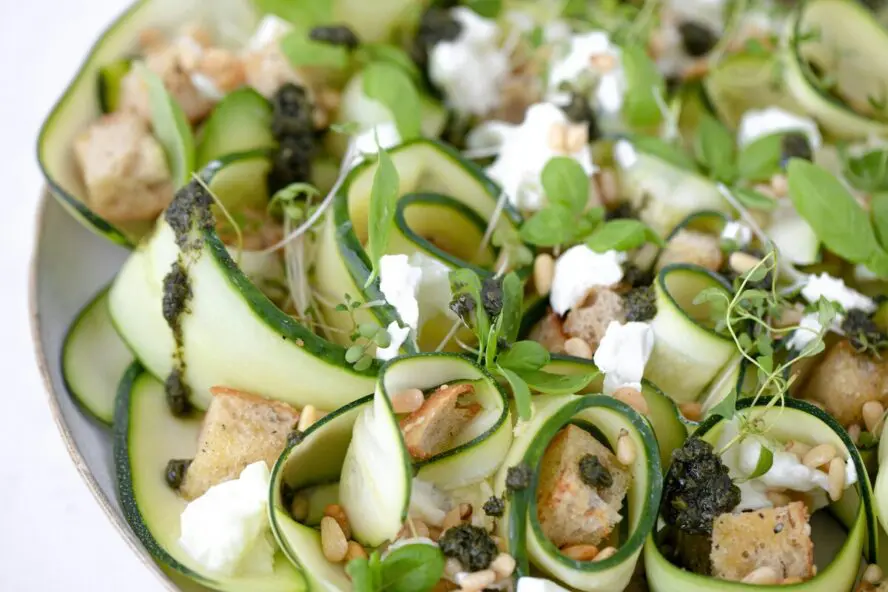
Grilling and roasting aren’t the only ways you can cook your zucchini. A 2024 study found that microwave cooking had the highest retention of sodium, calcium, manganese, and iron as compared to grilling and steaming19. Meanwhile, steaming is great if you’re watching your calories, as it doesn’t require introducing any additional oils or fats.
And let’s not forget stir frying zucchini, which not only preserves the vegetable’s naturally slightly crunchy texture, but can also increase protein and antioxidant activity20. The antioxidant activity of stir-fried zucchini is also much greater in comparison to steamed and raw21.
Regardless of cooking method, a recent study reveals that potassium and sodium levels were lower in organic zucchini22, so factor that into your cooking methods. Luckily, zucchini featured on our list of summer produce with low pesticide loads, so you may be fine to eat conventional zucchini raw — just wash it thoroughly to be safe.
Who Benefits Most From Eating Zucchini?
Although eating zucchini can benefit just about anyone, there are certain groups of people that may benefit most from this nutrient-dense vegetable:
- People managing blood sugar: Those with prediabetes and diabetes (or those trying to prevent such conditions) can benefit from the metabolic benefits of zucchini. The low glycemic index of zucchini, as well as the overall dietary fiber content of zucchini, can help manage blood glucose levels.
- Those focused on heart health: The blood pressure lowering potential of zucchini’s potassium content and the LDL lowering potential of its dietary fiber make zucchini a beneficial food for those trying to prevent or treat heart diseases.
- Those with gut health or digestive issues: The dietary fiber in zucchini can help nourish the gut, while its pectin content supports gut microbial diversity. However, remember that there can be too much of a good thing. As with any fiber-rich food, be sure to drink plenty of water when consuming zucchini and keep portions within reason to help prevent any gas and bloating that can come with high fiber intake.
- Weight management: The low-calorie content of zucchini, along with the fiber content within those calories, make it a highly satiating food. This is ideal for those wanting to lose weight or manage their current weight.
The Thing Everyone Gets Wrong About Zucchini
Zucchini, just like any other vegetable, should not be singled out as a superfood for optimal health. Although beneficial, zucchini should be eaten in moderation alongside other antioxidant-rich fruits and vegetables, lean proteins, and healthy fats to best support overall health.
And when it comes to choosing a way to eat zucchini, the best preparation is the way that tastes best to you. While there may technically be cooking methods that are slightly more nutritious than others, as a dietitian I always tell my clients the same thing: if you don’t enjoy what you eat, then you’re not going to eat it. And if you’re not going to eat it, you can’t reap the benefits of it — so choose the method that works for you.

However, if there’s any preparation method I can recommend, I’d say it’s worth trying to eat the skin when possible, since the skin and the area below the skin holds the most antioxidant potential. If you don’t like the texture of the skin, simply slice it thinly with a vegetable peeler or mandolin so that mouthfeel is less noticeable.
A Dietitian’s Verdict
With good fiber content to support gut health and great antioxidant content in the skin to help reduce inflammation in the body, we can confidently say that zucchini is a healthy food.
And while it’s not a magic bullet, zucchini still earns a rightful place on your daily plate. It’s low-calorie, low-carb, and wrapped up in a delicious versatile form. It can help reduce calorie intake and manage blood glucose health. And with the many ways zucchini can be enjoyed, this delicious summer veggie can fit into just about any healthy lifestyle.
So, if you haven’t tried zucchini yet or if your experience with zucchini is limited to zoodles, I encourage you to take this one simple action this week: try zucchini in a way you never have before. Whether it’s a shaved zucchini salad or a simple grilled zucchini recipe, give this summer favorite a try to nourish your body and expand your palate.
Frequently Asked Questions
Is zucchini good for weight loss?
The low-calorie density as well as the high water and fiber content of zucchini promote satiety, which can help support weight management goals. Also, if pasta is making it hard for you to reduce calories, then zoodles can significantly reduce calorie load without sacrificing volume.
Is it healthier to eat zucchini raw or cooked?
Both raw zucchini and cooked zucchini have their merits. Raw zucchini preserves more vitamin C, while cooking zucchini, especially steaming or grilling, enhances carotenoid availability. Feel free to mix it up by using raw zucchini in salads and cooked zucchini as a lunch or dinner side dish.
The skin of zucchini contains the highest concentration of antioxidants and fiber, so try not to peel it. Just be sure to thoroughly wash the skin before prepping and cooking, especially when grilling.
Is zucchini a good vegetable for diabetics?
With its low glycemic index and high fiber content, eating zucchini regularly can slow glucose absorption. In turn, zoodles can offer a satisfying pasta alternative without spiking blood glucose levels.
Is zucchini a superfood?
Although zucchini isn’t exactly a superfood, it is nutrient-dense for its calorie load. And although it may not match the micronutrient density of leafy greens like kale or broccoli, it still has a strong place in a healthy diet, offering versatility, digestibility, and powerful antioxidant content relative to calories.
Does grilling zucchini destroy nutrients?
Grilling can make zucchini taste great and can encourage intake of this fiber-rich food. However, heat can reduce the vitamin C content of zucchini. Therefore, grill zucchini at moderate temperatures to help preserve the most minerals and carotenoids. Also, leave the skin on and avoid heavily charring zucchini to help retain the most nutrition.
How much zucchini should you eat per day?
There’s no strict limit for most people when it comes to daily zucchini intake. However, one to two medium zucchini per day is a reasonable serving. Those with sensitive digestion can start with smaller amounts due to zucchini’s high fiber content.
Is yellow zucchini as healthy as green?
Both green and yellow zucchini have similar nutritional profiles. Yellow varieties may have slightly higher levels of certain carotenoids, but both are excellent choices.
Sources:
- https://fdc.nal.usda.gov/food-details/168470/nutrients
- https://fdc.nal.usda.gov/food-details/169291/nutrients
- https://health.clevelandclinic.org/zucchini-health-benefits
- https://www.sciencedirect.com/science/article/abs/pii/S0144861725010343
- https://pubmed.ncbi.nlm.nih.gov/32644459/
- https://utswmed.org/medblog/hydrating-healthy-foods/
- https://pmc.ncbi.nlm.nih.gov/articles/PMC11585403/
- https://pmc.ncbi.nlm.nih.gov/articles/PMC13079193/
- https://pmc.ncbi.nlm.nih.gov/articles/PMC10759559/
- https://www.ncbi.nlm.nih.gov/books/NBK559033/
- https://pmc.ncbi.nlm.nih.gov/articles/PMC5537869/
- https://www.sciencedirect.com/science/article/pii/S1756464619306954
- https://www.scirp.org/journal/paperinformation?paperid=98189
- https://pmc.ncbi.nlm.nih.gov/articles/PMC12607511/
- https://pmc.ncbi.nlm.nih.gov/articles/PMC7278829/
- https://pmc.ncbi.nlm.nih.gov/articles/PMC8391696/
- https://pmc.ncbi.nlm.nih.gov/articles/PMC5537869/
- https://www.mdpi.com/2072-6643/17/3/423
- https://www.mdpi.com/2304-8158/14/18/3213
- https://pmc.ncbi.nlm.nih.gov/articles/PMC12610333/
- https://www.tandfonline.com/doi/full/10.1080/10942912.2020.1826512
- https://pmc.ncbi.nlm.nih.gov/articles/PMC8391696/